

Have you ever wondered what makes a car wash so effective at cleaning your vehicle? The secret lies in the pressure of the water used.
Understanding the pressure of a car wash can help you choose the right service for your car and protect its paint job. You’ll discover what car wash pressure really means, why it matters, and how it affects your car’s shine and safety.
Keep reading to find out how the right pressure can make a big difference in keeping your car looking its best.
Credit: washh.com
Car Wash Pressure Basics
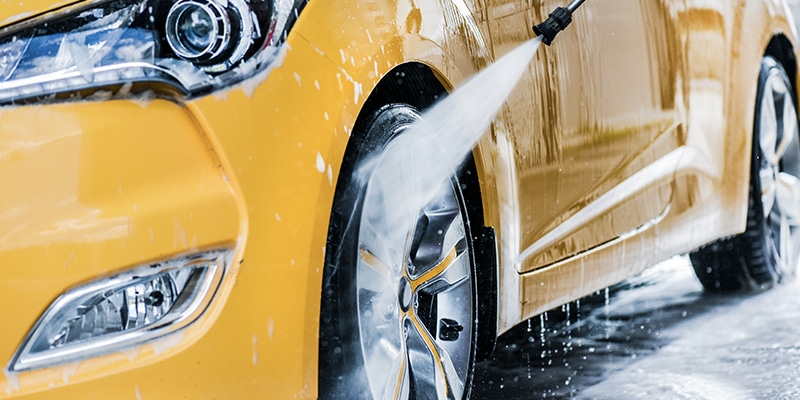
Understanding the pressure used in a car wash is key to getting your vehicle clean without damage. Pressure helps remove dirt and grime effectively. Too much pressure can harm the paint, while too little may not clean well. Knowing the basics helps you choose the right car wash or equipment.
Let’s explore the main points about car wash pressure and how it works.
Measuring Pressure In Psi
Pressure in car washes is measured in PSI, which means pounds per square inch. It shows how strong the water hits the car surface. Common car washes use pressure between 1200 and 1900 PSI. Higher PSI means more force to remove dirt. Low PSI may not clean tough stains well.
How Pressure Affects Cleaning
Pressure helps break loose dirt and grime from your car. Strong pressure removes stuck-on mud or bird droppings. But too much pressure can cause scratches or peel paint. Gentle pressure is good for delicate parts like decals or trim. The right pressure cleans well and protects your vehicle.
Water Flow Rate And Its Role
Water flow rate is how much water sprays per minute. It works with pressure to clean your car. High flow rate rinses off soap and dirt quickly. Low flow rate can leave soap spots or dirt behind. Both pressure and flow rate must balance for a good wash.
Credit: www.turtlewax.com
Types Of Car Wash Systems
Car wash systems come in different types, each using various pressure levels. These systems clean vehicles with water and soap, removing dirt and grime. Understanding the types helps choose the right wash for your car’s needs. Some use brushes, while others rely on high-pressure water jets. Each type offers unique benefits and pressure settings.
Automatic Car Wash Pressure Levels
Automatic car washes use machines to clean cars quickly. Water pressure in these systems usually ranges from 1000 to 2000 PSI. This pressure is enough to remove dirt without harming the car’s paint. Some machines adjust pressure based on the car’s size and dirt level. The goal is to clean effectively while protecting the vehicle.
Touchless Vs. Brush Systems
Touchless systems use high-pressure water and soap sprays. They avoid contact with the car’s surface, reducing scratches. Pressure levels in touchless washes can be higher, up to 3000 PSI. Brush systems use soft brushes with lower pressure water. Brushes scrub the car to remove stubborn dirt. They work well but may leave light marks on the paint.
Diy Pressure Washers For Cars
Many people wash their cars at home using pressure washers. These tools offer control over pressure settings. For cars, pressure should stay below 2000 PSI to avoid damage. Users must keep the nozzle at a safe distance from the surface. DIY pressure washers are affordable and effective with proper use.
Choosing The Right Pressure
Choosing the right pressure for a car wash is key to cleaning your vehicle safely and effectively. Too much pressure can harm your car’s paint or trim. Too little pressure might not remove dirt well. Understanding the correct pressure helps protect your vehicle and gives it a fresh look.
Safe Pressure Range For Vehicles
Most cars do well with pressure between 1200 and 1900 PSI. This range cleans dirt without hurting paint or decals. Higher pressure may damage sensitive parts like mirrors or antennas. Always start with lower pressure and increase only if needed.
Avoiding Paint Damage
Paint can chip or peel if pressure is too high. Keep nozzle at least 12 inches from the surface. Use a wide spray pattern to spread the force. Avoid holding the spray too long in one spot. These steps protect your car’s finish during washing.
Pressure Settings For Different Dirt Types
Light dirt and dust require low pressure around 1200 PSI. Mud and grime need medium pressure near 1800 PSI. Tough stains or road salt may need higher pressure but use caution. Adjust pressure based on the dirt type for best results.

Credit: practicalmotoring.com.au
Pressure And Detergent Use
The pressure used in a car wash plays a key role in cleaning your vehicle. It works closely with detergents to remove dirt and grime effectively. Understanding how pressure affects detergent use helps achieve a better wash without damaging the car’s surface.
Enhancing Cleaning With Soaps
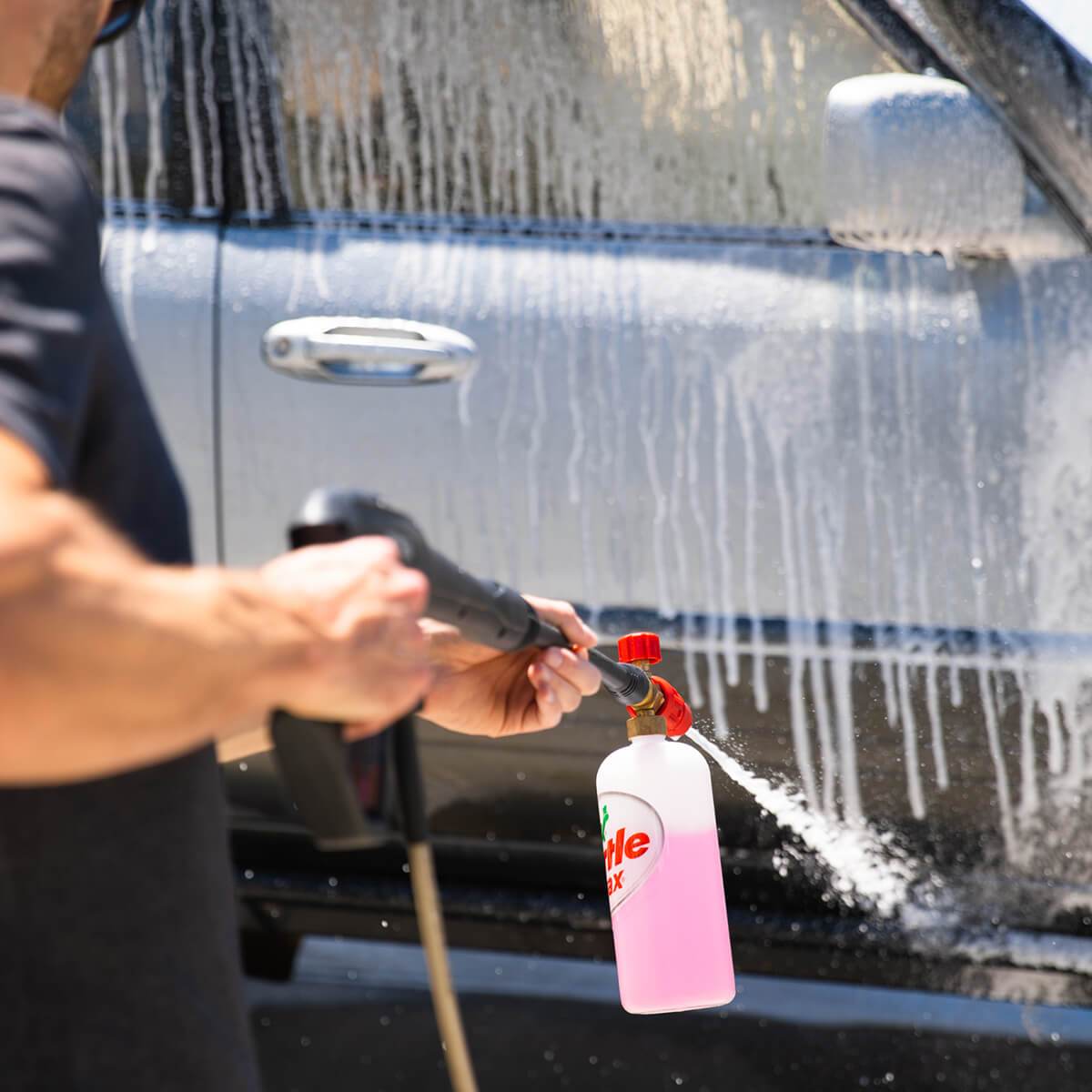
Soaps and detergents break down oils and dirt on the car. They loosen stubborn grime that water alone cannot remove. Using the right soap makes cleaning easier and faster. Some soaps foam more, helping to lift dirt away from paint. Applying detergent before pressure sprays allows the soap to work deeply.
Pressure’s Impact On Detergent Effectiveness
Pressure affects how well detergents clean the car. Too much pressure can wash away soap before it works properly. Too little pressure may not rinse dirt or soap off fully. The right pressure helps the soap penetrate and lift dirt. It also rinses off residues without harming the paint or finish.
Maintenance Of Pressure Equipment
Maintaining pressure equipment in a car wash is essential for smooth operation. It keeps the machine working well and ensures a clean wash every time. Regular care helps avoid breakdowns and costly repairs. Understanding the key steps of maintenance can save time and money.
Regular Checks And Calibration
Pressure equipment needs frequent checks to perform correctly. Check pressure gauges for accurate readings. Inspect hoses and connections for leaks or cracks. Calibration adjusts the machine to the right pressure level. This keeps the water pressure steady and effective. Regular calibration prevents damage to cars and equipment.
Common Issues And Fixes
Pressure equipment can face several common problems. Low pressure often means clogged nozzles or filters. Replace or clean these parts to restore pressure. Leaks in hoses or seals reduce efficiency. Tighten or replace faulty parts quickly. Strange noises can signal worn parts or motor trouble. Early fixes prevent major repairs later.
Extending Equipment Lifespan
Proper maintenance extends the life of pressure equipment. Clean all parts after use to stop rust and dirt buildup. Store equipment in dry places to avoid corrosion. Use recommended oils and lubricants to keep parts moving smoothly. Follow the manufacturer’s maintenance schedule strictly. Regular care means fewer replacements and better performance.
Environmental And Safety Considerations
Pressure used in car washes affects the environment and safety. Using high water pressure can waste water and harm surfaces. Chemicals from cleaners may pollute water and soil. Understanding these impacts helps protect nature and people.
Water Conservation Tips
Use water-efficient car wash systems. They reduce water use by recycling water. Choose a commercial car wash that follows water rules. Wash cars on grass or gravel to absorb water. Avoid washing cars with a garden hose at home.
Safe Handling Of High Pressure
High-pressure water can cause injuries and damage. Always wear protective gear like gloves and goggles. Keep the nozzle at a safe distance from skin and surfaces. Never point the pressure washer at people or pets. Follow the machine’s instructions carefully to avoid accidents.
Eco-friendly Cleaning Options
Choose biodegradable soaps and cleaners. They break down naturally without harming the environment. Use less chemical detergent to reduce pollution. Consider waterless car wash products for light cleaning. These options keep cars clean and protect the planet.
Frequently Asked Questions
What Is The Ideal Pressure For A Car Wash?
The ideal car wash pressure ranges between 1,200 and 2,000 PSI. This pressure removes dirt without damaging the car’s paint. Too high pressure can cause scratches or paint damage. Lower pressure may not clean effectively, so balance is key.
How Does Pressure Affect Car Wash Quality?
Pressure impacts how well dirt and grime are removed. Higher pressure cleans stubborn dirt faster. However, excessive pressure risks damaging surfaces. Proper pressure ensures thorough cleaning while protecting paint and trim. It is essential for efficient and safe car washing.
Can High Pressure Damage My Car’s Paint?
Yes, very high pressure can chip or strip paint. Pressures above 2,500 PSI may cause damage. Using moderate pressure prevents paint erosion and scratches. Always follow manufacturer guidelines for safe pressure levels during car washing.
What Pressure Do Professional Car Washes Use?
Professional car washes typically use pressures between 1,500 and 2,000 PSI. This range effectively cleans without harming paint or trim. They balance water pressure with detergent and soft brushes for optimal results.
Conclusion
Car wash pressure plays a key role in cleaning your vehicle well. Too much pressure can damage paint and parts. Too little pressure may leave dirt behind. Knowing the right pressure helps protect your car’s finish. It also saves water and energy.
Choose a pressure level that fits your car wash needs. This way, your car stays clean and safe. Understanding pressure makes washing easier and more effective. Keep these points in mind for a better car wash experience.


