

If you own a pressure washer, you know how powerful and handy it can be for cleaning tough dirt and grime. But do you know how to care for your pressure washer so it lasts longer and works better every time?
Taking just a few simple steps to maintain your machine can save you money, prevent breakdowns, and keep your cleaning projects running smoothly. In this guide, you’ll discover easy and practical tips to keep your pressure washer in top shape.
Keep reading—your pressure washer will thank you!
Credit: www.kaercher.com
Choosing The Right Pressure Washer
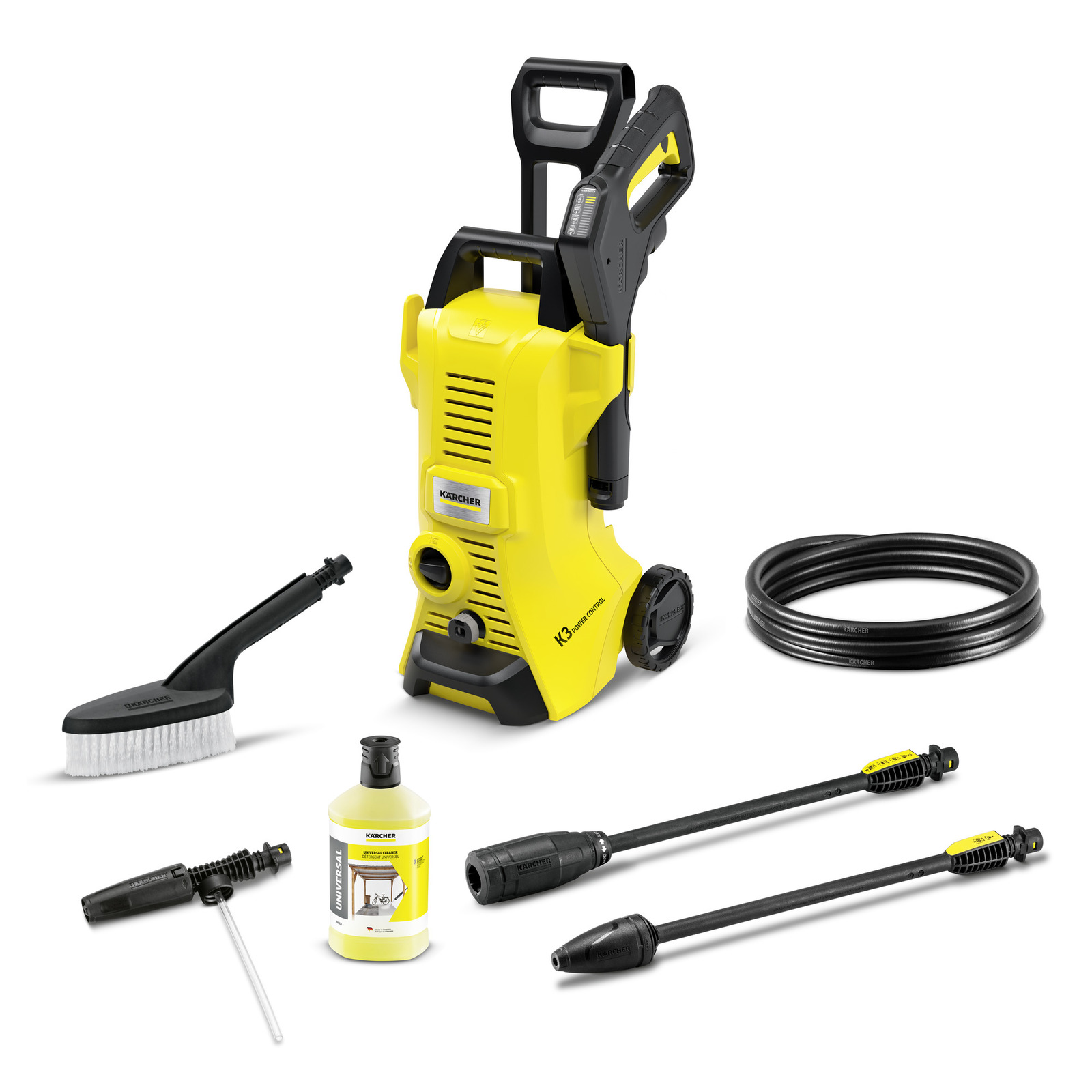
Choosing the right pressure washer is important for effective cleaning and lasting use. The right machine makes your job easier and saves time. Understanding the types and features helps you pick the best fit for your needs.
Types Of Pressure Washers
Pressure washers come in three main types: electric, gas, and cordless. Electric models are quieter and lighter. They work well for small jobs around the house. Gas pressure washers are powerful and good for tough jobs. They need more maintenance but clean faster. Cordless pressure washers offer portability without cords. They are handy for quick clean-ups but have limited power.
Key Features To Consider
Look at pressure level, measured in PSI (pounds per square inch). Higher PSI means stronger cleaning power. Check the water flow rate, or GPM (gallons per minute). More GPM means faster cleaning. Choose the right nozzle size for your task. Consider the hose length and build quality. A sturdy frame and easy controls help during use. Also, think about the weight for easier handling.
Daily Maintenance Tips
Daily maintenance keeps your pressure washer working well. Small checks help avoid big problems. Spend a few minutes each day to keep it safe and ready.
Checking Oil And Fuel Levels
Check the oil before every use. Low oil can damage the engine fast. Use the right oil type for your model. Add fresh fuel to avoid poor performance. Old fuel can clog the system. Keep the fuel tank clean and sealed.
Inspecting Hoses And Nozzles
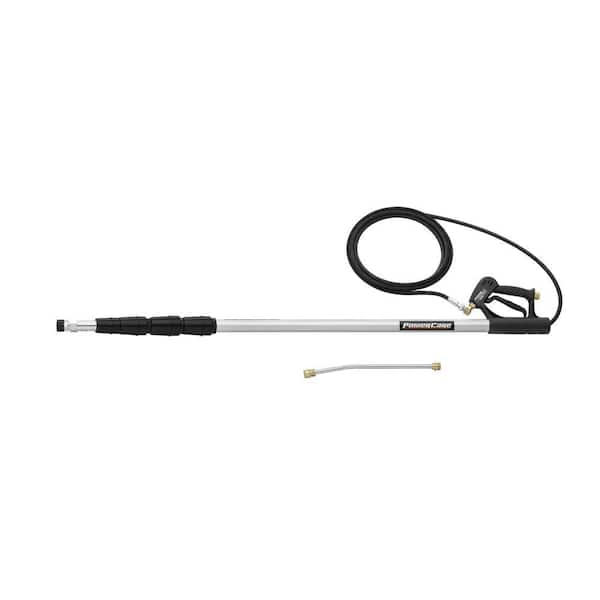
Look over hoses for cracks or leaks. Replace damaged hoses to prevent accidents. Check nozzles for blockages or wear. Clean nozzles with a small brush or needle. Proper nozzles keep spray strong and even. Tighten all connections before starting.
Cleaning After Each Use
Cleaning your pressure washer after each use keeps it working well. Dirt and debris can build up and cause damage over time. Regular cleaning stops clogs and extends the life of your machine. Follow simple steps to clean the key parts and keep your pressure washer ready for the next job.
Flushing The System
Flush the system by running clean water through it. This removes soap and dirt from the pump and hoses. Turn off the engine before disconnecting the detergent tank. Connect the garden hose to the water inlet. Run water through the machine for a few minutes. This clears out any leftover chemicals and prevents buildup.
Removing Debris From Filters
Check the water inlet filter for dirt and debris. Remove the filter carefully and rinse it with clean water. Use a soft brush if needed to clean stubborn particles. Make sure the filter is dry before putting it back. Clean filters help water flow smoothly and protect the pump from damage.
Storing Your Pressure Washer
Storing your pressure washer properly keeps it in good shape for a long time. Dirt, moisture, and cold can damage parts. Taking simple steps protects your machine and saves repair costs. Clean and dry your pressure washer before storing. Remove all water from hoses and pump to stop freezing and rust. Choose a safe place that keeps your washer dry and secure.
Protecting From Weather Elements
Keep your pressure washer out of rain and snow. Water can cause rust and electrical problems. Use a cover made for outdoor tools. A thick, waterproof cover blocks moisture and dust. Avoid direct sunlight to stop plastic parts from cracking. Store your washer in a garage or shed. A dry, shaded spot is best for protection.
Winterizing Techniques
Cold weather can freeze water inside the machine. Frozen water can crack the pump and damage seals. Drain all water from the pump and hoses. Use antifreeze made for pressure washers. Run antifreeze through the pump before storage. This stops any leftover water from freezing. Store the machine in a place above freezing temperature. Winterizing keeps your pressure washer ready for spring use.
Troubleshooting Common Issues
Troubleshooting common issues with your pressure washer keeps it working well. Regular checks help avoid big problems. Simple fixes save time and money. Knowing how to spot and solve issues makes cleaning easier.
Addressing Low Pressure Problems
Low pressure often means a blocked nozzle or dirty filter. Check the nozzle for dirt or debris. Clean it gently with a small brush or pin. Inspect the water supply for kinks or leaks. Ensure the hose is straight and connected tightly.
Another cause is air in the pump. Run the pressure washer for a few minutes to clear air. Use fresh water and avoid using hot water, which can damage the pump. Check oil levels and add oil if needed. Low oil can reduce pressure and harm the machine.
Fixing Leaks And Clogs
Leaks usually come from worn seals or loose connections. Tighten all fittings with a wrench. Replace damaged seals or O-rings to stop leaks. Use proper replacement parts from the manufacturer.
Clogs block water flow and lower performance. Remove the hose and check for debris inside. Clean the inlet screen and water filter regularly. Use clean water without dirt or sand. Flush the system with clean water after each use.
Credit: www.homedepot.com
Regular Servicing And Repairs
Regular servicing and repairs keep your pressure washer working well. They prevent small problems from becoming big issues. Taking care of parts extends the life of your machine. It also ensures safety during use. Follow a routine to check and fix your washer.
When To Replace Parts
Some parts wear out faster than others. Look for cracks, leaks, or worn seals. If the spray nozzle clogs often, it may need replacement. The hose can crack or leak after much use. Replace parts that cause poor pressure or water flow. Check the pump regularly for damage or noise. Change worn-out parts quickly to avoid bigger repairs.
Finding Professional Help
Some repairs need expert skills and tools. Find a trusted service center or technician near you. Check reviews and ask about experience with pressure washers. Professionals can fix pumps, motors, and electrical parts safely. They also offer advice on maintenance and parts replacement. Choose help that guarantees their work for peace of mind.
Safety Tips During Maintenance
Safety is very important during pressure washer maintenance. The machine uses strong water pressure and chemicals. These can cause harm if not handled carefully. Follow safety tips to protect yourself and keep the machine in good condition.
Handling Chemicals Safely
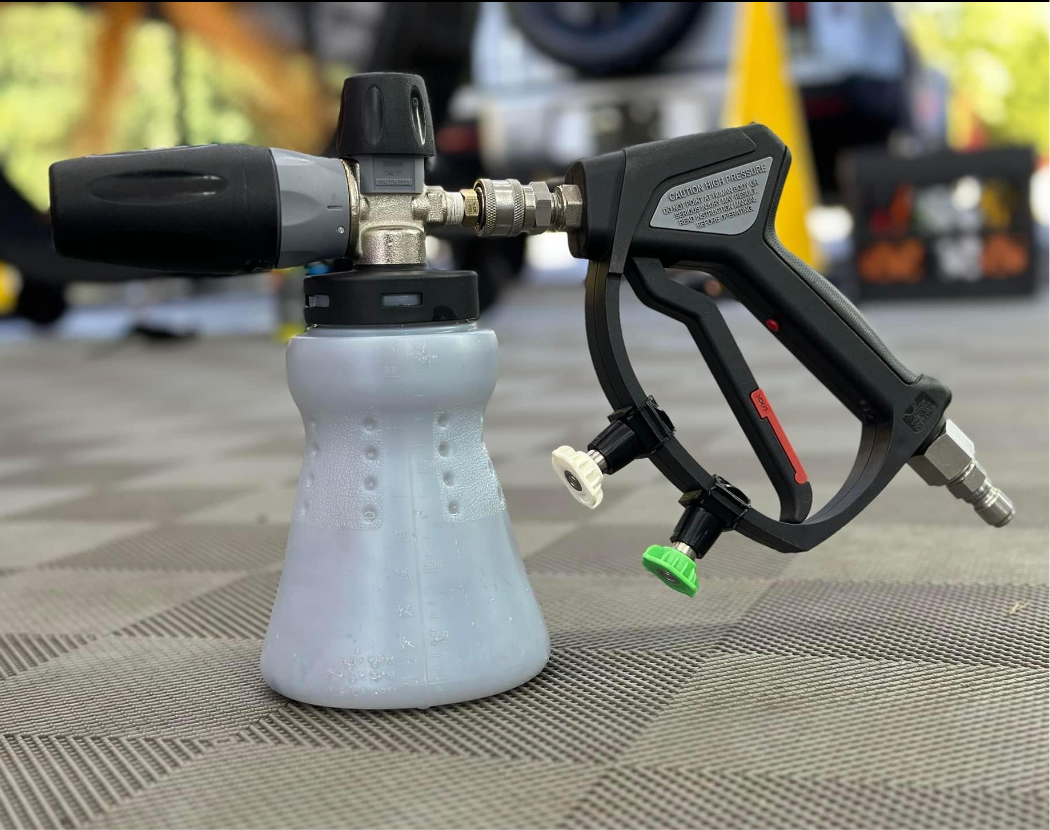
Always read the label on cleaning chemicals before use. Use only chemicals made for pressure washers. Do not mix different chemicals. This can cause dangerous reactions.
Store chemicals in a cool, dry place away from children and pets. Use a funnel to pour liquids to avoid spills. Clean any spills immediately with water and cloth.
Using Protective Gear
Wear gloves to protect your hands from chemicals and sharp parts. Use safety glasses to protect your eyes from splashes. Wear long sleeves and pants to protect your skin.
Use ear protection if the pressure washer is loud. Wear closed shoes to protect your feet. Protective gear reduces the risk of injury during maintenance tasks.
Credit: madcarcareproducts.com
Frequently Asked Questions
How Often Should I Maintain My Pressure Washer?
Regular maintenance is vital for pressure washers. Clean filters and check hoses after every use. Perform deep maintenance every 3 months to ensure optimal performance and longevity.
What Is The Best Way To Clean Pressure Washer Nozzles?
Remove nozzles and soak them in warm water. Use a small brush or needle to clear clogs. Regular cleaning prevents damage and maintains spray efficiency.
Can I Use Any Detergent With My Pressure Washer?
Always use detergents designed for pressure washers. Avoid harsh chemicals that may damage the machine or surfaces. Check your washer’s manual for recommended cleaning solutions.
How Do I Store My Pressure Washer Properly?
Store in a dry, sheltered area. Drain all water to prevent freezing or damage. Cover the machine to keep dust and debris away during storage.
Conclusion
Caring for your pressure washer keeps it working well for years. Clean the filters and nozzles often. Use fresh water and store the machine in a dry place. Check the hoses for cracks or leaks regularly. Follow these simple steps to avoid costly repairs.
Your pressure washer will stay strong and ready whenever you need it. Taking time for basic care saves money and effort later. A little attention goes a long way. Keep your pressure washer in top shape, and it will serve you well.


