

Choosing the right thread for your steering wheel cover might seem like a small detail, but it can make a big difference in how your cover looks and lasts. You want something strong, easy to work with, and that matches your style.
If you’re wondering which thread will give your steering wheel cover the perfect finish, you’re in the right place. Keep reading to discover the best thread options that will make your cover both durable and stylish.
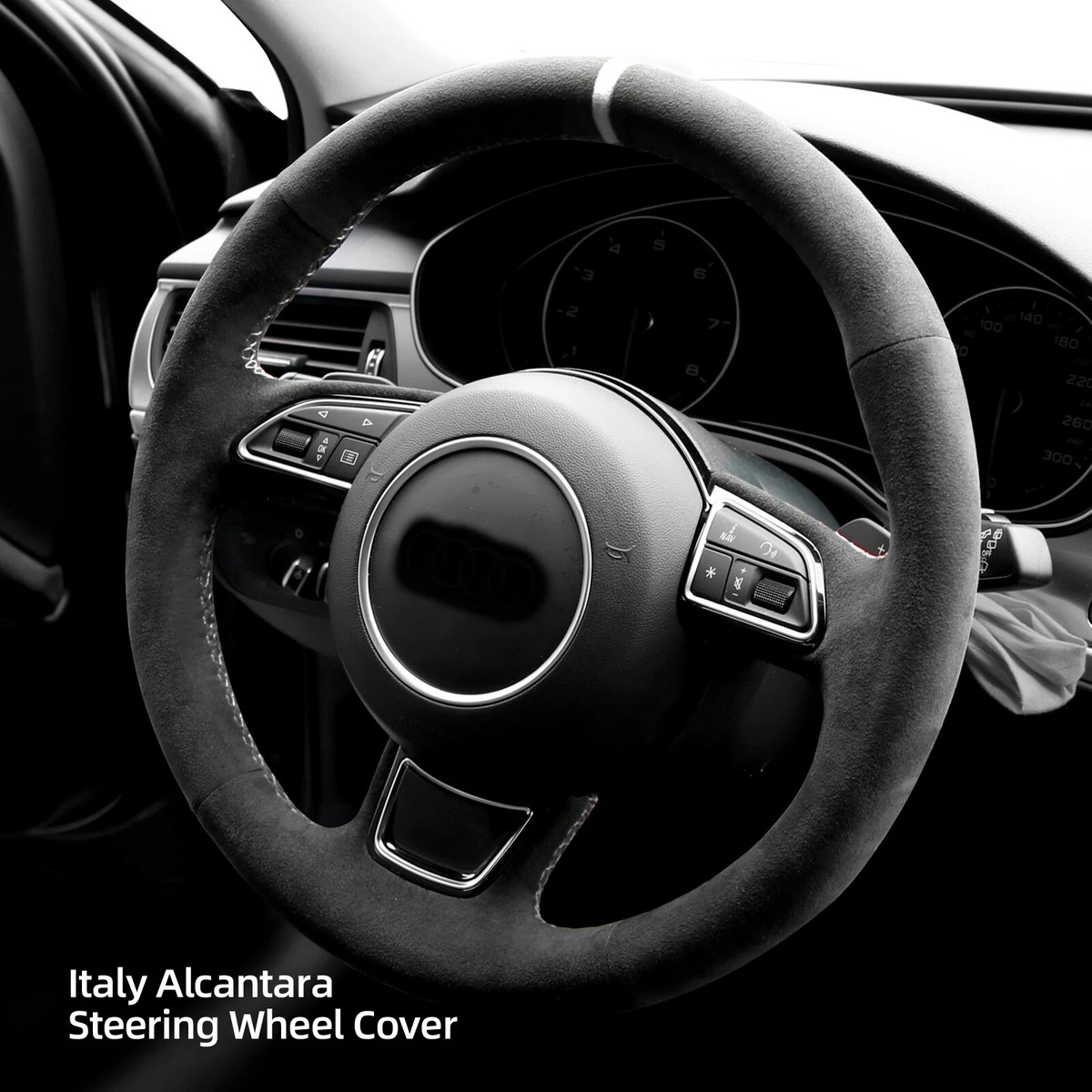
Credit: www.ebay.com
Types Of Threads For Steering Wheel Covers
Choosing the right thread for a steering wheel cover is important. It affects the cover’s strength and how long it lasts. Threads come in different materials. Each type has its own features. Knowing these helps pick the best one for your steering wheel cover.
Strong threads keep the cover tight and safe. Soft threads offer comfort and style. Some threads resist heat and wear better than others. Understanding thread types helps protect your steering wheel and improves driving comfort.
Nylon Thread
Nylon thread is strong and stretchy. It holds stitches well without breaking easily. It handles heat and moisture better than many threads. Nylon is a good choice for daily use. It keeps the cover firm and durable.
Polyester Thread
Polyester thread is tough and resistant to wear. It does not shrink or stretch much. Polyester works well against sun damage and rain. It keeps the stitching neat for a long time. This thread suits most steering wheel covers.
Cotton Thread
Cotton thread feels soft and natural. It is easy to sew with and looks good. Cotton is less strong than synthetic threads. It can wear out faster if used in rough conditions. Cotton works best for decorative covers.
Kevlar Thread
Kevlar thread is very strong and heat-resistant. It is used where high durability is needed. Kevlar does not break or melt easily. This thread is perfect for tough, heavy-use steering wheel covers. It adds extra safety and long life.
Factors To Consider When Choosing Thread
Choosing the right thread for a steering wheel cover matters a lot. It affects how long the cover lasts and how it feels. Some threads can break easily. Others may fade or lose shape. Picking the best thread means thinking about several key factors. These factors help the cover stay strong and look nice over time.
Durability And Strength
Thread must hold up under daily use. Steering wheels get a lot of touch and pressure. Strong thread keeps the cover tight and prevents tearing. Look for thread made from tough materials like nylon or polyester. These last longer than cotton. Durable thread saves money by avoiding frequent repairs.
Resistance To Heat And Uv
The steering wheel faces sun and heat often. Thread that resists heat won’t melt or weaken. UV resistance stops thread from fading or breaking down. This is important for cars parked outdoors. Threads with special coatings can handle sun damage better. This keeps the cover looking fresh.
Flexibility And Stretch
Thread needs some stretch to fit the wheel perfectly. Too stiff thread can cause puckering or gaps. Flexible thread moves with the cover and wheel shape. Stretchy thread also helps with easy installation. It keeps stitches tight without snapping.
Aesthetic Appeal
Thread color and texture affect the cover’s look. Bright or matching thread can enhance style. Smooth thread gives a neat finish. Thick thread creates bold patterns. Choose thread that fits your car’s interior design. A good look adds to driving pleasure.
Thread Thickness And Its Impact
Thread thickness plays a big role in the quality of a steering wheel cover. It affects how the cover looks, feels, and lasts. Choosing the right thread thickness helps create a strong and neat stitch that holds the cover firmly in place. This choice impacts both the cover’s style and durability.
Common Thread Sizes
Thread size is measured by thickness or weight. Thinner threads are around size 30 or 40. Thicker threads can be size 8 or 12. Most steering wheel covers use medium thickness threads, like size 20. Thicker threads are stronger but harder to sew. Thinner threads give a finer look but may wear out faster.
Effect On Stitching Appearance
Thicker threads create bold, visible stitches. They add a rugged and sporty look to the cover. Thinner threads produce smaller, delicate stitches. This gives a clean and smooth finish. Stitch color also plays a role in appearance. Thick thread with matching color blends well. Contrasting color with thick thread adds style and detail.
Influence On Cover Longevity
Thicker threads last longer under pressure. They resist breaking and fraying during use. Strong thread helps the cover stay tight on the wheel. Thin thread can break easily from constant hand movement. Quality thread material also matters. Nylon and polyester threads offer good strength and durability. Using the right thickness and material keeps the cover intact for years.
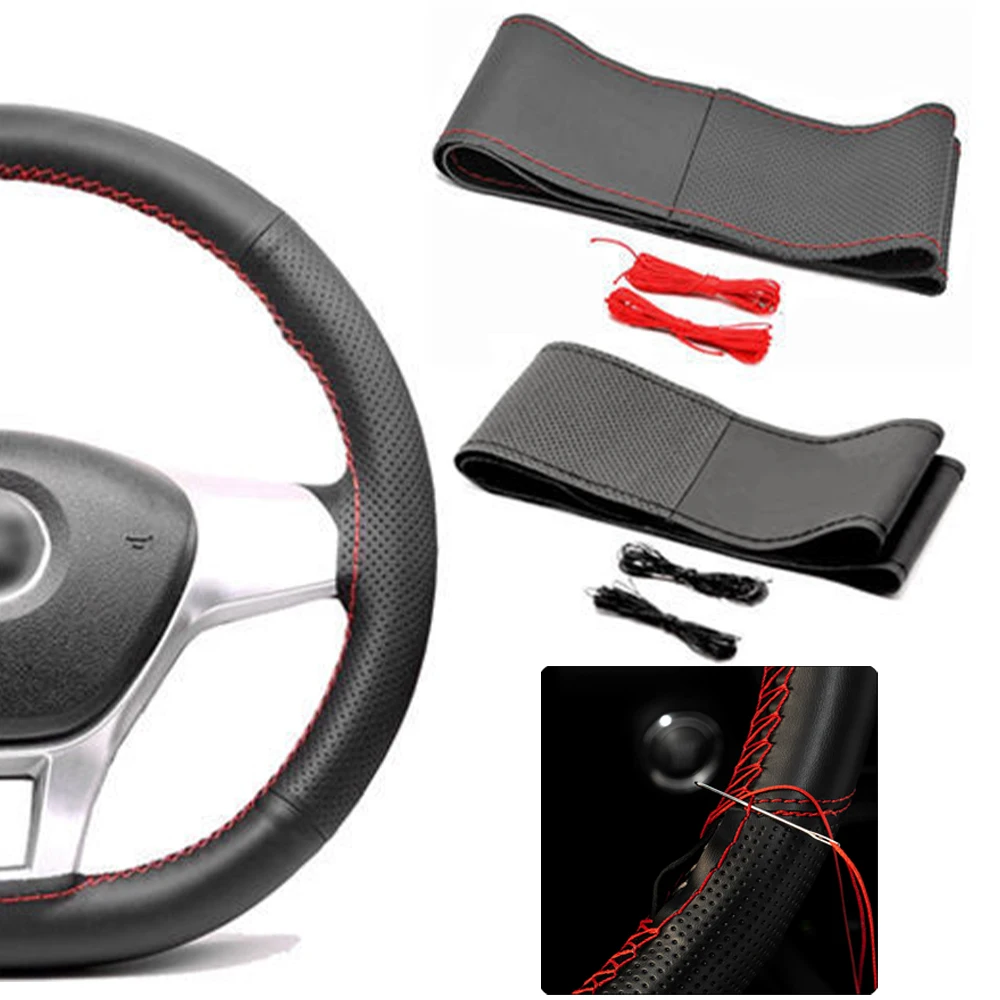
Credit: www.relations-publics.org
Thread Color Selection Tips
Selecting the right thread color for your steering wheel cover is important. It changes the look and feel of your car interior. The thread color can either blend in or stand out. Choosing the right shade helps highlight the design and shows your style. Here are some tips to guide you through the selection process.
Matching Vs. Contrasting Colors
Matching thread colors create a smooth, unified look. The thread blends with the cover material. This choice offers a clean and subtle style. Contrasting colors make the thread pop. It adds a bold, sporty touch to the steering wheel. Choose contrasting thread if you want your cover to catch eyes.
Customizing For Personal Style
Thread color lets you add personality to your steering wheel. Bright colors show energy and fun. Darker threads give a sleek, serious vibe. Neutral tones suit a classic, elegant look. Pick a color that fits your mood and car’s theme. Custom colors give your car a unique touch.
Colorfastness Considerations
Thread color should stay vibrant over time. Some threads fade after sun exposure and washing. Choose colorfast threads to keep your cover looking new. High-quality threads resist fading and wear. This protects your steering wheel cover’s look for longer. Check product details for colorfast properties before buying.
Tools And Techniques For Sewing Steering Wheel Covers
Sewing a steering wheel cover requires specific tools and techniques for the best results. Choosing the right thread and needle makes stitching easier and stronger. Using correct methods keeps the seams neat and durable.
Understanding the tools and how to use them helps create a comfortable, long-lasting cover. The right needle and sewing style suit different thread types and materials.
Needle Types Suitable For Different Threads
Thick thread needs a strong, large needle. Leather needles work well for heavy or synthetic threads. Sharp needles pierce tough cover materials without damage. Use smaller needles for thin threads and light fabrics. Matching needle size to thread prevents breaks and skips.
Hand Stitching Vs. Machine Stitching
Hand stitching gives more control on curves and corners. It allows careful adjustment of thread tension. Machine stitching is faster and creates uniform stitches. It works well on straight sections of the cover. Choose hand or machine based on skill and cover shape.
Tips For Strong And Neat Seams
Use double thread for extra strength on steering wheel covers. Keep stitches close but not too tight to avoid puckering. Tie knots securely to prevent seams from loosening. Trim excess thread after finishing for a clean look. Practice on scrap material to improve stitch quality.
Common Mistakes To Avoid
Choosing the right thread for a steering wheel cover is important. Many make mistakes that weaken the cover or cause it to wear out fast. Avoiding these errors helps the cover last longer and look better.
Below are common mistakes people make when selecting thread for steering wheel covers. Knowing these can save time and money.
Using Inappropriate Thread Material
Not all thread types suit steering wheel covers. Cotton thread, for example, breaks easily. It does not hold up well against friction and heat. Polyester or nylon thread works better. These materials resist wear and tear. They keep stitches strong and tight.
Ignoring Thread Tension
Thread tension affects how well the cover fits. Too tight thread can cause the cover to pucker or tear. Too loose thread makes the cover floppy and weak. Proper tension keeps the cover snug. It also prevents damage to the thread and material.
Neglecting Weather Resistance
Steering wheels face sun, rain, and sweat. Thread that is not weather-resistant breaks down quickly. Choose thread that resists water and sunlight. This prevents fading and rotting. Weather-resistant thread lasts longer and keeps the cover secure.
Maintenance Of Thread And Steering Wheel Covers
Maintaining the thread and steering wheel cover is key to keep them looking good and lasting longer. Proper care prevents damage and wear over time. Simple steps can protect your investment and keep the cover comfortable to hold.
Paying attention to the thread quality and condition helps avoid fraying or breakage. Clean covers stay fresh and avoid dirt buildup. Small repairs stop problems from growing larger.
Cleaning Tips
Use a soft cloth to wipe the cover gently. Mild soap and water work well for most materials. Avoid harsh chemicals that can weaken the thread or fabric. Dry the cover with a clean towel. Do not expose it to direct sunlight for long periods.
Repairing Loose Or Broken Threads
Fix loose threads quickly to stop unraveling. Use a needle and matching thread to sew small tears. Keep stitches tight but not too tight to avoid puckering. Trim any excess thread carefully. Regular checks prevent bigger damage later.
Extending Cover Life
Keep the steering wheel cover away from sharp objects. Avoid excessive pulling or stretching during installation. Store the car in shaded areas to reduce sun damage. Rotate covers if you have more than one. Gentle care ensures your cover stays in good shape for years.

Credit: www.amazon.com
Frequently Asked Questions
What Thread Is Best For Steering Wheel Covers?
Nylon or polyester thread is best for steering wheel covers. They offer strong durability and resist wear and tear. These threads provide a secure, long-lasting stitch that can handle frequent use and temperature changes without fraying.
Can Regular Thread Be Used For Steering Wheel Covers?
Regular thread is not ideal for steering wheel covers. It lacks the strength and durability needed for constant friction. Specialized threads like nylon or polyester ensure the cover remains securely stitched and lasts longer.
Why Is Thread Strength Important For Steering Wheel Covers?
Thread strength prevents stitching from breaking due to constant use. Strong thread keeps the cover tightly secured, enhancing safety and comfort. It also ensures the cover withstands heat, moisture, and wear over time.
How Does Thread Type Affect Steering Wheel Cover Durability?
The thread type directly impacts the cover’s lifespan. High-quality nylon or polyester threads resist fraying and snapping. Using the right thread ensures the cover remains intact despite daily handling and environmental stress.
Conclusion
Choosing the right thread makes your steering wheel cover last longer. Strong, durable thread keeps stitches tight and secure. Polyester or nylon thread works best for most covers. Thick thread adds extra strength and style. Sewing carefully helps avoid loose ends and tears.
This small detail improves your driving comfort and safety. Now, you know what thread suits your steering wheel cover well. Take your time and pick the best option for your needs. Your steering wheel will thank you.


