

Are you thinking about giving your car a fresh new look with vinyl wrap but unsure how much material you’ll need? Knowing the exact amount of vinyl to buy can save you time, money, and frustration.
Too little vinyl means multiple trips to the store, while too much can end up costing you more than necessary. You’ll discover the simple way to calculate how many meters of vinyl are needed to wrap your car perfectly. Keep reading to avoid common mistakes and get your car wrapped like a pro!
Vinyl Wrap Basics
Understanding vinyl wrap basics helps you choose the right material and amount. Vinyl wraps cover a car’s surface with a thin, flexible film. This film changes the car’s color or finish without painting. Installing vinyl wrap requires skill but offers a cost-effective way to refresh a vehicle’s look.
What Is Vinyl Wrap?
Vinyl wrap is a thin sheet of vinyl film. It sticks to a car’s exterior using adhesive on one side. The wrap can cover the whole car or just parts. It protects the original paint from scratches and sun damage. Many use vinyl wraps to customize cars with new colors or designs.
Types Of Vinyl Material
Several types of vinyl materials suit different needs. Cast vinyl is popular for car wraps. It is thin, flexible, and lasts longer. Calendered vinyl is thicker and less flexible. It is better for flat surfaces and short-term use. Some vinyl comes with a matte, gloss, or satin finish. Choose vinyl based on your car’s shape and desired look.
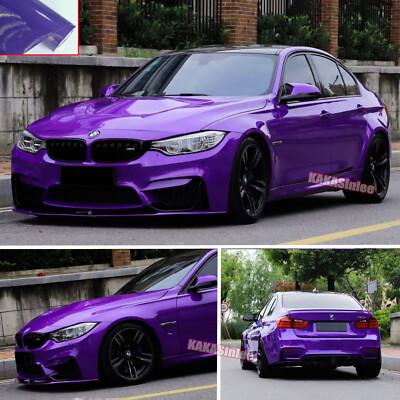
Credit: www.ebay.com
Measuring Your Car
Measuring your car accurately is the first step in wrapping it with vinyl. This helps to know how much vinyl you need. Careful measurement saves money and avoids waste. It also ensures a smooth, professional finish on your car.
Key Areas To Measure
Start by measuring the car’s length from front to back. Measure the width at the widest point, usually the doors or mirrors. Include the height from the bottom to the roof. Don’t forget curved areas like bumpers and the hood. These parts need extra vinyl for proper coverage. Add a few extra centimeters for overlaps and trimming.
Tools Needed For Measurement
Use a tape measure that is at least 5 meters long. A soft measuring tape works best on curves. A notepad or phone app helps record measurements clearly. Use a ladder or step stool for tall vehicles. A helper makes measuring easier and more accurate. Mark areas with chalk or tape to guide your measuring points.
Calculating Vinyl Requirements
Calculating the amount of vinyl needed to wrap a car is important before starting the project. You need the right size to cover the entire vehicle. Too little vinyl means gaps and missed spots. Too much vinyl can lead to waste and extra cost.
Measure carefully and plan your purchase. Knowing the vinyl requirements helps you work smoothly and save money. The process involves two main steps: estimating the square meters and considering overlaps and errors.
Estimating Square Meters
Start by measuring the car’s length, width, and height in meters. Note down the main parts you want to wrap. Calculate the surface area of each part. Add these numbers to find the total square meters needed.
For example, a small car may need around 20 square meters. Larger cars or SUVs require more vinyl. Use simple math: length times width equals area for flat sections. Curved parts may need extra vinyl.
Considering Overlaps And Errors
Allow extra vinyl for overlaps during wrapping. Overlaps help secure the vinyl and avoid gaps. Add at least 10 to 15 percent more vinyl than your total area. This covers mistakes and cutting waste.
Remember, vinyl can stretch but too much can damage the wrap. Buy slightly more than the exact measurement. This gives you room for adjustments and fixes. Planning for errors makes your wrap look professional.
Factors Affecting Vinyl Usage
Several factors affect how much vinyl you need to wrap a car. Knowing these helps plan your project better. Each car is different, and the vinyl amount varies.
Understanding these factors saves money and avoids running out of material mid-wrap.
Car Size And Shape
The car’s size is the main factor in vinyl use. Larger cars need more vinyl. Small cars need less.
The shape also matters. Tall or wide cars use more vinyl than low, narrow ones. SUVs and trucks need more vinyl than compact cars.
Complex Curves And Details
Cars with many curves need extra vinyl. Wrapping curves takes more material to avoid wrinkles.
Details like door handles, mirrors, and trims increase vinyl use. These parts need careful cutting and fitting. Extra vinyl helps cover these tricky spots well.
Buying Vinyl Wrap
Buying vinyl wrap for your car needs some thought. The right amount and quality can make a big difference.
It is important to know how much vinyl you need. Also, where to buy it matters for price and quality.
Choosing The Right Length
Measure your car carefully before buying vinyl. A small car needs less vinyl than a large one.
Usually, 15 to 20 meters of vinyl covers a standard car fully. Add extra length for mistakes or curves.
Remember, better to buy a little more than too little. Running out mid-wrap can cause problems.
Where To Purchase Vinyl
Buy vinyl from trusted stores or online shops. Check reviews to ensure good quality and service.
Local stores let you see and feel the vinyl before buying. Online shops offer more variety and prices.
Compare prices and shipping fees. Sometimes, buying online saves money but costs more in shipping.

Credit: m.made-in-china.com
Tips For Efficient Wrapping
Wrapping a car with vinyl can change its look and protect the paint. Doing it efficiently saves time, money, and effort. Good preparation and avoiding mistakes are key steps.
Preparation Before Wrapping
Clean the car surface well. Dirt or dust can cause bubbles under the vinyl. Use soap and water first. Then dry with a clean cloth.
Remove parts like mirrors, badges, and handles if possible. This helps wrap edges smoothly. Measure the car’s surface to buy the right vinyl amount. Cut the vinyl a bit larger than needed for easy handling.
Avoiding Common Mistakes
Don’t stretch the vinyl too much. It can lose shape or tear. Work slowly and smooth out bubbles with a squeegee. Avoid folding or creasing the vinyl harshly.
Keep the vinyl warm but not too hot. Cold vinyl is stiff, and hot vinyl can become sticky. Use a heat gun carefully to soften the vinyl for curves. Always test on a small area first.
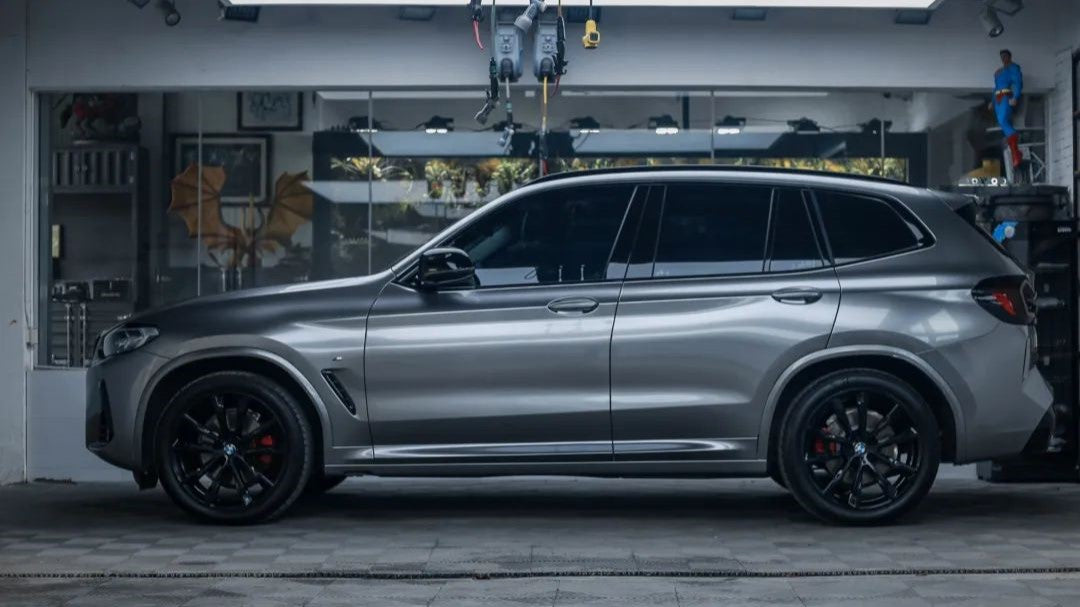
Credit: www.carlawrap.com
Frequently Asked Questions
How Many Meters Of Vinyl To Wrap A Small Car?
Typically, wrapping a small car requires about 15 to 20 meters of vinyl. This amount covers the entire vehicle, including doors and mirrors, with some extra for mistakes or trimming.
What Vinyl Width Is Best For Car Wrapping?
A vinyl width of 1. 52 meters (60 inches) is standard for car wraps. This width allows for efficient coverage and easier handling on vehicle curves and panels.
Can I Use Less Vinyl For Partial Car Wraps?
Yes, partial wraps need less vinyl, usually 5 to 10 meters. The exact amount depends on the area you want to cover, such as the hood or roof.
How To Calculate Vinyl Needed For Larger Vehicles?
For larger vehicles like SUVs or trucks, estimate 25 to 30 meters of vinyl. Measure the vehicle’s length and height, then add extra for overlap and mistakes.
Conclusion
Wrapping a car with vinyl needs careful measurement. Usually, 20 to 30 meters of vinyl works for most cars. Small cars need less, big cars need more. Always add extra for mistakes and curves. Cutting too close can cause problems.
Take your time and measure twice before buying. This saves money and avoids stress. Vinyl wrapping can change your car’s look easily. Knowing how much vinyl to buy helps the project go smoothly. Keep your car’s size and shape in mind.
Then, enjoy your fresh new car style.


