

Are you wondering how much pressure you should use when washing your car? Using too much pressure can damage your paint, while too little might not clean your car properly.
Finding the right balance is key to keeping your car looking shiny and new without causing harm. You’ll discover the perfect pressure settings to get the job done safely and effectively. Keep reading to protect your car and make every wash count!
Ideal Pressure Range
Choosing the right pressure for washing your car is very important. Too much pressure can harm the paint or other parts. Too little pressure may not clean well. The ideal pressure range helps clean effectively and keeps your car safe.
Safe Psi For Car Washing
The best pressure for washing a car is usually between 1200 and 1900 PSI. This range cleans dirt and grime without damaging the paint. Pressures above 2000 PSI can be risky. They might chip paint or cause scratches. Use a nozzle with a wider spray to spread the pressure evenly.
Pressure Limits By Car Surface
Different parts of your car need different pressure levels. The paint and body can handle 1200 to 1900 PSI. Wheels and tires can take higher pressure, about 2000 to 2500 PSI, to remove brake dust. Glass is fragile and should be cleaned with lower pressure, below 1200 PSI. Avoid spraying directly into seals or vents to prevent water damage.
Types Of Pressure Washers
Choosing the right pressure washer is key to washing your car safely. Different types of pressure washers offer different power and control. Knowing these types helps you pick the best one for your needs.
This section explains the main types of pressure washers and their pressure settings. Understanding these will guide you to clean your car without damage.
Electric Vs Gas Models
Electric pressure washers are light and easy to use. They work well for small jobs like washing cars. These models are quieter and need less maintenance. They usually have lower pressure compared to gas models.
Gas pressure washers are more powerful. They suit bigger jobs like cleaning driveways or patios. Gas models are heavier and louder. They also need regular fuel and engine care. For most car washing tasks, electric washers provide enough pressure.
Pressure Settings Explained
Pressure is measured in PSI (pounds per square inch). Low PSI means gentle cleaning. High PSI can remove tough dirt but might harm paint. Car washing usually requires PSI between 1200 and 1900.
Adjustable pressure settings help protect your car’s surface. Start with low pressure and increase if needed. Use a wide spray nozzle to spread water evenly. This reduces the risk of damage while cleaning.
Effects Of High Pressure
Using high pressure to wash your car can cause serious problems. The strong water jets might seem good for cleaning. Yet, they can harm your vehicle’s surface and parts. Understanding these effects helps you protect your car better.
Paint Damage Risks
High pressure can chip or peel the paint on your car. The force may remove wax and clear coat layers. This leaves your paint exposed to scratches and fading. Small cracks can appear, leading to rust over time. The paint needs gentle care to stay smooth and shiny.
Water Intrusion Concerns
Water can push into places it should not reach. High pressure might force water inside doors, mirrors, or the engine bay. This causes electrical problems or rust inside hidden parts. Seals and gaskets can weaken from too much pressure. Proper sealing is important to keep your car safe.

Credit: blocardryer.com
Best Practices For Washing
Washing your car with the right pressure protects its paint and finish. Using too much pressure can damage the surface. Too little pressure may not clean well. Follow these best practices to wash safely and effectively.
Focus on the correct nozzle and distance to get the best results.
Choosing The Right Nozzle
Select a nozzle that controls water pressure well. A 25-degree nozzle offers a good balance of force and coverage. Avoid nozzles with narrow angles like 0 or 15 degrees. They spray too hard and can harm your car’s paint. Wide-angle nozzles help rinse dirt without damage.
Choose nozzles labeled for car washing or gentle cleaning. They keep pressure safe for your vehicle’s surface.
Maintaining Optimal Distance
Hold the spray wand at least 12 to 18 inches from your car. Closer distances increase pressure and risk scratching or peeling paint. Moving the wand too far reduces cleaning power. Keep a steady hand and spray evenly across surfaces.
Adjust distance as needed for stubborn spots, but do not get closer than 12 inches. This method cleans well without harm.
Alternative Cleaning Methods
Washing your car does not always mean using a pressure washer. Alternative cleaning methods can be gentler and effective. These methods help protect your car’s paint and keep it looking fresh.
Many car owners prefer other techniques to avoid damage from high pressure. Choosing the right method depends on your needs and tools available. Below are two popular alternatives that work well for regular car cleaning.
Foam Cannon Benefits
A foam cannon sprays thick foam on your car’s surface. The foam loosens dirt and grime without scrubbing hard. It covers the car evenly, making cleaning easier and safer.
This method reduces the risk of scratches. The foam acts as a lubricant between the dirt and paint. It also saves time by softening dirt before rinsing.
Hand Washing Tips
Hand washing gives you full control over the cleaning process. Use a soft sponge or microfiber cloth to avoid scratches. Always wash from top to bottom to prevent dirt from spreading.
Use two buckets: one for soapy water, one for rinsing the sponge. This keeps dirt away from the car’s surface. Rinse your car well to remove all soap and dirt. Dry with a soft towel to avoid water spots.
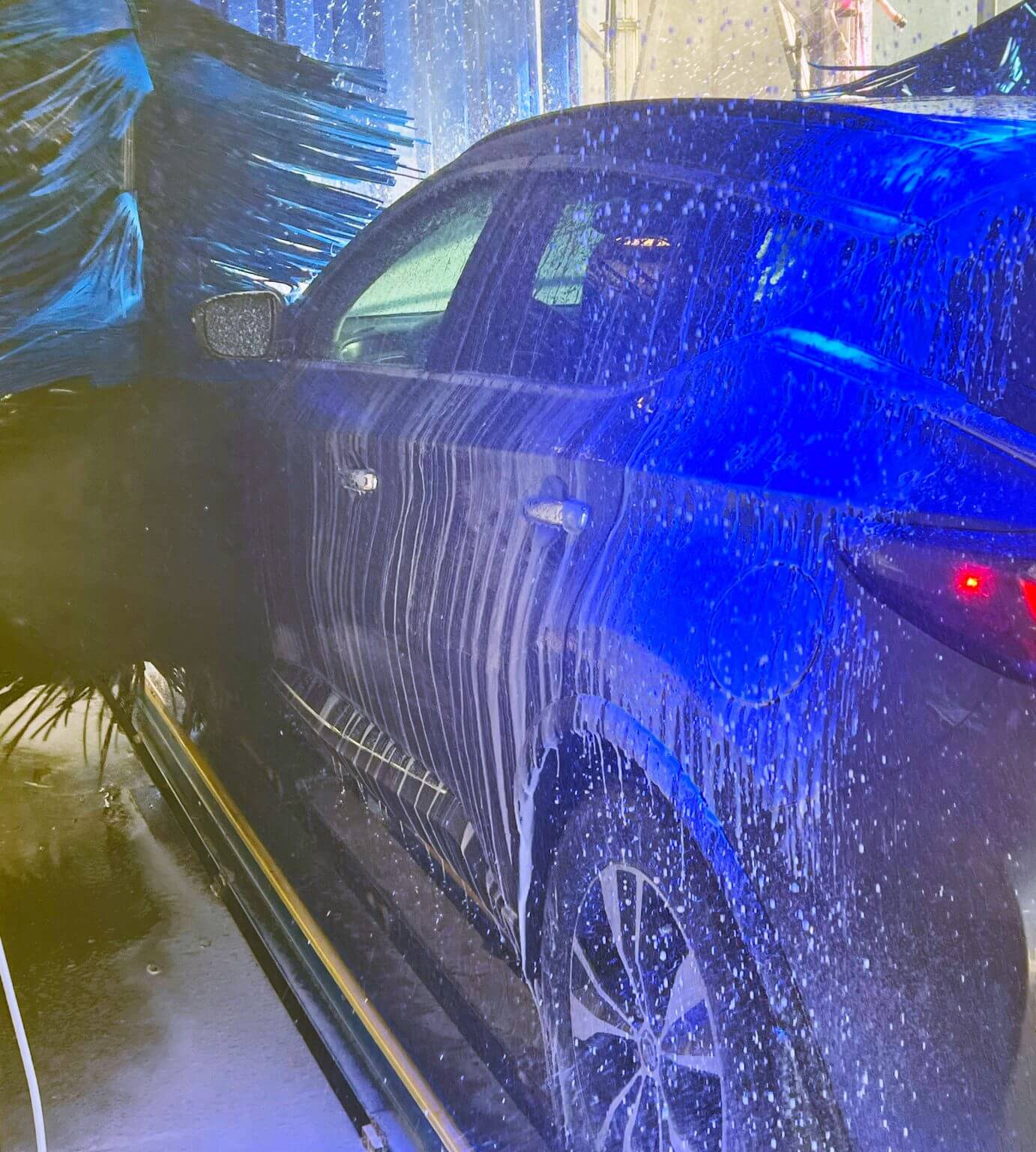
Credit: calibercarwash.com
Troubleshooting Common Issues
Pressure washing a car can sometimes cause problems. Knowing how to fix these problems helps keep your car safe and clean. Common issues include dirt that won’t come off and water spots left behind.
Understanding the right pressure and technique can solve these problems. Use the right tools and methods for the best results.
Removing Stubborn Dirt
Stubborn dirt needs more than just water pressure. Use a pressure between 1200 and 1900 PSI for tough dirt. Keep the nozzle at least 12 inches from the car surface. Spray in a steady, sweeping motion. Avoid holding the spray too close to prevent damage.
Use a car-safe detergent if dirt still won’t come off. Let the detergent sit for a few minutes before rinsing. This softens the dirt and makes it easier to remove.
Avoiding Water Spots
Water spots form when water dries on the car’s surface. Use clean, soft water to reduce minerals that cause spots. Rinse the car quickly and thoroughly after washing. Dry the car with a soft, clean microfiber cloth or chamois. This stops water from drying on the paint and leaving marks.
Try washing your car in the shade. Sunlight can dry water too fast and create spots. Follow these steps to keep your car spotless and shiny.
Maintenance Of Pressure Washer
Maintaining your pressure washer is key to keeping it working well. Regular care helps avoid breakdowns and extends its life. A clean and stored pressure washer works better every time you wash your car.
Regular Cleaning
After each use, rinse the pressure washer with clean water. Remove dirt and debris from the nozzle and hose. Check for clogs and clear them gently. Wipe the machine’s surface to keep it free from dust. Clean filters often to keep water flow strong.
Storage Guidelines
Store the pressure washer in a dry, cool place. Avoid leaving it outside where rain or sun can harm it. Drain all water from the pump and hose before storing. Use a cover to protect it from dust. Keep it away from freezing temperatures to stop damage.
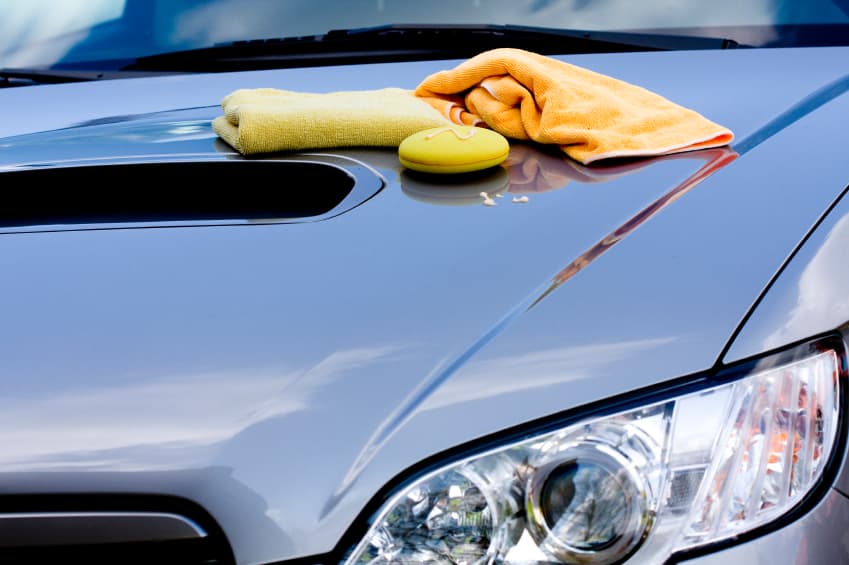
Credit: www.meineke.com
Frequently Asked Questions
What Is The Ideal Pressure For Washing A Car?
The ideal pressure for washing a car is between 1200 and 1900 PSI. This range cleans effectively without damaging paint or seals.
Can High Pressure Damage My Car’s Paint?
Yes, pressure above 2000 PSI can chip paint or cause scratches. Always use moderate pressure to protect your car’s finish.
Should I Use A Pressure Washer Or A Hose?
A pressure washer is more efficient for tough dirt but use it carefully. A hose is gentler for delicate areas.
How Far Should The Nozzle Be From The Car?
Keep the nozzle 12 to 24 inches away from the surface. This distance prevents paint damage while providing effective cleaning.
Conclusion
Choosing the right pressure for washing your car protects its paint. Too high pressure can cause damage and scratches. Too low pressure might not clean well. Aim for a pressure between 1200 and 1900 PSI for most cars. Use a wide spray nozzle to spread water evenly.
Always test on a small area first. This way, your car stays clean without harm. Taking care with pressure saves you time and money. Keep your car looking fresh and shiny for longer. Simple steps make washing safe and effective.


