
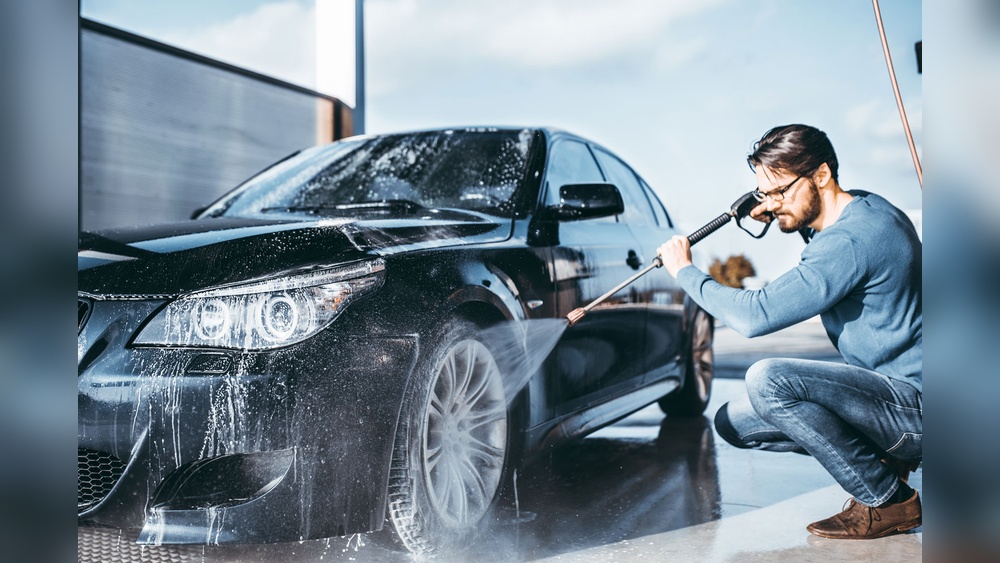
You want your car to look clean and shiny, but did you know using the wrong pressure when washing it can cause damage? If the pressure is too high, it might chip paint or harm delicate parts.
Too low, and your car won’t get truly clean. Finding the right pressure is key to protecting your vehicle while getting it spotless. You’ll discover exactly what pressure to wash your car with and simple tips to keep your ride looking its best every time.
Keep reading to avoid costly mistakes and make your car wash safe and effective!
Ideal Pressure Levels
Knowing the ideal pressure levels helps protect your car’s paint and parts. Using the right pressure cleans effectively without causing damage. Pressure that is too high can chip paint or harm trim. Low pressure may not remove dirt well. Finding the right balance is key to a safe, clean wash.
Recommended Psi Range
Most cars clean well between 1200 and 1900 PSI. This range removes dirt and grime without hurting the paint. Pressure washers with 1300 to 1600 PSI work best for general washing. Avoid settings above 2000 PSI for car surfaces. High PSI can strip wax and damage clear coats.
Pressure Settings For Different Car Surfaces
Painted surfaces need gentle pressure, around 1200 to 1500 PSI. Tires and wheels tolerate higher pressure, up to 1900 PSI. Use low pressure on decals, stickers, and trim to prevent peeling. Glass surfaces clean well at medium pressure, about 1500 PSI. Adjust pressure based on the part of the car you wash.
Credit: www.turtlewax.com
Types Of Pressure Washers
Choosing the right pressure washer is key to washing your car effectively. Different types of pressure washers offer unique benefits and suit various needs. Understanding these types helps you pick the best one for car cleaning.
Electric Vs Gas Pressure Washers
Electric pressure washers are quiet and easy to use. They need less maintenance and are lighter. These washers work well for light to medium cleaning tasks. Gas pressure washers are powerful and great for tough jobs. They can handle heavy dirt and grime on cars. Gas models are louder and need more care. Choose electric for convenience and gas for strong cleaning power.
Portable Vs Stationary Models
Portable pressure washers are small and easy to move. They fit well in small spaces and are good for quick jobs. Stationary models are bigger and often fixed in one spot. They provide steady water pressure and are good for frequent use. Portable washers suit home car washing. Stationary models work better in car shops or garages.
Nozzle Selection
Selecting the right nozzle is key to washing your car safely. The nozzle controls water pressure and spray pattern. Too strong can damage paint. Too weak may not clean well. Understanding nozzle types helps you pick the best for your car.
Proper nozzle use protects your vehicle’s finish. It also saves water and effort. Let’s explore common nozzle types and how to choose one for your car wash.
Common Nozzle Types
Nozzles come in several shapes and sizes. Each creates a different water spray pattern. The 0-degree nozzle delivers a strong, narrow jet. It can remove tough dirt but risks paint damage. The 15-degree nozzle spreads water in a wider fan. It offers good cleaning power with less force. The 25-degree nozzle creates a gentle spray. It is safer for delicate surfaces. The 40-degree nozzle produces the widest, softest spray. It works well for rinsing and light cleaning. Some nozzles have adjustable settings for flexibility.
Choosing The Right Nozzle For Cars
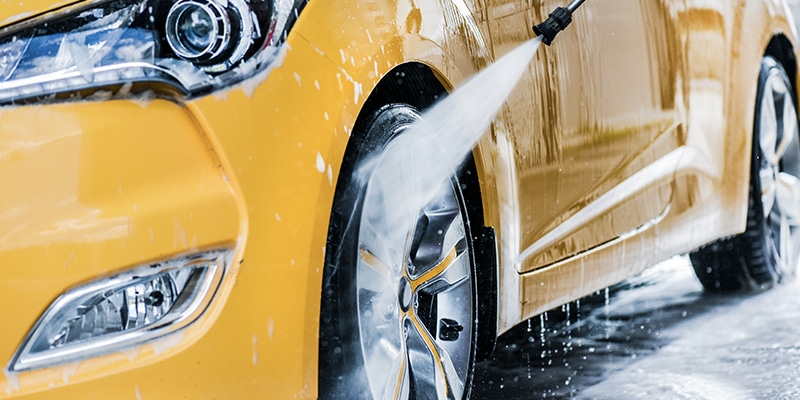
Pick a nozzle that balances cleaning and safety. Avoid the 0-degree nozzle on car paint. It is too harsh and can cause scratches. A 25-degree or 40-degree nozzle is better. These nozzles clean without harming the finish. Use a 15-degree nozzle only for very dirty spots. Keep the nozzle at least 6-12 inches from the car. This distance reduces pressure impact. Always test on a small area before full washing. Proper nozzle choice ensures a clean, safe car wash.
Credit: washh.com
Safety Tips For Pressure Washing
Pressure washing a car can clean it fast and well. It removes dirt and grime that regular washing might miss. Safety is very important to avoid damage to your car and yourself. Follow these tips to keep the process safe and effective.
Protecting Car Paint
Use low pressure settings to protect the paint. High pressure can chip or scratch the surface easily. Keep the nozzle at least 12 inches away from the car. Spray at a slight angle, not straight on. Avoid using harsh chemicals that can harm the paint. Test the pressure on a small area first to see the effect.
Avoiding Water Damage
Do not spray water directly into door seals or engine parts. Water can cause rust and electrical problems. Keep windows and doors closed tightly. Avoid high pressure near sensitive areas like mirrors and lights. Dry the car quickly after washing to stop water spots. Use a soft cloth or microfiber towel for drying.
Personal Safety Precautions
Wear safety goggles to protect your eyes from flying debris. Use gloves to protect your hands from high-pressure water. Keep your feet on a stable surface to avoid slipping. Do not point the pressure washer at people or pets. Read the pressure washer manual before starting. Always turn off the machine when adjusting or moving it.
Step-by-step Washing Process
Washing your car with a pressure washer requires care and the right steps. Follow the process below for a clean, shiny car without damage. The key is to prepare well, adjust the machine correctly, and wash smartly.
Preparing The Car
Start by rinsing the car with plain water. This removes loose dirt and dust. Close all windows and doors tightly. Check for any areas with chipped paint or damage. Cover delicate parts like mirrors and lights with plastic wrap if needed. Use a car-safe soap for the best results.
Adjusting The Pressure Washer
Set the pressure washer to a low setting first, around 1200 to 1900 PSI. This range is safe for most car surfaces. Attach a wide spray nozzle. Avoid narrow, high-pressure nozzles as they can hurt the paint. Test the pressure on a small spot before starting the full wash.
Effective Washing Techniques
Keep the spray nozzle at least 12 inches from the car’s surface. Spray from top to bottom for better cleaning. Use smooth, even motions across the panels. Avoid holding the spray in one spot for too long. Rinse soap off thoroughly to prevent streaks. Dry the car with a soft microfiber cloth to finish.
Common Mistakes To Avoid
Washing your car with the right pressure is important. Many people make simple mistakes that can harm their car’s paint or waste water. Avoiding these errors helps keep your car clean and safe.
Using Too High Pressure
High pressure can damage your car’s paint and trim. It may cause scratches or peel off the clear coat. Use a pressure setting that is safe for cars, usually under 2000 PSI. Start with low pressure and increase only if needed.
Ignoring Distance And Angle
Holding the nozzle too close can harm the paint. Keep the spray about 12 to 18 inches away. Spray at a slight angle, not straight on. This reduces the force on the surface and cleans better without damage.
Skipping Pre-rinse
Pre-rinsing removes loose dirt and grime first. Skipping this step can cause dirt to scratch the paint during washing. A quick rinse softens the dirt and makes washing safer and easier.
Alternative Cleaning Methods
Pressure washing is a common way to clean a car. Still, some prefer gentler methods. Alternative cleaning methods protect the paint and prevent damage. These methods work well for regular car care. They also save water and reduce risk.
Hand Washing Benefits
Hand washing is simple and gentle on your car. You control the pressure and avoid scratches. Using soft cloths or sponges helps keep the paint safe. Hand washing also cleans hard-to-reach spots. It allows careful attention to delicate areas.
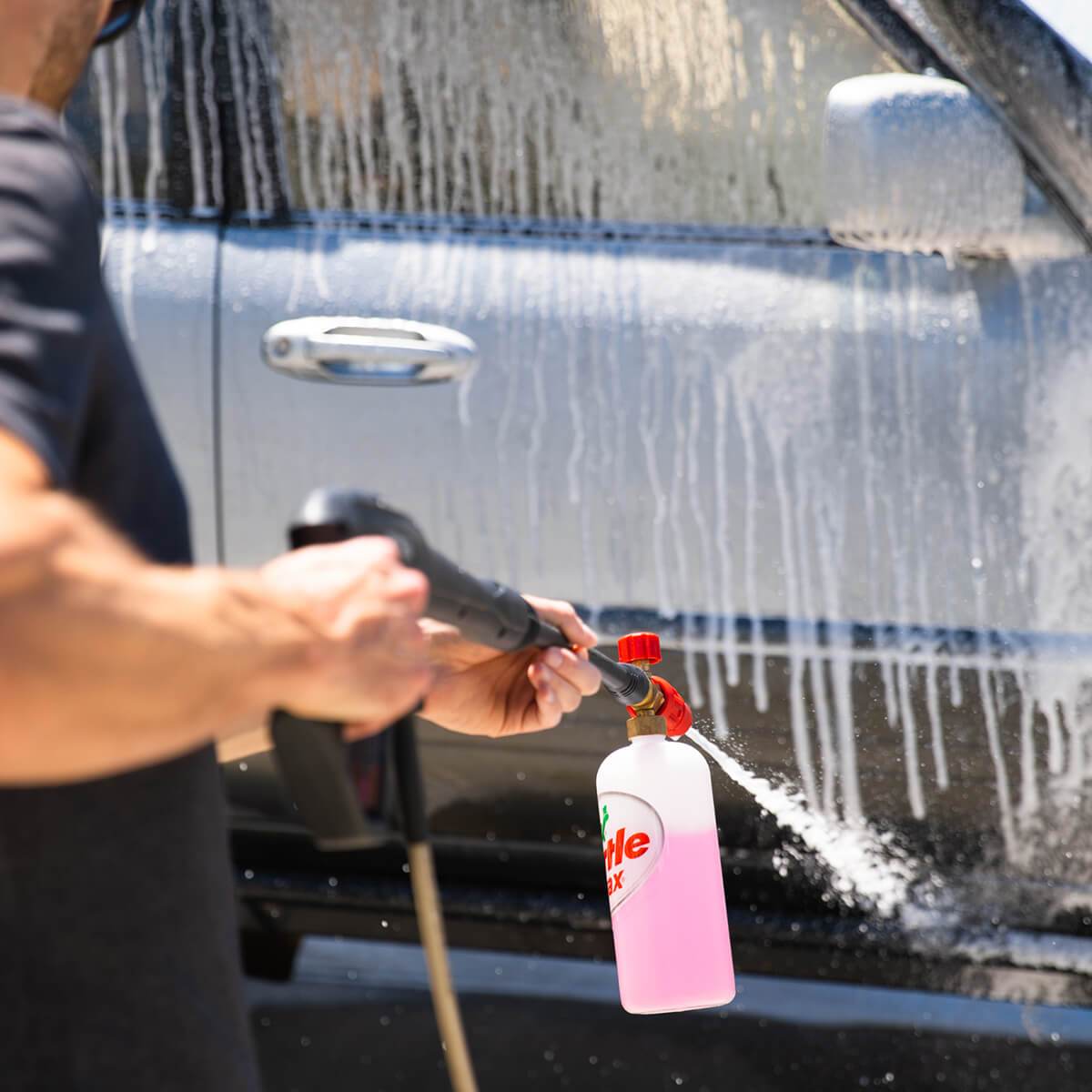
Foam Cannon Usage
A foam cannon sprays thick foam on the car. The foam loosens dirt and grime without scrubbing. This method reduces the chance of scratches. Foam cannons save time and water. They are great for a quick, safe wash.
Waterless Car Wash Options
Waterless car wash products clean without rinsing. They use special chemicals to lift dirt. This method suits places with water limits. Waterless washing is fast and convenient. It keeps your car shiny without water waste.
Maintenance Of Pressure Washer
Keeping your pressure washer in good shape helps it last longer and work better. Regular maintenance stops problems before they start. It also keeps your car washing safe and effective. Simple care steps make a big difference in the machine’s life.
Understanding how to clean and store your pressure washer is key. Checking parts often catches small issues early. These habits save money and time on repairs. Let’s look at easy ways to maintain your pressure washer.
Cleaning And Storage
After each use, rinse the pressure washer with clean water. Remove dirt from the nozzle and hose. Wipe down the machine’s body to prevent rust. Drain leftover water to stop freezing in cold weather.
Store the pressure washer in a dry place. Keep it covered to avoid dust buildup. Avoid leaving it in direct sunlight or damp areas. Proper storage protects the motor and pump from damage.
Regular Inspection Tips
Check hoses for cracks or leaks before every use. Inspect the nozzle for clogs or wear. Look at the pump oil level and refill if needed. Tighten loose bolts and screws to avoid breakdowns.
Listen for unusual sounds during operation. Strange noises can signal mechanical issues. Test the pressure to ensure it stays consistent. Early detection of problems keeps your washer running smoothly.
Credit: www.pandahub.com
Frequently Asked Questions
What Pressure Is Safe For Washing A Car?
A pressure between 1200 to 1900 PSI is safe for car washing. It effectively removes dirt without damaging paint or decals. Always use a wide spray nozzle to distribute pressure evenly and avoid concentrated force on sensitive areas.
Can High Pressure Damage My Car’s Paint?
Yes, high pressure above 2000 PSI can chip or scratch car paint. It may also force water into seals and electrical parts. Use moderate pressure and maintain a safe distance to protect your car’s finish during washing.
What Nozzle Type Is Best For Car Washing Pressure?
A 25-degree or 40-degree nozzle is best for car washing. It provides a wide spray pattern that reduces pressure intensity. This helps clean your car gently while preventing paint damage and water intrusion in sensitive areas.
How Far Should The Pressure Washer Be From The Car?
Keep the pressure washer nozzle at least 12 to 18 inches from the car surface. This distance minimizes paint damage while still effectively removing dirt. Adjust distance based on pressure settings and car surface sensitivity.
Conclusion
Choosing the right pressure for washing your car keeps it safe and clean. Use gentle pressure for delicate parts and stronger for tough dirt. Too much pressure can harm your paint or trim. Always test on a small area first.
Clean your car regularly to keep it shiny and fresh. Proper care helps your car look great longer. Simple steps make a big difference in washing your car well.


