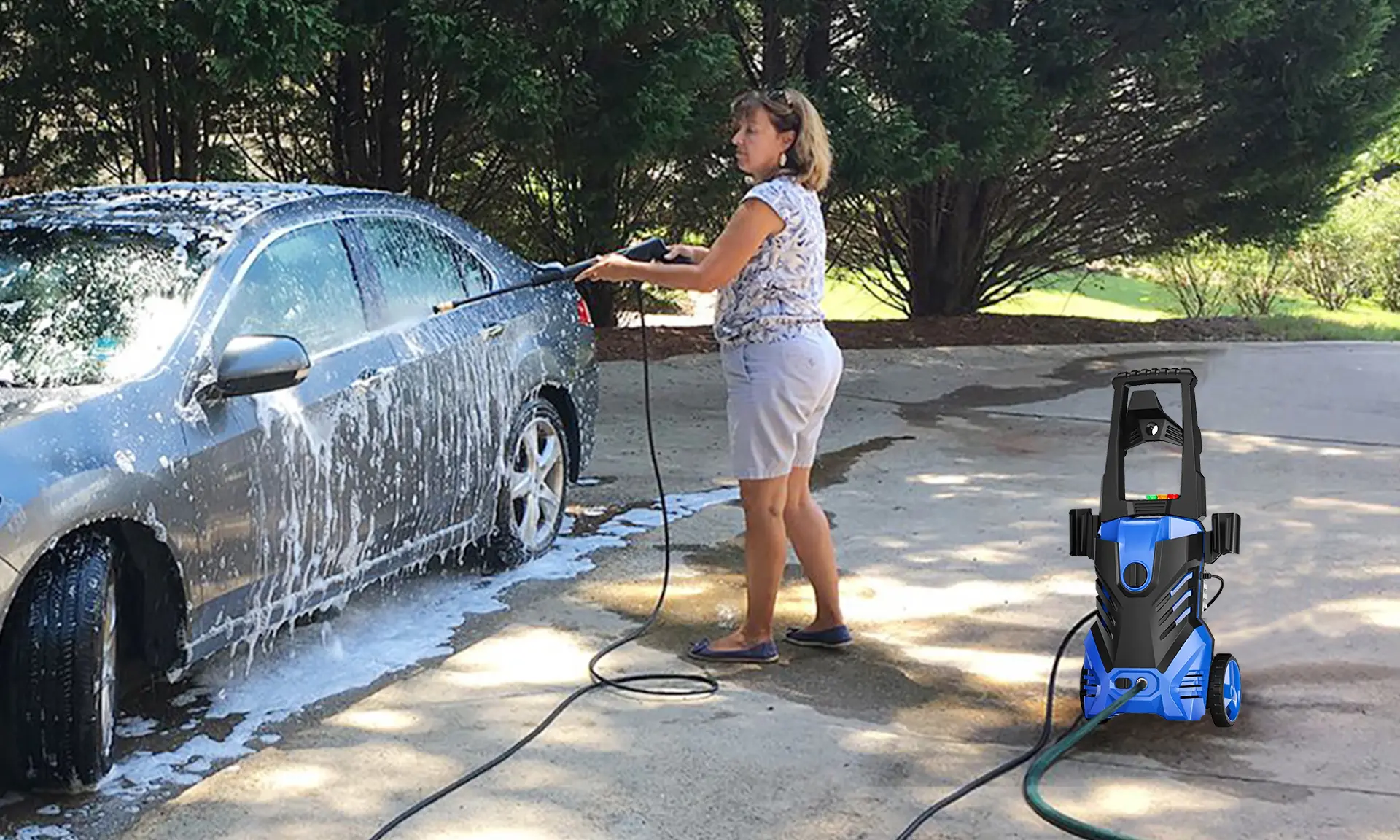
Are you wondering what PSI pressure washer is just right for washing your car? Choosing the wrong pressure can damage your paint or leave dirt behind.
But don’t worry—finding the perfect balance is easier than you think. You’ll discover exactly how much pressure you need to get your car sparkling clean without any risk. Keep reading to learn the simple tips that will protect your vehicle and make washing it a breeze.
Car Washing Basics
Washing your car is more than just a chore. It keeps the paint fresh and protects the body. Knowing the basics helps you choose the right tools. A pressure washer is one of the best tools for cleaning cars fast and well.
Why Pressure Washing Helps
Pressure washing removes dirt and grime quickly. It cleans hard-to-reach spots like wheel wells and undercarriage. The strong water spray lifts away mud and bugs. This saves time compared to hand washing. It also uses less water, which is better for the environment.
Risks Of High Pressure On Cars
Too much pressure can damage your car’s paint. It may cause scratches or peel off the clear coat. High pressure can also harm delicate parts like mirrors and trim. Using the wrong nozzle or close spray can create dents. Always choose a pressure washer with the right PSI for cars to avoid damage.
Credit: pressurewashr.com
Psi Ratings Explained
Understanding PSI ratings helps you pick the right pressure washer for your car. PSI stands for pounds per square inch. It shows the pressure the washer can produce. The right PSI cleans your car well without damage.
What Psi Means
PSI measures water pressure from the washer. Higher PSI means stronger water force. This force removes dirt, mud, and grime. Too much pressure can harm your car’s paint. Too little pressure may not clean properly.
Common Psi Ranges For Cars
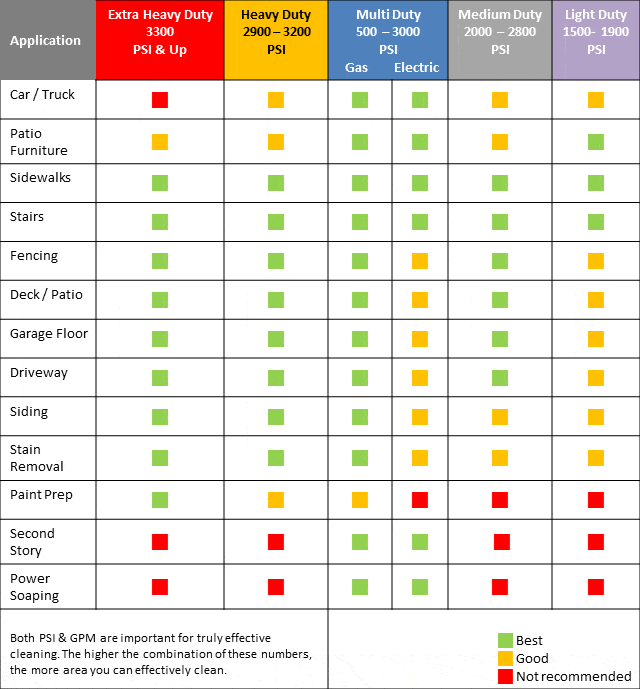
Most cars need a pressure washer between 1200 and 1900 PSI. This range cleans dirt without hurting the surface. For light cleaning, 1200 PSI works well. For tougher stains, use up to 1900 PSI. Avoid washers over 2000 PSI on cars. They can cause paint damage.
Choosing The Right Psi
Choosing the right PSI for your pressure washer is key to safe and effective car cleaning. PSI stands for pounds per square inch. It measures the water pressure from the washer. Too low pressure might not clean well. Too high pressure can damage your car’s paint. Finding the right balance keeps your car clean and safe.
Consider your car’s condition and dirt level. Use a pressure washer with the right PSI to remove dirt without harm. Different PSI levels serve different needs. Below are common PSI options for car washing.
Low Psi Options
Low PSI washers usually range between 1200 and 1600 PSI. They are gentle on car paint and safe for regular use. These washers work well for light dirt and dust. Ideal for routine cleaning or delicate surfaces. Low PSI reduces the risk of paint damage or scratches. Perfect for everyday car care.
Medium Psi Choices
Medium PSI washers offer between 1600 and 1900 PSI. They provide stronger cleaning power. Good for removing stubborn dirt, mud, and grime. Safe for most car surfaces if used carefully. Medium PSI models balance cleaning strength and paint safety. A common choice for regular car washing tasks.
High Psi Considerations
High PSI washers deliver over 1900 PSI. They clean tough stains and heavy dirt quickly. Not recommended for regular car washing. High pressure can chip paint or damage trim. Use only on very dirty cars or specific spots. Always keep the nozzle at a safe distance. High PSI washers suit professional use or deep cleaning.
Credit: www.eveagetool.com
Other Important Factors
Choosing the right PSI for a car pressure washer is important. Still, other factors also matter. These factors help clean your car safely and well. Knowing them helps pick the best pressure washer for your needs.
Gpm And Cleaning Power
GPM means gallons per minute. It shows how much water flows out. More GPM means better cleaning power. A higher GPM rinses dirt faster. For cars, a moderate GPM works well. Too much water can waste energy and make cleaning hard.
Nozzle Types And Spray Angles
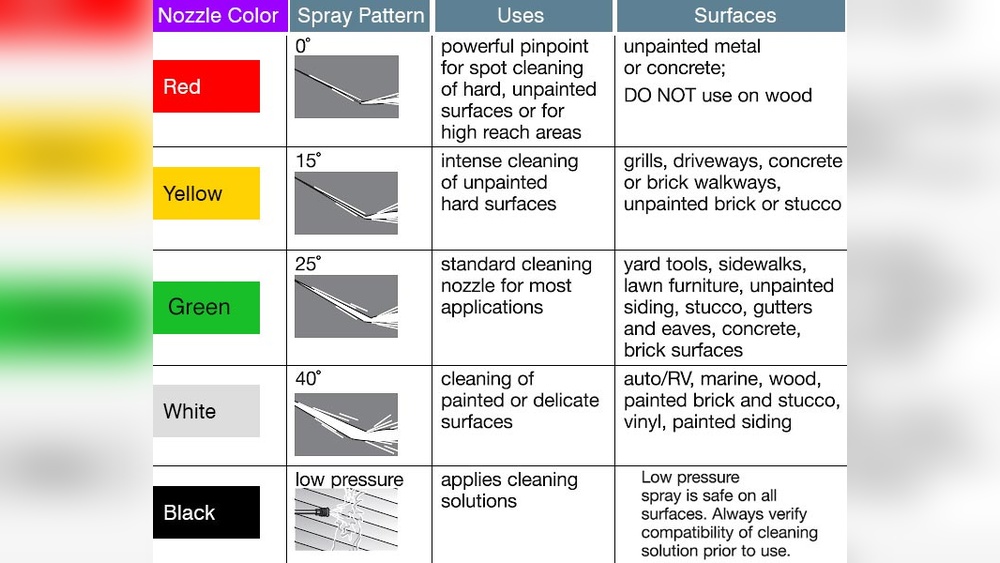
Nozzles control the water spray shape and strength. Different nozzles serve different jobs. Wide angles cover more area softly. Narrow angles hit dirt hard but may damage paint. A 25-degree nozzle suits most car cleaning. Use the right nozzle for safe washing.
Detergent Compatibility
Some pressure washers use soap or detergent. Check if your washer works with cleaning solutions. Detergents help remove grease and grime better. Use car-safe detergents to protect paint. Detergent compatibility adds cleaning power without damage.
Tips For Safe Car Washing
Washing your car with a pressure washer can save time and effort. But safety is key to avoid damage. Follow these tips to protect your car’s paint and finish. Keep your car looking great after every wash.
Maintaining Distance
Keep the pressure washer nozzle at least 12 inches from the car surface. Too close can chip paint or cause dents. Move the spray steadily to avoid focusing on one spot. Maintain a steady distance for even cleaning.
Avoiding Damage To Paint
Use a pressure washer with a PSI between 1200 and 1900 for cars. Higher pressure can harm the paint and clear coat. Avoid harsh detergents or chemicals that can strip paint. Test on a small area before full washing.
Proper Washing Techniques
Start from the top and work downwards to prevent dirt from spreading. Use a wide spray pattern to cover more surface gently. Rinse thoroughly to remove all soap and dirt. Dry the car with a soft cloth to avoid water spots.

Credit: www.turtlewax.com
Recommended Pressure Washers
Choosing the right pressure washer is key to cleaning your car safely. The pressure level matters. Too high can damage paint. Too low may not clean well. This section shows good options for different budgets and needs.
Budget-friendly Models
Low-cost pressure washers usually offer 1200 to 1500 PSI. They work well for light dirt and dust. These models are easy to handle and save water. They suit small cars and occasional use. Look for features like adjustable nozzles and soap dispensers.
Mid-range Options
Mid-range washers deliver 1600 to 2000 PSI. They clean tougher stains like mud and bird droppings. These models balance power and safety for car paint. They often have better build quality and longer hoses. Ideal for regular car washing and small trucks.
Premium Choices
Premium pressure washers reach 2100 to 2300 PSI or more. They remove stubborn grime quickly. These units include advanced features like variable pressure control. They provide excellent cleaning without harming surfaces. Best for frequent use or larger vehicles.
Frequently Asked Questions
What Psi Pressure Washer Is Best For Cars?
A pressure washer with 1200 to 1900 PSI is ideal. It cleans effectively without damaging the paint. Higher PSI may harm your car’s finish.
Can High Psi Damage My Car’s Paint?
Yes, PSI above 2000 can strip paint and cause dents. Use moderate PSI settings to protect your car’s surface while cleaning.
Do I Need A Specific Nozzle For Washing Cars?
Yes, a 25-degree or 40-degree nozzle is best. It provides wide spray, gentle enough to clean without damage.
How Does Psi Affect Car Washing Efficiency?
Higher PSI removes dirt faster but risks paint damage. Moderate PSI balances cleaning power and surface safety for best results.
Conclusion
Choosing the right PSI for washing your car matters a lot. Too high can damage paint; too low may not clean well. A pressure washer with 1200 to 1900 PSI works best for most cars. It cleans dirt and grime without causing harm.
Remember to use the right nozzle and keep a safe distance. This keeps your car shiny and safe. A good pressure washer saves time and effort while protecting your vehicle. Simple steps, great results.