

Have you ever wondered how long a vinyl wrap can protect and transform your vehicle? Whether you’re thinking about giving your car a fresh new look or shielding its original paint, knowing the lifespan of a vinyl wrap is key to making the right decision.
You want your investment to last, look great, and keep your vehicle turning heads for years to come. You’ll discover exactly how long a vinyl wrap lasts, what factors affect its durability, and how you can make your wrap stay vibrant longer.
Keep reading to get all the answers you need before wrapping up your ride!
Credit: theartworks.com
Vinyl Wrap Lifespan Basics
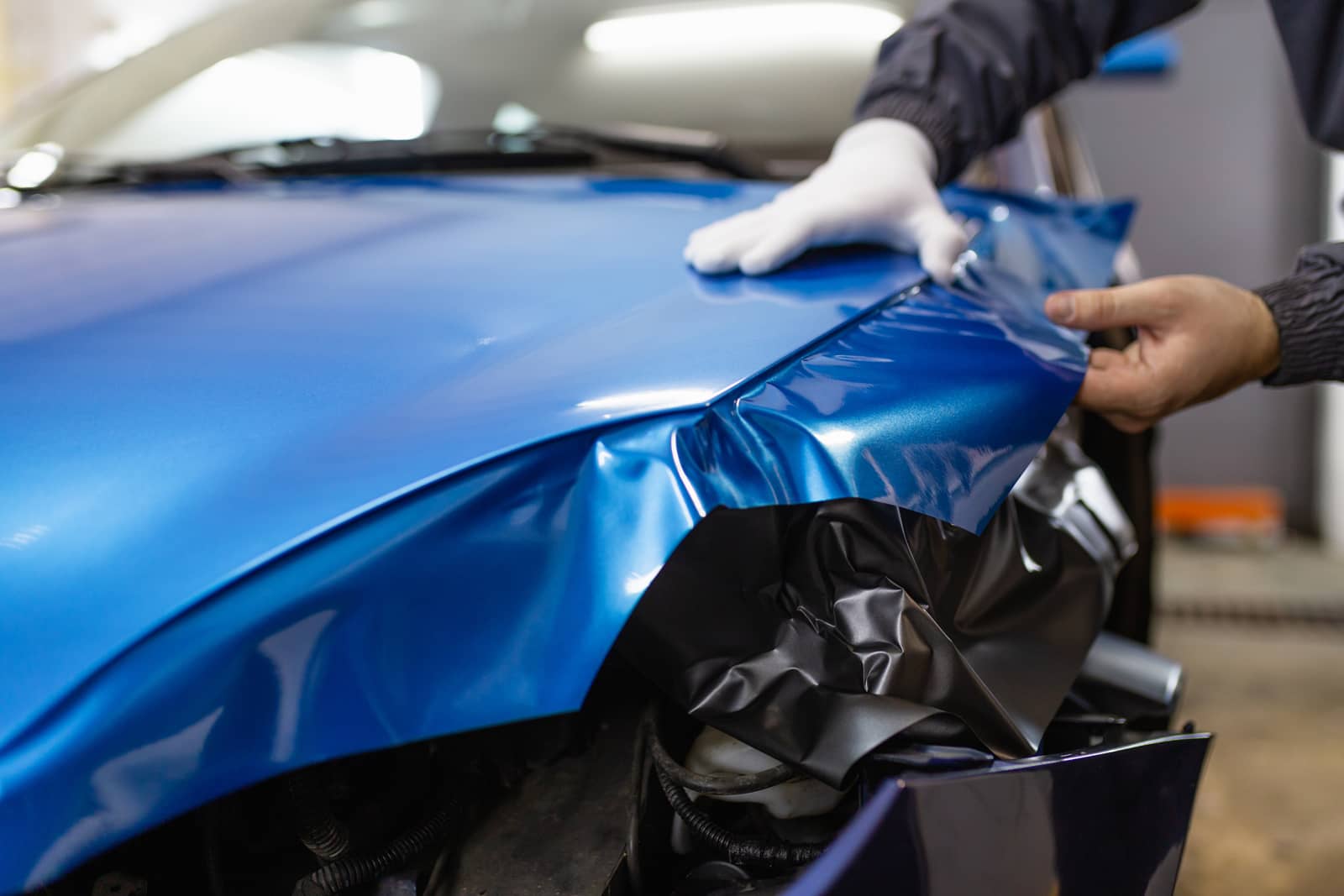
Understanding the lifespan of a vinyl wrap is important before choosing it for your vehicle. Vinyl wraps protect your car’s paint and change its look. Knowing how long these wraps last helps you plan your investment and care for your vehicle properly.
Several factors affect the durability of a vinyl wrap. Quality of the material, installation process, and how you maintain the wrap all play a role. The environment also impacts how long the wrap stays in good condition.
Typical Duration Of Vinyl Wraps
Most vinyl wraps last between 5 to 7 years. Some high-quality wraps can last up to 10 years. The lifespan depends on the type of vinyl used and the conditions the vehicle faces daily.
Matte and gloss finishes may differ slightly in durability. Proper installation helps prevent peeling and bubbling. Regular cleaning also extends the life of the wrap.
Factors Influencing Longevity
Sun exposure breaks down vinyl faster. UV rays cause fading and cracking over time. Parking in the shade or garage helps protect the wrap.
Weather conditions like rain, snow, and extreme heat affect the wrap. Harsh environments wear down the vinyl quicker.
Cleaning methods matter. Use mild soap and soft cloths. Avoid harsh chemicals and high-pressure washers that can damage the wrap.
Proper installation by experts ensures the wrap sticks well. Poor installation leads to bubbles and edges lifting, reducing lifespan.
Material Quality And Its Impact
The quality of vinyl wrap material greatly affects how long it lasts on a vehicle. Low-quality vinyl may fade, peel, or crack in a short time. High-quality vinyl holds up better against sun, rain, and washing. Knowing the types of vinyl films helps you choose the right one. The difference between premium and standard wraps also matters for durability. Understanding these points can save money and keep your vehicle looking good longer.
Types Of Vinyl Films
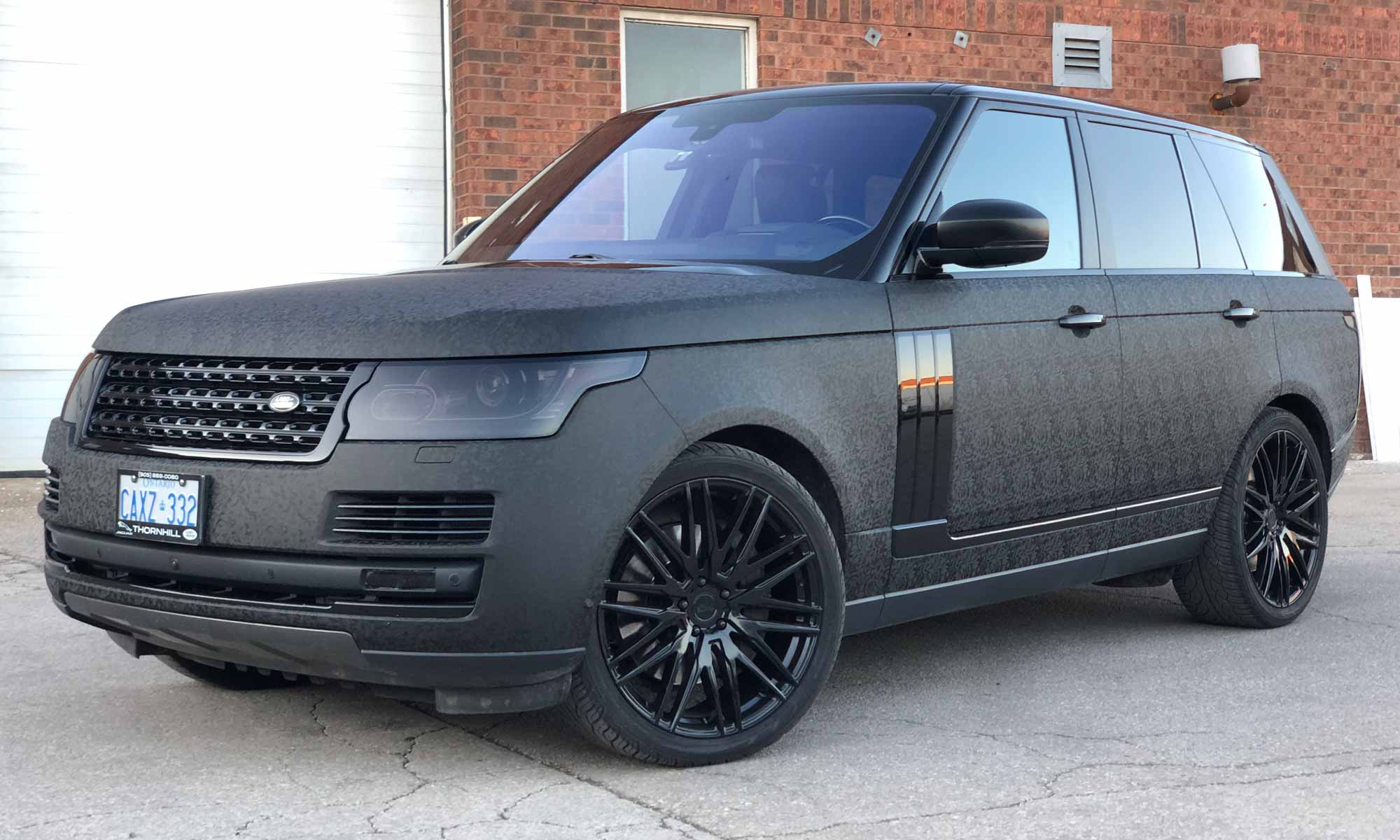
Vinyl films come in several types, each made for different uses. Cast vinyl is thin and flexible. It molds easily to curves and lasts longer. Calendered vinyl is thicker and less flexible. It suits flat surfaces but may not last as long. There are also specialty films like textured or metallic finishes. Choosing the right type depends on your vehicle’s shape and desired look.
Premium Vs Standard Wraps
Premium wraps use higher-grade vinyl with better adhesives. They resist fading and cracking for 5 to 7 years. Standard wraps use cheaper materials and last about 3 years. Premium wraps also keep their color and gloss longer. They cost more but save money over time by lasting longer. Standard wraps might suit short-term needs or tight budgets. Pick the wrap that matches your needs and budget for best results.
Installation And Durability
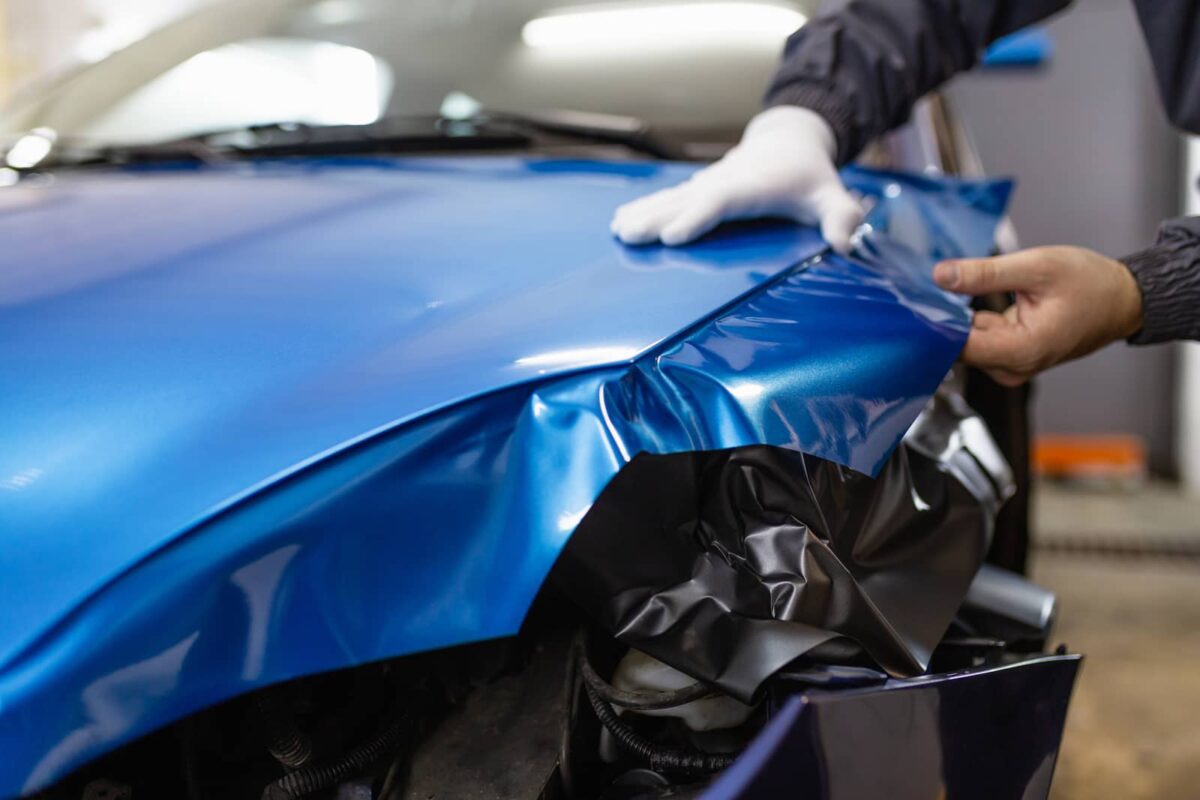
Installing a vinyl wrap on a vehicle affects its lifespan and look. The way the wrap is applied plays a big role in how long it lasts. A strong, smooth installation keeps the wrap safe from damage and wear. Durability depends on many factors, including the quality of work and surface prep.
Good installation protects the vinyl from cracking, peeling, or fading. It also helps the wrap stay tight and smooth for years. Poor installation causes bubbles, wrinkles, and early damage. Understanding installation and durability helps you care for your wrap better.
Professional Vs Diy Application
Professionals have tools and skills for perfect vinyl wrap application. They clean, heat, and stretch the vinyl correctly on all surfaces. This stops air bubbles and wrinkles. DIY methods may miss these details, causing weak spots and early peeling. Pros also work faster and fix problems on the spot. Choosing professional service often means a longer-lasting wrap.
DIY wrapping can save money but needs patience and practice. Mistakes during DIY can reduce the wrap’s lifespan. Simple errors like poor alignment or not heating the vinyl enough cause damage. For best durability, weigh the cost and skill before deciding.
Surface Preparation Importance
Surface prep is key to vinyl wrap strength. The vehicle must be clean, dry, and free of grease or dust. Dirt or oil stops vinyl from sticking well. Sanding rough spots or fixing scratches helps the wrap lay flat. Without good prep, vinyl may lift or peel quickly.
Proper surface preparation improves vinyl adhesion and prevents bubbles. It also protects the vehicle’s paint underneath. Taking time to prep the surface pays off in a longer wrap life and better look.
Environmental Effects On Vinyl Wraps
Environmental factors play a big role in how long a vinyl wrap lasts on a vehicle. The outside world is tough on wraps. Sun, rain, and changing weather all affect the wrap’s look and strength. Knowing these effects helps you care for your wrap better. It also sets clear expectations for its life span.
Sun Exposure And Uv Damage
Sunlight is one of the main enemies of vinyl wraps. The sun’s UV rays break down the wrap’s colors and materials. Over time, this causes fading and brittleness. Bright colors lose their vibrancy faster under strong sunlight. UV damage can also make the wrap peel or crack.
Parking in shaded areas or garages can slow this damage. Some wraps come with UV-resistant coatings. These coatings help protect the wrap but do not stop damage completely. The more sun exposure, the shorter the wrap’s lifespan tends to be.
Weather Conditions And Climate Impact
Weather affects vinyl wraps in many ways. Rain, snow, and humidity can weaken the adhesive that holds the wrap on the vehicle. Moisture can seep under the edges, causing bubbles or lifting. Cold temperatures make vinyl stiff and brittle, increasing the chance of cracks.
Hot weather can soften the vinyl and cause it to stretch or warp. Dust, dirt, and road salt also wear down the wrap’s surface. Areas with extreme weather changes often see shorter wrap lifespans. Regular cleaning and maintenance help protect the wrap from weather damage.
Maintenance Tips For Longer Life
Taking care of a vinyl wrap helps it last longer and look better. Simple steps can protect the wrap from damage and fading. Regular care keeps the wrap fresh and vibrant for years. Here are some easy maintenance tips to extend the life of your vinyl wrap.
Cleaning Techniques
Clean the vinyl wrap regularly using mild soap and water. Use a soft cloth or sponge to avoid scratches. Avoid harsh chemicals or abrasive cleaners, as they can damage the wrap. Rinse the vehicle well to remove all soap residues. Dry the wrap gently with a microfiber towel to prevent water spots. Washing the wrap often stops dirt buildup and keeps colors bright.
Avoiding Damage And Wear
Park in shaded or covered areas to protect the wrap from sun damage. Avoid parking under trees that drop sap or bird droppings. Use a car cover if you cannot find shade. Do not use pressure washers too close or with high pressure. Avoid scrubbing the wrap hard or with rough brushes. Fix small damages quickly to stop peeling or cracking.
Credit: theartworks.com
Signs Your Vinyl Wrap Needs Replacement
Vinyl wraps protect and style your vehicle for years. They look fresh and keep your car unique. Over time, wear and tear can show. Recognizing the signs early helps keep your vehicle in top shape. Some issues mean it is time to replace the wrap. Watch for clear signs that the wrap is losing its quality.
Peeling And Bubbling
Peeling edges are a major sign of vinyl wrap damage. The wrap starts to lift from the surface. Small bubbles may appear under the vinyl. These bubbles trap air or moisture. They cause the wrap to look old and worn. Peeling and bubbling reduce the protection of the wrap. They can lead to bigger damage if ignored. Pay attention if you see these signs.
Fading And Discoloration
Sunlight and weather affect the wrap’s color over time. The vibrant colors may fade or look dull. Discoloration makes the vehicle look older and less cared for. Bright colors might change to a pale shade. Dark wraps may lose their shine. Fading also shows that the vinyl is breaking down. Replace the wrap to keep your vehicle looking fresh.
Comparing Vinyl Wraps To Paint Protection
Comparing vinyl wraps to paint protection offers insight into how each option safeguards a vehicle’s look. Both methods serve to protect but do so in different ways. Understanding their differences helps in choosing the best fit for your car’s needs.
Cost And Durability Differences
Vinyl wraps usually cost less than paint protection films. The price depends on the size and complexity of the wrap. Paint protection films tend to be more expensive due to advanced materials. Vinyl wraps can last between 3 to 7 years with care. Paint protection films often last longer, sometimes up to 10 years.
Vinyl wraps protect against minor scratches and sun damage. Paint protection films guard better against chips and harsh impacts. Both require maintenance, but paint protection films need less frequent care.
Aesthetic And Functional Benefits
Vinyl wraps offer a wide range of colors and designs. They allow quick changes to a vehicle’s appearance. Paint protection films are mostly clear, preserving the original paint look. They do not alter the car’s color or texture.
Vinyl wraps can hide old paint flaws and customize style. Paint protection films focus on maintaining the paint’s condition. Both improve vehicle resale value by protecting the exterior.
Credit: www.outpacer.ca
Frequently Asked Questions
How Long Does A Vinyl Wrap Last On A Car?
A vinyl wrap typically lasts between 5 to 7 years. Its lifespan depends on quality, installation, and maintenance. Proper care, like regular cleaning and avoiding harsh conditions, extends its durability and keeps the wrap looking fresh and vibrant for longer.
What Affects The Lifespan Of A Vehicle Vinyl Wrap?
Factors affecting vinyl wrap lifespan include UV exposure, climate, and washing methods. Poor installation and low-quality materials also reduce durability. Regular maintenance and parking in shaded areas help protect the wrap and prolong its life.
Can I Extend My Vinyl Wrap’s Durability?
Yes, you can extend a vinyl wrap’s life by cleaning it gently with mild soap. Avoid abrasive tools and harsh chemicals. Parking in shaded or covered areas also reduces sun damage, helping maintain the wrap’s color and adhesion longer.
Does The Type Of Vinyl Affect Wrap Longevity?
Yes, premium cast vinyl lasts longer than cheaper calendared vinyl. Cast vinyl offers better flexibility and resistance to fading. Choosing high-quality vinyl ensures a durable wrap that can withstand weather and wear for many years.
Conclusion
Vinyl wraps can last several years with proper care. Sunlight, weather, and washing habits affect their lifespan. High-quality wraps tend to stay vibrant longer. Regular cleaning helps keep the wrap looking fresh. Avoid harsh chemicals and abrasive tools on the surface.
Small scratches can be fixed to extend life. Remember, no wrap lasts forever on a vehicle. Planning for replacement after a few years is wise. This way, your car will always look its best. Choosing the right wrap and care makes a big difference.


