Are you tired of spending hours trying to get your car spotless with a regular hose? Choosing the right pressure washer can make this task faster and more effective.
But how do you know what size pressure washer is best for washing your car without causing damage? You’ll discover exactly what power and pressure level you need to get a sparkling clean car every time. Keep reading to find the perfect pressure washer that fits your needs and saves you time and effort.
Pressure Washer Basics
Understanding the basics of pressure washers helps you choose the right size for washing your car. Pressure washers clean by using water force and flow. Knowing how these work makes cleaning easier and safer. This section explains the key points about pressure washers.
Psi And Gpm Explained
PSI means pounds per square inch. It shows how strong the water pressure is. GPM stands for gallons per minute. It tells how much water flows out. Both PSI and GPM affect how well the washer cleans. Higher PSI means more force to remove dirt. Higher GPM means more water to wash away grime.
How Pressure Affects Cleaning
Pressure plays a big role in cleaning power. Too much pressure can damage your car’s paint. Too little pressure may not clean well. A good balance removes dirt without causing harm. Lower PSI works best for delicate surfaces. Adjust pressure based on the car’s condition and dirt level.
Different Types Of Pressure Washers
Pressure washers come in electric and gas types. Electric washers are quieter and lighter. They work well for small jobs like car washing. Gas washers are stronger and better for heavy cleaning. They are heavier and louder. Choose the type that fits your cleaning needs and budget.

Credit: www.amazon.com
Choosing The Right Pressure
Choosing the right pressure is key to washing your car effectively. Too much power can harm the paint. Too little might leave dirt behind. Finding the correct pressure helps clean well without damage.
Ideal Psi For Car Washing
The ideal PSI for washing a car is between 1200 and 1900. This range cleans dirt and grime gently. It removes bugs and mud without hurting the paint. Pressures above 2000 PSI can be too strong.
Balancing Power And Safety
Power must be balanced with care. Use lower pressure for delicate areas like windows and trim. Higher pressure suits tires and wheel wells. Adjust the nozzle to spread water evenly. Safety keeps your car looking good long-term.
Avoiding Damage To Your Car
High pressure can peel paint or crack glass. Keep the nozzle at least 12 inches away. Avoid spraying directly at seals or soft spots. Test on a small area first. Gentle cleaning protects your car’s finish and value.
Flow Rate And Its Impact
Flow rate plays a key role in choosing the right pressure washer for your car. It measures how much water the washer uses per minute. This affects cleaning power and how fast dirt comes off. Understanding flow rate helps protect your car’s paint and finish. It also ensures efficient cleaning without wasting water.
Why Gpm Matters
GPM means gallons per minute. It shows how much water flows from the pressure washer. A higher GPM means more water and stronger cleaning. Low GPM uses less water but might need more time to clean. The right GPM balances power and water use.
Optimal Gpm For Car Cleaning
Car cleaning usually needs a GPM between 1.2 and 1.6. This range removes dirt well without harming paint. It uses enough water to rinse soap and grime fast. A too low GPM can leave soap behind. Too high can damage delicate parts.
Comparing Low And High Flow Rates
Low flow rates save water but clean slower. They suit small jobs and light dirt. High flow rates clean faster and handle tough grime. They use more water and need care to avoid damage. Choose flow rate based on dirt level and car condition.
Electric Vs Gas Pressure Washers
Choosing between electric and gas pressure washers depends on your car washing needs. Both types clean effectively but differ in power, ease, and cost. Understanding their features helps pick the right one for your vehicle.
Pros And Cons For Car Washing
Electric pressure washers are gentle, perfect for delicate car surfaces. They provide enough pressure to remove dirt without damage. Gas pressure washers deliver stronger power, ideal for tough grime and mud. However, too much pressure can harm your car’s paint. Electric models need less setup and are safer for beginners. Gas washers require more skill and caution during use.
Portability And Maintenance
Electric washers are lighter and easier to move around. They plug into standard outlets, no fuel needed. Maintenance is simple, mostly cleaning and checking cords. Gas washers are heavier and bulkier. They run on gasoline, so you must refill the tank. Regular engine maintenance is necessary to keep them working well.
Noise And Environmental Factors
Electric washers run quietly, causing less noise pollution. They do not produce exhaust fumes, making them eco-friendly. Gas washers are louder and create emissions. This can disturb neighbors and harm the environment. For washing cars at home, electric washers are usually a better choice.
Essential Accessories
Essential accessories make car washing easier and more effective. They help you use your pressure washer safely and get better results. Choosing the right accessories improves cleaning power and protects your car’s paint.
Each accessory serves a different purpose. Some focus on spraying water, others on applying soap or reaching tight spots. Understanding these tools helps you clean your car faster and better.
Nozzle Tips For Different Tasks
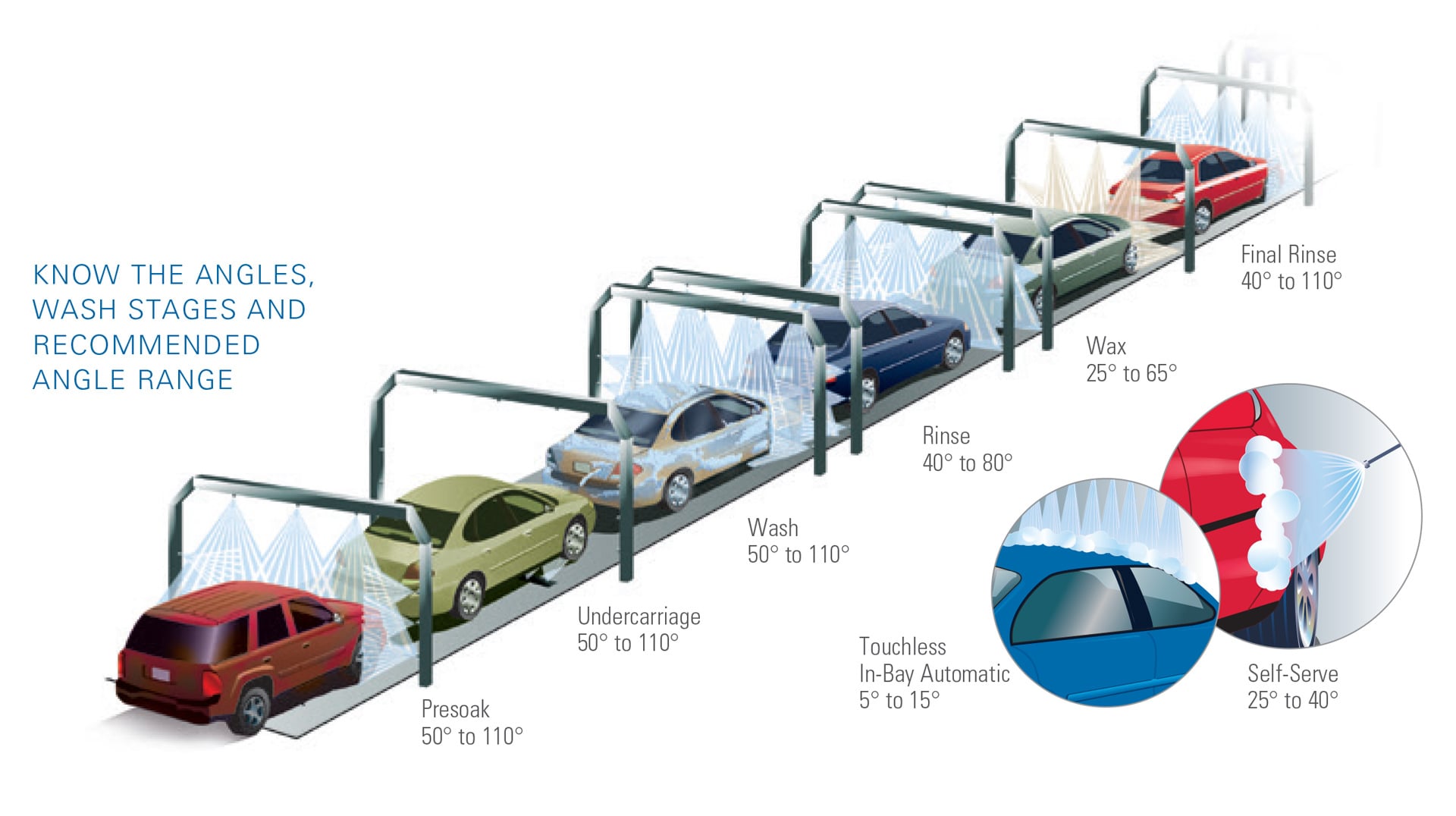
Nozzle tips control water flow and pressure. A 25-degree tip covers a wide area for general washing. A 15-degree tip offers more pressure for tough dirt. Use a 40-degree tip for gentle rinsing and delicate surfaces. Some nozzles have a turbo option for stubborn grime.
Foam Cannons And Brushes
Foam cannons spray thick soap foam evenly on your car. Foam loosens dirt and protects paint. Brushes help scrub dirt without scratching. Soft-bristle brushes work well on wheels and tires. Use foam and brushes together for a deep clean.
Extension Wands And Hoses
Extension wands help reach high or low spots easily. They add length to your pressure washer wand. Long hoses give more freedom to move around your car. Both reduce strain on your arms and back. Extensions and hoses improve access without lowering water pressure.
Safety Tips For Pressure Washing Cars
Pressure washing your car can make it look fresh and clean fast. Safety is very important. Wrong use of a pressure washer can damage your car’s paint or parts. Follow these safety tips to protect your vehicle and yourself.
Proper Distance And Angle
Keep the pressure washer nozzle at least 12 inches from the car surface. Too close can chip paint or dent metal. Spray at a 45-degree angle to avoid direct force on the paint. Move the nozzle in smooth, steady motions. Do not focus on one spot for too long.
Protecting Sensitive Areas
Cover areas like windows, mirrors, and lights with plastic or tape. Avoid spraying directly on these parts. High pressure can break glass or damage seals. Be careful around rubber trims and decals. They can peel or crack under strong water pressure.
Using Detergents Safely
Use only car-safe detergents made for pressure washers. Do not use household cleaners or bleach. Rinse the car thoroughly after applying detergent. Leftover soap can harm the paint. Follow the detergent instructions for mixing and use.
Step-by-step Car Washing Guide
Washing a car with a pressure washer needs a clear plan. A step-by-step guide helps you clean safely and well. Follow these simple steps to get a shiny, clean car without damage.
Pre-rinse And Soap Application
Start by rinsing the car with water. Use low pressure to remove loose dirt and dust. This step stops scratches during washing.
Next, apply car soap with a foam cannon or sprayer. Cover all surfaces, including wheels and undercarriage. Let the soap sit for a few minutes to break dirt.
Pressure Washing Techniques
Use a pressure washer with 1200 to 1900 PSI for cars. Hold the nozzle about 12 to 18 inches from the surface. Spray in smooth, even strokes from top to bottom.
Keep the nozzle moving to avoid paint damage. Focus on areas with heavy dirt but avoid staying too long in one spot. Use a wide spray pattern for better coverage.
Final Rinse And Drying
Rinse off all soap with clean water at low pressure. Make sure no soap remains on the car.
Dry the car using a microfiber cloth or chamois. This stops water spots and leaves a streak-free finish.
Credit: www.spray.com
Common Mistakes To Avoid
Choosing the right pressure washer size for your car is important. Many people make mistakes that can harm their vehicle or reduce cleaning power. Knowing what to avoid helps keep your car safe and shiny.
Using Too High Pressure
High pressure can damage your car’s paint and windows. Most cars need a pressure washer under 2000 PSI. Using more pressure may cause scratches or peel paint. Always choose a pressure level made for cars.
Ignoring Manufacturer Guidelines
Manufacturers provide important rules for using pressure washers. Ignoring these can lead to poor results or damage. Check your car and pressure washer manuals before starting. Follow their advice for safe and effective cleaning.
Skipping Regular Maintenance
Pressure washers need care to work well. Dirty nozzles or clogged filters reduce power and can cause damage. Clean and check your machine often. Regular maintenance keeps your washer safe and extends its life.

Credit: www.spray.com
Frequently Asked Questions
What Pressure Washer Psi Is Best For Washing Cars?
A pressure washer with 1200-1900 PSI is ideal for cars. It cleans effectively without damaging paint. Higher PSI risks paint damage, while lower PSI may not clean well.
What Gpm Rating Is Suitable For Car Washing?
A flow rate of 1. 2 to 1. 6 GPM is perfect for washing cars. It balances cleaning power and water usage, ensuring efficient dirt removal without waste.
Can I Use A High Psi Pressure Washer On My Car?
High PSI pressure washers over 2000 PSI can damage car paint. It’s safer to use a lower PSI model with a wide spray nozzle for gentle cleaning.
Should I Use A Pressure Washer With Adjustable Pressure?
Yes, adjustable pressure washers are best for cars. They allow you to reduce pressure for delicate surfaces, preventing paint damage while providing effective cleaning.
Conclusion
Choosing the right pressure washer size makes washing your car easier. A machine with moderate pressure cleans well without causing damage. Too strong pressure can harm your paint, so avoid it. Small to medium pressure washers work best for most cars.
Remember to use the right nozzle and keep distance while spraying. This keeps your car safe and clean. Washing your car often helps keep it shiny and fresh. Use the right tool, and your car will look great every time.