

Have you ever wondered what type of plastic your toilet seat covers are made from? You probably use them every day without a second thought, but knowing the material behind these simple items can actually matter more than you think.
Understanding the plastic type can help you make smarter choices for your health, comfort, and even the environment. Keep reading to discover the surprising facts about the plastics used in toilet seat covers—and why this knowledge can make a difference for you.

Credit: www.amazon.com
Common Plastics In Toilet Seat Covers
Toilet seat covers use different types of plastic. Each plastic type has its own strength and benefits. These plastics make the covers safe and easy to clean. They also help the covers last longer in wet conditions. Below are the common plastics found in toilet seat covers.
Polypropylene (pp)
Polypropylene is a popular plastic for toilet seat covers. It is light and strong. This plastic resists many chemicals and moisture well. It feels smooth and can be cleaned easily. Polypropylene is also affordable and widely available.
Polyethylene (pe)
Polyethylene is another common plastic. It is soft but tough. This plastic handles water and chemicals without damage. It has a low risk of cracking or breaking. Polyethylene toilet covers often feel slightly flexible.
Polyvinyl Chloride (pvc)
PVC is known for its durability and stiffness. This plastic is strong and holds its shape well. It can resist heat and moisture for a long time. PVC covers are easy to wipe clean. They often come in different colors and designs.
Acrylonitrile Butadiene Styrene (abs)
ABS plastic is hard and impact-resistant. It gives toilet seat covers a glossy finish. This plastic handles wear and tear well. ABS covers feel solid and stable. They are common in higher-end toilet seat models.
Properties Affecting Plastic Choice
Choosing the right plastic for toilet seat covers depends on several important properties. These properties make sure the seat covers work well and last long. They also affect user comfort and safety. Each property helps decide which type of plastic is best for making seat covers.
Durability And Strength
Toilet seat covers need to be strong to hold weight. They must resist breaking or cracking under pressure. Durable plastics can handle daily use without damage. This makes them safer and longer-lasting. Tough plastics like polypropylene and ABS are common choices.
Hygiene And Resistance To Bacteria
Seat covers must stay clean and prevent bacteria growth. Some plastics resist germs better than others. Smooth, non-porous surfaces stop dirt and bacteria from sticking. This helps keep the bathroom hygienic and safe for users. Plastics like PVC often provide good resistance.
Comfort And Flexibility
Comfort matters for toilet seat covers. Plastics should feel smooth and warm to the touch. Slight flexibility helps the seat fit well and reduces noise. Too hard or rigid plastics can feel cold or uncomfortable. Materials like thermoplastic elastomers offer good comfort.
Cost-effectiveness
Cost is important for manufacturers and buyers. Plastics should be affordable but still meet quality needs. Low-cost plastics help keep prices down. Good cost-effectiveness means balancing price with durability and comfort. Polypropylene is often used because it is cheap and reliable.
Manufacturing Processes
Plastic toilet seat covers go through specific manufacturing steps. These steps shape raw plastic into the final product. Each method has unique features and benefits. Understanding these processes helps explain the quality and design of covers.
Injection Molding
Injection molding is a common process for plastic parts. Plastic pellets melt and are pushed into a mold. The mold shapes the plastic into the cover’s form. This method makes strong and detailed covers quickly. It suits mass production and offers consistent quality.
Thermoforming
Thermoforming heats plastic sheets until soft. The heated sheet bends over a mold. It cools down and keeps the mold’s shape. This process works well for thin, lightweight covers. It allows quick changes in design and size.
Rotational Molding
Rotational molding uses a heated, rotating mold. Plastic powder inside melts and coats the mold evenly. It creates hollow, durable covers with smooth surfaces. This method is less common but good for thick or large covers. It gives strong, long-lasting results.

Credit: www.amazon.com
Environmental Impact
Plastic toilet seat covers impact the environment in many ways. Their production uses energy and resources. Disposal often adds to pollution and landfill waste. Understanding these effects helps us choose better products and practices.
Recyclability Of Toilet Seat Plastics
Most toilet seat covers are made from plastics like polypropylene or polyethylene. These plastics can be recycled but not easily. Many recycling centers do not accept small, thin plastics. This means many covers end up in landfills. Recycling options depend on local facilities and collection programs.
Biodegradable Alternatives
Some companies offer biodegradable toilet seat covers. These products break down faster in nature. They often use plant-based materials instead of traditional plastic. Biodegradable covers reduce long-term pollution. They are a better choice for eco-friendly users.
Sustainability Considerations
Choosing sustainable toilet seat covers helps protect the planet. Look for covers made from recycled or biodegradable materials. Avoid single-use plastic covers whenever possible. Using reusable covers also lowers waste. Small changes add up to a big environmental difference.
Plastic Vs Non-plastic Materials
Toilet seat covers come in different materials, mainly plastic and non-plastic. Each type has its own benefits and drawbacks. Plastic covers are common for their durability and easy cleaning. Non-plastic options offer unique styles and comfort. Understanding these materials helps choose the best seat cover for your needs.
Wood And Bamboo Options
Wood and bamboo seat covers add natural beauty. They feel warm and solid. Bamboo is eco-friendly and resists water well. Wood covers are sturdy but need care to avoid damage. These covers are less common but popular for a rustic look.
Metal Components
Some toilet seat covers include metal parts. These parts add strength and durability. Metal hinges and screws keep seats stable. Stainless steel is common because it resists rust. Metal can make the cover heavier but more reliable.
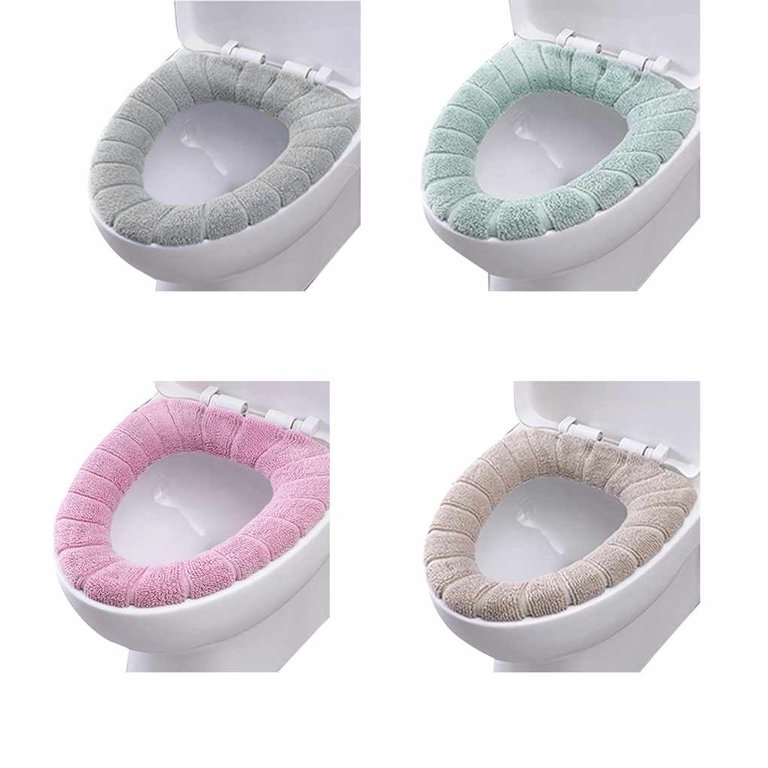
Cushioned And Vinyl Covers
Cushioned covers are soft and comfortable. They have a foam layer under vinyl or plastic. Vinyl covers are easy to clean and water-resistant. These covers offer warmth, especially in cold bathrooms. They need regular cleaning to prevent germs.
Credit: www.walmart.com
Choosing The Right Toilet Seat Cover
Choosing the right toilet seat cover is important for comfort and hygiene. The material affects durability, ease of cleaning, and safety. Understanding what type of plastic is used helps make a better choice. This guide covers key factors to consider, tips for maintenance, and health and safety aspects.
Factors To Consider
Check the plastic type before buying. Common plastics include polypropylene and polyethylene. These plastics resist water and stains well. Thickness matters for comfort and strength. A thicker cover lasts longer and feels better. Look for covers with smooth surfaces to avoid dirt buildup. Some covers have extra features like soft-close hinges. Choose covers that fit your toilet model perfectly.
Maintenance Tips
Clean your toilet seat cover regularly. Use mild soap and warm water. Avoid harsh chemicals that can damage plastic. Wipe with a soft cloth to keep the surface smooth. Dry the cover after cleaning to prevent bacteria growth. Replace the cover if cracks or stains appear. Regular cleaning keeps the cover safe and fresh.
Health And Safety Aspects
Plastic covers reduce the spread of germs. Choose covers made from BPA-free plastic for safety. Some plastics may cause allergies or irritate skin. Ensure the cover is easy to clean thoroughly. Avoid porous materials that trap bacteria. A clean, durable plastic cover supports better bathroom hygiene.
Frequently Asked Questions
What Type Of Plastic Is Used For Toilet Seat Covers?
Toilet seat covers are commonly made from polypropylene or polyethylene plastics. These materials are durable, lightweight, and resistant to moisture, making them ideal for bathroom hygiene products. They also provide a smooth surface that is easy to clean and safe for everyday use.
Are Toilet Seat Covers Made From Eco-friendly Plastic?
Most toilet seat covers are not made from eco-friendly plastics. However, some brands use biodegradable or recycled polypropylene to reduce environmental impact. Always check product labels if sustainability is a priority when choosing toilet seat covers.
Why Is Polypropylene Plastic Preferred For Toilet Seat Covers?
Polypropylene is preferred because it is strong, water-resistant, and cost-effective. It also resists stains and odors, ensuring better hygiene. Its lightweight nature makes it convenient for disposable toilet seat covers used in public restrooms.
Can Toilet Seat Covers Be Recycled?
Yes, toilet seat covers made from polypropylene or polyethylene can be recycled. However, recycling facilities may vary by location. It’s important to dispose of them properly to promote recycling and reduce plastic waste.
Conclusion
Toilet seat covers are mainly made from polypropylene or polyethylene plastics. These materials are strong, lightweight, and water-resistant. They help keep the seat clean and comfortable. Choosing covers made from these plastics ensures durability and hygiene. Now you know what type of plastic is used for toilet seat covers.
This knowledge helps you make better choices for your bathroom needs. Simple, safe, and practical—plastic toilet seat covers serve their purpose well.


