

Is your car acting up or losing power unexpectedly? One common culprit could be your fuel filter.
Knowing how to check your fuel filter can save you time, money, and frustration. You’ll discover simple steps to inspect your fuel filter and spot signs that it needs cleaning or replacement. By taking control of this small but vital part, you’ll keep your engine running smoothly and avoid costly repairs.
Ready to learn how? Let’s dive in.

Credit: www.dummies.com
Signs Of A Clogged Fuel Filter
A clogged fuel filter can cause many problems in your vehicle. It blocks fuel flow and affects engine function. Recognizing signs early helps avoid costly repairs. Watch for changes in how your car runs and feels.
Engine Performance Issues
Your engine may run rough or hesitate during acceleration. It might lose power on hills or under heavy load. The engine can stall without warning. These are common signs of a clogged fuel filter.
Starting Problems
The engine may crank but not start easily. It could take longer to start than usual. Sometimes the engine won’t start at all. A dirty fuel filter can stop fuel from reaching the engine.
Fuel Efficiency Drops
Your car may use more fuel than before. You might notice you fill the tank more often. Poor fuel flow makes the engine work harder. This lowers fuel economy and wastes money.
Tools Needed For Checking
Checking your fuel filter requires some basic tools and safety gear. Using the right tools makes the job easier and safer. You do not need many items, but the tools must be correct for the task. Below is a list of tools that help you check your fuel filter effectively.
Basic Hand Tools
You will need a few hand tools to access and inspect the fuel filter. A socket wrench set is useful for loosening bolts and clamps. Screwdrivers, both flathead and Phillips, help remove screws or clips. Pliers are good for gripping and pulling fuel lines safely. Keep a small container or cloth handy to catch any leaking fuel. These tools cover most tasks for a fuel filter check.
Safety Equipment
Fuel is flammable and hazardous. Wear safety goggles to protect your eyes from spills. Gloves prevent skin contact with fuel and dirt. Work in a well-ventilated area to avoid inhaling fumes. Have a fire extinguisher nearby just in case. Safety gear keeps you safe during the checking process.
Locating The Fuel Filter
Checking your fuel filter is important to keep your engine running well. A step-by-step inspection helps find issues early. Follow these clear steps to check your fuel filter carefully. Take your time and work safely.
Relieving Fuel System Pressure
Before removing the fuel filter, release the fuel system pressure. This stops fuel from spraying out. Locate the fuel pump fuse or relay. Remove it and start the engine. Let it run until it stops. This drains pressure from the fuel lines. Turn off the ignition and disconnect the battery to be safe.
Removing The Fuel Filter
Find the fuel filter under the hood or near the fuel tank. Use a wrench or screwdriver to loosen the clamps or bolts. Slowly disconnect the fuel lines from the filter. Have a rag ready to catch any fuel drips. Remove the filter carefully. Note its position so you can install the new one correctly.
Checking For Blockages Or Damage
Look at the filter closely. Check for cracks, rust, or dirt buildup. Shake the filter gently to hear if anything moves inside. Blocked filters reduce fuel flow. This affects engine power and starts. Replace the filter if you see damage or heavy dirt. Clean the filter housing before installing a new one.
Step-by-step Inspection
Knowing when to replace your fuel filter keeps your engine running smoothly. A clean fuel filter prevents dirt and debris from reaching the engine. Over time, the filter clogs and reduces fuel flow. Replacing it at the right time avoids poor performance and costly repairs.
Manufacturer Recommendations
Check your vehicle’s manual for specific advice. Most manufacturers suggest changing the fuel filter every 20,000 to 40,000 miles. Some newer cars have filters that last longer or are built into the fuel pump. Follow the schedule to keep your engine healthy and efficient.
Signs Of Wear And Tear
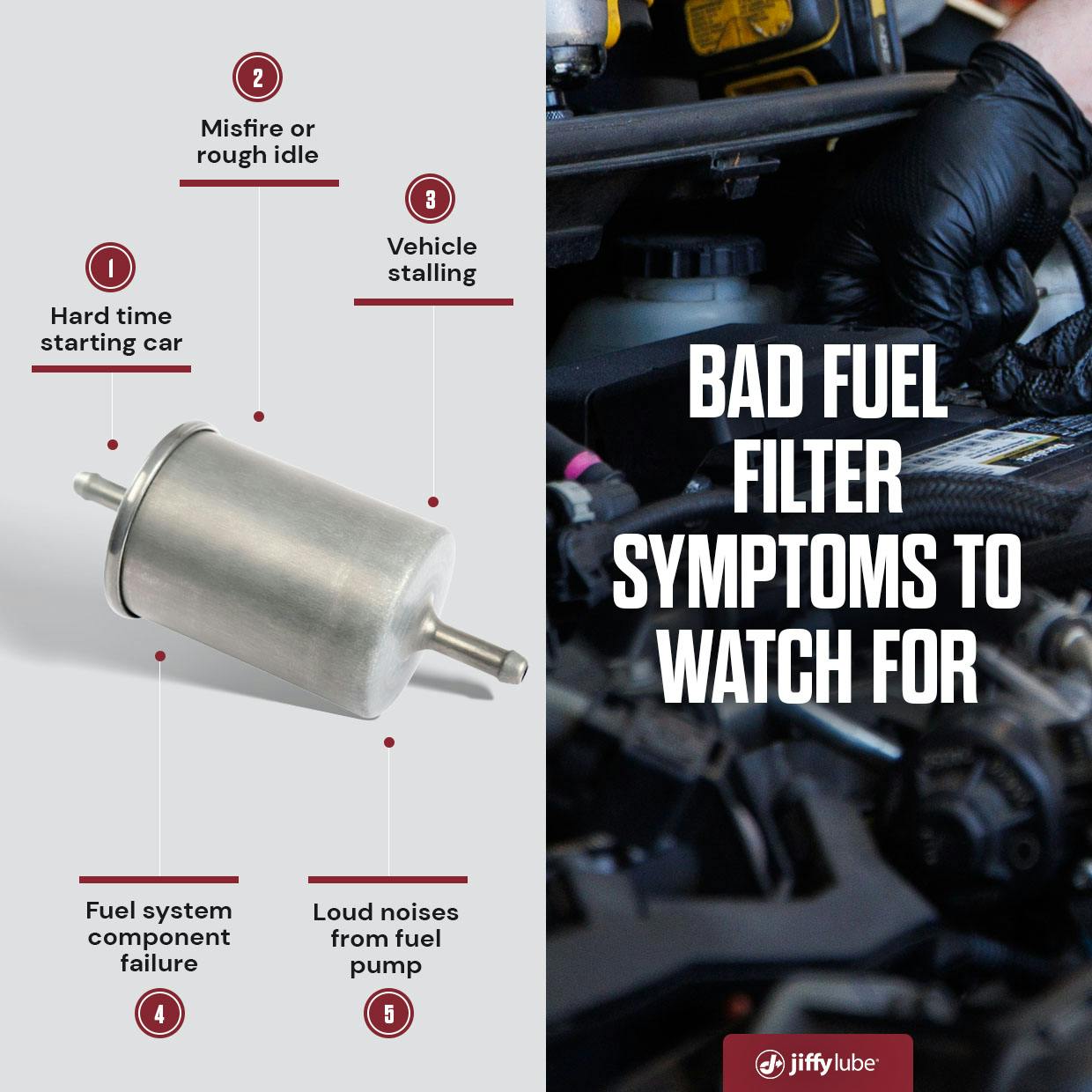
Look for signs that the fuel filter needs replacement. Engine misfires or hard starts can indicate a clogged filter. Reduced fuel efficiency or loss of power also points to a problem. Strange noises from the fuel pump may mean the filter is blocked. Watch for these signs to avoid bigger issues.
When To Replace The Filter
Keeping your fuel filter in good shape helps your vehicle run smoothly. Dirt and debris can block the filter. This can cause poor engine performance. Simple care steps can extend the life of your fuel filter. These tips save money and avoid repairs.
Check the fuel filter often. Use clean, good quality fuel. These habits protect your engine and improve fuel efficiency.
Regular Inspection Schedule
Set a regular time to check your fuel filter. Follow your vehicle’s manual for the right intervals. Look for dirt, rust, or damage on the filter. Replace it if you see signs of clogging. Regular checks prevent engine trouble and keep fuel flowing well.
Using Quality Fuel
Choose fuel from trusted stations only. Poor quality fuel can harm your filter fast. It may contain dirt or water. Clean fuel reduces the risk of filter blockages. Always avoid cheap or unknown fuel sources to protect your engine.

Credit: www.youtube.com
Credit: www.jiffylube.com
Frequently Asked Questions
How Do I Know When To Check My Fuel Filter?
Check your fuel filter if your engine stalls, hesitates, or loses power. Regular checks every 20,000 miles help maintain performance. A clogged filter reduces fuel flow and causes these symptoms.
Where Is The Fuel Filter Located In My Car?
The fuel filter is usually near the fuel tank or engine. Consult your vehicle’s manual for exact location. Some cars have an inline filter, while others use a filter inside the fuel pump.
What Tools Do I Need To Check My Fuel Filter?
You need basic tools like wrenches, screwdrivers, and possibly pliers. A container to catch fuel spills is useful. Safety gloves and eye protection are also recommended during inspection.
Can I Check The Fuel Filter Myself Safely?
Yes, you can check it safely by working in a well-ventilated area. Relieve fuel system pressure before removal. Avoid open flames and wear protective gear to prevent accidents.
Conclusion
Checking your fuel filter keeps your engine running smoothly. Clean filters stop dirt from harming your car. Regular checks help avoid costly repairs later. You only need a few tools and some time. Watch for signs like poor engine performance or strange noises.
Trust your hands and eyes during the check. Taking small steps now saves big trouble later. Keep your fuel filter clean and your car happy. Simple care makes a big difference in the long run.

