

Are you tired of spending hours scrubbing your car, only to end up with streaks and missed spots? Choosing the right pressure washer can make all the difference in keeping your vehicle spotless without damaging the paint.
But with so many options out there, how do you know which one fits your needs? This guide will help you discover exactly what type of pressure washer is best for your car, saving you time, effort, and money. Keep reading to find out how to protect your ride while getting it cleaner than ever.

Credit: www.caranddriver.com
Pressure Washer Basics
Understanding the basics of pressure washers helps you choose the right one for your car. These machines use forceful water streams to clean surfaces quickly and effectively. Knowing how they work and what to check makes buying easier.
Pressure washers come in different types and power levels. Some are gentle enough for car paint, while others suit tough dirt. Picking the right specs keeps your car safe and clean.
How Pressure Washers Work
Pressure washers push water out at high speed through a small nozzle. This creates a strong jet that removes dirt and grime. The motor or engine powers the pump that raises water pressure.
The water usually comes from a garden hose. The machine increases the pressure before spraying. You can control the spray angle and force with different nozzles.
Key Specifications To Consider
Pressure is measured in PSI, or pounds per square inch. For cars, around 1200 to 1900 PSI is safe and effective. Too much pressure can damage paint or trim.
Flow rate, or GPM (gallons per minute), shows water volume. Higher GPM means faster cleaning but more water use. A flow rate between 1.2 and 1.6 GPM works well for cars.
Look for electric models for quieter operation and easy use. Gas models are more powerful but heavier and noisy. Also, check if the washer includes adjustable nozzles or detergent tanks.
Types Of Pressure Washers
Pressure washers come in different types. Each type has unique features. Choosing the right one depends on your car cleaning needs. Understanding the types helps you pick the best pressure washer.
Electric Pressure Washers
Electric pressure washers run on electricity. They are lightweight and easy to use. These washers produce less noise. Ideal for small cars and light cleaning jobs. They need a power outlet nearby. Perfect for home use and regular washing.
Gas Pressure Washers
Gas pressure washers use gasoline engines. They offer higher power and pressure. Suitable for tough dirt and large vehicles. These washers are portable without cords. They can be loud and need more maintenance. Best for heavy-duty cleaning and outdoor use.
Cordless Pressure Washers
Cordless pressure washers run on rechargeable batteries. They offer great mobility and convenience. Ideal for quick cleaning and small areas. Usually less powerful than gas or electric types. Perfect for those who want freedom from cords. Easy to store and carry anywhere.
Choosing The Right Pressure Washer For Cars
Choosing the right pressure washer for cars is important to protect your vehicle’s paint. The wrong pressure can cause damage or leave dirt behind. Picking the right model helps clean your car safely and quickly.
Consider power, ease of use, and the spray options. A pressure washer made for cars offers the right balance of strength and control. This section explains key features to help you choose the best one.
Optimal Psi And Gpm For Car Washing
PSI means pounds per square inch. It shows how strong the water pressure is. For cars, 1200 to 1900 PSI is safe and effective. Stronger pressure may harm paint or trim.
GPM means gallons per minute. It shows how much water flows out. A flow rate of 1.4 to 1.6 GPM is good for washing cars. This balance cleans well without wasting water.
Portability And Weight
Choose a pressure washer that is easy to carry. Lightweight models are better for moving around your car. Portable washers let you reach all parts of the vehicle without strain.
Compact size helps store the washer after use. Corded or cordless options offer different levels of freedom. Consider where you will use the washer most.
Nozzle Types And Spray Patterns
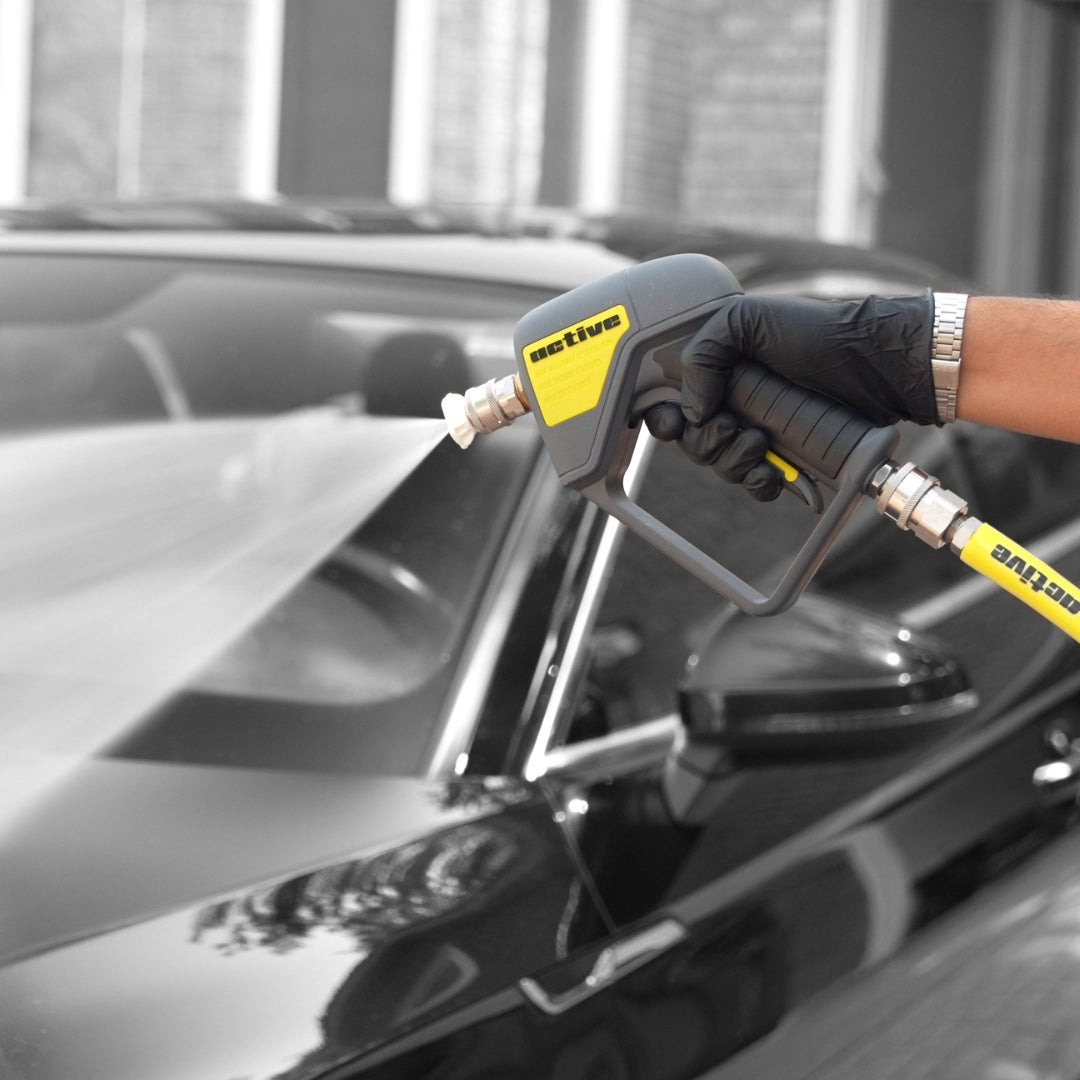
Nozzles control how water sprays from the washer. Different spray patterns suit different cleaning needs. A 25-degree nozzle works well for general washing.
Use a 40-degree nozzle for gentle rinsing to avoid paint damage. Some washers include adjustable nozzles. This feature lets you switch spray patterns easily.
Credit: www.turtlewax.com
Features To Look For
Choosing the right pressure washer for your car needs more than just power. Certain features make the cleaning process easier and safer. These features protect your car’s paint while giving a deep clean. Understanding what to look for helps you pick a tool that fits your needs and budget.
Adjustable Pressure Settings
Pressure washers with adjustable settings let you control the water force. Lower pressure is gentle for delicate car parts. Higher pressure helps remove tough dirt from wheels and bumpers. This control prevents damage to paint and trim. It also saves water by using the right pressure for each job.
Detergent Injection System
A detergent injection system mixes soap with water automatically. This feature helps clean grease and grime effectively. It saves time by applying soap evenly across your car. Some models let you adjust the soap mix for different cleaning needs. This system works best with car-safe detergents.
Durability And Build Quality
Look for pressure washers made with strong materials like metal or heavy-duty plastic. Durable machines last longer and handle frequent use. Good build quality means fewer repairs and better performance. Check for secure fittings and a solid motor. A sturdy unit also offers better safety during operation.
Safety Tips For Using Pressure Washers On Cars
Using a pressure washer on your car saves time and effort. It cleans dirt and grime fast. Yet, safety is key. High pressure can hurt paint or parts. Follow simple tips to keep your car safe and shiny.
Maintaining Safe Distance
Keep the nozzle at least 12 inches from the car. Too close can damage paint and trim. Move the nozzle in a steady motion. Avoid holding it in one spot for long. This prevents pressure buildup and harm.
Avoiding Paint Damage
Use a low-pressure setting for delicate areas. Avoid direct spray on old or cracked paint. Test on a small spot first. Use soap made for cars to protect the finish. Stay away from sharp angles on the surface.
Proper Usage Techniques
Hold the wand with both hands for control. Start washing from the top and go down. Use wide, sweeping strokes to clean evenly. Rinse soap thoroughly to avoid spots. Turn off the machine before changing settings.
Popular Brands And Models In 2025
Choosing the right pressure washer can make car cleaning easier and faster. In 2025, many brands offer models with great features. These washers suit different needs, from light home use to heavy-duty cleaning. Understanding popular brands helps pick the best washer for your car.
Top Electric Models
Electric pressure washers are quiet and easy to use. They work well for small to medium car cleaning jobs. The Sun Joe SPX3000 is popular for its strong spray and good price. The Greenworks GPW1501 offers a compact design and simple controls. Both models use less power but still clean dirt effectively.
Best Gas-powered Options
Gas pressure washers deliver more power for tough stains. They are ideal for deep cleaning or larger vehicles. The Simpson MSH3125 is known for its durability and strong motor. Honda-powered models like the Simpson ALH3425 also perform well. These washers need more maintenance but handle heavy dirt easily.
Budget-friendly Choices
Affordable pressure washers can still clean cars well. The Karcher K1700 offers good pressure and reliability at a low cost. The AR Blue Clean AR383 is another choice with decent power for small jobs. These models fit tight budgets without sacrificing quality for regular car washing.
Maintenance And Storage Tips
Proper maintenance and storage extend the life of your pressure washer. Caring for the machine keeps it working well and prevents damage. Simple steps after each use protect your investment. Storing it correctly avoids problems during off-seasons.
Cleaning After Use
Flush the system with clean water to remove dirt and soap. Wipe down the exterior to prevent rust and grime buildup. Check the nozzle for clogs and clean it gently. Remove any debris from the hose and connections. Dry all parts thoroughly to stop mold growth.
Winterizing Your Pressure Washer
Use antifreeze or pump saver to protect internal parts from freezing. Run the solution through the pump and hoses carefully. Drain all water from the machine and accessories. Store the washer in a dry, frost-free place during winter. Avoid leaving water inside to prevent cracks and damage.
Storage Best Practices
Keep the pressure washer in a clean, dry area away from direct sunlight. Coil hoses and cords neatly to avoid tangles and breaks. Store small parts and accessories in labeled containers. Cover the machine with a breathable cloth to keep dust off. Regularly inspect stored equipment to catch problems early.
Credit: activeproducts.com
Additional Accessories To Enhance Car Washing
Extra tools can make car washing easier and better. They help clean hard spots and save time. Using the right accessories with your pressure washer improves results. It also protects your car’s paint and surface.
Surface Cleaners
Surface cleaners have spinning brushes that clean large areas fast. They remove dirt without splashing water everywhere. These tools work well on car roofs and hoods. They keep the pressure even to avoid damage.
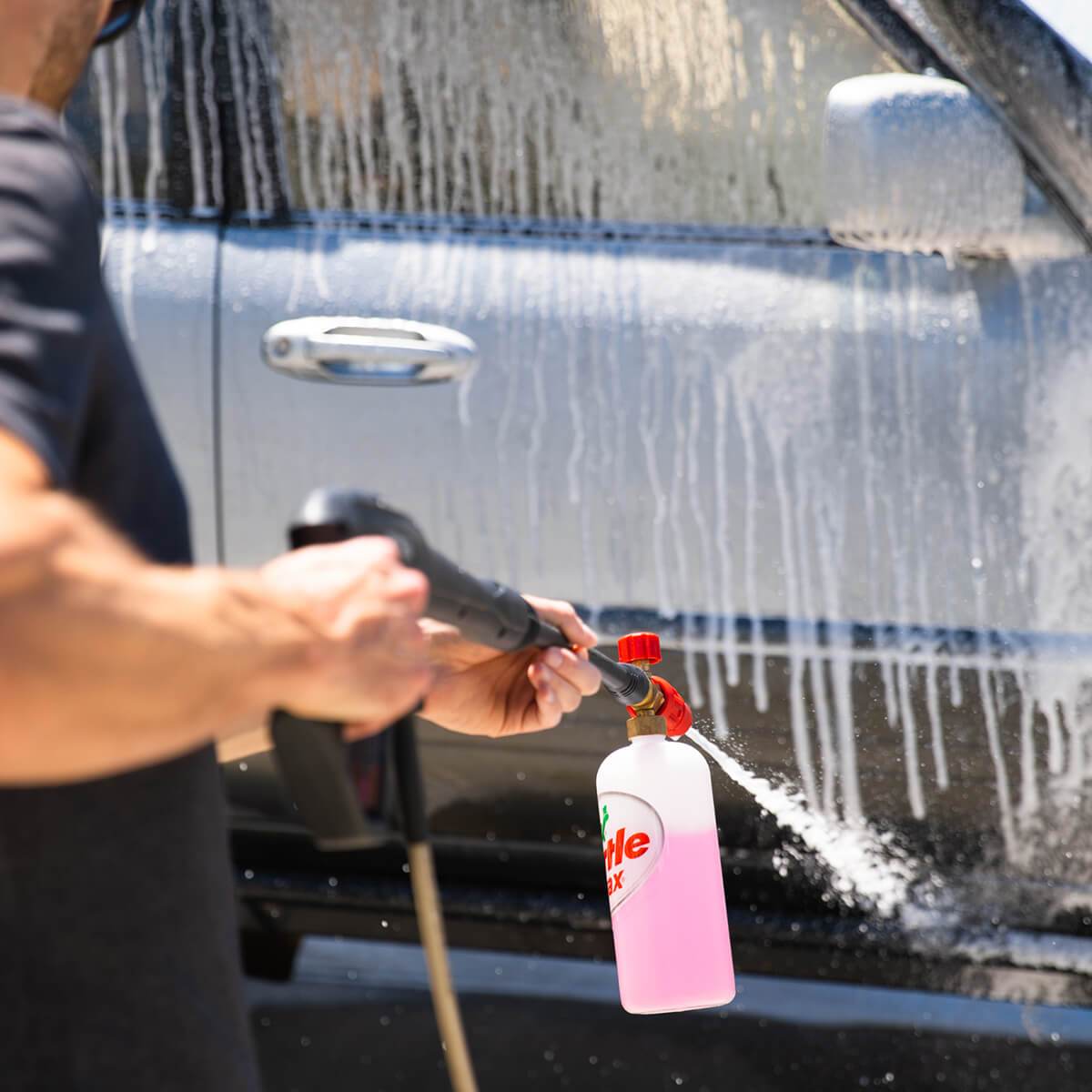
Foam Cannons
Foam cannons spray thick foam on your car. This foam loosens dirt and grime. It covers the car evenly and stays longer. Foam makes washing safer and reduces scratches from scrubbing.
Extension Wands
Extension wands add length to your pressure washer. They help reach high or low spots easily. No need to stretch or bend too much. These wands improve comfort and control during washing.
Frequently Asked Questions
What Pressure Level Is Best For Washing Cars?
A pressure washer with 1200 to 1900 PSI is ideal for cars. It cleans effectively without damaging paint or surfaces. Lower PSI ensures gentle yet thorough removal of dirt and grime.
Should I Choose Electric Or Gas Pressure Washers For Cars?
Electric pressure washers are best for cars. They are lightweight, easy to use, and produce less noise. Gas models are powerful but can be too harsh and heavy for delicate car surfaces.
What Nozzle Type Should I Use For Car Washing?
Use a 25-degree or 40-degree nozzle for washing cars. These provide a wide spray that cleans gently without harming paint. Avoid narrow nozzles to prevent paint damage.
How Important Is Water Flow Rate In Car Pressure Washers?
Water flow rate (GPM) affects cleaning efficiency. For cars, 1. 2 to 1. 5 GPM is sufficient. It balances water use and cleaning power, ensuring effective dirt removal without excess water waste.
Conclusion
Choosing the right pressure washer protects your car’s paint and finish. Electric models suit small jobs and light cleaning well. Gas-powered washers offer strong pressure for tough dirt. Always pick one with adjustable settings for safety. Use the correct nozzle to avoid damage.
Keep your car looking clean without extra effort. A good washer saves time and water. Simple tools can make your car shine like new. Choose wisely, and enjoy easy, safe washing every time.


