Are you tired of spending hours scrubbing your car, only to see stubborn dirt and grime stick around? You might be wondering if using a pressure washer is the secret to a spotless, shiny ride without all the hassle.
But how effective is a pressure washer when it comes to washing your car? Can it really save you time and effort, or could it cause more harm than good? You’ll discover the truth about pressure washers and learn how to use them safely and effectively to make your car look its best.
Keep reading—you won’t want to miss these simple tips that could change the way you clean your car forever.
Benefits Of Pressure Washing Cars
Pressure washing cars offers many benefits. It cleans quickly and deeply. This method also protects your car’s paint. Many people find it better than hand washing. It saves effort and improves car care.
Time-saving Cleaning
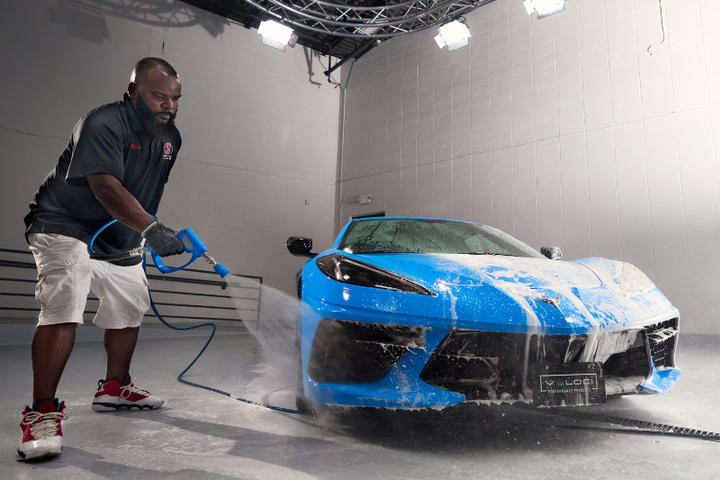
Pressure washers spray water at high speed. This removes dirt fast. You spend less time washing your car. No need for scrubbing every spot. A quick rinse can clean large areas easily.
Deep Dirt Removal
Pressure washing reaches tough dirt in crevices. Mud, grime, and bugs wash away easily. It cleans areas a sponge cannot reach. This makes your car look fresh and neat. Dirt buildup does not stick as much.
Improved Paint Longevity
Regular pressure washing removes harmful dirt. Dirt can damage paint over time. Cleaning stops scratches and stains from forming. This keeps your car’s paint shiny longer. It also helps protect the car’s value.
Credit: www.capitalone.com
Choosing The Right Pressure Washer
Choosing the right pressure washer is key to cleaning your car safely and effectively. Not all pressure washers suit car washing. Some have too much power and can damage paint or trim. Others may not clean well enough. Understanding pressure levels, types of machines, and nozzle options helps you select the best tool for your car.
Pressure Levels To Consider
Pressure is measured in PSI (pounds per square inch). For cars, a pressure between 1200 and 1900 PSI works best. Too much pressure can strip paint or cause dents. Too little pressure may leave dirt behind. Choose a pressure washer with adjustable settings. It lets you control the power based on your car’s needs.
Types Of Pressure Washers
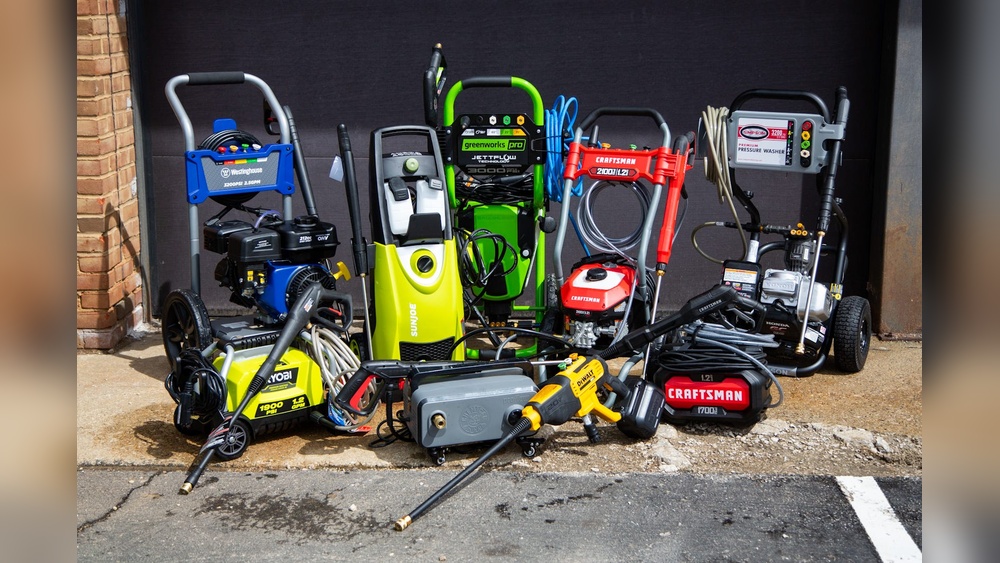
There are two main types: electric and gas. Electric washers are lighter and quieter. They suit small cars and light cleaning. Gas washers are stronger and better for heavy dirt. They work well for trucks or SUVs. Choose one based on your car size and cleaning frequency.
Nozzle Options And Their Uses
Nozzles control water spray angle and intensity. A 25-degree nozzle is good for general washing. A 40-degree nozzle is gentler for delicate areas. A 0-degree nozzle sprays a very strong, narrow stream. Avoid this on car paint to prevent damage. Pick nozzles that match your cleaning needs and pressure level.
Preparing Your Car For Pressure Washing
Preparing your car for pressure washing is a key step for safe and effective cleaning. It helps protect your car’s paint and parts. Taking time to prepare reduces the risk of damage. Also, it improves the cleaning results.
Initial Rinse And Dirt Removal
Start with a gentle rinse using water. This removes loose dirt and dust from the car’s surface. It prevents scratching during pressure washing. Use a low-pressure setting for this step. Focus on areas with heavy dirt buildup. This step helps avoid pushing dirt into the paint.
Protecting Sensitive Areas
Cover delicate parts like mirrors, lights, and air vents. Use plastic bags or waterproof tape to shield these areas. Avoid directing the pressure washer nozzle at seals or openings. Protecting these parts prevents water damage and malfunction. Take time to check under the hood and doors for hidden spots.
Selecting Suitable Cleaning Agents
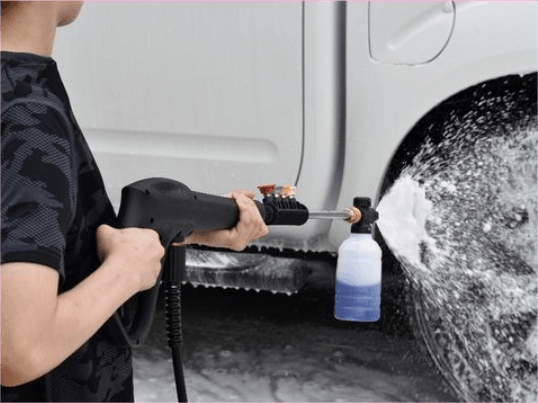
Choose cleaning agents made for cars. Avoid harsh chemicals that can strip paint or damage finishes. Use mild soap or car wash detergent. Dilute according to instructions. Test a small area first to check for any reaction. Proper cleaning agents enhance shine and protect the paint.
Credit: giraffetools.com
Pressure Washing Techniques
Pressure washing a car can be very effective if done right. Using the right techniques helps clean the car deeply without causing damage. These techniques also save time and water. Below are key methods to use for safe and thorough pressure washing.
Maintaining Safe Distance
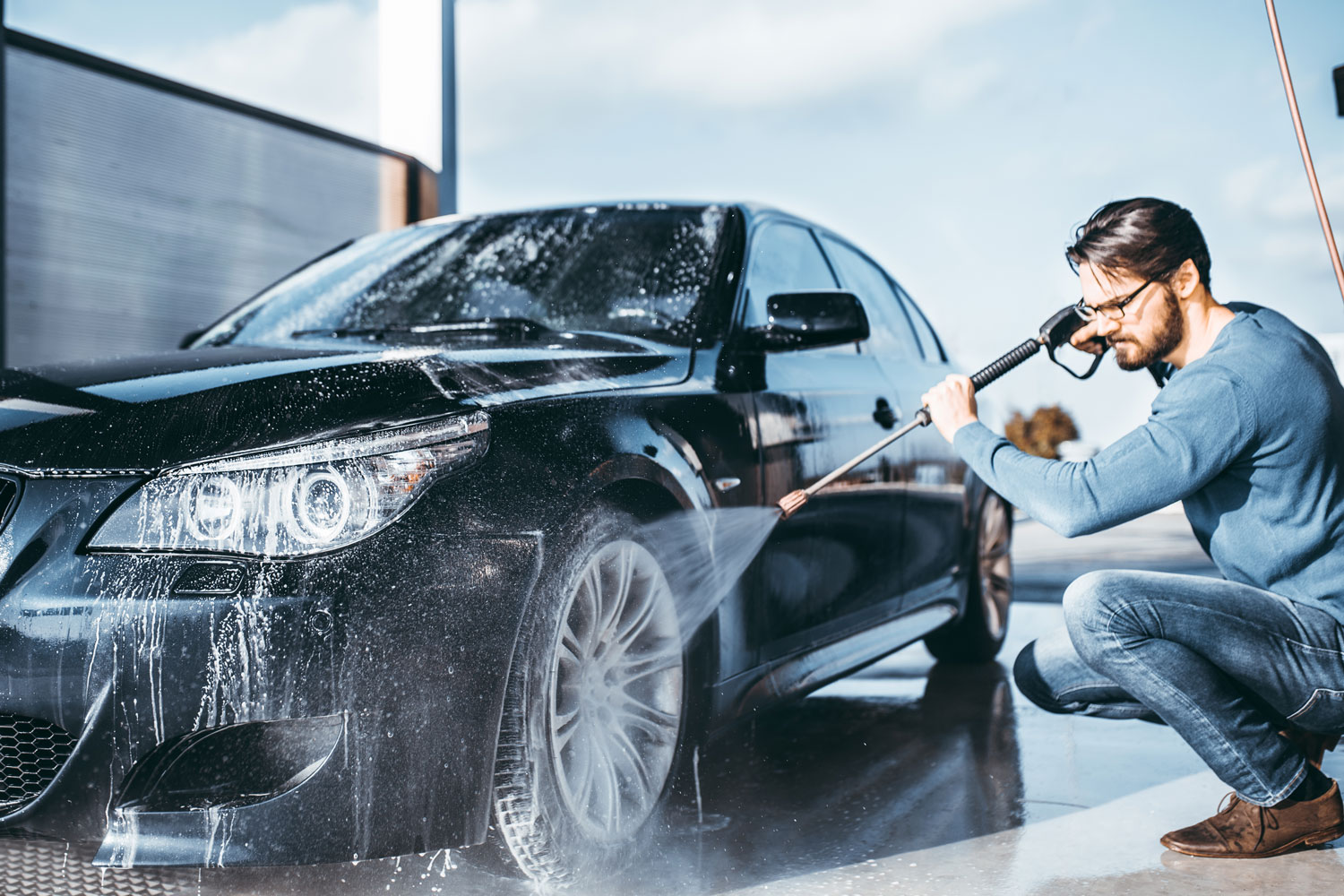
Keep the pressure washer nozzle at least 12 inches from the car surface. Too close can damage paint or trim. Too far reduces cleaning power. Adjust distance as needed for dirt level. Start farther and move closer slowly.
Optimal Spray Angles
Spray the car at a 45-degree angle. This angle removes dirt without pushing water under seals. Avoid spraying straight on as it can cause damage. Spray from top to bottom for best results. This helps dirt flow downward.
Section-by-section Cleaning
Clean the car in small sections. Work on one area at a time to avoid drying spots. Rinse each section before moving on. This method ensures even cleaning. It also prevents water spots and streaks.
Common Mistakes To Avoid
Pressure washing a car can save time and effort. Yet, many make common errors that harm the vehicle’s paint and parts. Avoid these mistakes to keep your car clean and safe.
Using Excessive Pressure
Using too much pressure can damage your car’s paint. It may strip off wax or scratch the surface. Stay within recommended pressure levels for washing cars. Test on a small area before cleaning the whole car.
Ignoring Delicate Parts
Some car parts are fragile, like sensors and trim. Directing the pressure washer at these can cause damage. Keep a safe distance and use a gentler setting around these areas. Protect your car’s sensitive components.
Skipping Pre-wash Steps
Skipping the pre-wash can cause dirt to scratch the paint. Always rinse loose dirt before using the pressure washer. Pre-washing helps prevent damage and improves cleaning results. Take time to prepare your car first.
Credit: www.mtmhydroparts.com
Post-wash Care Tips
After washing your car with a pressure washer, proper care is key. Post-wash care keeps your car looking fresh and protects its surface. Taking a few extra steps helps avoid water spots and damage. It also extends the shine and cleanliness.
Drying Methods
Dry your car quickly to stop water spots from forming. Use a clean microfiber towel or chamois cloth. These materials absorb water well without scratching the paint. Avoid air drying. It leaves mineral spots that are hard to remove. Pat or gently wipe the surface for best results.
Waxing And Polishing
Waxing adds a protective layer on your car’s paint. It keeps dirt and water from sticking easily. Apply wax after the car is fully dry. Use a soft cloth or applicator pad in small circles. Polishing removes minor scratches and restores shine. Do it before waxing for a smooth finish. Both steps help maintain the car’s appearance longer.
Regular Maintenance
Keep your car clean by washing it regularly. Use gentle soap and water between pressure washes. Check for dirt or grime in hidden spots like wheel wells. Clean and dry these areas often. Regular care prevents buildup and damage. It also saves time and effort in the long run.
When Not To Use A Pressure Washer
Using a pressure washer to clean a car can be very helpful. It removes dirt fast and saves effort. But there are times when using a pressure washer is not safe for your car. Knowing these moments can protect your car’s surface and parts from damage.
Pressure washers spray water with strong force. This force can harm some car areas if you are not careful. Avoid using a pressure washer on certain parts to keep your car safe and looking good.
Old Or Damaged Paint
Old paint on a car is often weak and peeling. Pressure washing it can make the paint come off completely. Damaged paint may chip away with the strong water spray. This can leave your car looking worse. Use gentle cleaning methods instead to protect the paint.
Electrical Components Exposure
Cars have many electrical parts outside. Sensors, cameras, and lights are sensitive to water pressure. Strong water can damage these parts or cause short circuits. Avoid spraying these areas with a pressure washer. Use a soft cloth or hand wash near electrical parts.
Fragile Accessories
Cars often have small, delicate accessories. These include mirrors, antennas, and badges. High pressure can loosen or break them easily. Fragile parts may fly off or crack. It is safer to clean these parts by hand or with a gentle spray.
Comparing Pressure Washing To Traditional Methods
Comparing pressure washing to traditional car washing methods reveals clear differences. Both approaches clean cars but in unique ways. Understanding these differences helps choose the right method.
Effectiveness
Pressure washers use strong water jets. They remove dirt and grime quickly. Traditional washing uses sponges and buckets. This method may miss stubborn dirt spots. Pressure washing reaches tight spaces easily. It cleans wheels, bumpers, and undercarriages better. Traditional washing requires more scrubbing and effort.
Cost And Time Efficiency
Pressure washing saves time. It cleans a car in minutes. Traditional washing takes longer, often 30 minutes or more. Pressure washers cost more upfront. But they reduce water and soap use. Traditional washing uses more water and cleaning products. Over time, pressure washing can be cheaper. It lowers water bills and cleaning supply costs.
Environmental Impact
Pressure washers use less water than traditional methods. They spray water precisely, reducing waste. Traditional washing often wastes more water. Soap and chemicals can run off into drains. Pressure washing can control where water flows. This helps protect plants and soil. Choosing eco-friendly soaps improves both methods’ impact.
Frequently Asked Questions
How Effective Is A Pressure Washer For Car Washing?
A pressure washer cleans cars quickly and removes tough dirt efficiently. It reaches tight spots and reduces manual scrubbing. However, using the right pressure setting is crucial to avoid paint damage.
Can Pressure Washers Damage My Car’s Paint?
Yes, high pressure can chip or scratch paint. Always use a low-pressure setting and a wide spray nozzle. Maintaining a safe distance prevents damage while ensuring effective cleaning.
What Pressure Level Is Safe For Washing Cars?
A pressure between 1200 to 1900 PSI is safe for car washing. This range cleans effectively without harming paint or delicate parts. Always start low and adjust as needed.
Should I Use Soap With A Pressure Washer?
Yes, using car-specific soap enhances cleaning. Many pressure washers have detergent tanks for easy application. Soap helps break down grime and makes rinsing more effective.
Conclusion
A pressure washer cleans cars quickly and removes tough dirt well. It saves time compared to hand washing. Use the right pressure to avoid damaging paint. Always keep a safe distance from the car’s surface. Pressure washing works best for stubborn grime and large areas.
It also helps reach spots a sponge misses. Regular washing keeps your car looking fresh and protects its finish. For best results, combine pressure washing with gentle cleaning products. This method offers an easy, effective way to keep cars clean.