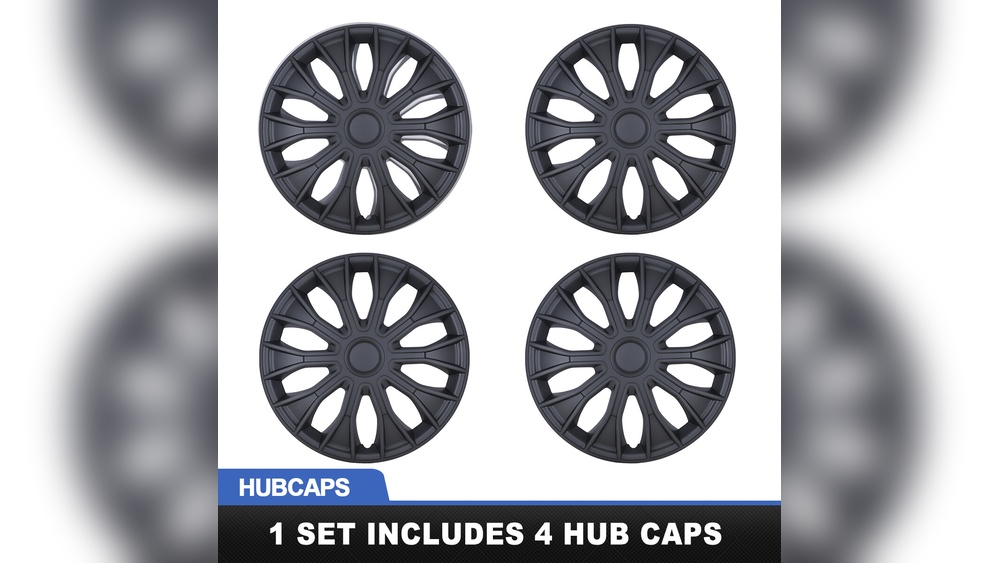
Have you ever noticed those covers over the wheels on a transit bus and wondered why they’re there? It might seem like a small detail, but wheel well covers play an important role in your daily commute.
They do more than just make the bus look sleek—they improve safety, boost fuel efficiency, and even help keep the bus cleaner. If you’re curious about how these simple covers make a big difference, keep reading. You’ll discover why transit buses use wheel well covers and how they benefit both you and the environment.
Purpose Of Wheel Well Covers
Wheel well covers serve a key role on transit buses. They are not just for looks. These covers help protect and improve the bus in several ways. Understanding their purpose shows why they are important for transit systems.
Protection Against Debris
Wheel well covers shield the wheels from dirt, rocks, and other road debris. This helps stop damage to tires and brakes. The covers also keep mud and water from splashing onto the bus body. This protection keeps the bus cleaner and safer for passengers.
Enhancing Aerodynamics
These covers help smooth the airflow around the wheels. This reduces wind resistance as the bus moves. Better aerodynamics can lead to improved fuel efficiency. It also lowers noise caused by air hitting the wheels. This makes rides quieter and more comfortable.
Reducing Maintenance Needs
By blocking debris, wheel well covers reduce wear on wheel parts. This cuts down on repairs and replacements. Less dirt buildup means easier cleaning and less rust. Overall, covers help lower maintenance costs and keep buses running longer.

Credit: www.reddit.com
Safety Benefits
Wheel well covers on transit buses offer important safety benefits. They protect both the bus and other road users. These covers help reduce risks on the road and create a safer environment for everyone.
They stop debris and water from flying off the wheels. They also lower the chance of tire damage and keep passengers safer inside the bus.
Preventing Road Spray
Wheel well covers block water and mud from splashing out. This keeps the road clearer and improves visibility for other drivers. Less spray means fewer accidents caused by poor vision on wet days.
Minimizing Tire Blowouts
Covers protect tires from sharp objects on the road. They reduce the risk of nails or glass hitting the tire surface. This helps prevent sudden tire blowouts, which can cause crashes.
Improving Passenger Safety
By reducing debris and spray, wheel well covers create a safer ride. Passengers feel more secure inside the bus. The bus is less likely to face emergency stops or accidents.
Environmental Impact
Wheel well covers on transit buses play a key role in protecting the environment. They help buses run cleaner and quieter. These covers improve how air flows around the wheels. This small change leads to big environmental benefits.
Lowering Emissions
Wheel well covers reduce air drag on buses. Less drag means the engine uses less fuel. Lower fuel use leads to fewer harmful gases released into the air. This helps reduce pollution in cities. Cleaner air supports better health for everyone.
Reducing Noise Pollution
Wheel well covers also cut down noise from the tires. They block some sound waves created by the wheels. Quieter buses help make city streets more peaceful. Less noise means less stress for people and animals. It improves the overall quality of urban life.
Economic Advantages
Wheel well covers on transit buses offer clear economic advantages. These covers help reduce costs over time. They protect parts and improve bus performance. Transit companies see benefits in fuel use and repair expenses.
Fuel Efficiency Gains
Wheel well covers help reduce air drag around the wheels. This leads to smoother airflow under the bus. Less drag means the engine uses less fuel. Fuel savings add up quickly for buses running daily. Even small improvements in fuel efficiency cut operating costs.
Lower fuel use also means fewer emissions. This supports cleaner city air and meets regulations. Fuel efficiency gains make transit more affordable and eco-friendly.
Cost Savings On Repairs
Covers protect wheel wells from dirt, water, and road debris. This reduces wear and tear on brakes and suspension parts. Fewer repairs mean less downtime and lower maintenance bills. Transit fleets can extend the life of key components. The savings help keep buses on the road longer and reduce overall expenses.
Design And Material Choices
Wheel well covers on transit buses protect key parts and improve the bus’s look. Their design and the materials used affect how well they perform. Choosing the right materials helps with durability, weight, and resistance to weather.
Designs vary based on the bus model and purpose. Covers must fit tightly to stop dirt and water from reaching the wheels. They also need to be strong to avoid damage from road debris.
Common Materials Used
Plastic is common for wheel well covers. It is light and resists rust. Plastic covers also reduce maintenance costs.
Metal, like aluminum or steel, offers strong protection. Aluminum is lighter and does not rust easily. Steel is very strong but heavier and may rust without treatment.
Rubber or composite materials add flexibility. They absorb shocks and protect better against impacts.
Customization Options
Manufacturers offer custom sizes for different bus models. Custom covers fit perfectly, improving protection.
Colors and finishes can match the bus’s design. This creates a uniform and clean look.
Some covers include extra features like vents or splash guards. These add extra protection and improve safety.

Credit: www.reddit.com
Industry Adoption And Trends
Wheel well covers on transit buses are becoming more popular in the industry. Many transit agencies adopt these covers to improve safety and efficiency. Trends show steady growth in their use across cities and regions. This section explores which agencies use wheel well covers and what innovations lie ahead.
Transit Agencies Using Covers
Several transit agencies use wheel well covers on their buses. These covers help reduce debris and improve aerodynamics. Cities with busy bus routes often install them to protect passengers and vehicles. Some agencies report fewer accidents related to wheel spray and debris. The covers also help keep buses cleaner and reduce maintenance costs. Agencies prioritize safety and choose wheel well covers as a smart solution.
Future Innovations
New designs for wheel well covers are in development. Future covers may use lighter and stronger materials. Some will have smart sensors to detect damage or wear. Innovations aim to improve fuel efficiency by reducing drag. Some covers could be easier to install and maintain. Technology will continue to make wheel well covers better and more useful for transit buses.
Credit: www.michiganautolaw.com
Frequently Asked Questions
Why Do Transit Buses Have Wheel Well Covers?
Wheel well covers protect the bus’s wheels from dirt, debris, and water spray. They improve safety by preventing road spray from hitting pedestrians and other vehicles. Additionally, these covers enhance the bus’s aerodynamics, leading to better fuel efficiency and reduced maintenance costs.
How Do Wheel Well Covers Improve Bus Aerodynamics?
Wheel well covers streamline airflow around the wheels, reducing air drag. This improved aerodynamics lowers fuel consumption and emissions. The smoother airflow also contributes to quieter bus operation and helps maintain consistent vehicle speed, enhancing overall transit efficiency.
Are Wheel Well Covers Required For Transit Buses?
While not always legally required, many transit authorities mandate wheel well covers for safety and cleanliness. They help meet environmental standards by reducing road spray pollution. Their installation is often part of a bus’s design to comply with local regulations and improve passenger comfort.
Do Wheel Well Covers Reduce Maintenance Costs?
Yes, wheel well covers reduce maintenance by preventing dirt and debris buildup. This protection extends the lifespan of tires and braking systems. By minimizing exposure to harsh road conditions, covers lower repair frequency and costs, keeping buses in better condition longer.
Conclusion
Wheel well covers on transit buses serve clear and practical purposes. They protect passengers from dirt and water splashes. These covers also help improve the bus’s fuel efficiency. By reducing air drag, they make the bus run smoother. Maintenance costs drop because parts stay cleaner and last longer.
Overall, wheel well covers add safety and savings for bus operators. Simple, useful, and effective. They show how small design details matter a lot.