

Have you ever walked into a restroom on the East Coast and noticed something missing? No toilet seat covers.
It might seem strange, especially if you’re used to seeing them elsewhere. You might wonder why businesses here don’t offer this simple comfort. Is it a cost thing? A cultural choice? Or something else entirely? Keep reading to discover the surprising reasons behind this common bathroom mystery.
Understanding this can change how you view public restrooms and even influence your next business visit.

Credit: harmonycr.com
Toilet Seat Covers In Public Restrooms
Toilet seat covers are common in many public restrooms across the country. They offer a barrier between the user and the toilet seat. This simple addition can help reduce the spread of germs. Many people feel more comfortable using restrooms with seat covers. Despite these benefits, some regions, like the East Coast, often lack them. Understanding the purpose and types of toilet seat covers helps explain their role in public hygiene.
Purpose And Benefits
Toilet seat covers protect users from germs on the seat. They create a thin barrier that limits skin contact. This barrier reduces the risk of infections. Using covers also improves the cleanliness of restrooms. They encourage people to use public toilets without worry. Many users feel safer and more hygienic. Covers show that the restroom cares about user health. This can improve the reputation of a business or facility.
Types Of Toilet Seat Covers
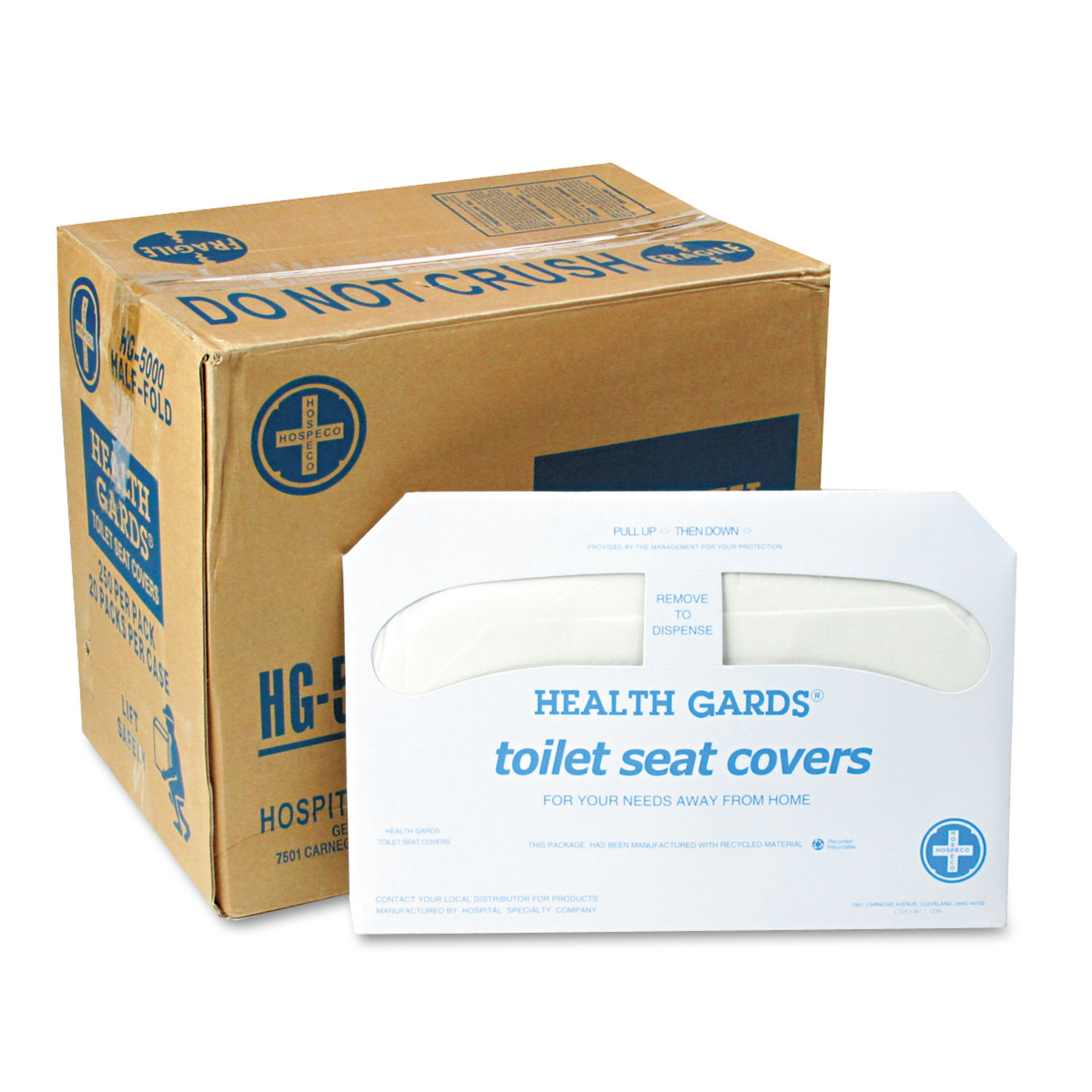
There are several types of toilet seat covers. The most common is the disposable paper cover. It is thin, easy to use, and thrown away after one use. Some restrooms use plastic covers, which are reusable but less common. Another option is the seat sanitizer spray. It cleans the seat before use but does not provide a physical barrier. Each type offers different levels of protection and convenience. Choosing the right type depends on the restroom’s needs and budget.
Credit: www.reliablepaper.com
Regional Hygiene Practices
Hygiene habits vary across different parts of the United States. These differences affect the presence of items like toilet seat covers in public restrooms. Understanding regional hygiene practices helps explain why East Coast businesses often skip toilet seat covers.
People on the East Coast tend to follow certain restroom customs. These customs shape the design and supplies found in their bathrooms. The choices reflect comfort levels and local preferences about cleanliness.
East Coast Norms
East Coast restrooms usually keep things simple. Toilet seat covers are rarely provided. Many believe proper handwashing and careful use of the seat reduce risk. Some also think seat covers are wasteful or unnecessary.
Businesses focus on regular cleaning and maintenance. They prefer using strong cleaning products. This approach feels more effective for many customers. The practice fits the fast-paced lifestyle common in this region.
West Coast And Other Regions
West Coast and some other regions often offer toilet seat covers. These areas emphasize extra hygiene steps. People value the added protection seat covers provide. Businesses respond by supplying them regularly.
The availability of seat covers may also link to local health codes. Some cities require more visible hygiene measures. This creates a different restroom experience compared to the East Coast.
Overall, regional habits shape what people expect in public bathrooms. The East Coast prefers minimal items but clean spaces. Other regions choose more visible hygiene aids like seat covers.
Cost And Maintenance Factors
Cost and maintenance play a big role in why many East Coast businesses skip toilet seat covers. These factors affect daily operations and budgets. Business owners want to keep expenses low and cleaning simple. Adding seat covers can increase both costs and work. This section explains the main reasons behind this choice.
Expense Of Installation
Installing toilet seat covers is not cheap. Businesses must buy machines or dispensers. These devices cost money upfront. Some need special models to fit different toilets. Installation may require a plumber or technician. This adds labor costs. For many businesses, the initial price is too high. They may choose to avoid this extra expense.
Cleaning And Upkeep Challenges
Maintaining toilet seat covers takes time and effort. Staff must check and refill covers often. If left empty, customers get frustrated. Covers can tear or jam in dispensers. This causes more work for cleaners. Wet or dirty covers can spread germs. Cleaning teams must clean both covers and dispensers. This raises the workload every day. Many businesses find this hard to manage. They prefer simpler bathroom maintenance routines.
Cultural And Behavioral Influences
Cultural and behavioral factors shape the way people use public restrooms. These influences explain why East Coast businesses rarely provide toilet seat covers. People’s views on cleanliness and their habits play a key role. Understanding these aspects helps clarify the difference in restroom setups across regions.
Public Perception Of Cleanliness
Many East Coast residents trust the cleanliness of public restrooms more than others. They believe regular cleaning is enough to keep surfaces safe. This belief reduces the demand for extra items like toilet seat covers. People see covers as unnecessary or even wasteful. The focus stays on frequent cleaning, not on adding protective layers.
User Habits Impacting Usage
Users on the East Coast tend to avoid touching restroom surfaces directly. Some lift the toilet seat or use toilet paper as a barrier. These habits lower the need for seat covers. Also, many feel that covers can be hard to find or use properly. This discourages businesses from supplying them regularly. Simple, familiar routines often guide restroom behavior more than added products.
Health And Safety Regulations
Health and safety regulations shape many business practices. These rules protect public health and ensure safe environments. They influence which bathroom supplies businesses provide, including toilet seat covers. Understanding these regulations helps explain why East Coast businesses may not offer seat covers.
Local Codes And Standards
Each state and city sets its own health codes. These codes decide what bathroom hygiene products are necessary. Many East Coast areas have strict cleaning standards. They require frequent restroom sanitation over extra items like seat covers. Officials believe strong cleaning reduces germs more than covers do.
Some local rules do not mention toilet seat covers at all. Businesses follow these codes to avoid fines or closures. They focus on meeting the exact legal requirements. This leaves less room for additional supplies like seat covers.
Impact On Business Choices
Business owners want to meet health rules while saving costs. They avoid buying items not required by law. Toilet seat covers add expense and require restocking. Many choose to invest in better cleaning products instead. This approach aligns with local health inspectors’ priorities.
Customers also influence business choices. Many people do not expect seat covers in public restrooms. This lowers demand, making covers less common. Businesses focus on visible cleanliness and safety compliance. This often means clean toilets but no seat covers.
Alternative Sanitation Solutions
East Coast businesses often skip toilet seat covers. They choose other ways to keep bathrooms clean and safe. These alternative sanitation solutions help stop germs and give users a better experience.
Automatic Cleaning Systems
Many places install automatic cleaning systems. These systems clean toilet seats after each use. Sensors detect when someone finishes and start the cleaning process. The system uses water, soap, or special sprays. This method keeps seats fresh without needing paper covers. It saves money and reduces waste too.
Disposable Seat Options
Some businesses offer disposable seat options. These are thin paper or plastic covers. Users place them on the seat before sitting. They throw the cover away after use. These covers are easy to use and provide a clean barrier. They help customers feel safe without extra cleaning steps.
Future Trends In Restroom Hygiene
Restroom hygiene is changing fast. Businesses on the East Coast are beginning to explore new ways to keep public restrooms clean and safe. These changes focus on better sanitation methods and meeting new customer needs. Understanding future trends helps explain why some traditional items, like toilet seat covers, are less common.
Innovations In Sanitation
Technology is improving restroom cleanliness. Touchless fixtures like faucets and soap dispensers reduce germ spread. Automatic toilet seat sanitizers are gaining attention. Some restrooms use UV light to kill bacteria on surfaces. These tools offer cleaner spaces without extra effort from users. They also reduce the need for disposable items like seat covers.
Shifts In Consumer Expectations
People want faster, easier restroom visits. They prefer touch-free and self-cleaning options. Many believe traditional seat covers do not add much protection. Consumers now focus on overall cleanliness and air quality. Businesses respond by investing in better ventilation and cleaning routines. These trends shape restroom design and hygiene standards.

Credit: www.ebay.com
Frequently Asked Questions
Why Don’t East Coast Businesses Provide Toilet Seat Covers?
East Coast businesses often skip toilet seat covers due to regional hygiene norms and maintenance costs. They may rely on regular cleaning and other sanitary measures instead. This approach aligns with local customer preferences and practical facility management.
Are Toilet Seat Covers Less Common In East Coast Public Restrooms?
Yes, toilet seat covers are less common on the East Coast. Many businesses focus on frequent cleaning rather than disposable covers. This trend reflects local habits and cost-effectiveness in restroom upkeep.
Do East Coast Customers Prefer No Toilet Seat Covers?
Many East Coast customers accept restrooms without seat covers. They trust cleaning routines and may find covers unnecessary. Preferences vary, but this influences business restroom policies.
How Do East Coast Businesses Maintain Restroom Hygiene Without Covers?
Businesses maintain hygiene through frequent cleaning, disinfecting, and good ventilation. Staff often sanitize toilets multiple times daily. This method ensures cleanliness without using disposable seat covers.
Conclusion
East Coast businesses often skip toilet seat covers due to local habits and costs. Many people trust cleaning staff to keep restrooms safe. Also, public restrooms have other hygiene options like disinfectant sprays. Some find covers less practical or wasteful.
Cultural differences shape restroom choices across regions. Understanding these reasons helps explain the absence of covers. It shows how habits and preferences influence business decisions. Restroom hygiene stays important, even without seat covers. Each place adapts to its own needs and customs.


