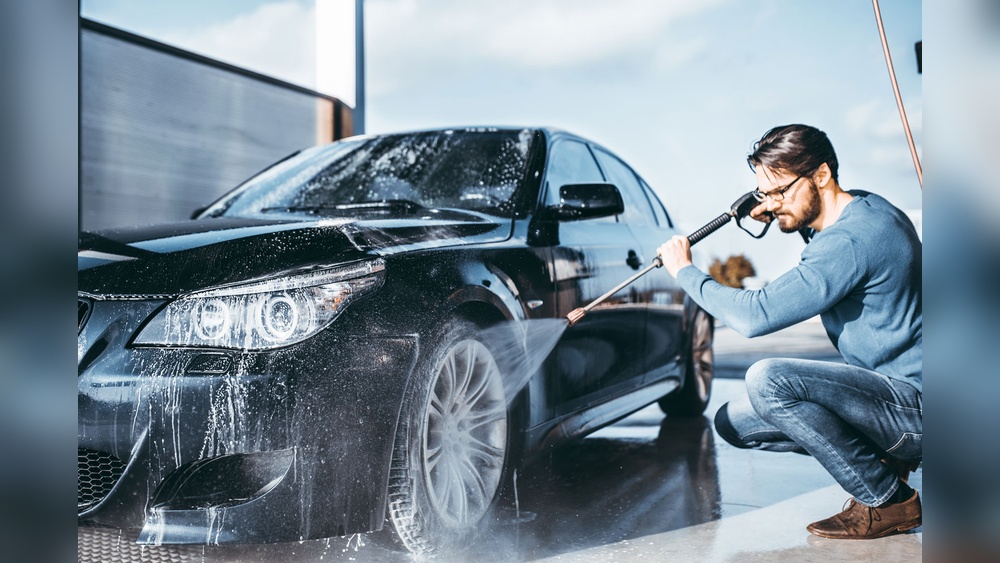
You love keeping your car spotless, and a home pressure washer is your best friend for the job. But have you ever thought about how to clean your pressure washer itself?
If you don’t take care of your equipment, it won’t work as well, and your car won’t get the shine it deserves. In this guide, you’ll discover simple, effective steps to clean your car home pressure washer so it stays powerful and ready whenever you need it.
Keep reading—you’ll save time, avoid costly repairs, and get the most out of your washer every single time.

Credit: www.walmart.com
Choosing The Right Pressure Washer
Choosing the right pressure washer is key to cleaning your car safely and effectively. A good pressure washer removes dirt without damaging the paint or surface. Picking the wrong one can cause scratches or water damage. Understand the different types and settings to protect your vehicle and get the best results.
Types Of Pressure Washers
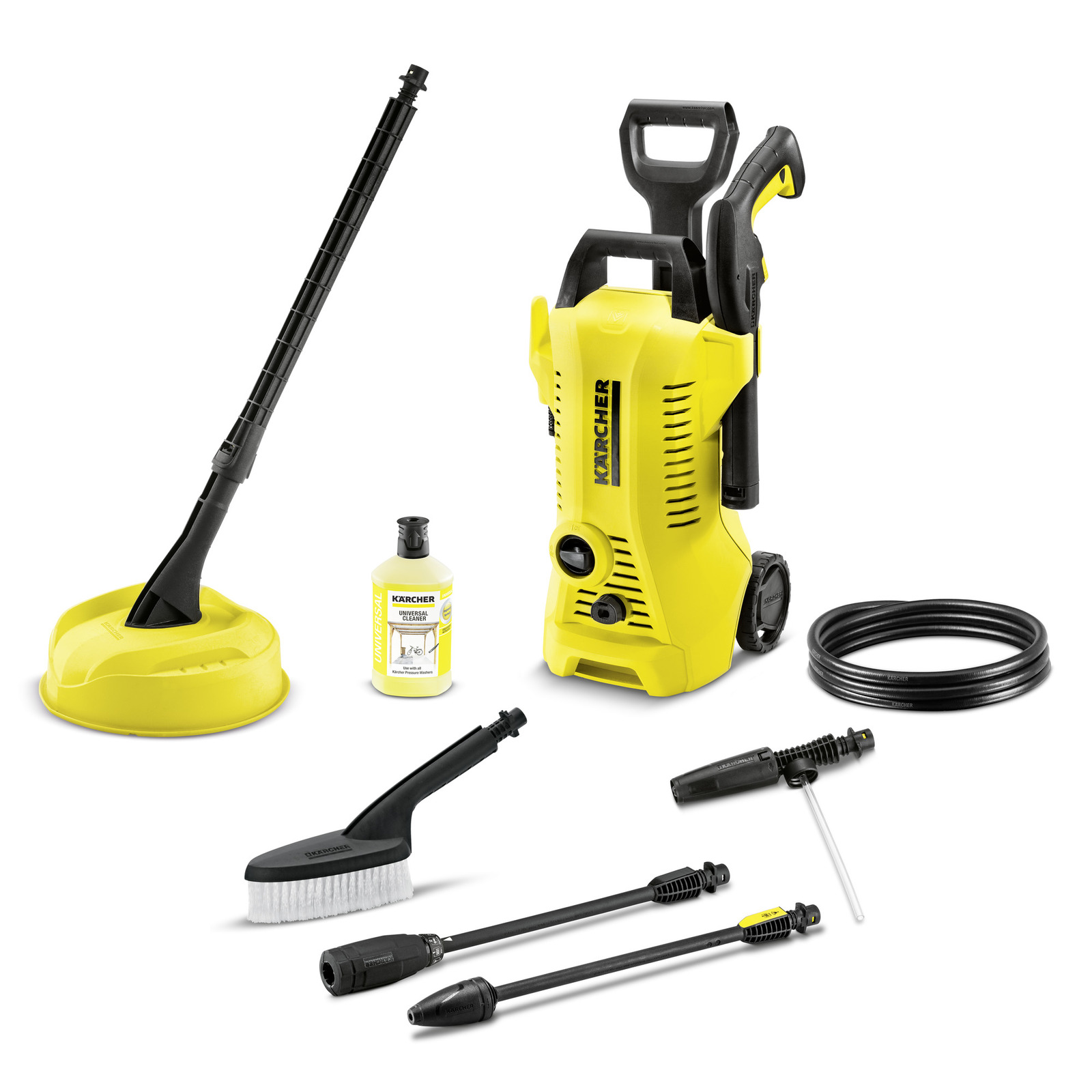
Pressure washers come in electric and gas models. Electric washers are quieter and lighter. They suit small jobs like washing cars. Gas washers are powerful but heavier and noisier. They work best for tough outdoor cleaning. For cars, electric pressure washers usually offer enough power.
Ideal Pressure Settings For Cars
Pressure settings matter a lot for car cleaning. Too much pressure can strip paint or force water inside parts. Choose a washer with a pressure between 1200 and 1900 PSI. This range cleans dirt and grime well without damage. Use a wide spray nozzle to spread the pressure evenly.
Essential Accessories
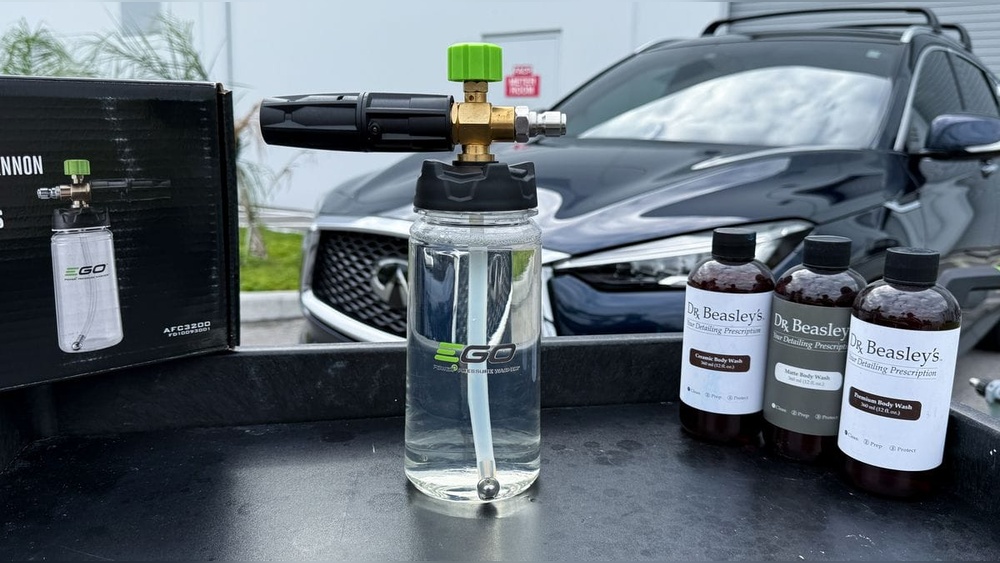
Accessories help improve cleaning and protect your car. A foam cannon adds soap evenly for better dirt removal. A soft brush attachment helps scrub stubborn spots gently. Use a pressure washer wand extension to reach difficult areas. Choose accessories made for car washing to avoid scratches.

Credit: www.turtlewax.com
Preparing Your Car For Cleaning
Preparing your car before using a home pressure washer is important. It helps protect your car’s surface and gets better cleaning results. Taking small steps saves time and avoids damage. Follow these simple tips to get ready for washing your car.
Removing Loose Dirt And Debris
Start by removing loose dirt and debris from your car’s surface. Use a soft brush or a cloth to wipe off dust and leaves. This prevents scratching the paint when using the pressure washer. Pay attention to the wheels and under the fenders where dirt collects. Removing loose dirt first makes the cleaning process easier and safer.
Protecting Sensitive Areas
Cover sensitive parts like electrical components, air vents, and mirrors with plastic or tape. Avoid spraying water directly on these areas to prevent damage. Check door seals and windows for tight closure to keep water out. Protecting these spots keeps your car safe during pressure washing.
Selecting Appropriate Cleaning Solutions
Choose cleaning solutions made for cars and pressure washers. Avoid harsh chemicals that can damage paint or plastic. Use mild soap or car shampoo diluted with water. Read product labels to ensure compatibility with your pressure washer. Proper cleaning solutions improve results and protect your car’s finish.
Setting Up The Pressure Washer
Setting up your home pressure washer correctly is key to cleaning your car safely and well. It helps protect your vehicle and ensures the washer works without problems. Follow these simple steps to get ready.
Connecting Hoses And Nozzles
Start by attaching the garden hose to the pressure washer’s water inlet. Tighten it to avoid leaks. Next, connect the high-pressure hose to the machine’s outlet. Check that it clicks firmly in place. Choose the right nozzle for car cleaning. Usually, a 25-degree or 40-degree nozzle works best. Attach the nozzle to the spray gun securely.
Checking Water Supply
Turn on the water tap fully. Make sure the water flows freely through the hose. No blockages or kinks should be in the hose. A steady water flow prevents damage to the pressure washer pump. Check water pressure if possible. It should be at least 20 PSI for good cleaning power.
Testing Pressure Levels
Plug in the pressure washer or start the engine. Hold the spray gun firmly and pull the trigger. Begin spraying water into a safe area, like a driveway. Watch the spray pattern and pressure. Adjust the pressure control knob if your model has one. Use the lowest pressure needed to clean your car safely.
Step-by-step Cleaning Process
Cleaning your car with a home pressure washer is easy and effective. Follow a clear step-by-step process for the best results. This method helps remove dirt and grime without damaging your car’s paint. Each step is important to keep your vehicle clean and shiny.
Rinsing The Car Surface
Start by rinsing the entire car with plain water. Use the pressure washer on a low setting. This removes loose dirt and dust from the surface. Rinse from top to bottom for even cleaning. Avoid staying too long in one spot to prevent damage.
Applying Soap And Detergent
Next, apply a car-friendly soap or detergent. Use a foam cannon or soap dispenser on your pressure washer. Cover the car evenly with soap. Let it sit for a few minutes to loosen dirt. Do not let the soap dry on the car’s surface.
Scrubbing Stubborn Spots
Use a soft brush or sponge to scrub tough stains. Focus on areas with bird droppings, tar, or bug splatters. Be gentle to avoid scratching the paint. Work in small sections for better control. Rinse the brush often to remove dirt.
Final Rinse Techniques
Finish by rinsing off all soap and dirt. Use clean water at medium pressure. Rinse from top to bottom again. Check for any missed spots and rinse them. Dry the car with a microfiber cloth to prevent water spots.
Safety Tips While Using Pressure Washer
Using a pressure washer to clean your car at home can save time and effort. Safety is very important to avoid damage and injury. Follow these safety tips to protect your car, yourself, and others around you.
Avoiding Paint Damage
Keep the nozzle at least 12 inches from the car’s surface. Use a low-pressure setting for delicate areas. High pressure can strip paint or cause scratches. Test on a small hidden spot first. Move the spray in smooth, even strokes. Avoid spraying directly at edges or corners to prevent chipping.
Protecting Yourself And Others
Wear safety glasses and gloves to protect your eyes and hands. Avoid loose clothing that may catch in the washer. Keep pets and children away from the area. Stand firmly on stable ground. Never aim the spray at people or animals. Pause regularly to check your surroundings for safety.
Handling Electrical Components
Make sure your pressure washer is properly grounded. Avoid using the washer in wet conditions to prevent electric shock. Keep electrical cords away from water and sharp edges. Inspect cords for damage before each use. Always unplug the machine when not in use or during maintenance. Use a GFCI outlet to add extra protection.
Credit: www.kaercher.com
Post-cleaning Maintenance
After washing your car with a home pressure washer, proper care is essential. Post-cleaning maintenance helps keep your car shiny and your washer in good shape. This step extends the life of your equipment and protects your car’s finish.
Drying The Car Properly
Use a clean, soft towel or microfiber cloth to dry the car. Pat the surface gently to avoid scratches. Pay attention to door edges and mirrors where water collects. Drying prevents water spots and streaks from forming.
Inspecting For Missed Areas
Check your car carefully under good light. Look for dirt or grime you may have missed. Clean those spots using a cloth or sponge with soapy water. Ensuring a thorough clean keeps your car looking its best.
Storing The Pressure Washer
Turn off and unplug the pressure washer. Drain all water from the hose and machine to prevent damage. Store it in a dry, cool place away from sunlight. Proper storage avoids rust and keeps your washer ready for the next use.
Troubleshooting Common Issues
Troubleshooting common problems with your home pressure washer saves time and frustration. Simple fixes often restore your machine’s performance. Understanding key issues helps keep your car cleaning smooth and efficient.
Low Pressure Problems
Low pressure usually means a blockage or pump issue. Check the water supply first. A weak water flow reduces pressure. Clean or replace the filter if dirty. Inspect the hose for kinks or leaks. A worn pump seal might need changing. Test the spray nozzle for damage. Tighten all connections securely. Regular maintenance prevents many pressure drops.
Nozzle Clogs
Nozzle clogs block water flow and reduce cleaning power. Remove the nozzle and soak it in warm water. Use a small pin to clear debris gently. Avoid using metal tools that can damage the nozzle. Flush the nozzle with clean water before reinstalling. Clean the nozzle after every use to avoid buildup. Proper nozzle care keeps spray patterns strong and consistent.
Water Leakage Solutions
Leaks waste water and lower pressure. Inspect all seals and O-rings for cracks. Replace any damaged or worn parts immediately. Tighten loose fittings with a wrench but avoid overtightening. Check the hose for holes or tears. Use hose tape to seal minor leaks. Store your pressure washer in a dry place. Preventing leaks extends the life of your machine.
Frequently Asked Questions
How Often Should I Clean My Car Home Pressure Washer?
You should clean your pressure washer after every 5 uses. Regular cleaning prevents clogs and prolongs its life. Always check the nozzle and filters for debris. Proper maintenance ensures optimal performance and avoids costly repairs.
What Materials Do I Need To Clean A Pressure Washer?
To clean your pressure washer, use water, mild detergent, a soft brush, and a clean cloth. Avoid harsh chemicals that damage parts. Also, have a nozzle cleaning tool and lubricant for best results.
Can I Use Vinegar To Clean My Pressure Washer?
Yes, diluted vinegar is safe to clean mineral deposits in your pressure washer. Mix one part vinegar with two parts water. Run this solution through the system to remove buildup. Rinse thoroughly afterward to prevent corrosion.
How Do I Clean The Pressure Washer Nozzle Effectively?
Remove the nozzle and soak it in warm, soapy water. Use a small brush or nozzle cleaning tool to clear blockages. Rinse with clean water and dry before reattaching. Regular cleaning maintains spray quality and pressure.
Conclusion
Cleaning your home pressure washer keeps it working well. Regular care prevents damage and saves money. Rinse parts carefully and dry them fully. Store the washer in a dry, safe place. Follow these simple steps to extend its life. A clean machine means better pressure and efficiency.
Keep it ready for your next car wash. Small efforts now avoid big problems later. Easy to do, and worth the time. Your pressure washer will thank you.