

Have you ever felt your car’s steering wheel shaking while you’re driving? It’s not just annoying—it can be a sign that something isn’t right with your vehicle.
You might wonder if it’s safe to keep driving or if you need to fix it right away. Understanding why your steering wheel shakes can save you from bigger problems and keep you in control on the road. Keep reading to find out the common causes and what you can do about them before it turns into a costly repair.

Credit: www.youtube.com
Common Causes Of Steering Wheel Shaking
Steering wheel shaking is a common issue many drivers face. It affects driving comfort and safety. Understanding the causes helps fix the problem fast. Several parts of your car can lead to this shaking. Identifying the exact cause saves time and money on repairs.
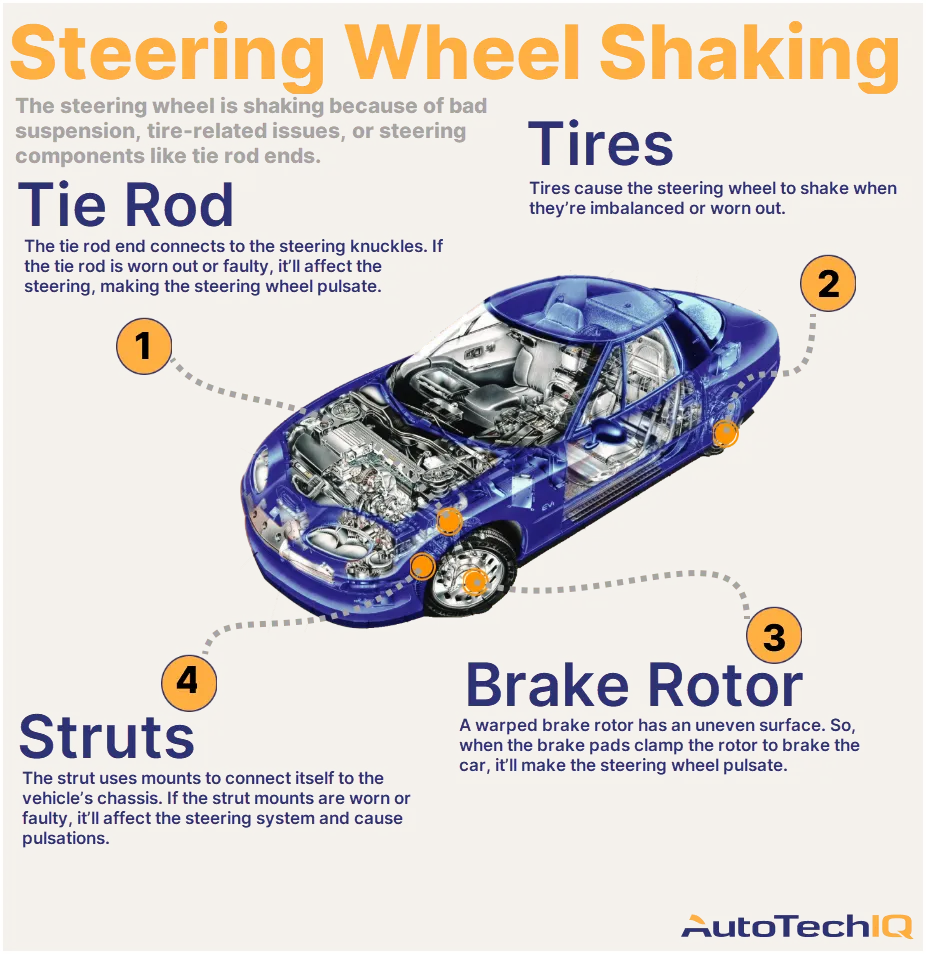
Wheel Balancing Issues
Unbalanced wheels cause vibrations felt in the steering wheel. This happens when tire weight is unevenly spread. It usually starts at speeds above 50 mph. Balancing corrects this by adding small weights to the rim. Regular wheel balancing keeps your drive smooth and safe.
Tire Problems
Damaged or worn tires often cause shaking. Look for bulges, cuts, or uneven wear on tires. Low tire pressure can also lead to vibration. Replacing damaged tires or keeping them properly inflated stops shaking. Check tires regularly to avoid this common issue.
Brake System Faults
Warped brake rotors can make the steering wheel shake. This happens mostly when braking at high speeds. The shaking feels like a pulsing in the wheel. Brake pads that wear unevenly also contribute to this problem. Getting a brake check ensures your safety and smooth steering.
Suspension And Alignment
Misaligned wheels cause uneven tire wear and vibrations. Suspension parts like shocks and struts wear out over time. This leads to poor steering control and shaking. Getting a wheel alignment and suspension check improves handling. It also extends the life of your tires.
Worn Steering Components
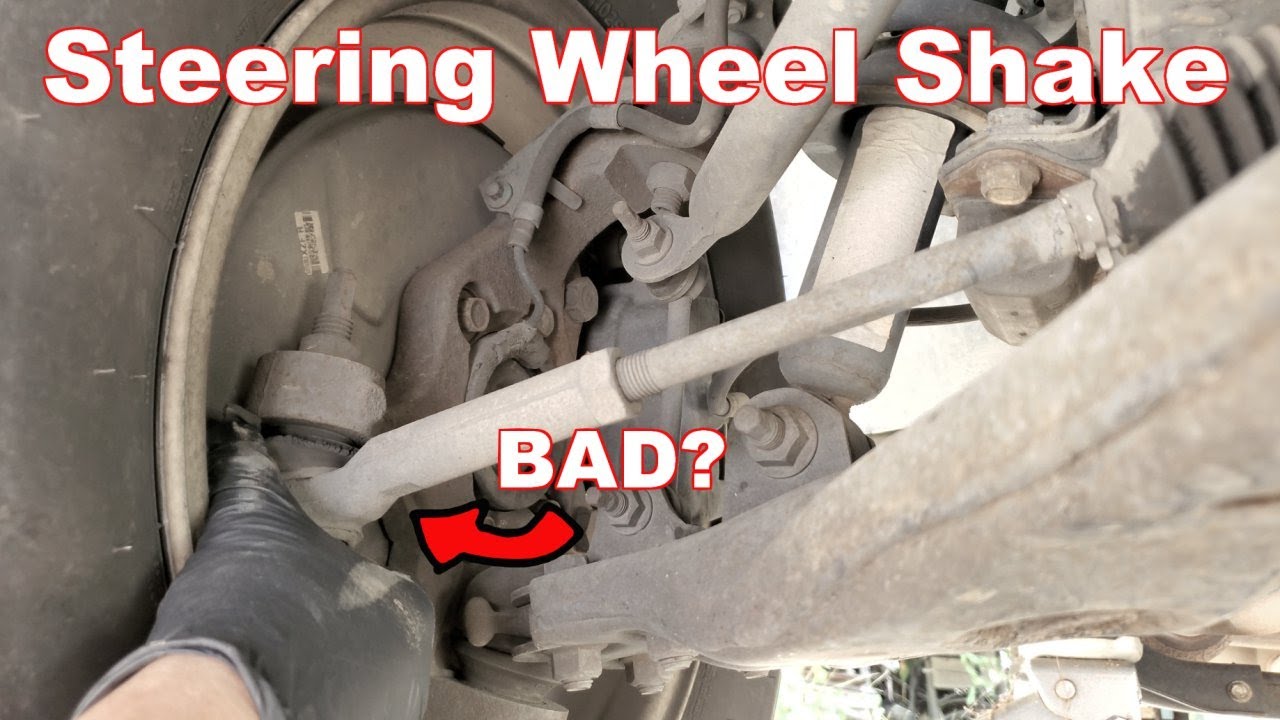
Old or damaged steering parts cause instability in the wheel. Tie rods, ball joints, and bushings wear down with use. This wear leads to loose steering and shaking. Replacing worn parts restores steering precision. Regular inspections catch these issues early.
Credit: www.autotechiq.com
Diagnosing The Problem
Steering wheel shaking can signal several car issues. Diagnosing the problem helps find the exact cause. This way, you can fix it safely and quickly. Start by checking the most common areas that affect steering.
Checking Tire Condition
Worn or damaged tires often cause steering wheel shaking. Look for uneven tread wear or bald spots. Check tire pressure and adjust it to the recommended level. Bulges or cracks on the tire sidewall also affect balance and grip. Replace tires that show serious damage or uneven wear patterns.
Inspecting Wheel Balance
Unbalanced wheels create vibrations at higher speeds. Small weights added to wheels keep them balanced. Visit a tire shop to have your wheels checked and balanced. This service is quick and can stop shaking immediately. Balanced wheels improve driving comfort and tire life.
Examining Brake Rotors
Warped brake rotors cause shaking, especially when braking. Feel for vibrations or pulsations in the steering wheel while slowing down. Warped rotors often result from overheating or wear. A mechanic can measure rotor thickness and smooth or replace damaged rotors. Proper brake function keeps steering steady and safe.
Assessing Suspension Parts
Loose or damaged suspension parts affect steering stability. Check ball joints, tie rods, and control arms for wear or play. Worn suspension parts cause uneven tire wear and shaking. Have a professional inspect and replace faulty components. Good suspension keeps your car stable and steering smooth.
Quick Fixes For Steering Wheel Shake
Steering wheel shake can disrupt your driving comfort and safety. Quick fixes can often solve this issue fast. These fixes target the main causes of shaking. You can try some on your own or ask a mechanic to help. This section covers easy ways to stop your steering wheel from shaking.
Balancing Your Wheels
Unbalanced wheels cause vibrations in the steering wheel. Balancing redistributes the weight evenly around the wheels. This process smooths out the ride and reduces shaking. It usually requires special equipment at a tire shop. Balanced wheels help your tires wear evenly too.
Replacing Damaged Tires
Damaged or worn tires often cause steering wheel shake. Look for cracks, bulges, or uneven tread wear. Replace tires that show these signs to improve safety. New tires provide better grip and stability. Properly maintained tires keep your steering steady.
Brake Rotor Resurfacing
Warped brake rotors can create shaking when braking. Resurfacing smooths the rotor surface for better contact. This fix reduces vibration during stopping. It helps your brakes work efficiently and safely. A mechanic can check and resurface your brake rotors.
Realigning Suspension
Misaligned suspension affects how the steering wheel feels. Realignment adjusts the angles of wheels to factory settings. This fix improves handling and reduces shaking. Proper alignment also prevents tire wear. Suspension checks keep your car driving straight.
Tightening Or Replacing Steering Parts
Loose or worn steering parts cause instability and shake. Tightening bolts and joints may stop the vibration. Replacing damaged parts restores proper steering control. Regular inspections can catch these issues early. Well-maintained steering parts ensure smooth driving.
When To See A Mechanic
Knowing when to see a mechanic is key if your steering wheel shakes. This issue can signal serious problems that affect your safety. Acting fast helps prevent costly repairs and keeps you safe on the road.
Persistent Shaking After Repairs
Your steering wheel should stop shaking after a repair. If it still shakes, the problem may not be fixed. This means you should visit a mechanic again. They will check for missed issues or new problems.
Unusual Noises Or Vibrations
Strange noises with shaking are a warning sign. Vibrations felt in the steering or car body need attention. These sounds often mean parts are loose or damaged. A mechanic can find the cause and fix it.
Safety Concerns
Shaking steering can make driving unsafe. It can reduce control of the car. If you feel unsafe or lose control, stop driving. Call a mechanic right away for help. Safety must always come first.
Preventive Maintenance Tips
Preventive maintenance helps keep your car running smoothly. It stops problems that cause steering wheel shaking. Regular checks save money and avoid trouble on the road. Follow these simple tips to keep your steering steady and safe.
Regular Tire Rotation
Rotate your tires every 5,000 to 7,000 miles. This helps tires wear evenly. Uneven tire wear can cause shaking in the steering wheel. Rotating tires extends their life and improves driving comfort.
Routine Wheel Alignment
Check wheel alignment once a year or after hitting a bump. Misaligned wheels make your steering wheel shake. Proper alignment ensures your car drives straight. It also prevents uneven tire wear and saves fuel.
Brake System Checks
Inspect your brake system regularly. Worn brake pads or warped rotors cause vibration when braking. This can feel like shaking in the steering wheel. Keeping brakes in good shape improves safety and smooth driving.
Suspension Inspections
Check your suspension parts for wear or damage. Faulty shocks or struts lead to steering problems. Suspension issues cause your steering wheel to shake on rough roads. Regular inspections keep your car stable and comfortable.
Credit: www.youtube.com
Frequently Asked Questions
Why Is My Car Steering Wheel Shaking At High Speeds?
Steering wheel shaking at high speeds often indicates unbalanced tires or misaligned wheels. It can also signal worn suspension parts. Balancing tires and checking alignment usually resolves this issue and improves driving safety.
Can Worn Brake Rotors Cause Steering Wheel Vibration?
Yes, worn or warped brake rotors can cause the steering wheel to shake when braking. This vibration occurs because the uneven rotor surface affects brake pad contact, leading to pulsation in the steering wheel.
How Do Tire Problems Lead To Steering Wheel Shaking?
Tire issues like uneven wear, improper inflation, or damaged tires can cause steering wheel shaking. These problems create imbalance and uneven contact with the road, resulting in vibrations that you can feel through the steering wheel.
Does Steering Wheel Shaking Mean Suspension Issues?
Yes, worn suspension components like tie rods or ball joints can cause steering wheel shaking. These parts maintain wheel stability, and their failure leads to vibrations and unsafe driving conditions.
Conclusion
A shaking steering wheel signals a problem that needs attention. It can mean tire, brake, or alignment issues. Ignoring it can cause bigger damage and unsafe driving. Regular car check-ups help find and fix these problems early. Stay alert to how your car feels on the road.
Taking care of small issues keeps you safe and saves money. Don’t wait until the shaking gets worse. Act quickly to keep your car running smoothly.


