

Is your car’s steering wheel shaking while you drive? It’s more than just an annoying wobble—it could be a sign of a serious problem.
You might feel uneasy or worried about your safety every time you grip the wheel. But don’t ignore it. Understanding why this happens can help you fix the issue before it gets worse. Keep reading to find out what causes your steering wheel to shake and what you can do to stop it.
Your safety and peace of mind depend on it.

Credit: www.yourmechanic.com
Common Causes Of Steering Wheel Shaking
Steering wheel shaking is a common problem many drivers face. It can make driving uncomfortable and unsafe. Understanding the common causes helps find the right fix. This section explains the main reasons your steering wheel might shake. Each cause affects your car’s performance and safety differently.
Wheel Imbalance
Wheel imbalance is a frequent cause of steering wheel shaking. Wheels can lose balance after hitting potholes or curbs. Unbalanced wheels cause vibrations, especially at higher speeds. Balancing the wheels restores smooth driving and stops shaking.
Tire Issues
Tire problems also lead to steering wheel shaking. Worn-out tires, uneven tread, or damaged tires cause vibrations. Low tire pressure can make shaking worse. Checking and maintaining tires regularly prevents these issues.
Brake System Problems
Brake problems may cause shaking when braking. Warped brake rotors or worn brake pads create vibrations. The shaking often grows stronger while applying brakes. Fixing brake parts improves safety and stops shaking.
Suspension And Alignment Faults
Faults in suspension or alignment affect steering stability. Misaligned wheels cause uneven tire wear and shaking. Damaged suspension parts reduce control and comfort. Proper alignment and suspension repair keep the steering steady.
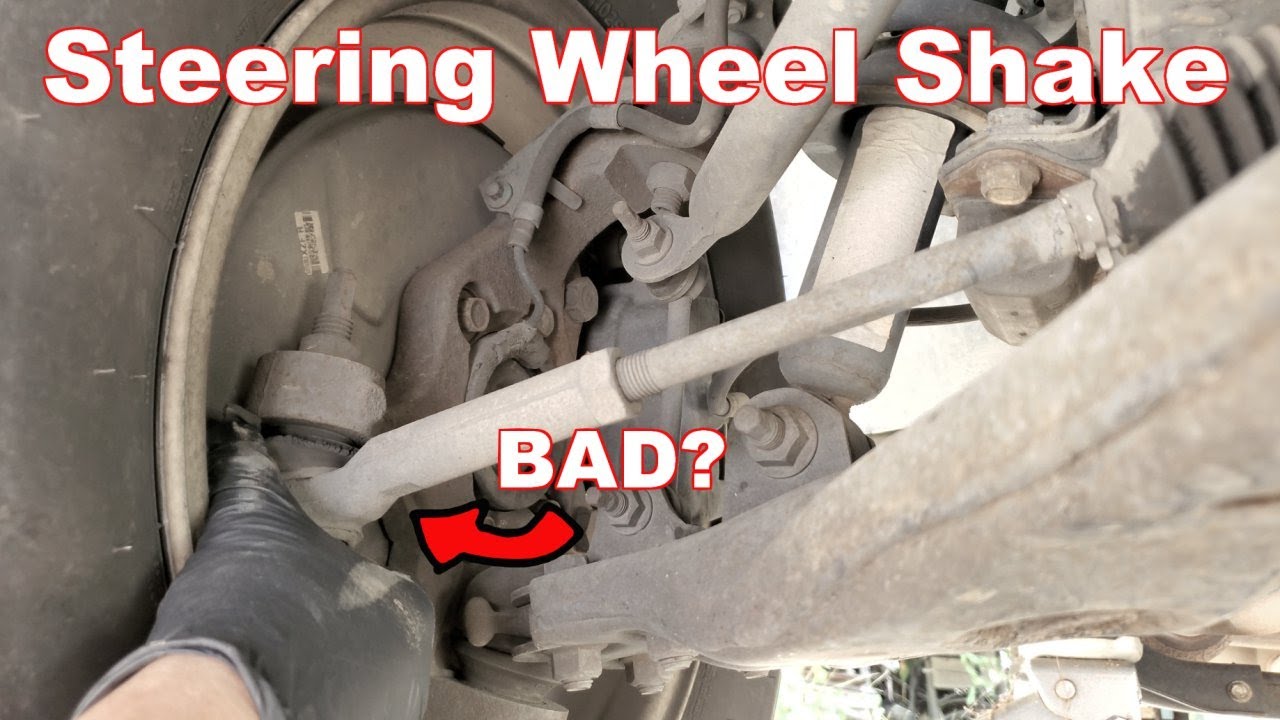
Steering System Wear
Wear in the steering system parts causes shaking. Loose or worn components create play in the steering. This makes the wheel feel shaky and less responsive. Replacing worn parts restores smooth steering control.
Credit: www.youtube.com
Diagnosing The Problem
Steering wheel shaking can signal many car problems. Diagnosing the issue early helps keep you safe. Start by understanding when the shaking happens. Then, check your car visually for obvious signs. Finally, use professional tools for a clear diagnosis.
When Does The Shaking Occur?
Notice if the shaking happens at certain speeds. Does it occur only when braking or turning? Sometimes, shaking appears only at high speeds. Other times, it happens when you accelerate. Knowing the exact moment helps narrow down the cause.
Visual Inspection Tips
Look at your tires first. Check for uneven wear or damage. Inspect the wheel rims for dents or cracks. Examine brake components for rust or wear. Look under the car for loose parts. These simple checks often reveal visible problems.
Professional Diagnostic Tools
Mechanics use special tools to find hidden issues. A wheel alignment machine checks tire angles. A vibration analyzer detects balance problems. Brake testers measure brake system health. These tools provide accurate information beyond visual checks.
Quick Fixes For Steering Wheel Shaking
Steering wheel shaking can make driving unsafe and uncomfortable. Quick fixes can solve many common causes. These fixes help improve control and extend your car’s life. Here are some simple steps to stop the shaking and make driving smooth again.
Balancing The Wheels
Unbalanced wheels cause vibrations at higher speeds. Balancing adds small weights to wheels. This evens out the weight around the tire. Balanced wheels reduce shaking and improve ride quality. Visit a mechanic to get your wheels balanced quickly.
Tire Rotation And Replacement
Uneven tire wear can lead to shaking. Rotating tires spreads wear evenly across all tires. This helps tires last longer and drives smoother. Replace tires if the tread is too low or damaged. Good tires are key to a steady steering wheel.
Brake Maintenance
Warped brake rotors cause shaking when braking. Brake pads and rotors need regular checks. Replace worn brake parts to stop vibrations. Proper brake maintenance keeps you safe and stops steering wheel shake.
Alignment Adjustment
Misaligned wheels pull your car sideways and shake the wheel. Alignment fixes the angles of tires. It improves tire life and steering control. An alignment check is fast and affordable. It stops shaking and helps your car run straight.
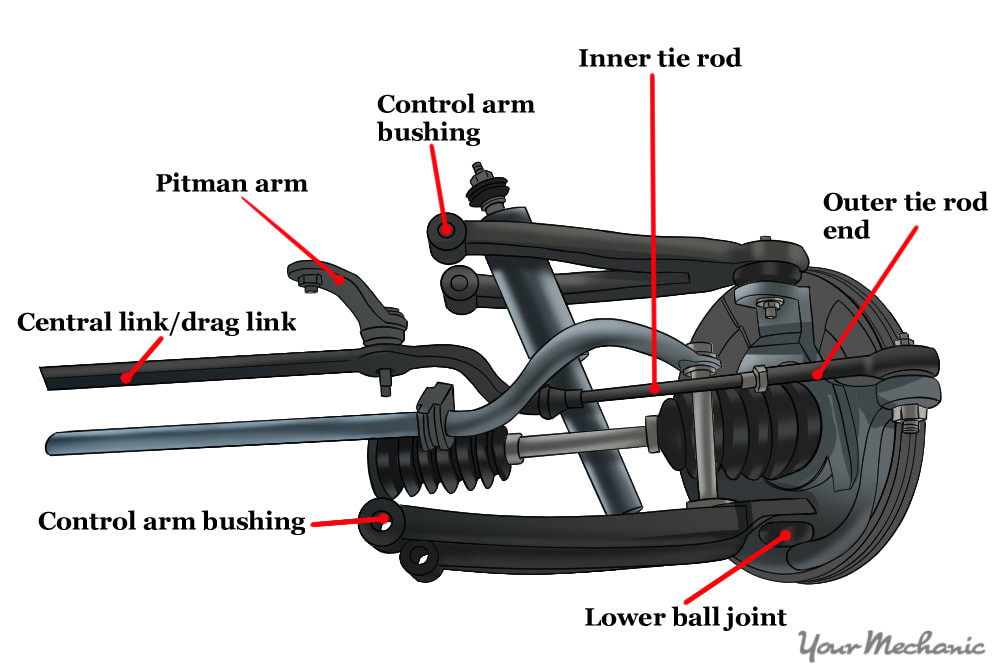
Steering Component Repair
Worn or loose steering parts cause wheel shaking. Tie rods, ball joints, and bearings need inspection. Repair or replace damaged parts to restore smooth steering. Proper steering maintenance ensures safe handling and no shaking.
Credit: www.yourmechanic.com
Preventing Future Steering Issues
Preventing future steering problems helps keep your car safe and smooth to drive. Small checks and care can stop shaking and other issues. Follow these simple steps to protect your steering system.
Regular Tire Maintenance
Check tire pressure often. Uneven tire pressure causes shaking and poor control. Rotate tires every 5,000 to 7,000 miles to ensure even wear. Balance tires to avoid vibrations. Replace tires when tread is low for better grip.
Scheduled Brake Checks
Brakes affect steering stability. Worn brake pads or discs can cause vibrations. Inspect brakes regularly and replace parts as needed. Proper brake function helps the car stop smoothly and prevents shaking.
Routine Suspension Inspections
The suspension system supports your car and affects steering feel. Worn shocks, struts, or bushings cause shaking. Have a mechanic check suspension parts during regular service. Fixing suspension problems early keeps steering steady.
Safe Driving Habits
Avoid sudden steering moves and harsh braking. Drive slowly on rough roads to reduce stress on steering parts. Stay clear of potholes and bumps when possible. Gentle driving helps prevent wear and keeps steering smooth.
Frequently Asked Questions
Why Is My Car’s Steering Wheel Shaking While Driving?
A shaking steering wheel often indicates tire or wheel balance issues. It can also stem from misaligned wheels, worn suspension parts, or brake problems. Identifying the cause early prevents further damage and ensures safe driving.
Can Unbalanced Tires Cause Steering Wheel Vibration?
Yes, unbalanced tires commonly cause steering wheel vibration. When tires lose balance, they create uneven rotation, leading to shaking. Regular tire balancing helps maintain smooth driving and extends tire life.
Does Steering Wheel Shake Only When Braking?
Steering wheel shaking during braking usually points to warped brake rotors. Warped rotors cause uneven brake pad contact, resulting in vibration. Inspecting and replacing rotors restores smooth braking and steering control.
How Does Wheel Alignment Affect Steering Wheel Stability?
Poor wheel alignment leads to uneven tire wear and steering wheel shaking. Proper alignment ensures tires track straight, reducing vibration and improving fuel efficiency. Regular alignment checks maintain vehicle safety and comfort.
Conclusion
A shaking steering wheel should never be ignored. It often signals problems with tires or alignment. Driving with this issue can be unsafe. Check your car soon to avoid bigger repairs. Regular maintenance keeps your ride smooth and safe. Don’t wait until the shaking gets worse.
Stay alert and take care of your vehicle today.


