

Have you ever noticed the small flap on toilet seat covers and wondered why it’s there? It might seem like a tiny detail, but that little flap plays a bigger role than you think.
Understanding its purpose can change the way you see public restrooms and even improve your hygiene habits. Keep reading, and you’ll discover why this flap exists—and how it can make your bathroom visits cleaner and safer.
Credit: horow.com
Purpose Of The Flap
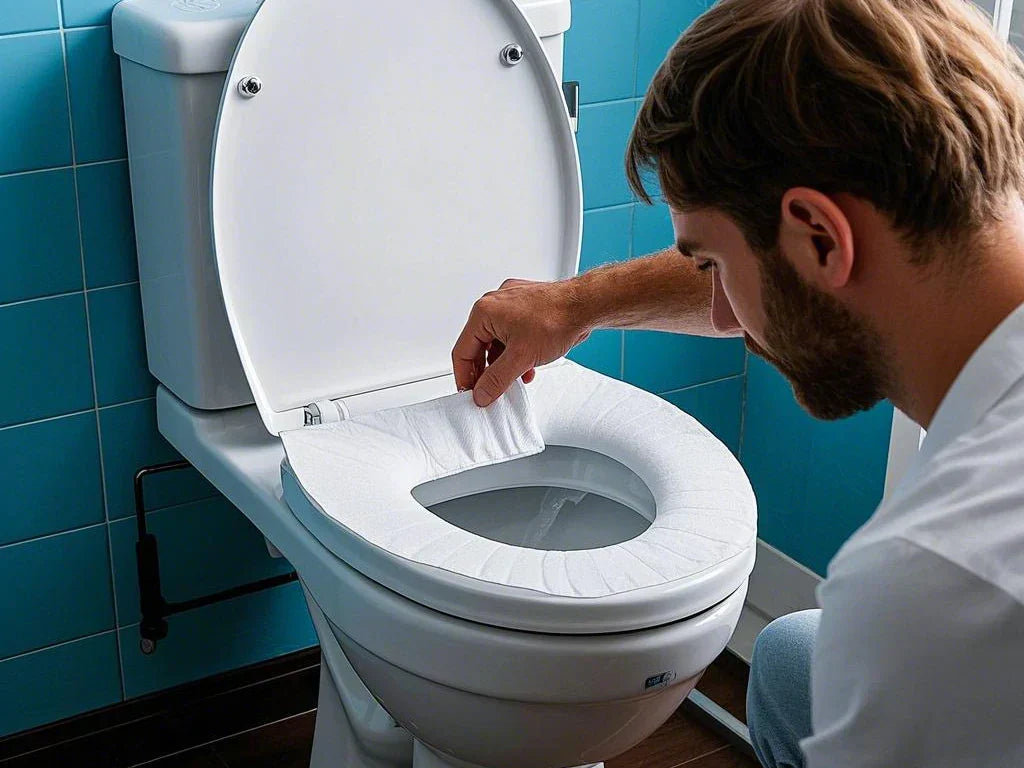
The flap on toilet seat covers has a clear purpose. It is not just a small extra piece of paper. This flap plays an important role in keeping the bathroom cleaner and more comfortable for everyone. It helps protect the seat, improves hygiene, and stops water from splashing around.
Hygiene Benefits
The flap creates a barrier between the user and the toilet seat. This barrier helps reduce germs and bacteria on the skin. It lowers the risk of infections by limiting direct contact with the seat. This makes using public toilets safer and cleaner for all users.
Protecting The Seat
The flap shields the toilet seat from dirt and moisture. It prevents stains and damage, keeping the seat in good condition. This protection helps extend the life of the toilet seat. It also makes cleaning easier for maintenance staff and users.
Preventing Splash
The flap acts as a shield against splash during use. It helps stop water or waste from splashing onto the user or floor. This keeps the bathroom environment cleaner and more pleasant. It also reduces the need for frequent cleaning and sanitizing.
Design And Functionality
The flap on toilet seat covers is not just for looks. It serves a clear purpose in design and function. This small piece improves hygiene and convenience. It creates a barrier between the user and germs. The flap helps keep the toilet cleaner and safer. Let’s explore how its design supports everyday use.
Material Choices
Most flaps are made from thin, soft paper or plastic. Paper flaps are disposable and easy to replace. Plastic flaps offer durability and some are flushable. Materials must be safe for skin contact. They also need to resist moisture and tearing. The right material keeps the flap effective and comfortable.
Ease Of Use
The flap folds easily over the toilet seat edge. This simple design allows quick placement and removal. It fits snugly to avoid slipping during use. Users do not need to touch the seat directly. The flap’s shape and size make it user-friendly. Even children or elderly can use it with no trouble.
Compatibility With Different Seats
Flaps come in various sizes to fit most toilet seats. Round and elongated seats both have matching flap designs. Some flaps are flexible to fit unusual shapes. This ensures the flap covers the seat fully. Compatibility means better protection and comfort. It works well in public restrooms and homes alike.
Common Misconceptions
Many people have wrong ideas about the flap on toilet seat covers. Some think it is only for looks. Others believe it stops germs completely. These ideas are not true. Understanding the real purpose helps us use toilet covers better. Let’s clear up some common myths.
Not Just Decorative
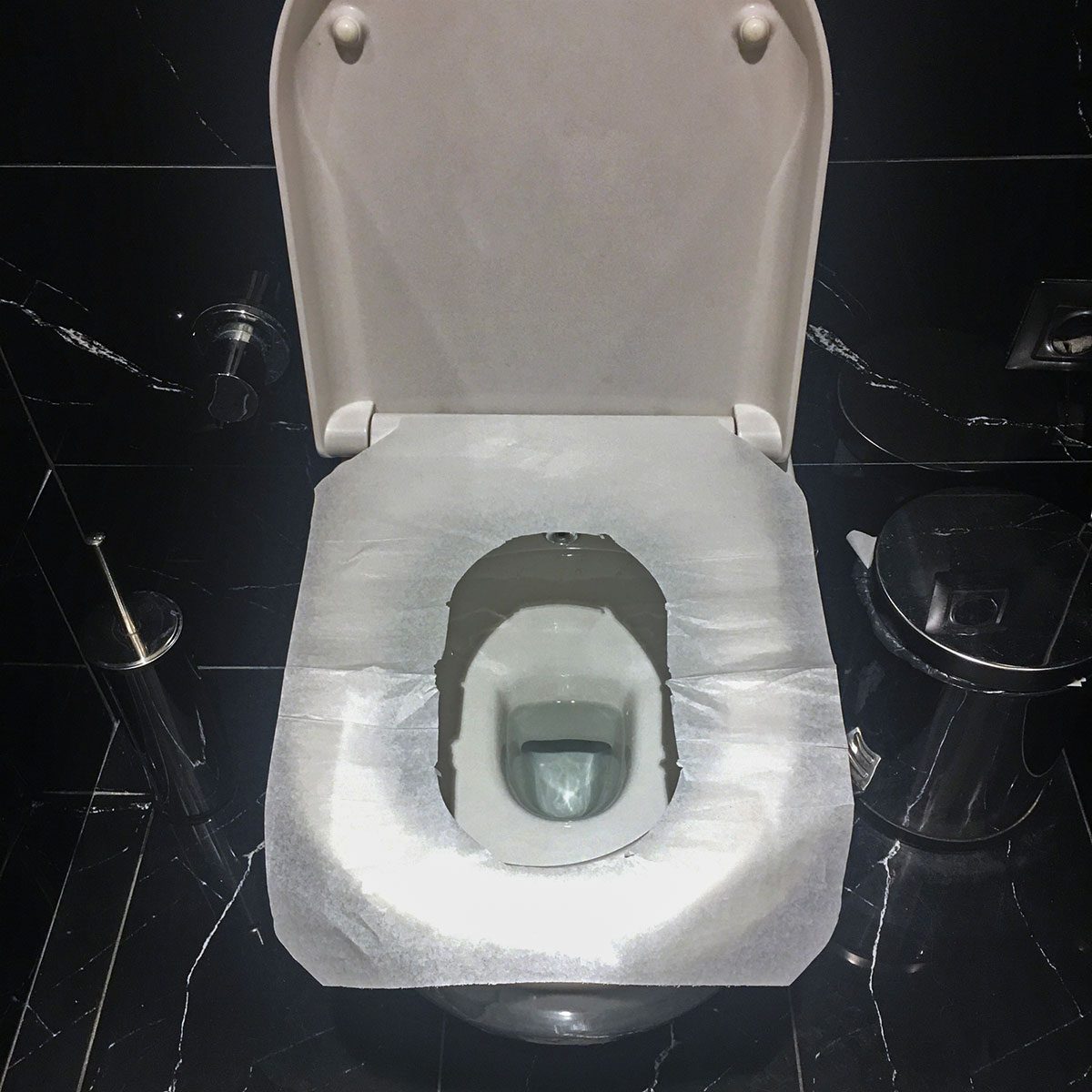
The flap on a toilet seat cover is not there to decorate. It serves a clear purpose. It helps keep the cover in place. Without the flap, the cover might move or fall inside the toilet. This can be messy and unhygienic. The flap also makes it easier to lift the cover safely. It gives a small grip area to hold. So, the flap is practical, not just for looks.
Myths About Germs
Some believe the flap blocks all germs. This is not correct. The flap does not create a germ-proof barrier. It only helps keep the cover steady and clean. Germs can still be on the cover and the toilet. Washing hands and cleaning the toilet regularly is important. The flap is a small help, not a full protection against germs.
Public Vs. Home Use
Toilet seat covers play different roles at home and in public places. The flap on these covers serves unique purposes depending on the setting. Understanding these differences helps explain why flaps matter more in public restrooms than at home.
Different Needs
At home, toilet seats get regular cleaning. Family members use the same bathroom. Germ spread is less of a worry. The flap on the seat cover is less needed here.
Public restrooms have many users daily. Cleanliness varies greatly. The risk of germs spreading is higher. People need extra protection. This need shapes the design of toilet seat covers with flaps.
Flap Importance In Public Restrooms
The flap acts as a barrier between you and germs. It helps prevent direct contact with the toilet seat. This adds a layer of hygiene in busy places. Flaps also remind users to lift the seat safely.
Public restrooms face heavy use and less frequent cleaning. The flap helps maintain some cleanliness. It gives users peace of mind. This small feature improves comfort and safety for everyone.
Maintenance And Replacement
The flap on toilet seat covers needs regular care to stay clean and work well. Proper maintenance helps keep the bathroom hygienic. It also extends the flap’s life.
Replacing the flap at the right time avoids damage and keeps the cover effective. Knowing how to clean and when to replace the flap is important.
Cleaning Tips
Use a soft cloth and mild soap to clean the flap. Avoid harsh chemicals that can damage the material. Wipe the flap gently to remove dirt and germs.
Clean the flap regularly, at least once a week. Dry it well after cleaning to prevent mold growth. Keep the bathroom ventilated to help the flap dry faster.
When To Replace The Flap
Replace the flap if it shows cracks or tears. A damaged flap cannot protect against germs properly. Also, change it if the flap becomes loose or does not close well.
Check the flap every few months. Frequent use can wear it out faster. Timely replacement keeps the toilet seat cover safe and clean.

Credit: www.wikihow.com
Environmental Impact
The flap on toilet seat covers plays a key role in environmental impact. It helps reduce the use of extra materials and supports better waste management. Choosing the right flap design can lower the overall footprint of these products.
Material Sustainability
Many flaps use biodegradable or recycled materials. These materials break down faster in landfills. They reduce pollution and save natural resources. Using sustainable materials helps protect forests and water supplies. It also cuts down on harmful chemicals released during production.
Reducing Waste
The flap minimizes the need for additional toilet paper or plastic covers. Less waste goes into trash bins and sewage systems. This helps reduce landfill overflow and water pollution. Smaller waste amounts mean less energy is needed for disposal. Proper flap use encourages cleaner and greener habits.
Credit: www.rd.com
Frequently Asked Questions
Why Is There A Flap On Toilet Seat Covers?
The flap on toilet seat covers acts as a hygienic barrier. It prevents direct contact with the toilet seat, reducing germ exposure. The flap also helps keep the cover in place, ensuring better cleanliness and convenience during use.
How Does The Flap Improve Toilet Hygiene?
The flap minimizes contact with germs by creating a protective layer. It stops bacteria and viruses from touching your skin. This feature promotes a cleaner and safer bathroom experience, especially in public restrooms with high traffic.
Can The Flap Prevent Toilet Seat Cover Movement?
Yes, the flap helps secure the cover on the seat. It grips the toilet seat better, reducing slippage. This stability enhances comfort and ensures the cover stays correctly positioned during use.
Is The Flap Design Universal On All Toilet Covers?
No, flap designs vary depending on brand and style. Some covers have flaps for added hygiene, while others do not. The flap’s presence depends on the manufacturer’s focus on user safety and convenience.
Conclusion
The flap on toilet seat covers helps keep germs away. It acts as a barrier between you and the toilet bowl. This small design makes public restrooms more hygienic. It also helps reduce odors and splashes. Simple, but effective. Next time you see the flap, you’ll know why it’s there.
It’s all about keeping you cleaner and safer. A small detail with a big purpose.