
Have you ever wondered how long Covid can survive on your car’s steering wheel? You touch it every day, often without thinking twice.
But what if the virus lingers longer than you expect? Knowing how long Covid lasts on this common surface can help you protect yourself and your loved ones better. Keep reading, because the answer might change the way you clean your car and handle everyday safety.

Credit: oasismedicalinstitute.com
Virus Survival On Surfaces
Understanding how long Covid virus can live on surfaces helps us stay safe. The virus does not survive forever outside the body. It can stay active on some surfaces for hours or days. Knowing this helps us clean and protect ourselves better.
Car steering wheels are touched often. This makes them a common place for germs to spread. The virus survival time depends on several factors. These include the type of surface and the environment around it.
Factors Affecting Longevity
The virus survival time varies by many factors. The amount of virus on the surface matters. More virus means longer survival. Cleaning and disinfecting reduce the virus quickly. How often people touch the surface also plays a role.
Material Impact On Virus Life
Different materials affect the virus life span. Smooth, hard surfaces like plastic and metal hold the virus longer. Steering wheels often have leather or plastic covers. On leather, the virus may last less time. On plastic, it can survive for days. Soft materials tend to reduce virus survival.
Environmental Conditions
Temperature and humidity affect virus survival on surfaces. The virus lives longer in cool, dry places. Heat and sunlight can kill the virus faster. Ventilation also helps reduce virus life. Inside cars, direct sunlight can lower virus survival time.
Covid On Car Steering Wheels
Car steering wheels are touched often, making them a key surface for germs. Covid can stay on these surfaces for hours or days. Knowing how long the virus lasts helps you keep your car safe. Cleaning your steering wheel regularly reduces the risk of infection.
Steering Wheel Material Types
Steering wheels come in different materials like leather, plastic, and rubber. Covid virus lasts differently on each type. On leather, the virus tends to die faster. Plastic and rubber can hold the virus longer. The texture and porosity affect how long the virus stays alive.
Typical Virus Lifespan
Studies show Covid can survive up to 3 days on some surfaces. On smooth plastic, it may last 2 to 3 days. On leather, the virus usually lasts less than 24 hours. Heat and sunlight reduce the virus life span. Cleaning with alcohol wipes kills the virus quickly.
Comparison With Other Car Surfaces
Other surfaces like door handles and gear sticks also carry the virus. Covid lasts longer on plastic parts than on fabric seats. Metal parts may hold the virus for a day or more. Steering wheels get more hand contact, so they need more cleaning. Regular disinfection keeps all car surfaces safer to touch.
Risk Of Transmission
The risk of catching Covid from a car steering wheel depends on many factors. The virus can live on surfaces like the steering wheel for hours or days. But touching the wheel does not always mean you will get sick. Understanding how the virus moves from the wheel to your body helps reduce your risk.
Touch Frequency And Exposure
People touch the steering wheel many times while driving. Each touch increases the chance of picking up the virus. The longer the virus stays on the wheel, the higher the exposure risk. Cleaning the wheel often lowers this risk. Avoid sharing the car with others if possible.
Virus Transfer To Hands
The virus moves from the wheel to your hands when you touch it. Hands can carry the virus to your face or mouth. Washing hands after driving removes the virus. Using hand sanitizer can also kill the virus quickly. Avoid touching your face while driving.
Infection Probability
Not every contact with the virus causes infection. The amount of virus needed to infect varies. Good hand hygiene reduces infection chances. Wearing masks and keeping windows open can lower virus spread inside the car. Staying cautious helps protect you and others.
Cleaning And Disinfection
Cleaning and disinfection are key to keeping your car steering wheel safe. The virus can stay on surfaces for hours or days. Proper cleaning removes dirt and germs. Disinfection kills the virus and stops its spread.
Effective Cleaning Agents
Use soap and water for basic cleaning. Soap breaks down the virus’s protective layer. Alcohol-based wipes with at least 70% alcohol work well. Disinfectants with bleach can also kill the virus. Always read labels to ensure the product is safe for your steering wheel material.
Best Cleaning Practices
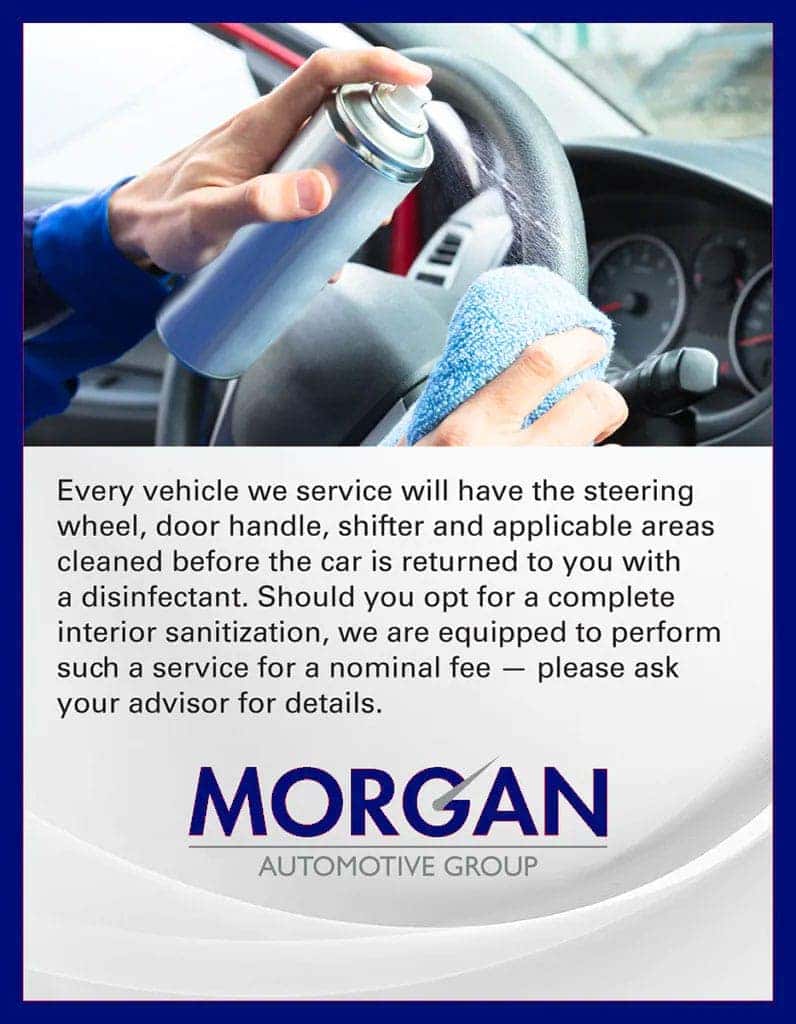
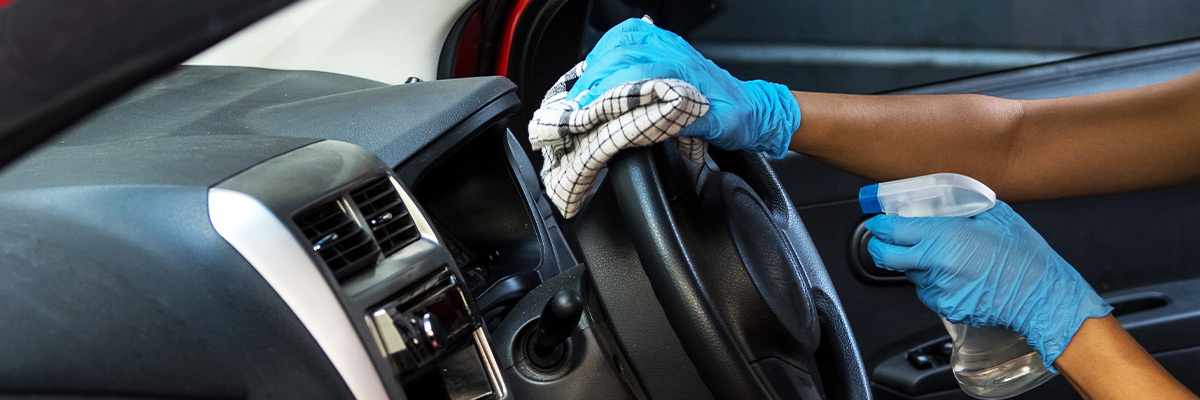
First, wipe the steering wheel with a cloth dampened in soap and water. Rinse the cloth and wipe again to remove soap. Use a clean cloth with disinfectant to cover the entire surface. Let the disinfectant sit for the time on the label. Avoid soaking the wheel to prevent damage. Dry the wheel with a soft cloth after cleaning.
Frequency Of Disinfection
Disinfect your steering wheel daily if you use your car often. Clean it after each trip during high virus spread times. For less use, disinfect at least twice a week. Regular cleaning lowers the risk of virus transfer to your hands.
Preventive Measures
Preventive measures help reduce the risk of Covid-19 staying on car steering wheels. These steps keep you and others safer during daily travel. Clean habits and smart choices lower the chance of virus spread.
Focus on personal hygiene, use protective gear, and limit contact with surfaces. These actions work together to protect your health and that of your passengers.
Personal Hygiene Tips
Wash your hands before and after driving. Use soap and water for at least 20 seconds. Carry hand sanitizer with at least 60% alcohol for quick cleaning. Avoid touching your face while driving. Clean your hands after touching the steering wheel.
Use Of Protective Gear
Wear gloves if you are concerned about germs on the steering wheel. Use disposable or washable gloves for easy cleaning. Cover your mouth and nose with a mask inside the car, especially with others. Masks reduce the spread of droplets that may carry the virus.
Minimizing Contact Risks
Disinfect the steering wheel regularly using alcohol-based wipes. Clean other high-touch areas like gear shifts and door handles. Avoid sharing your car with others during the pandemic. Open windows to increase airflow and reduce virus concentration inside the vehicle.
Credit: www.brandonhyundai.com
Credit: www.legendshonda.com
Frequently Asked Questions
How Long Does Covid Survive On A Car Steering Wheel?
Covid-19 can survive up to 72 hours on plastic surfaces like steering wheels. However, its infectiousness drops significantly after 24 hours.
What Factors Affect Covid Lifespan On Steering Wheels?
Temperature, humidity, and surface material affect virus survival. Warmer and sunnier conditions reduce Covid’s lifespan on steering wheels.
How Can I Disinfect My Car Steering Wheel Effectively?
Use alcohol-based wipes or sprays with at least 70% alcohol. Wipe the entire steering wheel thoroughly and let it air dry.
Is Covid Transmission Likely From Car Steering Wheels?
Transmission is possible if you touch a contaminated wheel and then touch your face. Regular cleaning and hand hygiene reduce this risk.
Conclusion
Covid can stay on a car steering wheel for hours to days. Cleaning the wheel often helps reduce the risk of infection. Use disinfectant wipes or sprays that kill viruses quickly. Wash your hands after touching the wheel to stay safe.
Avoid touching your face while driving or after contact. Keeping your car clean helps protect you and others. Small steps make a big difference in stopping the virus. Stay aware and keep your environment as clean as possible. Safety is in your hands—literally.

