Have you ever wondered how to care for bats safely and effectively? Whether you’ve found a wounded bat or simply want to support these fascinating creatures, knowing the right steps can make all the difference.
Bats play a vital role in our environment, and your care can help protect them and the balance they bring to nature. In this guide, you’ll discover simple, practical tips that anyone can follow to ensure bats stay healthy and safe.
Keep reading—you might be surprised at how easy and rewarding it is to help these amazing animals.
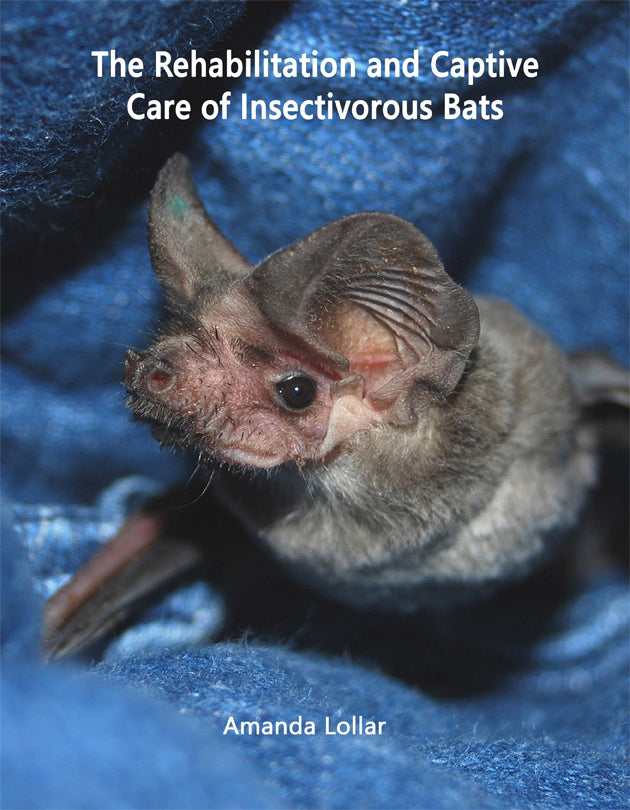
Credit: batworldstore.org
Bat Habitat Needs
Bats need special places to live that protect them and keep them healthy. Their habitat must fit their natural behavior and body needs. Good bat care starts with understanding these habitat needs.
Ideal Shelter Conditions
Bats like quiet, dark places to rest during the day. They avoid loud and bright areas. Shelters must have small openings to keep predators out. High ceilings give bats room to hang and fly inside safely.
Wood, bark, and stone are good materials for bat homes. These materials help bats hold on while hanging upside down. The shelter should also be dry and well-ventilated to stop mold and bacteria.
Temperature And Humidity
Bats need warmth but not too hot. Ideal temperatures range from 50 to 70 degrees Fahrenheit. Too cold or too hot can harm them. Humidity should stay moderate to keep bats comfortable.
Too much moisture can cause sickness. Too dry air can dry out their skin and wings. Balancing temperature and humidity is key for healthy bats.
Safe Roosting Spots
Bats look for safe places to rest and raise their young. Trees with loose bark, caves, and bat boxes work well. These spots protect bats from predators like birds and snakes.
Place roosts away from busy human activity. Bats need peace to sleep and feed their babies. Safe roosts help bats live longer and breed successfully.

Credit: www.bats.org.uk
Handling Bats Safely
Handling bats safely is important for both the handler and the bat. Bats are delicate animals and can get hurt easily. Careful handling helps avoid injuries and stress. It also protects you from bites or diseases. Use the right tools and methods to keep everyone safe.
Protective Gear
Wear thick gloves to protect your hands from bites. Use long sleeves to cover your arms. Goggles can protect your eyes from sudden movements. Choose gear that allows you to move gently and quickly. Clean all equipment before and after use to prevent germs.
Minimizing Stress
Handle bats in a quiet place with little light. Speak softly to avoid startling them. Hold the bat gently but firmly. Avoid squeezing or pulling on wings or legs. Limit handling time to reduce stress. Watch the bat’s behavior and stop if it looks scared.
Avoiding Common Injuries
Do not grab bats by their wings or tails. Support their body weight evenly with both hands. Avoid sudden movements that can cause panic. Be careful with sharp claws and teeth. Never drop a bat from any height. Keep the bat close to your body for control.
Feeding And Nutrition
Feeding and nutrition are essential for bats’ health and energy. Proper care means understanding their diet and feeding habits. Bats have unique needs that differ from other animals. Meeting these needs helps them stay active and strong.
Diet Requirements
Bats eat insects, fruits, or nectar depending on species. Insect-eating bats need live bugs like crickets or mealworms. Fruit bats prefer fresh fruits such as bananas, mangoes, or papayas. Nectar-feeding bats require sugar water mixed with vitamins. Balanced nutrition supports growth and immune health. Avoid processed or sugary human food. Always provide food that matches the bat’s natural diet.
Feeding Techniques
Feed bats in a quiet, calm space. Use tweezers or small tongs for insects. Offer food during their active hours, usually at night. For fruit bats, cut fruits into bite-size pieces. Nectar feeders need shallow bowls for easy access. Never force-feed; let bats eat at their own pace. Clean feeding tools after each use to prevent illness.
Hydration Tips
Bats need fresh water daily. Provide shallow water dishes to avoid drowning risks. Mist water gently for bats that drink from droplets. Avoid deep or fast-moving water sources. Keep water clean and change it regularly. Proper hydration supports digestion and overall health.
Health Monitoring
Monitoring the health of bats is important for their well-being. Healthy bats live longer and stay active. Checking their health regularly helps catch problems early. It also helps keep their environment safe. This section explains how to watch for signs of illness and what to do next.
Recognizing Illness Signs
Look for changes in behavior. Sick bats may move slowly or hide more. Check their eyes and nose for discharge. Breathing difficulties can mean illness. Notice if they stop eating or drinking. Unusual weight loss is a warning. Also, watch for wounds or skin issues.
Common Health Issues
Bats can suffer from infections and parasites. Fungal diseases like white-nose syndrome are serious. Respiratory infections may cause coughing or gasping. Eye infections can cause redness or swelling. Parasites like mites make bats itch and scratch. Poor diet often leads to weakness and illness.
When To Consult A Vet
Contact a vet if bats show severe symptoms. Persistent breathing problems need immediate care. Sudden weakness or inability to fly is serious. Open wounds or bleeding require treatment. If bats refuse food or water for days, get help. Early vet visits improve recovery chances.
Cleaning And Hygiene
Caring for bats includes keeping their environment clean and healthy. Clean spaces reduce germs and keep bats safe. Good hygiene helps bats live longer and feel better.
Regular cleaning stops dirt and bacteria from building up. A clean home means fewer health problems for bats. Simple steps can make a big difference in their care.
Sanitizing Living Areas
Use safe cleaners to wipe down bat cages or boxes. Avoid harsh chemicals that can harm bats. Clean surfaces at least once a week. Remove old food and dirt before cleaning. Let everything dry before putting bats back inside.
Waste Management
Remove bat droppings daily to keep the area fresh. Use gloves to handle waste and prevent germs. Dispose of droppings in sealed bags. Keep waste away from food and water areas. Clean waste containers regularly to avoid smells and bugs.
Preventing Disease Spread
Wash hands before and after handling bats. Use separate tools for cleaning and feeding. Avoid touching bats if you feel sick. Keep new bats isolated for a few days. Watch bats for signs of illness and act quickly.
Rehabilitation And Release
Rehabilitation and release are key steps in helping injured or orphaned bats return to the wild. This process needs care and patience. Proper rehab helps bats regain strength and skills. Releasing them safely improves their chances of survival. Monitoring after release ensures they adapt well.
Assessing Readiness
Check if the bat can fly well. Strong flight means good muscle recovery. Watch feeding habits closely. The bat must eat on its own. Look for natural behaviors like climbing and grooming. These signs show the bat is ready for release.
Safe Release Practices
Choose a quiet, safe location for release. Avoid areas with heavy traffic or predators. Release at dusk when bats are active. Gently open the container and let the bat fly out. Do not force or rush the process. This reduces stress and injury risk.
Post-release Monitoring
Observe the bat from a distance. Check if it finds food and shelter. Note any signs of weakness or distress. Use tracking devices if possible. Monitoring helps ensure the bat adapts to the wild. It also informs future rehabilitation efforts.
Legal And Ethical Considerations
Caring for bats requires respect for laws and ethics. Bats are protected in many places. Following legal rules keeps both bats and people safe. Ethical care helps bats live healthy, natural lives. Understanding these points is key to responsible bat care.
Permits And Regulations
Many countries require permits to handle bats. These rules prevent harm to bat populations. Permits often come with strict conditions. Check local wildlife laws before touching or moving bats. Ignoring regulations can lead to fines or legal trouble. Always get proper permission for bat care.
Ethical Care Guidelines
Ethical care means putting bats’ needs first. Avoid causing stress or injury to bats. Provide a safe, quiet place for injured bats. Do not try to keep bats as pets. Help bats only when truly needed. Support their natural behavior and habitat.
Protecting Wild Populations
Wild bat populations face many threats. Habitat loss and disease can harm them. Avoid disturbing bat roosts or colonies. Limit human contact to reduce disease spread. Help protect bat habitats in your area. Respecting wild bats helps keep populations strong and healthy.

Credit: www.bats.org.uk
Frequently Asked Questions
How Do I Create A Safe Habitat For Bats?
Provide natural roosting spots like trees or install bat houses. Avoid disturbing existing bat colonies. Ensure the area is pesticide-free and near water sources.
What Should I Feed Bats In Care?
Bats primarily eat insects. Offer mealworms, crickets, or fruit depending on species. Avoid processed foods and consult wildlife experts before feeding.
When Is The Best Time To Handle Bats?
Handle bats only during rescue or rehabilitation. Avoid daytime disturbance; bats are nocturnal. Always wear protective gloves to prevent bites and disease transmission.
How Can I Help Bats In My Garden?
Plant native flowers to attract insects for bats. Install bat boxes to provide shelter. Minimize light pollution to encourage nocturnal activity.
Conclusion
Caring for bats helps protect these helpful creatures. They keep insects away and support nature. Give them safe places to live and quiet times to rest. Avoid touching bats with bare hands to stay safe. Watch them from a distance and learn about their habits.
Small actions make a big difference for bats and the environment. Respect and care keep bats healthy and strong for years to come.