

You want your car to shine like new, but waxing by hand can be tiring and time-consuming. What if there was a faster, easier way to get that perfect glossy finish?
Using a buffer to wax your car can save you effort while giving your paint a smooth, professional look. In this guide, you’ll learn exactly how to wax your car with a buffer step-by-step, so you can protect your paint and turn heads wherever you drive.
Ready to make your car gleam without the hassle? Let’s dive in.
Choosing The Right Wax
Choosing the right wax is key to a shiny, protected car. The wax you pick affects the look and life of your paint. Understanding types, paint needs, and wax strength helps you choose well. This guide breaks down what you need to know before waxing with a buffer.
Types Of Car Wax
Car wax comes in several forms. Paste wax gives a thick layer and lasts long. Liquid wax is easier to apply and spreads quickly. Spray wax offers fast application but usually less protection. Each type fits different needs and skill levels.
Selecting Wax For Your Paint
Different paints need different waxes. Clear coats work well with most waxes. Older paint may need softer wax to avoid damage. Dark colors show swirls, so choose wax that hides imperfections. Match wax type to your car’s paint for best results.
Wax Formulations And Durability
Wax formulas vary by ingredients and lasting power. Natural waxes, like carnauba, give a deep shine but wear faster. Synthetic waxes last longer and protect better against weather. Some mixes combine both for shine and strength. Pick a formula that suits your climate and how often you wax.
Preparing Your Car
Preparing your car is the first step before waxing with a buffer. A clean and smooth surface helps the wax stick better. It also protects your paint from scratches. Take your time with this stage. It makes a big difference in the final shine.
Washing And Drying
Start by washing your car thoroughly. Use a car shampoo that removes dirt and grime. Avoid household soaps as they can strip wax. Rinse with clean water to remove all soap. Dry your car with a soft, clean microfiber towel. Make sure no water spots remain. A dry surface is key for waxing.
Removing Old Wax And Contaminants
Old wax and contaminants can block new wax from bonding. Use a clay bar or a wax remover product. Rub gently in small sections to lift impurities. This step clears the paint surface. It also smooths out rough spots. The result is a better base for waxing.
Inspecting The Paint Surface
Look closely at your car’s paint under bright light. Check for scratches, swirl marks, or dull areas. These spots may need extra care before waxing. Fixing minor defects improves the final look. A clean, smooth surface helps the buffer glide evenly.
Setting Up The Buffer
Setting up the buffer is the first step to waxing your car properly. This step helps you work safely and get the best shine. A good setup keeps the wax smooth and avoids damage to your car’s paint.
Take your time to prepare the buffer. Check all parts and choose the right settings. This will make the waxing process easier and more effective.
Buffer Types And Pads
There are two main buffer types: rotary and dual-action. Rotary buffers spin in one direction and work fast. Dual-action buffers move in two ways for safer use. Choose one that fits your skill level.
Pads also vary. Foam pads are soft and good for applying wax. Wool pads are firmer and help remove tough spots. Pick a pad that matches your wax and car surface.
Attaching The Right Pad
Attach the pad firmly to the buffer. Most buffers use a hook-and-loop system. Press the pad evenly to avoid wobbling. A loose pad can cause scratches or uneven wax.
Replace the pad if it gets dirty or worn out. Clean pads spread wax better and protect your paint.
Adjusting Speed Settings
Set the buffer speed before starting. Use low speed for applying wax gently. High speed helps to polish but can harm paint if used carelessly.
Start slow and increase speed only if needed. Keep control and move the buffer steadily across the surface.
Applying Wax With A Buffer
Applying wax with a buffer makes the process faster and smoother. It helps you cover the car evenly and get a shiny finish. Using a buffer also reduces the effort compared to hand waxing. Follow simple steps for the best results.
Loading Wax Onto The Pad
Start by turning off the buffer. Dab a small amount of wax onto the pad. Use just a few drops or a thin layer. Too much wax can cause uneven application. Spread the wax lightly on the pad before turning it on.
Spreading Wax Evenly
Turn the buffer on at a low speed. Gently press the pad against the car’s surface. Move the buffer in slow, circular motions. This spreads the wax evenly across the paint. Avoid staying in one spot too long. Keep the motion steady and consistent.
Working In Small Sections
Work on one section at a time. Focus on an area about two feet wide. Finish waxing that section before moving on. This helps prevent the wax from drying too fast. It also ensures complete and smooth coverage.
Buffing Techniques
Buffing techniques play an important role in waxing a car with a buffer. They help spread the wax evenly and bring out a smooth shine. Using the right methods protects your car’s paint and gives a professional finish. Learning simple buffing steps makes the process easier and more effective.
Maintaining Proper Pressure
Apply gentle pressure on the buffer. Too much force can damage the paint. Too little pressure will not spread the wax well. Hold the buffer firmly but lightly. Let the machine do the work. Keep the pressure steady for the best results.
Using Circular Motions
Move the buffer in small circles. Circular motions help cover the surface evenly. Avoid staying in one spot too long. Keep the buffer moving smoothly and steadily. This prevents streaks and uneven wax layers. Circles also help remove old wax and dirt.
Avoiding Damage To Paint
Do not buff over dirt or dust. Clean the car before starting. Use a clean, soft pad on the buffer. Replace pads if they get dirty or worn. Avoid buffing edges and corners too hard. Check the paint often to prevent scratches.

Credit: www.youtube.com
Finishing Touches
After waxing your car with a buffer, the finishing touches make a big difference. This step ensures your car shines evenly and looks its best. Take time to clean up and check carefully. Small details matter for a smooth, glossy finish.
Removing Residue
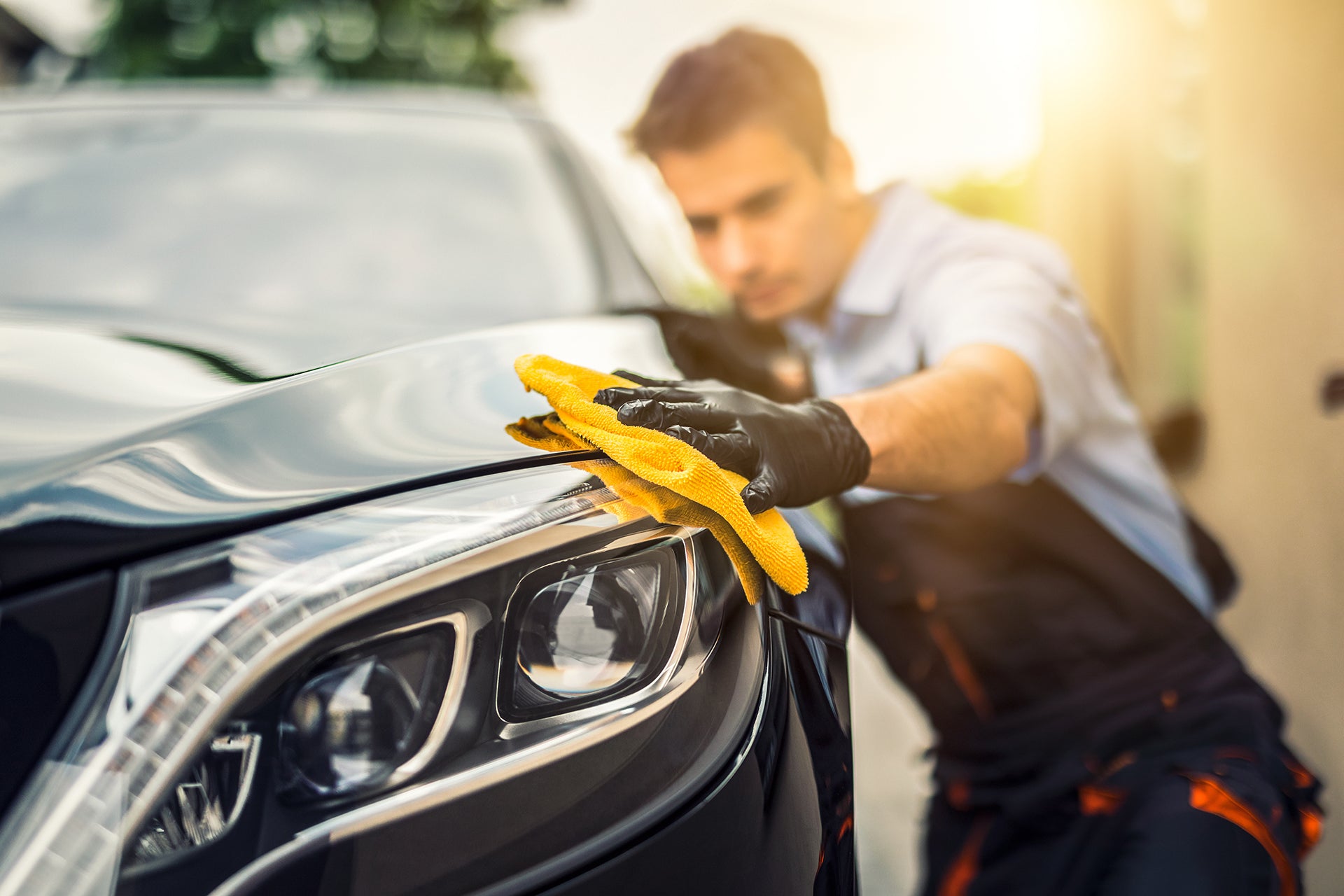
Wax often leaves a thin, cloudy residue on the paint. Use a soft microfiber cloth to wipe it off gently. Work in small sections, using circular motions. This clears the surface and reveals the true shine beneath.
Inspecting For Missed Spots
Walk around your car under good light. Look closely for areas with dull spots or uneven wax. Use your hand to feel for rough patches. Rebuff or touch up these spots to get a uniform finish.
Applying Additional Coats
For extra protection, apply a second wax layer. Let the first coat dry fully before adding more. Use the buffer on low speed to spread wax thinly. Multiple coats build a deeper shine and longer-lasting protection.
Safety Tips And Maintenance
Waxing a car with a buffer can be safe and effective. Safety and maintenance help protect you and your car. Proper care of the buffer keeps it working well. Following a regular waxing schedule keeps your car shiny and protected.
Protecting Yourself And Your Car
Wear safety glasses to protect your eyes from splashes. Use gloves to keep your hands clean and safe. Work in a well-ventilated area to avoid fumes. Avoid loose clothing that can get caught in the buffer. Keep the buffer moving to prevent heat damage to the paint.
Cleaning And Storing The Buffer
Unplug the buffer before cleaning to avoid accidents. Remove excess wax from the pad after each use. Wash the pads with mild soap and water, then let them dry. Wipe the buffer body with a soft cloth. Store the buffer in a dry, dust-free place to keep it safe.
Regular Waxing Schedule
Wax your car every three to four months for best results. More frequent waxing helps protect paint in harsh weather. Clean the car thoroughly before waxing to avoid scratches. Keep track of your waxing dates for consistent care. Regular waxing extends the life of your car’s finish.
Credit: cardetailexpress.net

Credit: www.youtube.com
Frequently Asked Questions
What Type Of Buffer Is Best For Waxing A Car?
A dual-action buffer is best for waxing a car. It provides safe, even pressure and reduces swirl marks. This type is ideal for beginners and professionals alike. It ensures smooth application and a polished finish.
How Long Should I Wax My Car With A Buffer?
Wax your car with a buffer for about 15 to 20 minutes per section. Work in small areas to avoid drying out the wax. This timing ensures even coverage and a glossy, protected surface.
Can I Use Any Wax With A Car Buffer?
Not all waxes suit buffers. Use a wax designed for machine application. These waxes spread evenly and work well with buffer pads. Avoid thick or paste waxes that can clog the buffer.
How Do I Prepare My Car Before Waxing With A Buffer?
Wash and dry your car thoroughly before waxing. Remove dirt, grime, and old wax for best results. A clean surface ensures better wax adhesion and a flawless finish.
Conclusion
Waxing a car with a buffer takes some practice but is worth it. The buffer helps spread wax evenly and saves time. Always work in small sections and keep the buffer moving. Use gentle pressure to avoid damage. After waxing, your car will shine and have better protection.
Clean tools and store wax properly for next use. Regular waxing keeps your car looking fresh and new. Try these steps next time you want a smooth, shiny finish.

