
Have you ever noticed unpleasant odors or tiny pests lurking inside your car? Fumigating your vehicle might be the solution you need.
But how do you fumigate a car safely and effectively? If you want to protect your health and keep your car fresh, understanding the right steps is crucial. You’ll discover simple, practical tips that make fumigating your car easy—even if you’ve never done it before.
Keep reading, and you’ll learn how to reclaim a clean, pest-free ride you’ll actually enjoy.
Preparing Your Car For Fumigation
Preparing your car for fumigation is an important step. It helps make the process safe and effective. Careful preparation ensures the fumigant reaches all areas. It also protects your belongings and health.
Start early. Give yourself enough time to get the car ready. Follow simple steps to prepare the vehicle thoroughly. This makes fumigation faster and better.
Cleaning The Interior
Remove dust and dirt from seats and floors. Vacuum carpets and mats well. Wipe down dashboard and door panels. Clean surfaces allow the fumigant to work properly. A tidy interior also reduces hidden pest spots.
Removing Personal Items
Take out all personal belongings from the car. This includes bags, toys, and food wrappers. Remove items from glove compartments and under seats. Fumigants can damage or contaminate these objects. Keep your things safe by clearing the car fully.
Checking For Infestation Signs
Look closely for bugs, droppings, or damage inside the car. Check under seats and in hidden corners. Find any nests or insect trails. Spotting signs early helps target fumigation better. It also confirms if treatment is necessary.

Credit: lambencydetailing.com
Choosing The Right Fumigation Method
Choosing the right fumigation method is key to effectively cleaning your car. Different methods suit different needs and situations. Some focus on strong chemicals, while others use natural solutions. Knowing each method helps you pick the best one for your car’s condition and your comfort level.
Chemical Fumigation Options
Chemical fumigation uses gases or sprays to kill pests and germs. These chemicals work fast and reach hidden areas. Common chemicals include formaldehyde and sulfuryl fluoride. They can remove bugs, mold, and odors effectively. Safety is important. Always follow instructions and use protective gear.
Natural Alternatives
Natural fumigation uses plant-based oils and powders. Essential oils like eucalyptus and tea tree can repel pests. Baking soda and charcoal absorb bad smells. These options are safer for people and pets. They need more time to work. Natural methods suit mild infestations and regular cleaning.
Professional Services Vs Diy
Professional fumigation is thorough and fast. Experts know which chemicals and doses to use. They bring special equipment and safety knowledge. DIY fumigation saves money but needs care. You must read labels and keep windows open. Choose professionals for severe problems. Use DIY for small tasks and maintenance.
Step-by-step Fumigation Process
Fumigating a car requires careful steps to ensure safety and effectiveness. Each stage plays a vital role in removing pests and odors. Follow these clear steps to fumigate your vehicle properly.
Sealing The Vehicle
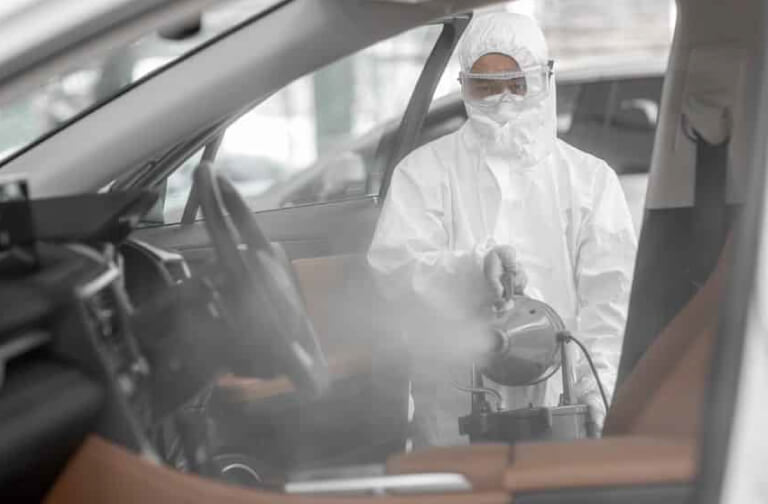
Start by closing all windows and doors tightly. Check for any gaps or openings and seal them with tape. This keeps the fumigant trapped inside for better results. Cover air vents with plastic sheets if possible. A well-sealed car helps the fumigant work faster and stronger.
Applying The Fumigant
Use the recommended amount of fumigant for your car size. Place the fumigant container inside the vehicle, usually on the floor or seat. Avoid direct contact with skin or eyes. Follow the product instructions carefully. Close the car doors immediately after placing the fumigant. The gas will spread throughout the vehicle to kill insects and pests.
Ventilation And Safety Measures
After the fumigation time ends, open all doors and windows. Let fresh air circulate for at least 30 minutes. This removes harmful gases from the car. Avoid entering the car too soon to prevent health risks. Wear gloves and a mask if you handle fumigants. Proper ventilation protects you and makes the car safe to use.

Credit: www.pctonline.com
Post-fumigation Care
Post-fumigation care is essential to keep your car safe and pest-free after treatment. This step ensures that no harmful chemicals or pests remain inside your vehicle. Proper care helps protect your car’s interior and keeps it fresh.
Inspecting For Residual Pests
After fumigation, check your car carefully for any pests that might still be inside. Look under seats, in door pockets, and in the trunk. Use a flashlight to spot small insects hiding in dark areas. If you see any pests, consider a follow-up treatment or consult a professional.
Cleaning After Treatment
Once the fumigation is complete and safe, clean your car thoroughly. Wipe down all surfaces, including the dashboard, seats, and floor mats. Open windows and doors to air out the car. This removes any leftover chemical smell and dust. Vacuum the interior to pick up dead insects and debris.
Preventing Future Infestations
Keep your car clean to stop pests from returning. Avoid leaving food or trash inside. Store bags and boxes properly when transporting items. Use natural repellents like essential oils or pest deterrent sprays. Regularly check your car for signs of pests. Good habits protect your car long-term.
Safety Tips During Car Fumigation
Fumigating a car requires careful attention to safety. Chemicals used can be harmful if handled incorrectly. Protecting everyone around and disposing of materials properly is essential. Follow these safety tips to keep the process safe and effective.
Handling Chemicals Safely
Always wear gloves and a mask when handling fumigation chemicals. Use the chemicals in a well-ventilated area. Keep chemicals away from open flames and heat sources. Store them in a cool, dry place out of reach of children. Read the instructions carefully before use. Avoid touching your face or eyes during the process.
Protecting Passengers And Pets
Remove all passengers and pets from the car before fumigation. Keep them away from the fumigation area until it is safe. Do not allow anyone to enter the car during the treatment. After fumigation, air out the vehicle thoroughly. Wait the recommended time before allowing people or pets back inside.
Disposal Of Fumigation Materials
Dispose of empty chemical containers according to local rules. Do not pour leftover chemicals down drains or on soil. Use sealed bags to discard any wipes or materials used. Contact local waste management for guidance on chemical disposal. Proper disposal prevents harm to the environment and people.
Common Challenges And Solutions
Fumigating a car comes with its own set of challenges. These problems can make the process tricky and sometimes risky. Knowing common issues and their solutions helps keep your car safe and pest-free. This section explains key challenges and easy ways to handle them.
Dealing With Persistent Pests
Some pests hide deep in car seats and vents. They can return after fumigation if not fully removed. Use a strong fumigant approved for cars. Repeat treatment after a few days if needed. Clean the car thoroughly before fumigation to remove eggs and debris. Keep the car sealed during and after fumigation to stop pests from coming back.
Avoiding Damage To Car Interiors
Fumigants can harm fabrics, plastics, and electronics inside the car. Choose fumigants that are safe for car interiors. Test a small hidden area first. Remove or cover sensitive items like electronics and leather seats. Ventilate the car well after fumigation to clear fumes. This reduces the risk of damage and keeps the car fresh.
When To Seek Professional Help
Some pest problems need expert care. Professionals have the right tools and chemicals. They know how to protect your car while fumigating. Call a pro if pests are inside hidden areas like air conditioning. Or if your car is old and fragile. Professionals ensure safety and better pest control results.
Credit: eminentpestcontrol.sg
Frequently Asked Questions
What Is The Best Method To Fumigate A Car?
The best method involves sealing the car and using a safe fumigant. This ensures all pests are eliminated. Always follow product instructions carefully to avoid damage or health risks.
How Long Does Car Fumigation Take?
Car fumigation typically takes 2 to 4 hours. This depends on the fumigant used and the car’s size. Proper ventilation afterward is essential before using the car again.
Can I Fumigate My Car At Home Safely?
Yes, but only with proper safety measures. Use approved fumigants, work in a ventilated area, and avoid inhaling fumes. Consider professional help for thorough and safe fumigation.
How Often Should I Fumigate My Car?
Fumigate your car every 6 to 12 months or when pests are detected. Regular checks help prevent infestations and keep your vehicle clean and safe.
Conclusion
Fumigating a car keeps it clean and free from bugs. Follow steps carefully to do it safely. Use the right products and protect yourself well. Open windows after fumigation to let air flow. Regular fumigation helps maintain a fresh and healthy car.
Take your time and do the job right. Your car will feel better and stay pest-free longer. Simple care makes a big difference in car hygiene.


