

Have you noticed scratches on your car’s interior plastic and wondered how to fix them without spending a fortune? Those marks can make your car look older and less cared for.
But here’s the good news: you don’t need to be a pro or visit a shop to restore that smooth, clean look. You’ll discover simple, effective ways to repair plastic scratches inside your car—step by step. By the end, your car’s interior will look fresher, and you’ll feel proud every time you open the door.
Ready to bring back that like-new shine? Let’s dive in.
Types Of Interior Plastic Scratches
Car interior plastic scratches vary in type and severity. Knowing these types helps in choosing the right repair method. Some scratches are minor and easy to fix. Others need more effort and special tools. Understanding the differences saves time and money.
Light Surface Scratches
These scratches only affect the top layer of plastic. They are shallow and often look like faint lines. Light scratches happen from keys, rings, or small objects. Cleaning and gentle polishing usually remove them. This type of scratch does not damage the plastic deeply.
Deep Gouges
Deep gouges cut through the plastic’s surface. They leave noticeable marks or holes. These scratches need filling and sanding to repair. Deep gouges weaken the plastic and affect its look. Using plastic filler or a repair kit works best here.
Discoloration And Fading
Discoloration changes the plastic’s original color. Fading happens due to sunlight or heat exposure. This type does not create physical scratches but affects appearance. Restoring color may require special dyes or sprays. Protecting interior plastics helps prevent fading over time.
Tools And Materials Needed
Fixing scratches on car interior plastic needs the right tools and materials. These help make the repair smooth and effective. Prepare everything before starting to save time and avoid mistakes.
Gather items that clean, fill, and polish the plastic surface. Choose tools that fit the scratch size and type. Using proper materials ensures a better, lasting fix.
Cleaning Supplies
Start with cleaning supplies to remove dust and dirt. Use mild soap and water or a plastic-safe cleaner. Soft cloths or microfiber towels work best to avoid more scratches. Clean surfaces let repair kits stick well and show scratch depth clearly.
Scratch Repair Kits
Scratch repair kits contain fillers and compounds made for plastic. They come with instructions and tools like spatulas or brushes. Choose kits designed for car interior plastic. These kits help fill scratches and smooth the surface for a neat finish.
Heat Guns And Plastic Polish
Heat guns soften plastic to blend scratches with the surface. Use low heat to avoid damage. After heating, apply plastic polish to restore shine and smoothness. Polishing removes small imperfections and gives a fresh look to the repaired area.
Preparing The Surface
Preparing the surface is the first important step in fixing plastic scratches inside your car. A clean, smooth surface helps repair materials stick better. It also makes the final result look natural and neat. Take time to prepare the area well before moving to the next steps.
Cleaning The Area
Start by wiping the scratched plastic with a soft cloth. Use mild soap and water to remove dirt and oils. Avoid harsh chemicals that can damage the plastic. Let the area dry completely before continuing.
Sanding Techniques
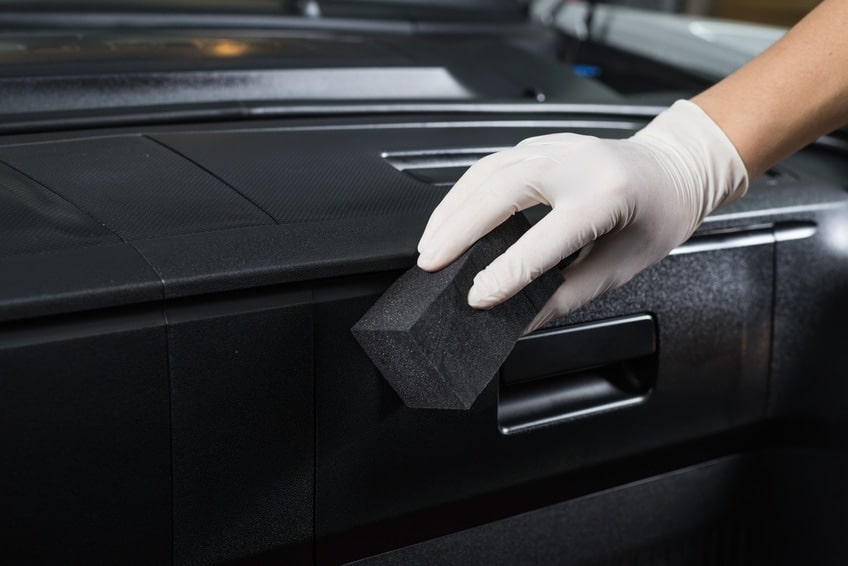
Lightly sand the scratched area with fine-grit sandpaper. Use gentle, circular motions to smooth the surface. This removes rough edges around the scratch. Be careful not to sand too hard or too much.
Removing Loose Debris
After sanding, check for small plastic particles left behind. Use a soft brush or cloth to clear away all debris. Any leftover dust can stop repair products from bonding well. Keep the surface clean for best results.

Credit: www.ifixit.com
Fixing Light Scratches
Light scratches on car interior plastic are common and can make your car look old. Fixing these scratches is simple and saves money. Small scratches usually do not need full replacement. You can improve the look with a few easy steps.
Using Plastic Polish
Plastic polish helps remove light scratches by smoothing the surface. Apply a small amount of polish on a soft cloth. Gently rub the scratched area in circular motions. Keep rubbing until the scratch becomes less visible. Wipe off excess polish with a clean cloth. Repeat if needed for better results.
Applying Heat For Blending
Heat can help blend light scratches into the plastic surface. Use a heat gun or hairdryer on low heat. Hold it a few inches away from the scratched area. Move the heat source slowly over the scratch for a few seconds. The heat softens the plastic and helps the scratch blend. Be careful not to overheat or burn the plastic.
Buffing For Smooth Finish
Buffing finishes the repair and restores shine. Use a soft buffing pad or cloth. Gently rub the repaired area to smooth the surface. Buffing removes any remaining polish residue and evens out the texture. Finish by wiping the area with a clean cloth. Your car interior plastic will look refreshed and clean.
Repairing Deep Scratches
Deep scratches on car interior plastic need more care than light ones. These scratches go below the surface. Fixing them requires filling and smoothing before painting. This process helps restore the plastic’s original look. Follow these steps to repair deep scratches effectively.
Filling With Plastic Filler
Start by cleaning the scratched area well. Remove dirt and dust with a soft cloth. Use a plastic filler made for car interiors. Apply the filler into the deep scratch using a small spatula. Press it firmly to fill the gap fully. Let the filler dry as the instructions say. This step makes the surface even again.
Sanding And Shaping
After the filler dries, sand the area gently. Use fine-grit sandpaper to smooth the filler. Sand in small circles to blend edges with the plastic. Check often to avoid sanding too much. Shape the filler until the surface feels flat and smooth. Clean the dust off before painting.
Color Matching And Painting
Choose a paint that matches your car’s interior color. Test the paint on a small hidden area first. Use a small brush or spray for even coverage. Apply light coats, letting each dry between layers. Build up color slowly to avoid drips. This step hides the repair and blends it with the rest of the plastic.

Credit: www.youtube.com
Preventing Future Scratches
Preventing future scratches on your car’s interior plastic is key to keeping it looking fresh. Small scratches can build up and make the surfaces look old and worn. Taking simple steps can protect your car’s interior and save money on repairs.
Using Protective Covers
Protective covers shield your car’s plastic parts from daily wear. Use covers on seats, door panels, and dashboard areas. They stop sharp objects from scratching the surface. Choose covers made of soft, durable material for best protection. Covers are easy to clean and replace when needed.
Regular Cleaning Habits
Clean your car’s interior often to avoid dirt build-up. Dirt and dust can scratch plastic when rubbed. Use a soft cloth or microfiber towel to wipe surfaces gently. Avoid scrubbing hard, which can cause damage. Regular cleaning keeps plastics smooth and reduces scratch risks.
Avoiding Harsh Chemicals
Harsh chemicals can weaken plastic and make scratches worse. Use mild cleaners designed for car interiors. Test any product on a small hidden area first. Avoid bleach, ammonia, or strong solvents. Gentle cleaning protects your plastic and keeps it looking new longer.
When To Seek Professional Help
Knowing when to seek professional help for car interior plastic scratches can save time and money. Some scratches are simple to fix with DIY methods. Others need expert care to avoid further damage. Understanding the signs helps you decide the best action for your car’s interior.
Complex Damage Cases
Deep scratches that cut through layers need professional repair. Cracks or breaks in plastic cannot be fixed with regular kits. Professionals use special tools and materials to restore the surface. They match colors and textures to keep the interior looking new. Attempting to fix complex damage alone can worsen the problem.
Warranty And Insurance Considerations
Check your car’s warranty before any repair work. Some warranties cover professional repairs but not DIY fixes. Insurance claims often require work done by licensed professionals. Using a professional service may help keep your coverage valid. Always confirm with your provider to avoid issues later.
Credit: www.holtsauto.com
Frequently Asked Questions
How Can I Fix Scratches On Car Interior Plastic?
To fix scratches, clean the area, use plastic polish or a scratch remover. For deep scratches, apply a plastic filler or use a heat gun carefully to smooth the surface. Always test products on a hidden spot first.
What Materials Are Needed For Plastic Scratch Repair?
You need mild soap, microfiber cloth, plastic polish, fine sandpaper, plastic filler (for deep scratches), and optionally a heat gun. These materials help clean, smooth, and restore scratched plastic surfaces inside your car.
Is It Safe To Use A Heat Gun On Car Plastic?
Yes, but with caution. Use low heat and keep the gun moving to avoid melting the plastic. Heat guns can soften scratches, making them less visible. Always test on a small area first to prevent damage.
Can Diy Kits Effectively Repair Plastic Scratches?
Yes, DIY kits with polish and fillers can fix minor to moderate scratches. They’re affordable and easy to use. However, deep or extensive damage may require professional repair for best results.
Conclusion
Repairing car interior plastic scratches is easier than it seems. Small scratches can disappear with simple tools and care. Taking time to fix scratches helps keep your car looking nice. Clean the area first, then follow steps carefully. Regular maintenance prevents bigger damage later.
A smooth interior makes driving more pleasant. Try these tips and see the difference yourself. Your car’s inside deserves attention too. Keep it neat and scratch-free for longer. Simple actions protect your car’s value over time.


