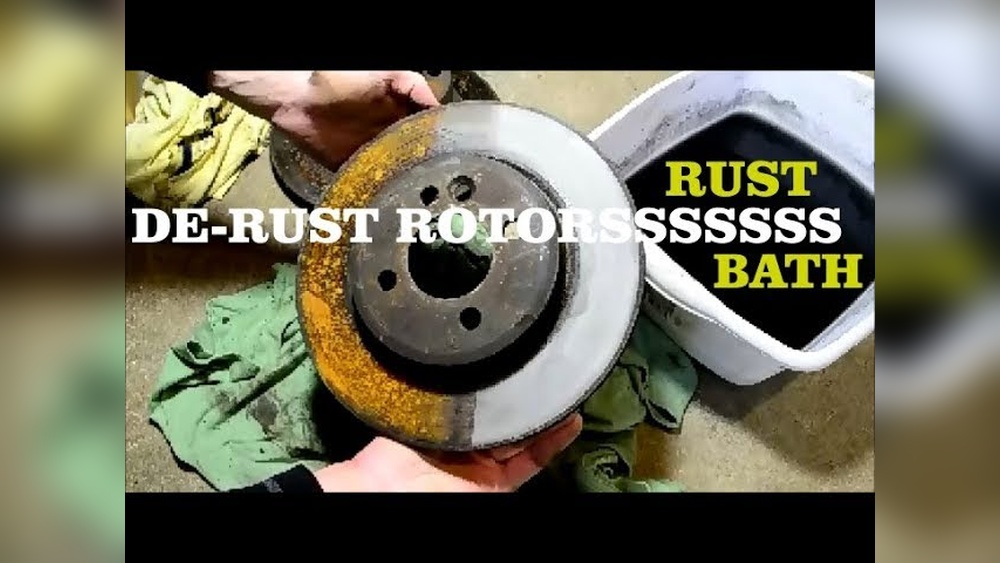
Have you ever tried to remove a brake rotor only to find it stuck fast? It’s a frustrating problem that can stop your repair work in its tracks.
But don’t worry—getting that stubborn rotor off doesn’t have to be a struggle. You’ll discover simple, effective steps to free your stuck brake rotor quickly and safely. By the end, you’ll have the confidence to tackle this common issue and get your vehicle back on the road without delay.
Keep reading—you’re just moments away from solving a problem that’s been holding you back.
Signs Of A Stuck Brake Rotor
Knowing the signs of a stuck brake rotor can save time and prevent damage. A stuck rotor stops the wheel from turning freely. It can cause serious issues with braking and vehicle control. Spotting the signs early helps fix the problem faster. This section covers the common causes and symptoms to watch for.
Common Causes
Rust buildup often makes brake rotors stick. Moisture and dirt cause rust between the rotor and hub. Worn brake pads can also cause the rotor to stick. They press too hard or unevenly on the rotor surface. Caliper problems, like seized pistons, keep the rotor from moving freely. Old or damaged brake hardware may cause the rotor to jam.
Symptoms To Watch For
The wheel may feel hot after driving. Heat happens because the rotor is not spinning freely. The vehicle may pull to one side when braking. This happens due to uneven rotor movement. You might hear squeaking, grinding, or scraping sounds. These noises indicate rotor or brake pad issues. Reduced fuel efficiency can also be a sign. Stuck rotors increase drag and waste energy.
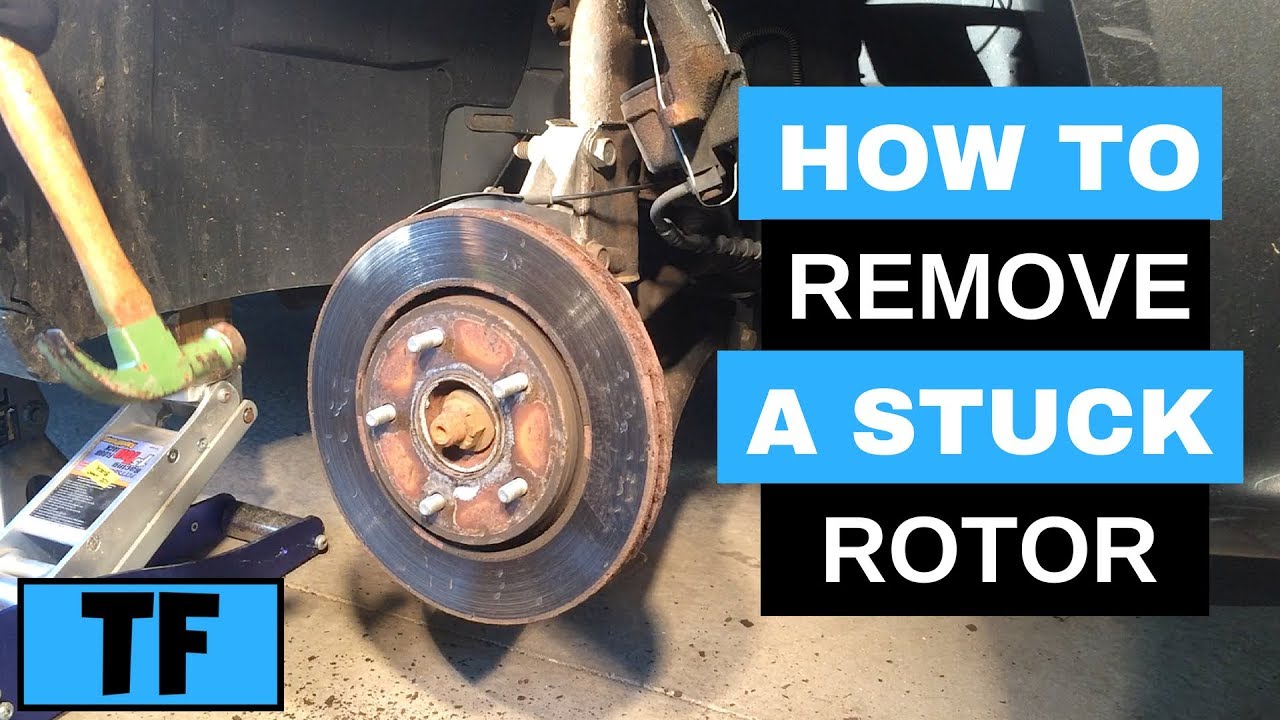
Credit: www.youtube.com
Tools Needed To Remove A Stuck Rotor
Removing a stuck brake rotor requires the right tools. Using proper tools makes the job easier and safer. Without them, the rotor may not come off or can get damaged.
Some tools are common and found in most toolboxes. Others are specialized for brake work. Knowing what to use helps prepare you for the task.
Basic Hand Tools
You need a set of wrenches and sockets to remove wheel nuts and caliper bolts. A breaker bar helps loosen tight bolts. A hammer or mallet is useful to tap the rotor gently.
A flathead screwdriver or pry bar can help release the rotor if stuck. Wire brushes clean rust and dirt from the rotor surface. Gloves protect your hands during work.
Specialized Equipment
A rotor puller is designed to pull rotors off stuck hubs safely. It applies even pressure to avoid damage. A slide hammer can also help remove a rotor with strong rust hold.
Penetrating oil loosens rust and corrosion around the rotor hub. A heat gun or propane torch heats the rotor to expand metal parts. This can free stuck rotors without force.
Preparing The Vehicle
Preparing the vehicle is the first step to safely remove a stuck brake rotor. Proper preparation helps avoid injuries and makes the job easier. Take your time to set up the workspace and gather the right tools.
Safety Precautions
Park the car on a flat, stable surface. Engage the parking brake to prevent the vehicle from moving. Use wheel chocks on wheels that stay on the ground. Wear safety glasses to protect your eyes from dust and debris. Use gloves to protect your hands from sharp edges and dirt.
Removing The Wheel And Caliper
Loosen the lug nuts before lifting the car with a jack. Raise the vehicle using a jack stand for support. Never rely on the jack alone to hold the car. Remove the lug nuts completely and take off the wheel. Next, locate the brake caliper bolts and remove them carefully. Hang the caliper using a wire or hook to avoid strain on the brake hose. Do not let the caliper hang freely by the brake line.

Credit: www.autonationmobileservice.com
Methods To Free A Stuck Rotor
Removing a stuck brake rotor can be tough. Rust and dirt often hold the rotor tightly. Using the right methods helps free it without damage. Below are some easy ways to try at home.
Using Penetrating Oil
Spray penetrating oil around the rotor hub. Let it soak for 10 to 15 minutes. The oil loosens rust and dirt inside. Repeat the process if needed. This makes the rotor easier to remove.
Tapping With A Rubber Mallet
Gently tap the rotor edge with a rubber mallet. Use soft, repeated strikes to avoid damage. This helps break rust bonds holding the rotor. Avoid hitting the rotor too hard to prevent cracks.
Applying Heat Safely
Heat expands metal and breaks rust bonds. Use a heat gun or propane torch carefully. Warm the rotor evenly for a few minutes. Do not overheat or damage brake parts. Wear gloves and keep a fire extinguisher nearby.
Leveraging A Puller Tool
A puller tool applies steady force to the rotor. Attach the tool and tighten it slowly. The rotor will come off without bending. This tool works well if other methods fail. Use it with care to avoid injury.
Preventing Future Rotor Sticking
Preventing rotor sticking saves time and keeps brakes working well. Stuck rotors cause noise, vibration, and wear. Simple steps stop rust and corrosion. Proper care extends rotor life and ensures safety. Here are key tips to avoid rotor problems.
Regular Maintenance Tips
Check brake parts often. Clean rotors with brake cleaner. Remove dirt, dust, and rust. Use a wire brush for tough rust spots. Keep rotors dry after washing your car. Replace brake pads before they wear out. Worn pads cause metal contact and damage rotors. Inspect wheel bearings and calipers. Fix any leaks or damage right away.
Proper Installation Practices
Use anti-seize compound on rotor hub before installation. It stops rust from bonding parts together. Tighten lug nuts in a star pattern. This prevents uneven pressure on the rotor. Avoid over-tightening bolts, which can warp the rotor. Align rotors properly with the hub. Check rotor thickness and replace if below minimum. Use quality parts made for your vehicle model.

Credit: www.reddit.com
Frequently Asked Questions
How Do I Safely Remove A Stuck Brake Rotor?
To safely remove a stuck brake rotor, first loosen the lug nuts. Use penetrating oil on rusted areas. Gently tap the rotor with a rubber mallet. Avoid excessive force to prevent damage. Always wear safety gear during the process.
What Tools Are Needed To Remove A Stuck Brake Rotor?
You need a lug wrench, penetrating oil, a rubber mallet, and a socket set. A breaker bar helps loosen tight bolts. A wire brush can clean rust. Having a pry bar may assist in tough cases.
Why Is My Brake Rotor Stuck And Won’t Come Off?
Brake rotors get stuck due to rust, corrosion, or debris buildup. Long periods without removal cause the rotor to bond with the hub. Moisture accelerates rust formation, making removal difficult. Regular maintenance helps prevent this issue.
Can Heat Help In Removing A Stuck Brake Rotor?
Yes, applying heat with a heat gun can expand the rotor. This loosens rust bonds and makes removal easier. Avoid using open flames to prevent damage. Use heat cautiously and wear protective gloves.
Conclusion
Removing a stuck brake rotor takes patience and simple tools. Start by loosening rust and dirt around the rotor. Use gentle taps and careful force to free it. Avoid rushing to prevent damage to parts. Regular maintenance helps avoid stuck rotors in the future.
Follow these steps to keep your brakes working well. Safe and steady effort will get the rotor off. Keep your vehicle in good shape with basic care.