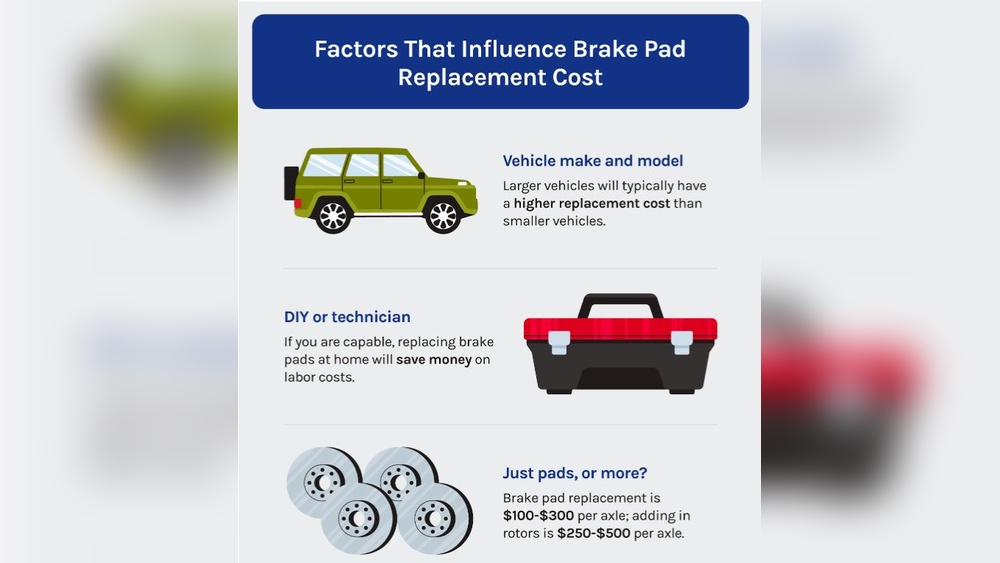
When your car’s brakes start to feel less responsive, you might wonder, “How much do brake rotors cost?” Knowing the price upfront can help you avoid surprises and make smart decisions for your vehicle. Whether you’re a car enthusiast or just someone who wants to stay safe on the road, understanding the cost of brake rotors is essential.
You’ll discover what affects the price, how to spot signs you need new rotors, and how to get the best value without compromising quality. Keep reading to save money and keep your brakes in top shape.

Credit: www.youtube.com
Brake Rotor Types
Brake rotors come in different types. Each type serves a specific purpose. Choosing the right rotor affects braking performance and cost. Understanding rotor types helps in making a better choice for your vehicle.
Standard Rotors
Standard rotors are common in most cars. They offer reliable braking for daily driving. These rotors are usually smooth and solid. They are the most affordable option. Ideal for regular city and highway use.
Performance Rotors
Performance rotors improve braking power and heat resistance. They are often used in sports cars. These rotors handle higher speeds and aggressive driving. Performance rotors cost more than standard types. They last longer under tough conditions.
Drilled And Slotted Rotors
Drilled rotors have holes for better heat dissipation. Slotted rotors have grooves to remove brake dust. Both types improve braking in wet or hot conditions. They reduce brake fade during heavy use. These rotors tend to be pricier than plain ones.
Material Differences
Rotors come in various materials like cast iron, steel, and carbon. Cast iron is common and affordable. Steel rotors offer better strength and durability. Carbon rotors are light and perform well but cost much more. Material choice affects rotor price and lifespan.
Credit: omegaautocare.com
Factors Affecting Rotor Prices
Brake rotor prices vary widely due to several key factors. Understanding these factors helps you estimate the cost better. Prices depend on the type of vehicle, rotor size, brand, and quality. Each factor influences the final price you pay.
Vehicle Make And Model
Different vehicles need specific rotors. Luxury cars or trucks usually require larger, more expensive rotors. Common cars often have cheaper rotors. The vehicle’s design and braking system affect rotor cost.
Rotor Size And Thickness
Bigger rotors cost more. They need more material and stronger construction. Thicker rotors last longer but add to the price. Size and thickness match the vehicle’s braking needs.
Brand And Quality
Famous brands charge higher prices. They offer better quality and durability. Cheaper brands may save money but wear out faster. Quality affects safety and performance.
Oem Vs Aftermarket
OEM (Original Equipment Manufacturer) rotors match your vehicle’s parts exactly. They tend to cost more. Aftermarket rotors are usually cheaper and come in many varieties. Some aftermarket parts match OEM quality, others do not.
Average Cost Range
Brake rotors vary widely in price based on quality and features. Knowing the average cost range helps you plan your budget better. Prices depend on the vehicle type and rotor material. Here is a breakdown of common price categories.
Entry-level Options
Entry-level rotors are the most affordable choice. They usually cost between $30 and $50 each. These rotors work well for daily driving and light use. Made from basic cast iron, they provide decent performance. Ideal for drivers who want a budget-friendly fix.
Mid-range Choices
Mid-range rotors cost about $50 to $100 each. They offer better durability and heat resistance. Often made with improved alloys or coated surfaces. These rotors suit drivers who need more reliable braking. A solid option for regular city and highway driving.
Premium Rotors
Premium rotors range from $100 to $200 or more each. They use advanced materials like carbon or slotted designs. These rotors handle high heat and heavy use well. Perfect for performance cars and tough conditions. They last longer and improve braking feel.
Additional Expenses To Consider
Brake rotors cost is just one part of the total expense. Other costs can add up quickly. Knowing these extra fees helps you plan your budget better.
Labor Charges
Labor is the fee for the mechanic’s work. It depends on the shop and your location. Some places charge by the hour. Replacing rotors often takes one to two hours.
Labor rates vary from $50 to $150 per hour. Complex vehicles can take longer, raising costs. Always ask for an estimate before the work starts.
Associated Brake Parts
Rotors rarely wear out alone. Brake pads often need replacement too. Sometimes, hardware like clips or sensors must be changed.
Buying these parts adds to the total bill. Quality matters for safety and performance. Cheap parts may wear out faster or cause damage.
Maintenance Costs
Regular brake maintenance saves money over time. Cleaning and inspections prevent big repairs. Ignoring small issues can lead to costly fixes.
Brake fluid replacement is another cost. It should be changed every two years. Proper maintenance keeps brakes working well and lasts longer.
Cost-saving Tips
Saving money on brake rotors is possible with smart choices. Understanding key cost-saving tips helps you avoid extra expenses. Simple steps can extend rotor life and reduce repair costs.
Buying In Pairs
Buy brake rotors in pairs for both wheels on the same axle. This keeps braking balanced and safe. Replacing only one rotor can cause uneven wear and extra repairs. Pair purchases often come with discounts from sellers.
Choosing Quality Over Price
Choose good quality rotors instead of the cheapest ones. Low-quality rotors wear out faster and may damage other parts. Investing in quality saves money by lasting longer and working better. Check product reviews and ratings before buying.
When To Replace Rotors
Replace rotors only when necessary to save money. Check for signs like deep grooves, warping, or noise. Rotors in good shape do not need replacement with every brake pad change. Regular inspections help spot issues early and avoid costly repairs.
Signs You Need New Rotors
Brake rotors are a key part of your car’s braking system. They work with brake pads to slow down or stop your vehicle. Over time, rotors wear out and need replacement. Knowing the signs of worn rotors helps keep your car safe. Watch for these clear signs that show your rotors need attention.
Vibrations While Braking
Feel a shaking or wobbling in the brake pedal or steering wheel? This usually means the rotors are warped. Warped rotors cause uneven contact with brake pads. The result is vibrations you can feel when braking. It’s a warning sign that new rotors might be needed.
Visible Wear And Damage
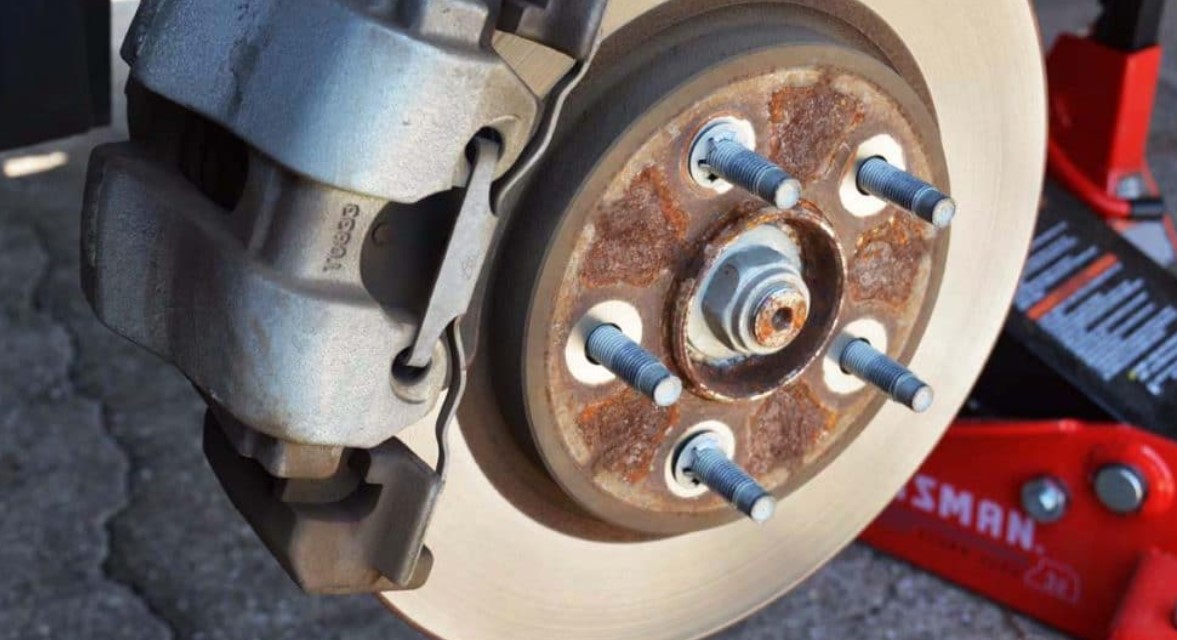
Look closely at the rotors through the wheel spokes. Deep grooves, cracks, or rust spots show damage. Thin or uneven rotors lose their strength and braking power. Visible damage means the rotors cannot work properly. Replace them before it becomes unsafe.
Noisy Braking
Listen for squealing, grinding, or scraping sounds while braking. These noises often come from worn rotors or brake pads. Rotors with rough surfaces create noise during contact. Noisy brakes indicate the rotors need checking and likely replacement.
Diy Vs Professional Replacement
Deciding between DIY and professional replacement of brake rotors depends on skills, tools, and safety concerns. Changing rotors yourself can save money but requires knowledge and proper equipment. Professional service offers expertise and guarantees but at a higher cost. Understanding the pros and cons of each choice helps you make a smart decision for your car and budget.
Pros And Cons Of Diy
DIY brake rotor replacement saves labor costs and gives control over the process. You can buy parts at lower prices and work on your schedule. Learning new skills adds satisfaction and confidence in car care.
Risks include incorrect installation, which can cause brake failure or damage. Specialized tools may be needed and not everyone has them. The job can be time-consuming and physically demanding. Safety is critical; mistakes can lead to accidents.
When To Seek Professional Help
Choose professional replacement if you lack tools or experience. Mechanics ensure proper fit and function using the right equipment. They inspect other brake parts and catch issues early.
Professional work includes warranty and peace of mind. Complex brake systems or signs of serious damage require expert attention. Quick, safe service reduces downtime and stress.

Credit: shop.advanceautoparts.com
Frequently Asked Questions
How Much Do Brake Rotors Typically Cost?
Brake rotors usually cost between $30 and $75 each. Prices vary based on vehicle type and rotor quality. High-performance or specialty rotors may cost more.
What Factors Affect Brake Rotor Prices?
Rotor cost depends on size, material, brand, and vehicle model. Premium materials like carbon ceramic increase prices. Labor costs also add to total expenses.
Can I Save Money By Buying Brake Rotors Online?
Buying brake rotors online often offers better prices than local stores. Ensure compatibility with your vehicle. Factor in shipping costs and return policies before purchasing.
How Often Should Brake Rotors Be Replaced?
Brake rotors typically last 30,000 to 70,000 miles. Replace them when warped, scored, or below minimum thickness. Regular inspection helps avoid costly damage.
Conclusion
Brake rotor costs vary based on brand, material, and vehicle type. Choosing quality rotors helps ensure safety and performance. Regular checks can prevent costly repairs later. Shop around to find prices that fit your budget. Remember, proper brake care keeps you safe on the road.
Don’t delay replacing worn rotors. A small investment now saves trouble down the line. Keep your brakes in top shape for smooth, secure driving.