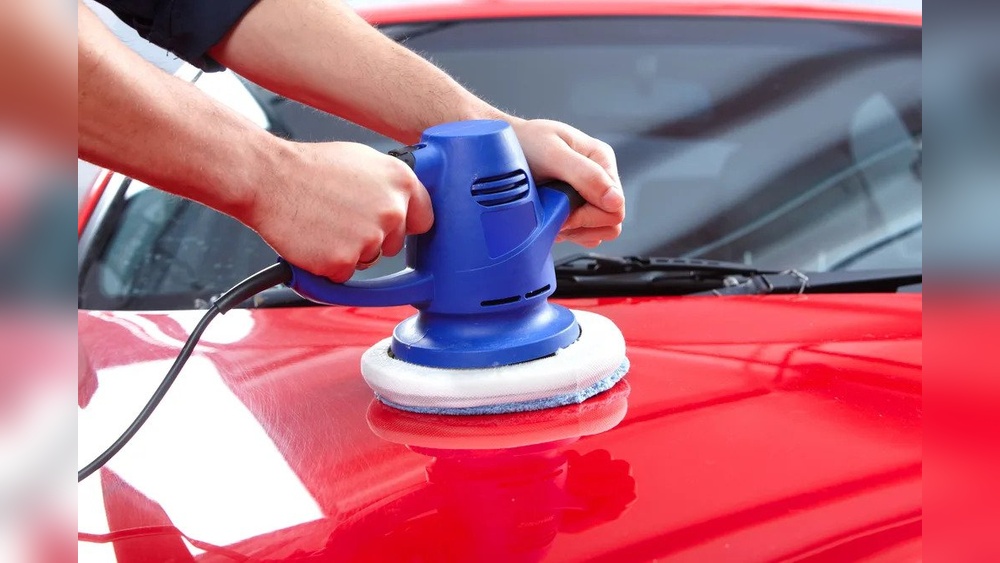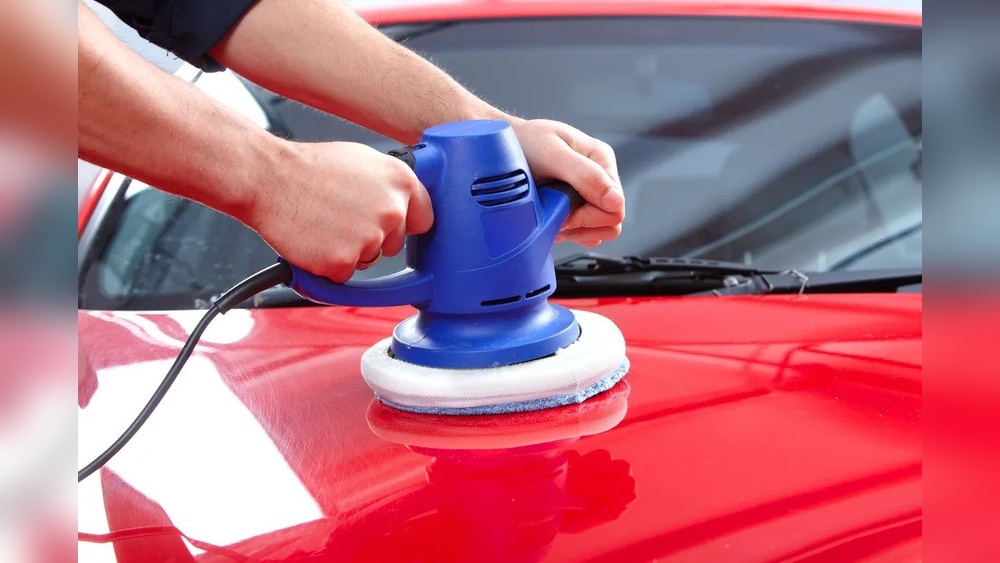
You want your car to look shiny and fresh every time you drive it. Ceramic wax can help protect your paint and keep that new-car glow.
But how often should you apply it to get the best results? If you’re unsure about the right timing, you’re not alone. Knowing when to ceramic wax your car can save you time, money, and frustration. Keep reading, and you’ll discover the perfect schedule to keep your car looking its best all year round.
Benefits Of Ceramic Wax
Ceramic wax offers many benefits for car owners. It protects your car’s paint and keeps it looking fresh. This wax forms a strong layer that lasts longer than regular wax. It also makes cleaning easier and helps your car resist dirt and water. Here are some key benefits of ceramic wax.
Enhanced Paint Protection
Ceramic wax creates a tough shield on your car’s surface. It defends against scratches and minor damage. The wax also protects from harmful UV rays. This keeps the paint from fading or peeling. Your car stays newer for a longer time.
Improved Water Repellency
The wax causes water to bead up and roll off quickly. This prevents water spots and stains on the paint. It also stops dirt and grime from sticking to the car. Rain or car washes become more effective and less frequent.
Long-lasting Shine
Ceramic wax gives your car a bright, glossy finish. The shine lasts much longer than with traditional wax. It keeps your car looking clean and polished every day. This shine makes your car stand out on the road.

Credit: stonercarcare.com
Factors Affecting Wax Frequency
The frequency of ceramic waxing depends on several key factors. Understanding these helps protect your car’s paint better. Some conditions make wax wear off faster. Others help it last longer. Knowing these details guides how often you should reapply the wax.
Climate And Weather Conditions
Hot sun can break down wax quickly. Rain and snow wash away protective layers. Salt from winter roads damages wax finish. Humid areas may speed up wax fading. Dry, mild climates help wax last longer. Adjust waxing schedule based on local weather.
Driving Habits
Frequent long drives expose your car to more dirt and debris. Urban driving means more pollution on the paint. Off-road trips cause scratches and wear on wax. Short trips may need less frequent waxing. Clean your car often to keep wax effective.
Type Of Ceramic Wax Used
Some ceramic waxes last longer than others. High-quality wax offers stronger, longer protection. Some formulas resist water and dirt better. Check product details for durability claims. Follow manufacturer’s advice for reapplication timing.
Recommended Waxing Intervals
Ceramic wax offers strong protection for your car’s paint. Knowing how often to apply it keeps your car looking fresh and shielded. The right waxing interval depends on driving habits and weather conditions. This guide explains the best timing for waxing your car with ceramic wax.
Standard Frequency For Average Drivers
For most drivers, waxing every three to six months works well. This schedule balances protection and convenience. Ceramic wax lasts longer than regular wax, so less frequent application is fine. Applying it twice a year usually keeps the paint shiny and safe.
Adjustments For Harsh Environments
Cars in harsh climates need more frequent waxing. Sun, rain, snow, and road salt wear down the wax faster. In these conditions, waxing every two to three months helps maintain protection. Regular checks can catch early signs of wax fading or damage.
Signs Your Car Needs Re-waxing
Look for dullness or water spots on the paint surface. Water should bead and roll off if wax is active. If water spreads flat, wax protection is weakening. Rough or faded areas also mean it’s time to re-wax. These signs help you keep your car’s finish in top shape.
Preparation Before Applying Ceramic Wax
Preparing your car before applying ceramic wax is very important. Proper preparation helps the wax stick better. It also makes the shine last longer. Skipping this step can cause poor results and less protection. Follow these simple steps to get the best finish.
Cleaning And Decontaminating The Surface
Start by washing your car thoroughly. Use a mild car shampoo to remove dirt and grime. After washing, check for stubborn spots like tar or tree sap. Use a clay bar or special cleaner to remove these contaminants. This step clears the surface for the wax to bond well. Clean surfaces ensure a smooth, even coat.
Drying And Temperature Considerations
Dry your car completely before applying ceramic wax. Use a soft microfiber towel to avoid scratches. Make sure no water spots remain on the surface. Apply the wax in a shaded area with moderate temperature. Avoid direct sunlight or extreme heat. Too hot or cold surfaces prevent proper curing of the wax. Ideal conditions help the wax last longer and protect better.
Application Tips For Best Results
Ceramic wax can protect your car and make it shine. Applying it the right way helps it last longer. Small steps matter. Preparation and care during application give the best finish.
Follow the process carefully. Use the right tools and avoid common mistakes. This ensures your car looks great and stays protected.
Tools And Materials Needed
Gather everything before you start. You will need:
- Ceramic wax product
- Microfiber applicator pads
- Clean microfiber towels
- Car wash soap and water
- Clay bar kit (optional)
- Gloves to protect your hands
Clean and dry surfaces help the wax stick well. Prepare your space with good light and shade.
Step-by-step Waxing Process
Start by washing the car thoroughly. Remove dirt and grime. Use a clay bar to smooth the paint if needed.
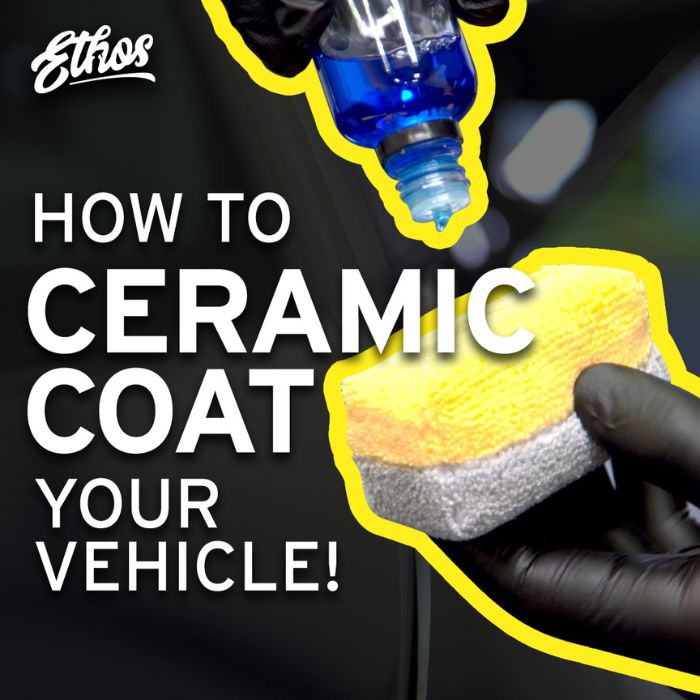
Apply a small amount of ceramic wax on the applicator pad. Work in small sections, about 2×2 feet. Spread the wax evenly in circular motions.
Wait for the wax to haze. This usually takes a few minutes. Use a clean microfiber towel to buff the surface gently. Remove all residue for a clear shine.
Repeat the steps on each section. Avoid applying too much wax at once. This can cause streaks and uneven coverage.
Common Mistakes To Avoid
Don’t apply ceramic wax on a hot car or in direct sunlight. It dries too fast and leaves marks. Avoid using dirty towels or applicators. They can scratch the paint.
Do not rush the process. Patience leads to better results. Avoid thick layers of wax. Thin, even coats work best.
Never skip washing and prepping your car first. Dirt under the wax ruins the finish. Avoid touching the waxed surface until it cures fully.
Credit: ethoscarcare.com
Maintaining Ceramic Wax Protection
Maintaining ceramic wax protection keeps your car’s shine and defense strong. The wax forms a tough layer against dirt, water, and sun damage. Proper care extends the life of this protective coat. Simple steps help keep your car looking fresh and new. Follow these tips to protect your investment and enjoy a glossy finish longer.
Regular Washing Techniques
Wash your car gently to keep the ceramic wax intact. Use a soft sponge or microfiber cloth with mild soap. Avoid harsh detergents that can strip the wax layer. Rinse thoroughly with clean water to remove all dirt. Dry the car with a soft towel to prevent water spots. Frequent, careful washing helps maintain the wax’s strength and shine.
Using Boosters And Sealants
Boosters add extra protection between full wax applications. Spray them lightly and spread evenly for best results. Sealants can also enhance the ceramic wax layer. Choose products compatible with ceramic wax for best performance. Apply boosters monthly to refresh the coating. This routine keeps the wax layer healthy and extends its lifespan.
Avoiding Damage To The Wax Layer
Stay clear of abrasive cleaners or rough brushes on your car. Park in shaded areas to reduce sun damage. Avoid parking under trees where sap and bird droppings can fall. Clean off contaminants quickly to prevent staining or etching. Driving on rough roads can scratch the wax layer. Gentle care protects the ceramic wax and your car’s finish.
Cost And Time Investment
Ceramic waxing offers strong protection and shine for your car. But it requires some cost and time to maintain. Understanding these factors helps you decide how often to apply ceramic wax.
Knowing the price and time needed for each application makes planning easier. You get the best results without wasting money or effort.
Pricing Of Ceramic Waxes
Ceramic wax prices vary by brand and quality. Most cost between $20 and $50 per bottle. A single bottle can cover several applications. Professional ceramic wax services cost more, often $100 or more. DIY waxing saves money but needs patience and care.
Time Required Per Application
Applying ceramic wax takes about 30 to 60 minutes. This includes cleaning the car before waxing. The wax needs time to cure, usually a few hours. Rushing can reduce the wax’s effectiveness. Regular waxing sessions need a time commitment.
Balancing Cost With Benefits
Consider how long the wax protects your car. Ceramic wax lasts longer than regular wax. This means fewer applications and less time spent overall. Spending more upfront can save money and effort later. The improved shine and protection add value to your car.

Credit: ethoscarcare.com
Comparing Ceramic Wax To Other Options
Ceramic wax is one popular choice to protect car paint. It offers a strong, shiny layer that lasts longer than many other products. Understanding how ceramic wax compares to traditional wax and other sealants helps you pick the best option. Each product has its own strengths and fits different needs.
Traditional Wax Vs. Ceramic Wax
Traditional wax usually comes from natural sources like carnauba. It gives a deep shine and protects paint for a few weeks. Ceramic wax uses advanced materials that bond to the paint. This creates a harder, longer-lasting shield. Traditional wax is easier to apply but wears off faster. Ceramic wax needs more effort but stays strong for months.
Sealants And Coatings Differences
Sealants are synthetic products that protect paint for weeks to months. They provide a shiny, smooth surface. Ceramic coatings are thicker and more durable than sealants. They form a semi-permanent layer that lasts many months or years. Ceramic wax sits between sealants and coatings in terms of protection and durability. Sealants are simple to apply, while coatings require professional work.
Which Option Suits Your Needs
Choose traditional wax for quick shine and easy use. Pick ceramic wax if you want longer protection and extra shine. Sealants suit drivers who want simple, medium-term care. Ceramic coatings fit those who want top protection and don’t mind higher costs. Think about your budget, time, and how often you wash your car.
Frequently Asked Questions
How Often Should Ceramic Wax Be Applied To A Car?
Ceramic wax should be applied every 3 to 6 months. This frequency ensures optimal protection and shine. Factors like climate and driving conditions may affect how often you need to reapply.
Does Ceramic Wax Protect Against Environmental Damage?
Yes, ceramic wax forms a strong protective layer. It shields your car from UV rays, dirt, and water. This helps prevent fading, oxidation, and corrosion, keeping your paintwork in excellent condition.
Can Ceramic Wax Replace Regular Car Waxing?
Ceramic wax offers longer-lasting protection than regular wax. However, it is best used alongside routine maintenance. Regular washing and occasional polishing still enhance your car’s appearance and protection.
How Do I Know When To Reapply Ceramic Wax?
Look for reduced water beading and dullness on the surface. These signs indicate the ceramic wax is wearing off. Reapply when protection diminishes to maintain a glossy, durable finish.
Conclusion
Ceramic wax keeps your car shiny and protected longer. Applying it every few months works best. This timing helps maintain the wax’s strength and your car’s look. Clean the car well before each application. Regular care saves money and effort in the long run.
Keep an eye on your car’s surface for signs of wear. A little attention goes a long way. Your car deserves simple, steady care to stay beautiful.