You’ve just applied wax to your car, but now you’re wondering: how long should you let it sit? This step is more important than you might think.
If you rush it, the wax won’t protect your car properly. Wait too long, and it could be harder to buff off. Knowing the perfect wait time can save you effort and give your car a shiny, lasting finish. Keep reading to find out exactly how long you should let car wax sit, so your vehicle looks its best every time.
Choosing The Right Wax
Choosing the right wax is key to getting the best shine on your car. Different waxes suit different needs and surfaces. Knowing the types and their benefits helps you pick the right one. This makes your car look great and protects it well.
Types Of Car Wax
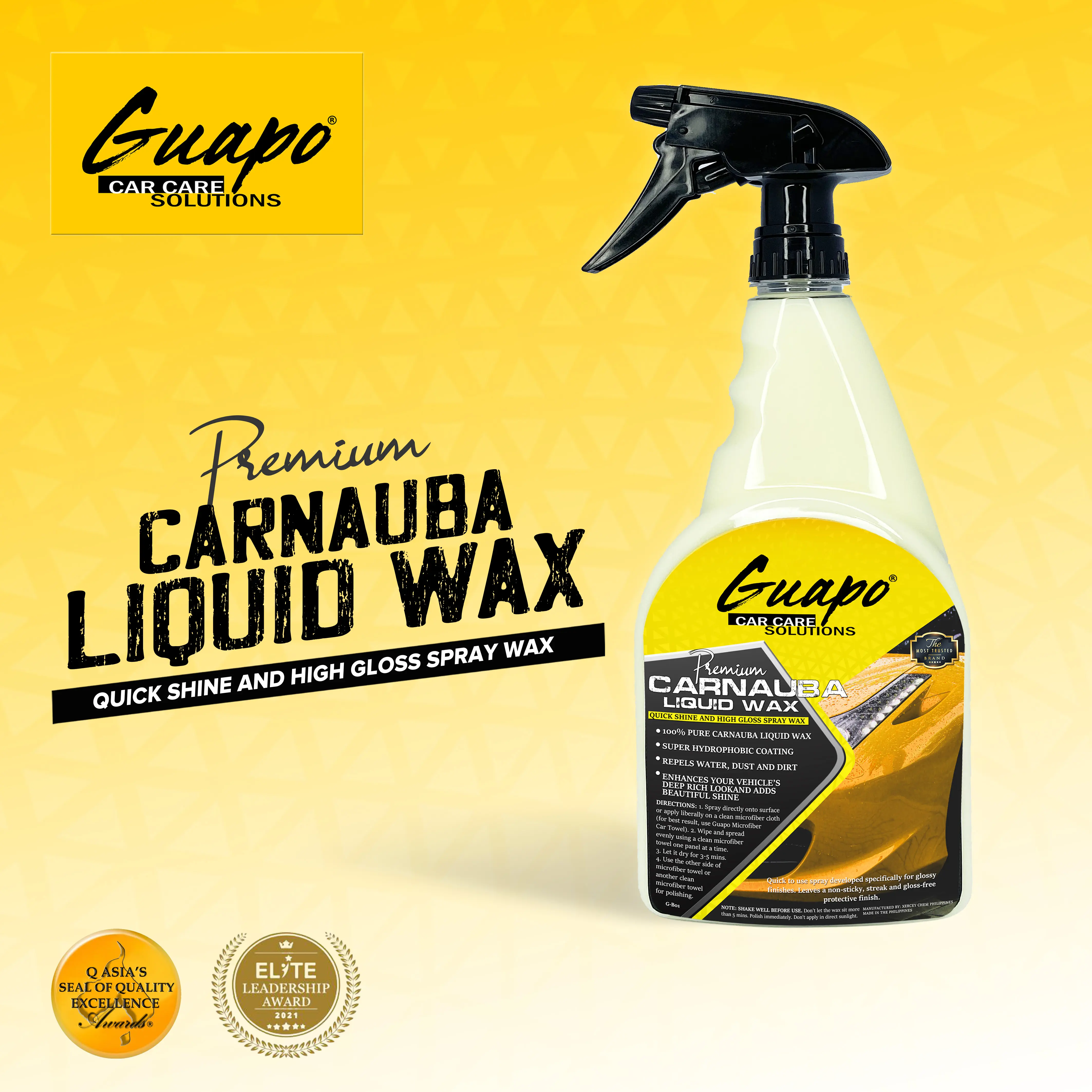
Car wax comes in several types. Paste wax is thick and lasts long. It gives a deep shine but needs more effort to apply. Liquid wax is easy to spread and dries fast. It works well for quick jobs. Spray wax is very simple to use. It adds a light shine and is good for touch-ups. Synthetic wax offers strong protection and lasts longer than natural wax.
Benefits Of Different Waxes
Paste wax protects paint for a long time. It resists water and dirt well. Liquid wax is faster to apply and buff off. It suits busy car owners who want quick results. Spray wax shines fast and keeps the car looking fresh. Synthetic waxes shield better against weather and UV rays. They keep the paint safe for months.
Credit: blisscarwash.com
Preparing Your Car
Before applying wax, your car needs proper preparation. A clean and dry surface helps the wax stick better. Dirt and water can cause uneven application. Taking time to prepare your car gives the best results. It also protects the paint and extends the wax life.
Cleaning And Drying
Start by washing your car thoroughly. Use a gentle car shampoo and a soft sponge. Avoid harsh detergents that can damage the paint. Rinse the car well to remove all soap. Dry the surface with a microfiber towel to prevent water spots. A dry car lets the wax bond correctly.
Surface Inspection
Look closely at your car’s paint. Check for scratches, dirt, or wax residue. Old wax can block the new layer from sticking. Use a clay bar to remove contaminants if needed. Fix small scratches with a polish before waxing. A smooth surface means a smoother wax finish.
Applying Car Wax
Applying car wax is a key step to protect your car’s paint. It adds shine and guards against dirt and damage. Doing it right helps the wax last longer and look better.
Clean your car first. Dry it completely. Warm, shaded spots work best for waxing. This stops the wax from drying too fast or too slow.
Best Tools To Use
Use a soft foam applicator pad for smooth, even wax application. It holds just enough wax and spreads it well. Avoid rough or dirty cloths that can scratch the paint.
A microfiber towel is perfect for removing wax residue. It is gentle and absorbs well. Use a clean towel to avoid leaving streaks or marks on your car.
Application Techniques
Apply wax in small sections at a time. Use light, circular motions with the applicator pad. This helps cover every inch evenly.
Don’t press too hard. Let the wax lay on the surface. Too much pressure can cause uneven layers or scratches.
After applying, wait for the wax to dry to a haze. This usually takes 5 to 15 minutes. Then, buff it off gently with a microfiber towel to reveal a shiny finish.
Credit: www.mosaictiles.com
Ideal Waiting Time
Knowing the ideal waiting time for car wax to dry is important for the best finish. It helps the wax bond well with the paint. This makes the car shine and stay protected longer. Waiting too little or too long can reduce the wax’s effectiveness.
Different wax types and weather conditions change how long you should wait. Understanding these factors leads to better results. Follow the right timing to get a smooth, shiny surface.
Factors Influencing Drying Time
Type of wax affects drying time. Liquid wax dries faster than paste wax. Synthetic waxes usually need less time than natural ones.
Weather plays a big role. Hot, dry days speed up drying. Cold or humid weather slows it down. Direct sunlight can also help wax dry quicker.
Thickness of the wax layer matters. A thin layer dries faster. Thick layers take more time to set properly.
Recommended Waiting Periods
Liquid wax usually needs 10 to 15 minutes to dry. Paste wax can require 20 to 30 minutes. Always check the product label for specific times.
Wait until the wax looks hazy or cloudy. This means it is ready to buff off. Avoid waiting too long, as the wax can become hard to remove.
In cold or humid weather, add 5 to 10 more minutes to the wait. On hot days, check earlier. The wax may dry faster than expected.
Removing Wax Residue
Removing wax residue is an important step after applying car wax. It helps to reveal a shiny, smooth surface. Leaving wax residue on the car can dull the finish and attract dirt. Proper removal ensures the wax protects the paint while keeping the car looking fresh and clean.
Proper Buffing Methods
Use a clean, soft microfiber cloth for buffing. Work in small sections to avoid missing spots. Gently rub the surface in circular motions. Apply light pressure to avoid scratching the paint. Flip the cloth often to a clean side. Finish by wiping with a dry cloth for a clear shine.
Common Mistakes To Avoid
Do not let wax dry completely before buffing. This makes it harder to remove and leaves residue. Avoid using rough towels or dirty cloths. These can scratch the car’s surface. Do not use too much wax at once. Thick layers take longer to remove and can smear. Always buff in the shade to prevent wax from drying too fast.
Maintaining The Shine
Maintaining the shine of your car after waxing is important. A good wax job protects the paint and keeps the car looking new. Knowing how long to let the wax sit helps achieve the best shine. But keeping that shine needs regular care and smart habits.
Wax forms a protective layer on your car’s surface. This layer blocks dirt, water, and harmful UV rays. The shine fades if you do not care for the wax properly. Simple steps can extend the life of your car’s glossy finish.
Frequency Of Waxing
Wax your car every three to four months. This schedule keeps the protective layer strong. Cars parked outside or driven often may need waxing more. Check your car’s shine and water repellency as signs. If water stops beading, it is time to re-wax. Regular waxing keeps the paint healthy and bright.
Tips For Long-lasting Gloss
Wash your car gently before waxing. Use mild soap and soft cloths to avoid scratches. Dry the car completely before applying wax. Apply wax in small, even sections. Let the wax dry until it looks hazy, then buff with a clean cloth. Avoid washing the car with harsh chemicals after waxing. Park your car in the shade to protect the wax. These steps help the wax last longer and keep the shine strong.

Credit: www.ebay.com
Frequently Asked Questions
How Long Should Car Wax Sit Before Buffing?
Car wax usually needs 10 to 15 minutes to dry before buffing. Waiting this time lets the wax bond properly with the paint. Avoid letting it dry too long, as that can make removal harder and reduce shine.
Can I Wax My Car In Direct Sunlight?
It’s best to avoid waxing your car in direct sunlight. Heat causes the wax to dry too fast, making application uneven. Choose a shaded, cool area to apply wax for the best results and easier buffing.
How Often Should I Wax My Car For Protection?
Wax your car every 3 to 4 months for optimal protection. Regular waxing shields paint from UV rays, dirt, and moisture. Frequent waxing maintains shine and prolongs the life of your car’s finish.
What Happens If I Remove Car Wax Too Early?
Removing wax too early can leave streaks and uneven shine. The wax needs time to bond with the paint. Wait until the wax feels dry or hazy before buffing to achieve a smooth, glossy finish.
Conclusion
Letting car wax sit the right time makes a big difference. Too short, and it won’t protect well. Too long, and it becomes hard to remove. Usually, waiting 10 to 15 minutes works best. Always follow the wax instructions for best results.
A well-waxed car shines longer and stays cleaner. Taking time to do it right saves effort later. Your car will look great and stay safe from dirt and weather. Simple steps, good results. Easy to do, worth the effort.