
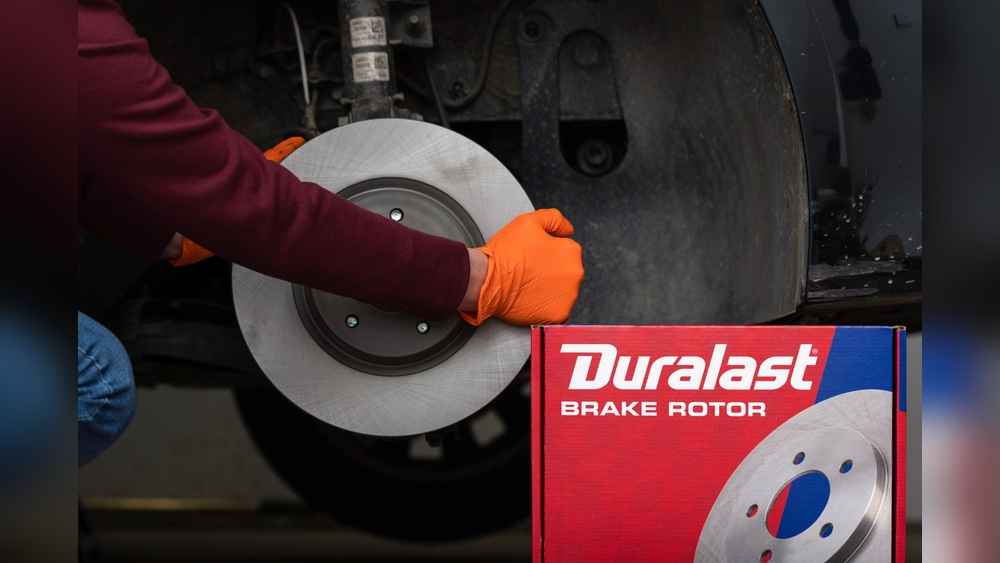
Have you ever wondered how long your brake rotors should last before they need replacing? Knowing this can save you from unexpected repairs and keep your car running safely.
Your brake rotors play a crucial role in stopping your vehicle, so understanding their lifespan helps you avoid costly damage and ensures your peace of mind on the road. You’ll discover clear signs of wear, factors that affect rotor life, and simple tips to make your brakes last longer.
Keep reading to protect your car and your safety every time you drive.
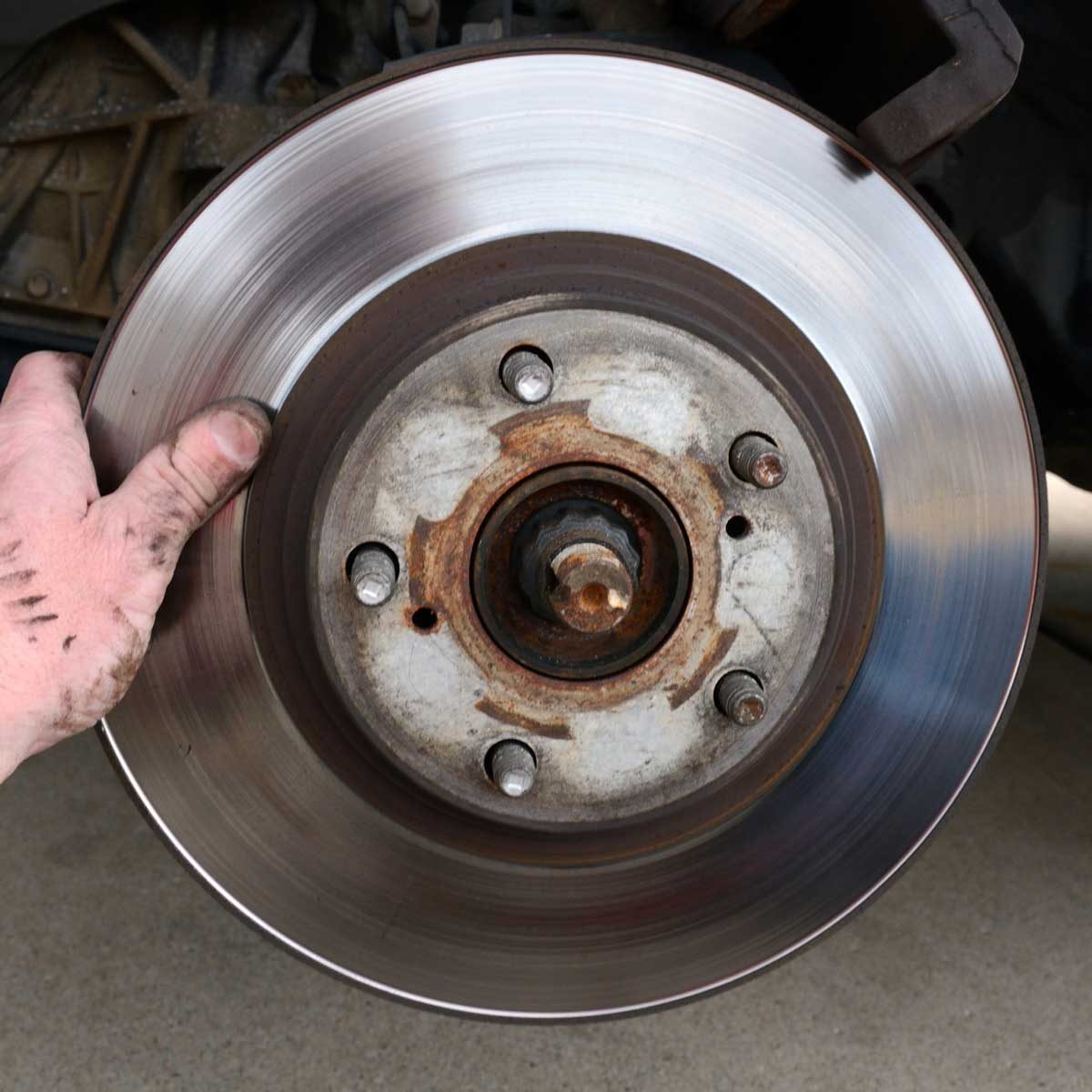
Credit: www.familyhandyman.com
Rotor Lifespan Factors
Brake rotors do not last forever. Several factors affect how long they stay in good shape. Knowing these factors helps you maintain your vehicle better. It also helps you avoid sudden brake problems. Understanding rotor lifespan factors can save you time and money.
Rotors wear out at different rates depending on many conditions. Some rotors last tens of thousands of miles. Others may need replacement much sooner. Let’s explore the main reasons that influence rotor life.
Material Types
Brake rotors come in different materials. Cast iron is the most common and affordable. It wears evenly but can rust over time. Carbon composite rotors are lighter and last longer. They cost more but offer better performance. Some rotors have special coatings to resist wear and corrosion. The material quality directly affects rotor lifespan and brake feel.
Driving Habits
How you drive impacts rotor wear a lot. Hard braking causes more heat and faster wear. Riding the brakes or braking frequently also wears rotors quickly. Smooth, gentle braking extends rotor life. Long downhill drives with constant braking increase rotor stress. Careful driving reduces the need for early rotor replacement.
Vehicle Type
Heavier vehicles put more strain on rotors. Trucks and SUVs often wear rotors faster than small cars. Performance cars with strong brakes can also wear rotors quickly due to high heat. The rotor size and design depend on the vehicle type. Matching rotors to your vehicle helps ensure longer life.
Environmental Conditions
Weather and road conditions affect rotor condition. Rain, snow, and salt cause corrosion and rust. Dust and dirt can wear rotors unevenly. Driving in hilly areas adds extra brake use. Hot climates cause more heat stress on rotors. Regular cleaning and checks help protect rotors from harsh environments.
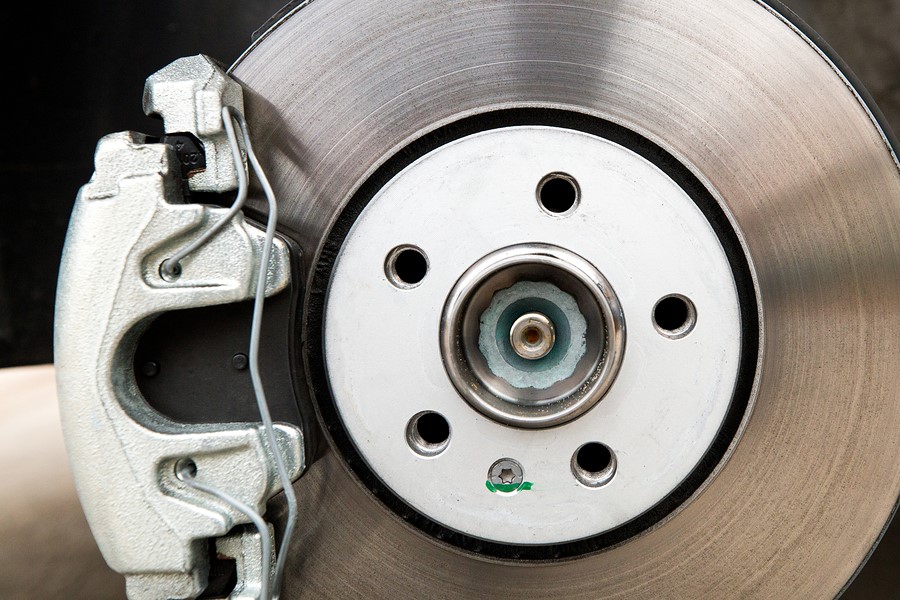
Credit: haresservicingandrepairsltd.co.uk
Signs Of Worn Rotors
Worn brake rotors can affect your car’s safety and performance. Knowing the signs helps you act early. Early detection stops bigger problems and costly repairs. Pay close attention to how your brakes feel and sound. Look for visible damage on the rotors too. These signs show your rotors may need replacement soon.
Vibrations While Braking
Feeling vibrations through the brake pedal is a common sign. It usually happens when rotors are warped or uneven. The shaking gets worse as you press the brake harder. This can make driving uncomfortable and unsafe.
Squealing Or Grinding Noises
High-pitched squealing often means worn brake pads rubbing on rotors. A grinding sound can mean the rotors are deeply damaged. Ignoring these noises can lead to brake failure. Pay attention to any new or unusual brake sounds.
Visible Rotor Damage
Look at the rotors through the wheel spokes. Deep grooves, cracks, or rust spots show wear and tear. These damages reduce braking power and increase risk. Regular checks help spot damage early before it worsens.
Increased Stopping Distance
Your car takes longer to stop with worn rotors. This is dangerous, especially in emergencies. Notice if you need to press the brake pedal harder or farther. Longer stopping distances mean your brakes are not working well.
Maintenance Tips
Maintaining brake rotors helps them last longer and work better. Simple habits keep your brakes safe and effective. Follow these tips to protect your brake rotors and avoid costly repairs.
Regular Inspections
Check brake rotors every few months. Look for cracks, grooves, or rust on the surface. Early signs of wear help prevent bigger problems. Have a mechanic inspect rotors during routine service. Catching issues early saves time and money.
Proper Brake Pad Replacement
Replace brake pads before they wear out completely. Worn pads can damage the rotors. Use the right pads for your car model. Avoid cheap parts that wear out fast. Changing pads on time protects rotor surfaces and improves braking.
Cleaning And Lubrication
Keep brake parts clean to avoid dirt build-up. Dirt and dust cause uneven wear on rotors. Clean rotors gently with brake cleaner spray. Apply lubricant to caliper pins to ensure smooth movement. Clean brakes perform better and last longer.
Avoiding Overheating
Overheating weakens brake rotors and causes warping. Avoid riding the brakes on long downhill drives. Use lower gears to slow down instead of brakes. Take breaks on long trips to cool down brakes. Cool brakes work more efficiently and last longer.

Credit: www.reddit.com
Maximizing Rotor Durability
Maximizing the durability of brake rotors helps save money and ensures safety. Rotors wear out over time, but some steps can extend their life. Small changes in parts and habits make a big difference. Understanding these methods can keep your brakes working well longer.
Choosing Quality Materials
High-quality rotors last longer and resist wear better. Look for rotors made from strong metals like cast iron or carbon composites. Cheap materials wear out fast and can warp easily. Investing in good rotors means fewer replacements over time.
Adapting Driving Style
Gentle braking reduces heat and stress on rotors. Avoid hard stops and sudden braking. Slow down early to prevent heavy wear. Smooth driving helps rotors stay in good shape for more miles.
Timely Repairs
Fix brake problems as soon as they appear. Worn pads or damaged calipers can ruin rotors fast. Regular inspections catch issues early. Prompt repairs protect rotors and keep braking safe.
Upgrading Brake Components
Upgrading pads and calipers improves rotor lifespan. Performance pads create less dust and heat. Better components reduce rotor damage. Quality upgrades help brakes work smoothly and last longer.
Rotor Replacement Guidelines
Rotors are a key part of your car’s braking system. They help stop your vehicle safely. Knowing when and how to replace rotors saves money and keeps you safe. Follow these rotor replacement guidelines to maintain your car’s performance.
When To Replace Rotors
Rotors wear out over time. Signs include vibrations when braking and noisy brakes. Check for deep grooves or cracks on the rotor surface. If the rotor is thinner than the manufacturer’s limit, replace it. Warped rotors reduce braking power and cause shaking. Replace them immediately to avoid accidents.
Cost Considerations
Rotor replacement costs vary by car model and part quality. Standard rotors cost less but wear faster. High-performance rotors are pricier but last longer. Labor charges depend on the mechanic’s rates and job difficulty. Budget for both parts and labor when planning replacement. Sometimes replacing rotors with brake pads saves more money.
Diy Vs Professional Replacement
Replacing rotors yourself saves labor costs. Basic tools and some skill are needed. Follow safety steps carefully to avoid injury. Mistakes can cause brake failure. Professional mechanics offer quick, safe replacements. They inspect the whole braking system too. Choose a professional if unsure about the process.
Frequently Asked Questions
How Long Do Brake Rotors Typically Last?
Brake rotors usually last between 30,000 to 70,000 miles. This varies based on driving habits, rotor quality, and vehicle type. Proper maintenance and timely brake pad replacement can extend rotor life significantly.
What Factors Affect Brake Rotor Lifespan?
Brake rotor lifespan depends on driving style, road conditions, and rotor material. Frequent hard braking and heavy loads wear rotors faster. Regular inspections and avoiding aggressive driving help maintain rotor health.
How Can I Tell If My Brake Rotors Need Replacement?
Signs include vibrating brake pedals, squealing noises, and visible rotor grooves. Warped or cracked rotors reduce braking efficiency. Regular brake inspections catch these issues early, ensuring safe vehicle operation.
Does Rotor Thickness Impact Brake Performance?
Yes, rotor thickness is crucial for brake efficiency. Thinner rotors dissipate heat poorly and wear faster. Manufacturers provide minimum thickness specs; falling below them means replacement is necessary for safety.
Conclusion
Brake rotors usually last between 30,000 and 70,000 miles. Driving habits and road conditions affect their lifespan. Regular checks help spot wear early. Worn rotors can cause noise and reduce braking power. Replacing them on time keeps driving safe and smooth.
Keep an eye on brake performance to avoid surprises. Proper maintenance saves money and prevents accidents. Brake rotors matter for your car’s safety and comfort. Stay alert and maintain your brakes well.


