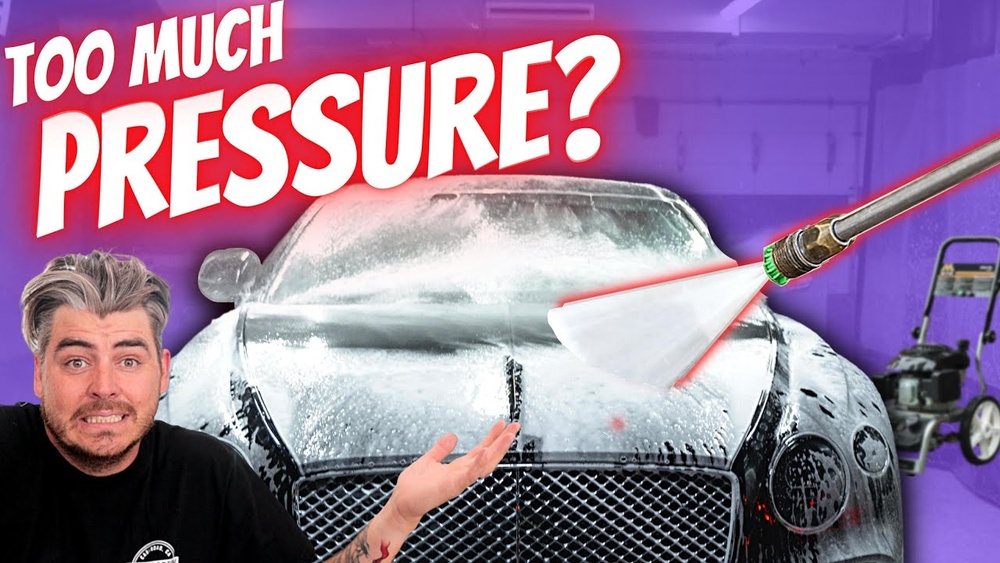
Have you ever wondered if the pressure you use to wash your car could actually be doing more harm than good? It’s easy to think that the stronger the water spray, the cleaner your car will be.
But is there a point where too much pressure starts to damage your paint, trim, or windows? Understanding the right balance can save you from costly repairs and keep your car looking its best. You’ll discover exactly how much pressure is too much to wash a car and learn simple tips to protect your vehicle every time you clean it.
Keep reading to make sure your next wash is safe, effective, and stress-free.
Credit: washnwhips.com
Pressure Basics
Understanding pressure is key to washing a car safely and effectively. Too much pressure can damage paint and trim. Too little pressure may leave dirt behind. Knowing the basics helps you choose the right tools and settings.
Pressure affects how well dirt and grime are removed. It also influences how gentle or harsh the cleaning process is. Learning about pressure units and what they mean makes car washing easier and safer.
What Is Pressure In Car Washing
Pressure in car washing means the force of water coming out of the nozzle. It pushes dirt and grime off the car’s surface. The stronger the pressure, the more dirt it can remove quickly.
But high pressure can also cause damage. It can strip paint or dent soft parts. Low pressure is safer but may need more scrubbing. Finding the right balance is important.
Units Of Pressure Measurement
Pressure is measured in pounds per square inch, or PSI. This tells you how much force is applied on one square inch of surface. A higher PSI means stronger water force.
Some tools also use bars as a unit. One bar equals about 14.5 PSI. Knowing these units helps you understand product labels and safety guides.
Ideal Pressure Range
Car washing pressure should stay between 1200 and 1900 PSI to avoid damage. Higher pressure can harm paint and delicate parts. Keeping pressure in this range cleans well without risks.
Choosing the right pressure to wash your car is important. Too much pressure can damage the paint or parts. Too little pressure might not clean well. The ideal pressure range cleans effectively without causing harm. This range depends on the surface and area you wash.
Using the right pressure helps keep your car safe and looking good. It also saves time and effort. Let’s explore the recommended pressure levels for different car surfaces and sensitive areas.
Recommended Psi For Different Surfaces
For most car surfaces, a pressure between 1200 and 1900 PSI works well. This range cleans dirt and grime without hurting the paint. Use lower pressure near decals or stickers to avoid peeling.
Wheels and tires can handle higher pressure, around 2000 to 2500 PSI. This helps remove brake dust and tough dirt. Metal parts also tolerate stronger sprays, but avoid aiming directly at seals or joints.
Pressure Settings For Sensitive Areas
Areas like headlights, mirrors, and rubber trims need gentle care. Keep pressure below 1200 PSI here. High pressure can crack plastic or push water into seals.
Windows require medium pressure, about 1000 to 1500 PSI. This cleans without risking cracks or leaks. Always keep the nozzle at least 12 inches away from sensitive parts to protect them.
Risks Of Excessive Pressure
Using too much pressure to wash a car can cause many problems. High pressure may seem like a quick fix to remove dirt. Yet, it can harm the car’s surfaces and parts. Knowing the risks helps protect your vehicle and keep it looking good.
Potential Damage To Paint
Excessive pressure can chip or scratch the paint. The force may strip away the protective clear coat. This leaves the paint exposed to fading and rust. Small cracks can also form, which worsen over time. Paint damage lowers the car’s value and appearance.
Effect On Windows And Seals
High pressure can break or crack windows. The strong water flow may push water under seals. This causes leaks inside the car. Rubber seals can tear or weaken, letting in dirt and moisture. Repairing windows and seals can be costly.
Impact On Tires And Undercarriage
The undercarriage and tires are sensitive to strong sprays. High pressure may wash away protective coatings. It can loosen parts or damage brake lines. Tires may suffer cuts or premature wear. Regular care with correct pressure extends their life.
Choosing The Right Equipment
Choosing the right equipment is key to washing your car safely. Too much pressure can damage the paint. Too little pressure may not clean well. Picking the right tools helps balance power and safety.
Understanding the types of pressure washers and nozzle tips makes a big difference. Use the right washer and nozzle for your car’s surface. This keeps your car looking great without harm.
Types Of Pressure Washers
There are electric and gas pressure washers. Electric washers are lighter and less powerful. They work well for cars and small jobs. Gas washers offer more power for tough dirt. They are heavier and louder. For car washing, a pressure washer with 1200 to 1900 PSI is best. Higher PSI can hurt your paint.
Nozzle Selection And Its Importance
Nozzles control water spray angle and pressure. A wide spray lowers pressure on your car. A 25-degree nozzle is good for gentle cleaning. Narrow nozzles like 0 or 15 degrees increase pressure. They can cause damage if used too close. Always start with a wide nozzle. Keep the spray at least 12 inches away from the surface.
Techniques For Safe Washing
Washing your car with the right pressure keeps the paint safe. Too much force can cause damage. Using correct techniques helps protect your car’s surface. It also cleans better without harm. Follow these tips for safe washing.
Optimal Distance From Surface
Keep the pressure washer nozzle at least 12 inches away from the car. Closer distance increases risk of paint damage. Stay too far and dirt stays on the surface. The sweet spot is 12 to 18 inches. This distance balances strong cleaning with safety.
Correct Angle And Movement
Hold the nozzle at a 45-degree angle to the surface. This angle reduces pressure impact on the paint. Spray in smooth, side-to-side motions. Avoid focusing on one spot too long. Moving evenly prevents scratches and paint wear.

Credit: www.turtlewax.com
Expert Tips For Pressure Control
Controlling pressure is key to safe and effective car washing. Too much pressure can damage paint and delicate parts. Too little pressure may leave dirt behind. Experts recommend careful pressure checks and adjustments for best results. Follow these tips to protect your vehicle and get a clean finish.
Testing Pressure Before Use
Always test pressure on a small spot first. Use a low-pressure setting at first. Spray on an inconspicuous area. Watch for paint damage or water splashing too hard. Adjust pressure if the force feels too strong. This step helps avoid costly mistakes.
Adjusting Pressure For Different Vehicles
Different cars need different pressure levels. Older vehicles or those with delicate paint require lower pressure. SUVs and trucks handle higher pressure safely. Use manufacturer guidelines when available. Adjust pressure based on the vehicle’s condition and type. This approach protects your car’s surface.
Common Mistakes To Avoid
Washing a car seems simple but can cause damage if done wrong. Many people make common mistakes that harm their vehicle’s paint and surface. Avoiding these errors helps keep the car clean and safe. Understanding what not to do saves time and money on repairs.
Using Maximum Pressure Always
Many assume the highest pressure cleans best. This is false. Maximum pressure can chip paint or cause dents. Delicate parts like mirrors and trim break easily. Use lower pressure for regular cleaning. Save strong bursts for tough spots only.
Ignoring Manufacturer Guidelines
Car makers give clear advice on washing pressure. Ignoring these can void warranties or damage finishes. Check the owner’s manual before using pressure washers. Follow their recommended limits to protect the paint. Stick to trusted instructions for safe cleaning.

Credit: www.youtube.com
Frequently Asked Questions
What Pressure Is Safe For Washing A Car?
A pressure of 1200 to 1900 PSI is generally safe for car washing. Higher pressure can damage paint and seals. Always use a nozzle with a wide spray pattern to avoid surface damage. Adjust pressure based on your car’s sensitivity and dirt level.
Can High Pressure Damage My Car’s Paint?
Yes, high pressure above 2000 PSI can chip or strip paint. It may also cause scratches and water intrusion into seals. Use moderate pressure and keep the nozzle at least 12 inches from the surface. Test on a small area first to ensure safety.
How Far Should The Pressure Washer Be From The Car?
Maintain a distance of 12 to 24 inches between the nozzle and car surface. Closer distances increase damage risk by concentrating force. Adjust distance to control cleaning intensity and protect paint, trim, and decals while effectively removing dirt.
Is A Pressure Washer Better Than A Garden Hose?
Pressure washers clean more effectively and save water compared to hoses. However, incorrect pressure settings can harm your car’s finish. Garden hoses are gentler but less efficient on tough grime. Choose based on your car’s condition and cleaning needs.
Conclusion
Too much pressure can damage your car’s paint and parts. Stay below 2000 PSI for safe cleaning. Use the right nozzle to control the spray. Keep the nozzle at least 6 inches away from the surface. Check the pressure before you start washing.
Gentle pressure cleans dirt without causing harm. Protect your car by using safe washing methods. Careful washing keeps your car looking great longer. Remember, less pressure often works better for your car.