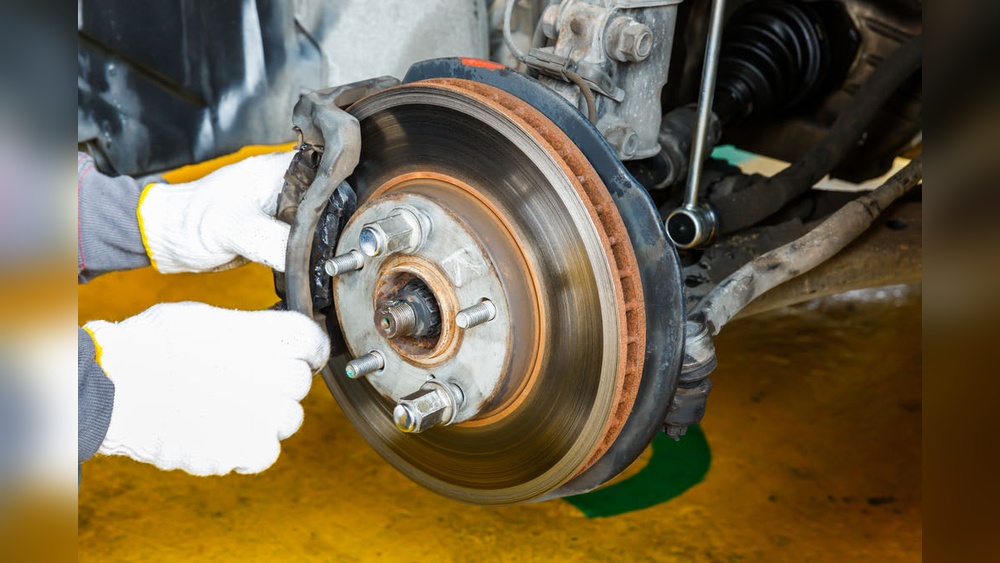
Are your brakes making strange noises or not stopping as well as they used to? If so, you might be wondering, “How much will it cost to install new brakes and rotors?”
Knowing the right price can save you from unexpected bills and help you make smart choices for your car. You’ll discover the real costs involved, what affects the price, and how to avoid common pitfalls. Keep reading to get the clear answers you need before you schedule your brake repair.
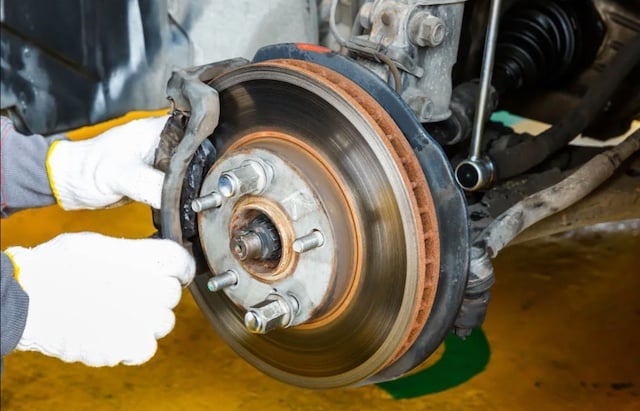
Credit: www.buybrakes.com
Brake And Rotor Replacement Basics
Brakes and rotors are key parts of your car’s stopping system. They work together to slow down and stop your vehicle safely. Over time, these parts wear out and need replacement. Knowing the basics helps you keep your car safe and avoid costly repairs.
Brake pads press against the rotors to create friction. This friction stops the wheels from turning. Both parts wear down as you drive. Replacing them on time keeps your brakes working well and your drives safe.
When To Replace Brakes And Rotors
Brake pads usually need replacement every 30,000 to 70,000 miles. Rotors last longer but may need replacement after 50,000 miles. These times change based on driving habits and conditions. Hard braking or driving in traffic wears parts faster. Regular check-ups help find the right time to replace them.
Signs Of Worn Brakes And Rotors
Squeaking or grinding noises mean brake pads may be worn. Vibrations in the brake pedal often show rotor issues. A longer stopping distance is another warning sign. Look for uneven rotor surfaces or deep grooves. These signs mean it is time to replace brakes and rotors to stay safe.
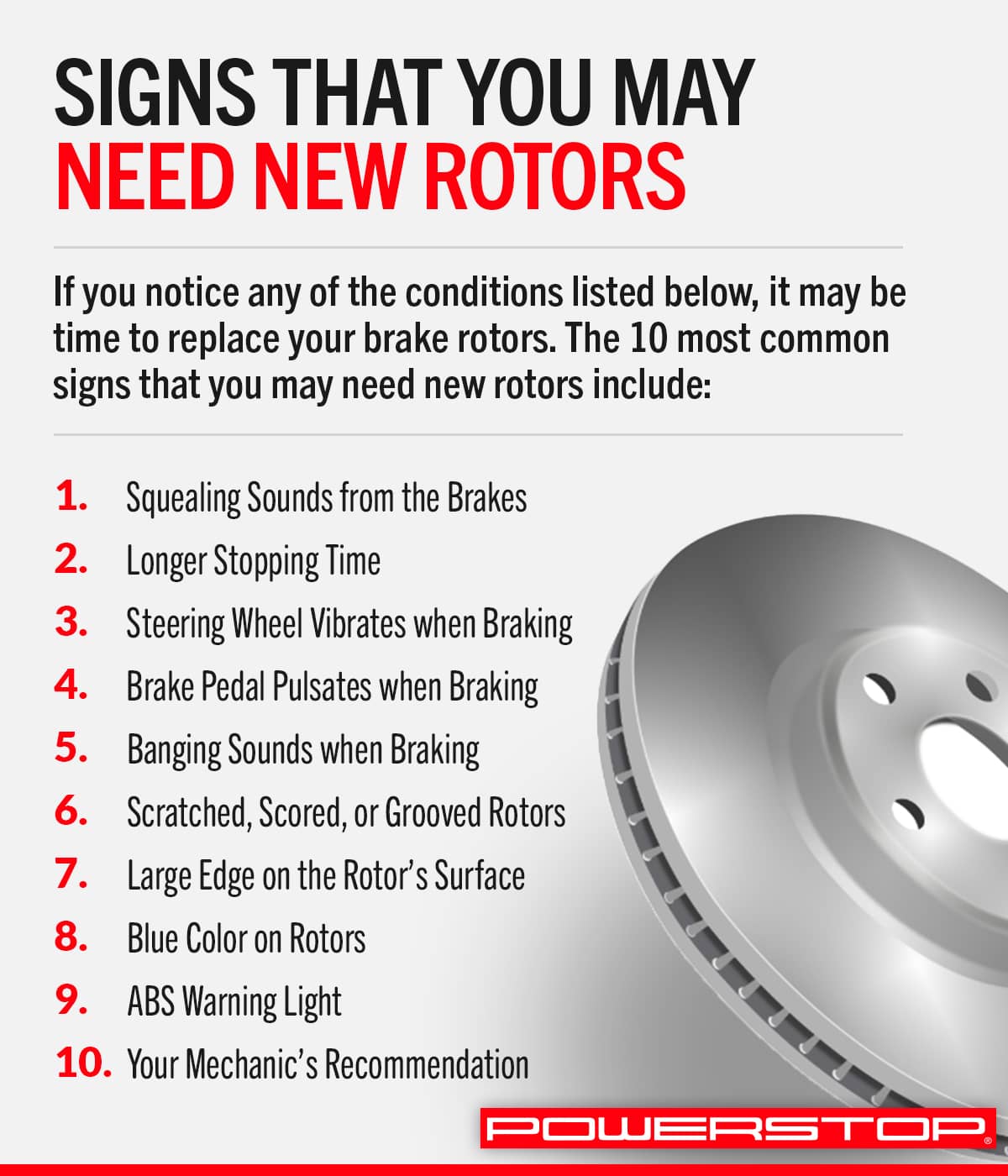
Credit: www.powerstop.com
Factors Influencing Replacement Costs
Brake and rotor replacement costs vary widely. Several factors affect the final price. Understanding these elements helps prepare your budget. Each factor changes the cost in different ways.
Type Of Vehicle
The make and model of your vehicle impact brake costs. Luxury and sports cars usually have pricier parts. Smaller, common cars tend to have cheaper replacements. Some vehicles need special brakes or rotors. These parts cost more due to their design or materials.
Quality Of Parts
Brake parts come in various qualities. Standard parts offer basic performance at a lower price. Premium parts last longer and perform better but cost more. Some prefer OEM (original equipment manufacturer) parts. These parts match the vehicle’s original brakes exactly. Cheaper aftermarket parts might save money but wear out faster.
Labor Charges
Labor costs depend on the shop and complexity of the job. Brake and rotor replacement can take one to two hours. Some vehicles require extra time due to design or damage. Experienced mechanics may charge higher rates. Shops with modern tools may work faster but still charge standard rates.
Location And Service Center
Costs differ by region and the type of service center. Urban areas usually have higher prices than rural ones. Dealerships often charge more than independent repair shops. Chain stores offer competitive prices but may use standard parts. Local shops might provide personalized service at varied costs.
Cost Breakdown: Brakes
Understanding the cost of brakes helps you plan your car maintenance budget. Costs vary based on parts and labor. Knowing each part of the cost makes the process clearer.
This section breaks down the main expenses involved in brake replacement.
Brake Pads Price Range
Brake pads are the most common part to replace. Prices depend on the material and brand. Basic pads cost between $30 and $70 per set. Premium pads can range from $80 to $150. Some high-performance pads cost even more. Your car model also affects the price.
Labor Costs For Brake Installation
Labor costs depend on the shop and location. Most shops charge between $80 and $150 per hour. Brake pad installation usually takes 1 to 2 hours. Expect labor costs from $80 to $300. Complex jobs or luxury cars may cost more. Always ask for a detailed labor estimate.
Additional Brake System Repairs
Sometimes, other brake parts need repair or replacement. Rotors often wear out along with pads. Rotor replacement can add $40 to $100 per rotor. Brake fluid flush or caliper repair may be necessary. These repairs add to the total cost. Getting a full brake inspection helps avoid surprises.
Cost Breakdown: Rotors
Understanding the cost of rotors helps plan your brake repair budget. Rotors are a key part of your braking system. Their price depends on type, quality, and labor needed. This section breaks down the costs for rotors clearly.
Rotor Types And Prices
Rotors come in several types: standard, drilled, and slotted. Standard rotors are the most common and cost less. Drilled rotors have holes for better cooling but cost more. Slotted rotors have grooves to remove debris and offer better performance. Prices range from $30 to $150 each. Luxury or performance cars usually need pricier rotors.
Labor Costs For Rotor Replacement
Replacing rotors requires mechanic work, usually 1 to 2 hours. Labor costs vary by location and shop. Expect to pay between $80 and $150 per hour. Total labor cost for rotor replacement ranges from $80 to $300. Labor prices add significantly to the total cost.
Resurfacing Vs. Replacing Rotors
Resurfacing means smoothing the rotor surface to remove wear. It costs less than replacing but works only if rotors are thick enough. Resurfacing usually costs $15 to $30 per rotor. Replacing is better for badly worn or damaged rotors. New rotors last longer and improve braking safety.
Diy Vs. Professional Installation
Deciding between DIY and professional installation for brakes and rotors affects cost, safety, and time. Installing brakes yourself can save money but requires skill and tools. Professional service costs more but offers expertise and peace of mind. Understanding the pros and cons helps make the right choice for your car and budget.
Pros And Cons Of Diy
Doing brake and rotor installation yourself saves labor costs. Parts prices stay the same, but you avoid shop fees. You learn about your car and gain new skills. It also offers flexibility to work on your schedule.
DIY risks include incorrect installation, which affects safety. You need specific tools and a clean workspace. Mistakes can cause brake failure or damage. Time spent can be longer than expected. Without experience, the process may feel stressful.
When To Choose Professional Service
Choose professional installation for safety and reliability. Mechanics have tools and expertise to ensure proper fit. They inspect brakes and rotors for hidden issues. A warranty often covers parts and labor. Professionals complete the job faster and with less hassle.
Professional service suits those without time or confidence. It reduces risks and provides peace of mind. For complex vehicles or heavy wear, experts handle the job best. The cost is higher but can prevent costly mistakes later.

Credit: www.youtube.com
Ways To Save On Brake And Rotor Installation
Brake and rotor installation can be costly. Saving money is possible with smart choices. Use these tips to keep costs low without losing quality.
Using Aftermarket Parts
Aftermarket parts cost less than brand-name parts. They fit well and work fine for most cars. Choose trusted brands to avoid problems. This option lowers your total repair bill.
Seasonal Discounts And Coupons
Auto shops offer discounts during certain seasons. Check online for coupons before booking your service. Holidays and slow months often bring better deals. Use these offers to reduce your expenses.
Regular Maintenance Tips
Keep brakes clean and check them often. Replace brake pads early to avoid rotor damage. Good habits extend the life of your parts. Regular care saves money on big repairs later.
Common Myths About Brake And Rotor Costs
Many people have wrong ideas about the cost of installing brakes and rotors. These myths can make you worry too much or spend too much money. Knowing the truth helps you make smart choices for your car’s safety and your budget.
Are Cheap Parts Always Bad?
Cheap brake parts are not always bad. Some affordable parts come from good brands and work well. They may last a bit shorter but can save money. Always check reviews and ask a mechanic before buying.
Does More Expensive Always Mean Better?
Expensive parts do not always mean better quality. Some costly parts offer extra features but may not suit all cars. You pay for brand name or fancy packaging sometimes. Focus on parts that match your car’s needs.
Frequency Of Replacement
Brake and rotor replacement depends on driving habits and conditions. Some drivers need new parts every 30,000 miles. Others can wait longer. Regular checks help catch wear early and avoid big repair bills.
Frequently Asked Questions
How Much Does Brake And Rotor Installation Cost?
Brake and rotor installation typically costs between $250 and $500. Prices vary based on vehicle type, labor rates, and parts quality. Luxury or performance cars may cost more. Always get a detailed estimate before service.
Can I Replace Brakes And Rotors Myself?
Yes, if you have mechanical skills and proper tools, you can replace brakes and rotors. However, professional installation ensures safety and accuracy. DIY may save money but risks errors affecting vehicle performance.
How Often Should Brakes And Rotors Be Replaced?
Brakes and rotors usually need replacement every 30,000 to 70,000 miles. Driving habits, road conditions, and vehicle type affect this. Regular inspections help detect wear early and maintain safe braking.
Are Aftermarket Brake Parts Cheaper Than Oem?
Aftermarket brake parts are generally cheaper than OEM but vary in quality. Some offer good performance at lower prices. Choose reputable brands to ensure safety and durability. Balance cost savings with reliability.
Conclusion
Installing brakes and rotors costs vary by car and parts quality. Labor fees also affect the total price. Choosing the right components helps keep your vehicle safe. Regular brake checks prevent costly repairs later. Spending a bit more now can save money and trouble down the road.
Always compare prices and services before deciding. Good brakes ensure smooth, safe driving every time. Keep your car in top shape for peace of mind.