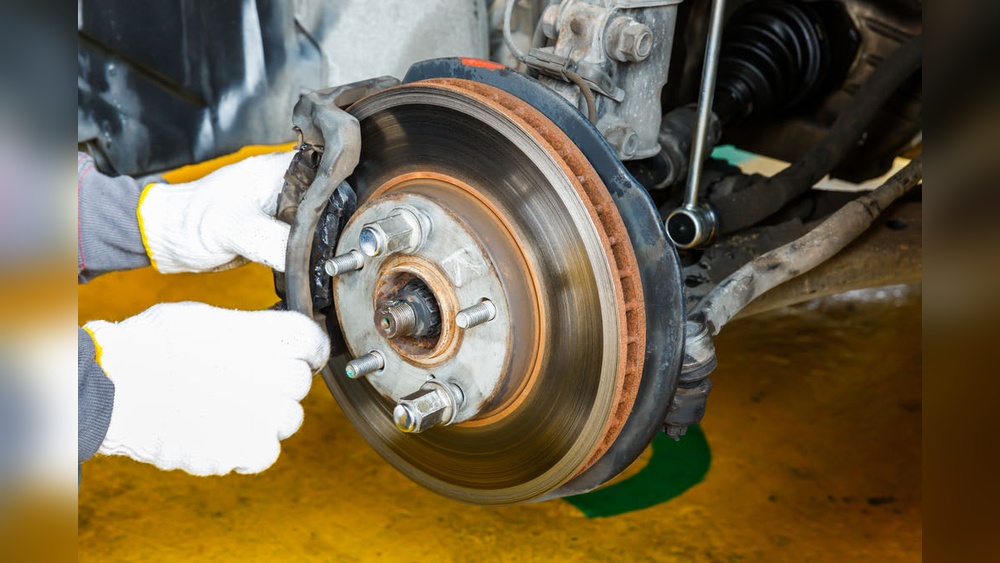
When was the last time you checked your brake pads and rotors? If you’re unsure, you’re not alone.
Knowing how often to change these crucial parts can save you from costly repairs and keep your car safe on the road. You’ll discover simple signs to watch for and clear timelines to follow. Keep reading to protect your vehicle and avoid unexpected brake problems before they happen.

Credit: vatire.com
Brake Pads Lifespan
Brake pads are a key part of your car’s braking system. They press against the rotors to stop your vehicle. Knowing how long brake pads last helps you stay safe and avoid costly repairs. Usually, brake pads last between 30,000 and 70,000 miles. This depends on many factors like driving habits and road conditions.
Factors Affecting Wear
Brake pad wear changes with driving style. Hard braking wears pads faster. City driving with frequent stops also causes quicker wear. Long downhill drives increase heat and wear. Quality of brake pads matters too. Cheaper pads wear out sooner. Weather impacts wear as well. Wet and salty roads can cause corrosion. Regular maintenance helps extend pad life.
Signs Of Worn Brake Pads
Squeaking or squealing sounds mean pads may be thin. A grinding noise means pads are worn down completely. Longer stopping distances show pads need checking. A vibrating brake pedal can signal worn pads or rotors. If the brake warning light comes on, have brakes inspected. Early detection avoids damage to rotors and other parts.
Credit: www.powerstop.com
Rotor Replacement Timing
Rotor replacement timing is key for safe driving and good brake performance. Rotors wear out over time due to heat and friction. Replacing them at the right time avoids brake problems and costly repairs.
Rotors last longer than brake pads but still need checks. Bad rotors can cause noise, vibration, and poor stopping. Regular inspection helps spot damage early and keeps your car safe.
Indicators Of Rotor Damage
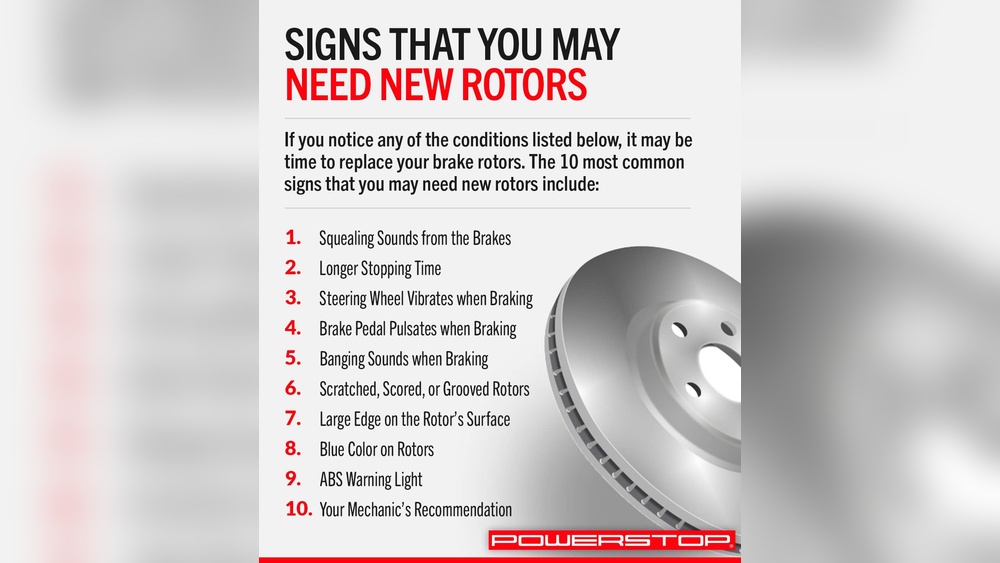
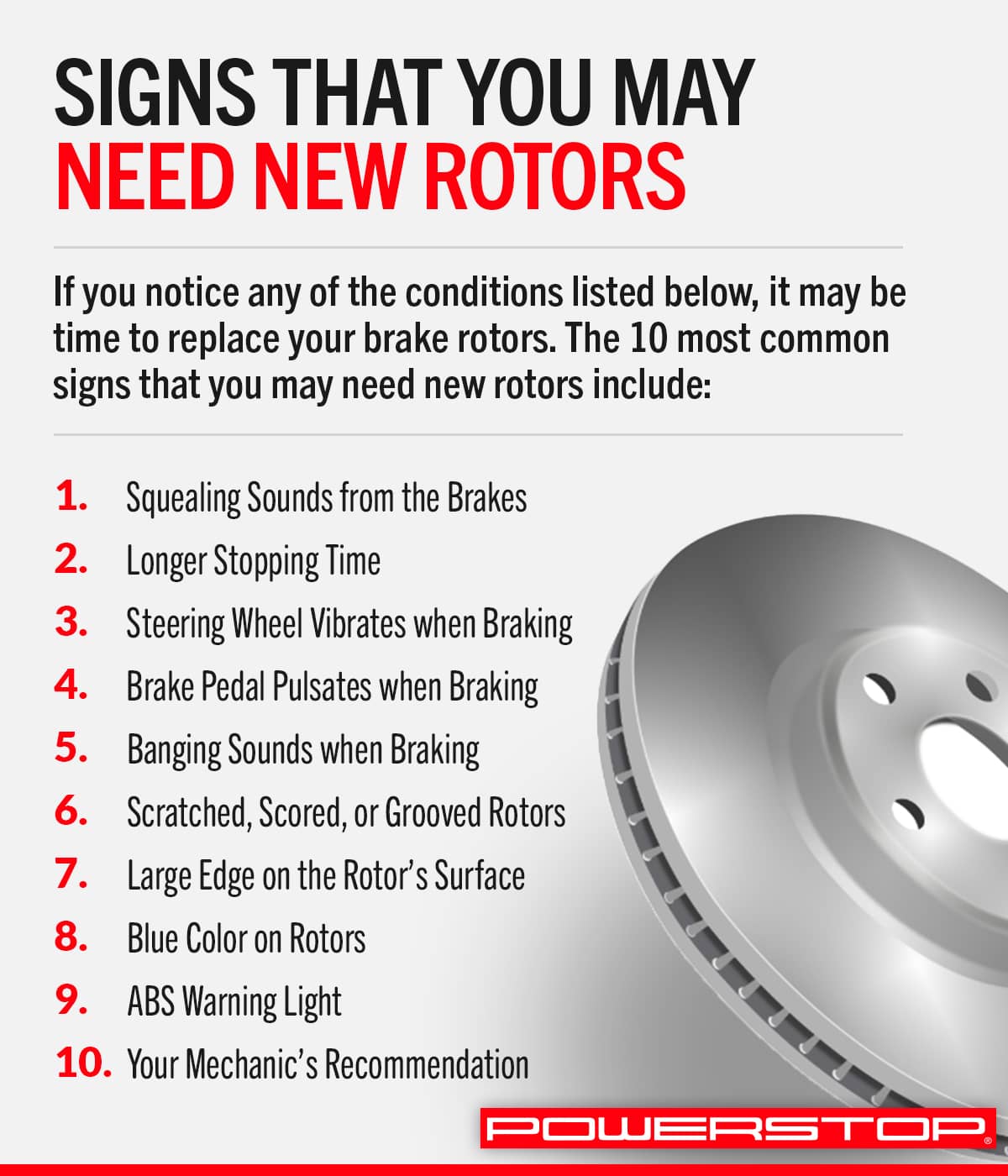
Look for signs like loud squealing or grinding noise when braking. Vibrations or shaking in the brake pedal or steering wheel also show rotor issues. Visual checks can reveal grooves, cracks, or rust on rotor surfaces. Any of these signs mean the rotors might need replacement soon.
Rotor Thickness And Wear Limits
Rotors have a minimum thickness limit set by the manufacturer. Thinner rotors overheat and warp easily, reducing brake efficiency. Mechanics measure rotor thickness with a tool during service. If thickness is below the limit, replace the rotors to keep braking safe and smooth.
Maintenance Intervals
Brake pads and rotors wear out over time. Knowing when to change them keeps your car safe. Maintenance intervals help plan replacements before problems start. These intervals vary by car model and driving style. Regular checks avoid costly repairs and improve brake performance.
Recommended Replacement Schedules
Most brake pads last between 30,000 and 70,000 miles. Rotors usually need changing every 50,000 to 70,000 miles. Some vehicles list exact replacement times in the owner’s manual. Follow these guidelines to keep brakes working well. Ignoring these schedules can cause brake failure.
Impact Of Driving Habits
Driving in heavy traffic wears brakes faster. Frequent stopping and starting increases pad and rotor wear. Mountain driving or towing heavy loads also shortens their life. Gentle braking and steady speeds extend brake part life. Adjust your maintenance intervals based on how you drive.
Inspection Tips
Knowing when to change brake pads and rotors keeps your vehicle safe. Regular inspection helps spot wear early. It avoids costly repairs and keeps brakes working well. You can check some signs at home. Other times, a mechanic’s help is best.
Diy Brake Check
Start by looking through the wheel spokes. Check the brake pads’ thickness. Pads thinner than 3 millimeters need replacing. Listen for squealing or grinding noises when braking. These sounds mean pads are worn out. Press the brake pedal. It should feel firm, not soft or spongy. Check for any brake fluid leaks near wheels or under the car. Clean dust and dirt off brake parts to see damage clearly.
When To Visit A Mechanic
Visit a mechanic if brakes make loud noises or vibrations. A soft brake pedal also needs professional check. If the car pulls to one side when braking, get help fast. Strange smells during braking mean overheating parts. Warped rotors cause shaking, so they need expert care. Mechanics can measure pad and rotor thickness accurately. They spot hidden issues that DIY checks might miss.
Cost Considerations
Understanding the cost of brake maintenance helps you plan better. Brake pads and rotors wear out at different rates. Knowing their replacement costs can save money and stress. Regular check-ups prevent bigger expenses later.
Brake Pads Vs. Rotor Replacement Costs
Brake pads cost less than rotors. Pads usually range from $30 to $70 per set. Rotors can cost $40 to $100 each. Labor fees add to the total price. Pads wear out faster and need changing more often. Rotors last longer but cost more to replace.
Budgeting For Maintenance
Set aside money regularly for brake care. Plan for pad replacement every 30,000 to 70,000 miles. Rotor replacement may happen every 50,000 to 70,000 miles. Keep extra funds for unexpected repairs. Good budgeting keeps your brakes safe and your wallet happy.
.jpg)
Credit: www.cbac.com
Improving Brake Longevity
Brake pads and rotors wear down over time. Extending their life saves money and keeps your car safe. Small changes in driving and care help a lot. Learn easy ways to improve brake longevity.
Driving Techniques
Drive smoothly and avoid sudden stops. Gentle braking reduces wear on pads and rotors. Keep a safe distance from cars ahead. This helps avoid hard braking. Use engine braking on hills to lessen brake use. Avoid riding the brakes on long descents. These habits protect brake parts and make them last longer.
Regular Maintenance Practices
Check brake pads and rotors often. Early inspection finds wear before damage grows. Clean brake parts to remove dust and dirt. Replace brake fluid as recommended to keep performance steady. Tighten any loose parts to avoid extra friction. Regular maintenance helps brakes work better and last longer.
Frequently Asked Questions
How Often Should Brake Pads Be Replaced?
Brake pads typically need replacement every 30,000 to 70,000 miles. This depends on driving habits and vehicle type. Regular inspections help detect wear early and maintain safety on the road.
When Do Brake Rotors Require Changing?
Brake rotors usually need replacement every 50,000 to 70,000 miles. Signs include vibrations, grooves, or reduced braking power. Regular checks ensure rotors remain smooth and effective.
Can Brake Pads And Rotors Be Changed Together?
Yes, replacing brake pads and rotors together is common. It ensures optimal braking performance and prolongs component life. This practice saves time and prevents uneven wear.
What Factors Affect Brake Pad And Rotor Lifespan?
Driving style, road conditions, and vehicle load impact their lifespan. Frequent hard braking or mountain driving causes faster wear. Regular maintenance is key to extending their durability.
Conclusion
Brake pads and rotors wear down with use and need regular checks. Changing them on time keeps your car safe and running well. Most brake pads last about 30,000 to 70,000 miles. Rotors usually last longer but may need replacing if they are damaged.
Watch for signs like noise or poor braking. Regular maintenance saves money and prevents accidents. Stay alert to your car’s needs for smooth, safe driving. Keep your brakes healthy and enjoy worry-free rides every day.