
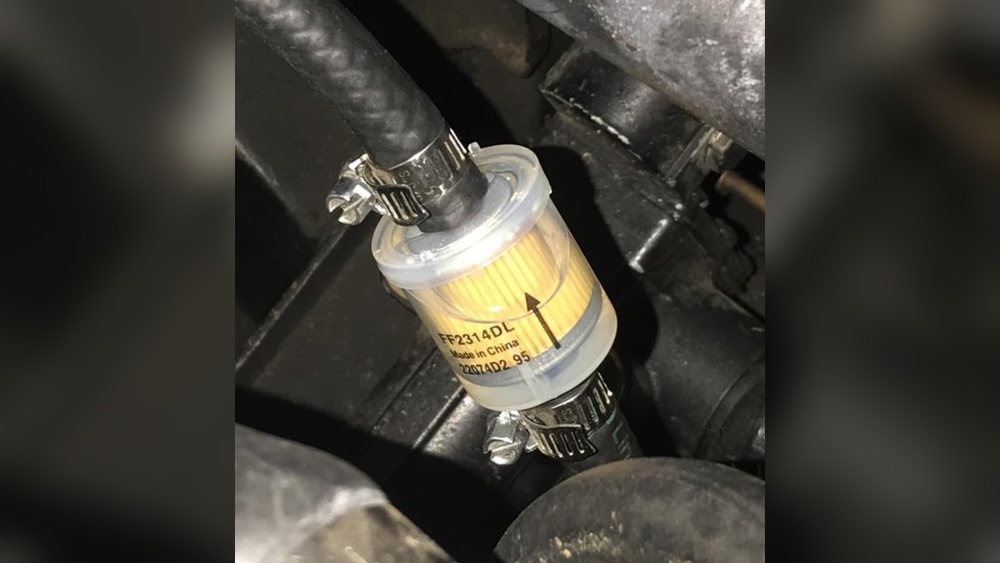
Have you ever wondered how long it takes to replace your fuel filter? If your car isn’t running smoothly or you’re planning routine maintenance, knowing the time involved can save you stress and help you plan better.
Replacing a fuel filter might sound complicated, but it’s often quicker than you think—and understanding the process can put you in control of your vehicle’s health. Keep reading to find out exactly how much time you’ll need, what factors affect it, and tips to make the job easier for you.
Credit: germanformula.com
Signs You Need A Fuel Filter Replacement
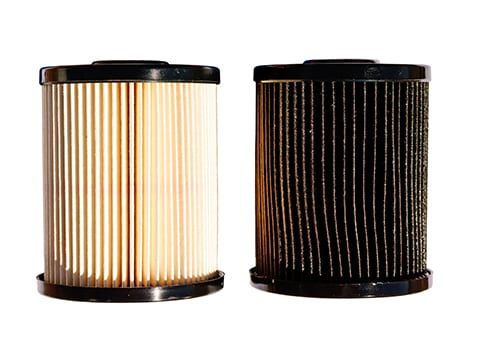
Knowing the signs of a clogged fuel filter can save your car from bigger problems. The fuel filter keeps dirt and rust from reaching the engine. Over time, it gets dirty and blocks fuel flow. This causes your car to run poorly. Watch for these signs to know when to replace it.
Engine Performance Issues
The engine may run rough or hesitate. You might feel a loss of power during acceleration. Stalling or sputtering can happen, especially under heavy load. These issues show the fuel filter is limiting fuel supply to the engine.
Fuel Efficiency Drops
Your car uses more fuel than before. The engine works harder to get enough fuel. This wastes gas and lowers miles per gallon. A clogged fuel filter can cause this drop in fuel efficiency.
Starting Problems
The engine takes longer to start or does not start at all. This happens because the fuel flow is weak or uneven. A dirty fuel filter can stop enough fuel from reaching the engine during startup.
Credit: www.waynesautocenter.com
Factors Affecting Replacement Time
The time it takes to replace a fuel filter varies widely. Several key factors affect how long the job will take. Knowing these helps set realistic expectations for the repair.
Understanding these factors can also help you decide if you want to attempt the replacement yourself or seek professional help. Each vehicle and situation is unique.
Vehicle Make And Model
Different vehicles have different fuel filter designs. Some cars have easily accessible filters. Others place them in hard-to-reach spots. Older models may use simpler filters. Newer models sometimes use complex systems. The make and model greatly influence the replacement time.
Fuel Filter Location
Fuel filters can be inside the engine bay or under the vehicle. Some are near the fuel tank or along the fuel line. Filters in accessible spots take less time to replace. Those buried deep require more work to reach. The location affects the effort and time needed.
Tools And Experience
Having the right tools speeds up the process. Professional mechanics use specialized equipment. A novice might struggle without proper tools. Experience also plays a big role. Skilled workers complete the task faster. Lack of experience can double the time needed.
Step-by-step Replacement Process
Replacing a fuel filter is a task that many car owners can handle with basic tools. The process is straightforward but requires care. Follow these clear steps to ensure the replacement goes smoothly. Each step helps avoid damage and keeps your vehicle running well.
Gathering Necessary Tools
Start by collecting all tools you need. Common tools include a wrench, screwdriver, and new fuel filter. Have safety gloves and eye protection ready. A container to catch any fuel spills is helpful. Prepare everything before starting the work.
Relieving Fuel System Pressure
Fuel systems hold pressure that can cause fuel to spray. To prevent this, release the pressure first. Locate the fuel pump fuse and remove it. Start the engine and let it run until it stops. This clears the pressure safely before removal.
Removing The Old Fuel Filter
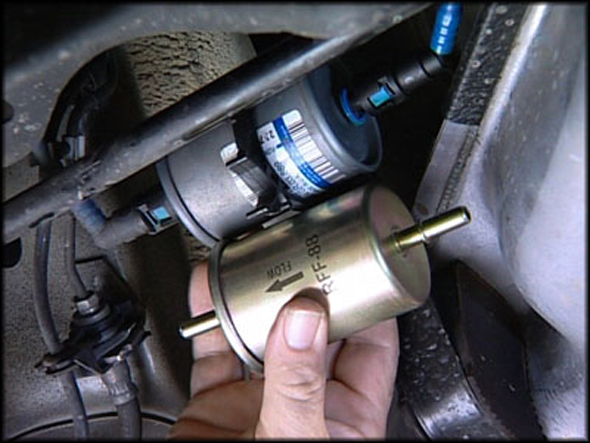
Find the old fuel filter, usually near the fuel tank or engine. Use a wrench to loosen the fuel lines. Be careful as fuel may leak. Remove the filter from its bracket. Dispose of the old filter properly.
Installing The New Fuel Filter
Place the new fuel filter in the bracket. Ensure the filter arrow points in the fuel flow direction. Attach the fuel lines tightly to avoid leaks. Double-check all connections are secure before moving on.
Checking For Leaks And Testing
Put the fuel pump fuse back in place. Turn on the ignition without starting the engine. Look for any fuel leaks around the filter. If no leaks appear, start the engine. Listen and watch for normal engine running.
Average Time Estimates
Replacing a fuel filter is an important car maintenance task. Knowing the average time it takes helps you plan better. The time varies based on how you choose to do it. Both DIY and professional options have different time frames.
Diy Replacement Time
Doing it yourself usually takes between 30 and 60 minutes. The exact time depends on your tools and skills. You need to locate the fuel filter first. Then, carefully remove the old filter and install the new one. Some cars have easy access, while others take more effort. Taking your time is key to avoid mistakes. Always work in a well-ventilated area for safety.
Professional Service Time
Professionals often complete the job in 20 to 40 minutes. They have the right tools and experience. Quick and efficient work reduces your wait time. A professional also checks for any other issues. This can save you trouble later. Scheduling an appointment may add extra time overall.
Tips For A Smooth Replacement
Replacing a fuel filter is a task that requires care and attention. Following some simple tips can make the process easier and safer. These tips help prevent mistakes and save time during replacement. Understanding key points ensures a smooth experience.
Safety Precautions
Always work in a well-ventilated area. Fuel fumes can be harmful and flammable. Wear gloves and safety glasses to protect your hands and eyes. Keep a fire extinguisher nearby in case of emergencies. Disconnect the car battery before starting to avoid sparks. Avoid smoking or open flames near the work area. Clean any spilled fuel immediately to prevent accidents.
Choosing The Right Fuel Filter
Select a fuel filter that matches your vehicle’s make and model. Check your owner’s manual for the correct part number. Using the wrong filter can damage the engine or cause leaks. Buy filters from trusted brands to ensure quality. Compare prices but do not compromise on reliability. Keep the old filter as a reference when shopping for a new one.
When To Seek Professional Help
Some fuel filter replacements are complex and need special tools. If you feel unsure or lack experience, ask a mechanic. Persistent fuel leaks or engine problems require expert attention. Professionals can also check related parts for damage. Avoid forcing parts, which may cause costly repairs. Getting help saves time and keeps your vehicle safe.

Credit: www.mercedesbenzportland.com
Frequently Asked Questions
How Long Does Fuel Filter Replacement Usually Take?
Replacing a fuel filter typically takes 30 to 60 minutes. The exact time depends on your vehicle’s make and model. Experienced mechanics can often complete the job faster. This process includes locating, removing, and installing the new filter safely.
Can I Replace A Fuel Filter Myself?
Yes, you can replace a fuel filter yourself if you have basic tools and knowledge. However, ensure safety precautions like depressurizing the fuel system. Refer to your vehicle’s manual for specific instructions to avoid damage and injury.
How Often Should A Fuel Filter Be Replaced?
Fuel filters should be replaced every 20,000 to 40,000 miles. Check your vehicle’s manufacturer recommendations for precise intervals. Regular replacement helps maintain engine performance and fuel efficiency by preventing contaminants from clogging the fuel system.
What Factors Affect Fuel Filter Replacement Time?
Factors include vehicle model, filter accessibility, and mechanic experience. Some cars have filters in hard-to-reach spots, increasing replacement time. Professional tools and expertise also speed up the process, ensuring a safe and efficient replacement.
Conclusion
Replacing a fuel filter usually takes about 30 minutes or less. It depends on your car model and your skill level. Doing it regularly keeps your engine clean and running well. Waiting too long can cause engine problems and costly repairs.
A simple tool kit and basic steps help you finish the job fast. Stay on top of maintenance to avoid fuel system issues. Keep your car healthy and save money in the long run. Quick and easy—worth the effort every time.


