

Wondering how much it costs to get your fuel filter replaced? You’re not alone.
Knowing the price beforehand can save you stress and help you plan your car maintenance budget better. You’ll discover the typical costs, what affects the price, and why replacing your fuel filter is important for your vehicle’s health. Keep reading to find out everything you need to know before you book that service.
Credit: www.autozone.com
Fuel Filter Replacement Basics
Understanding the basics of fuel filter replacement helps keep your car running smoothly. The fuel filter plays a key role in protecting your engine. Knowing its purpose, signs of failure, and replacement frequency saves time and money.
Here is what you need to know about fuel filter replacement.
Purpose Of A Fuel Filter
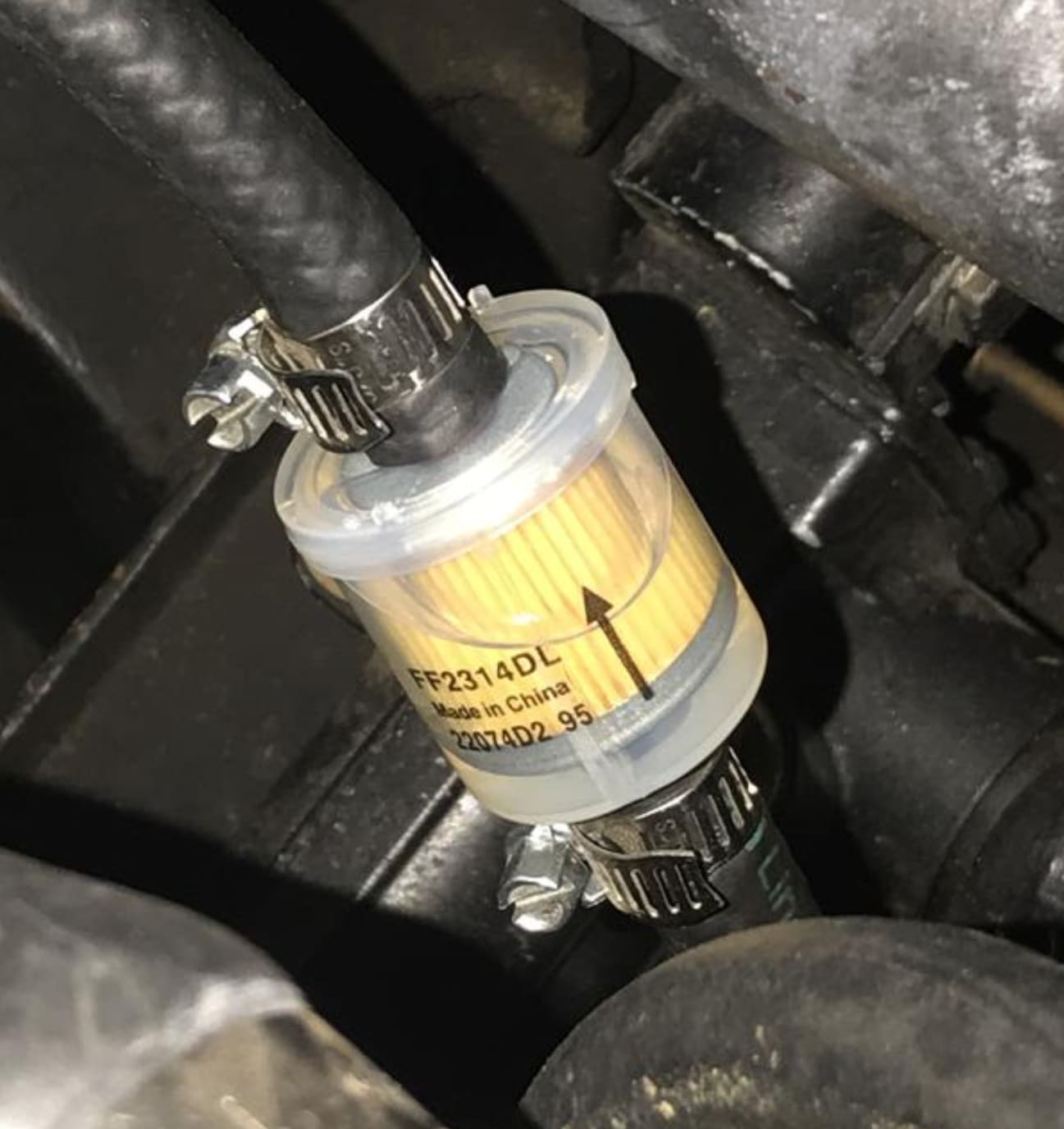
The fuel filter cleans dirt and debris from the fuel. It stops particles from reaching the engine. Clean fuel helps the engine work efficiently. Without a fuel filter, the engine parts wear out faster. This filter protects the fuel system and extends engine life.
Signs You Need A Replacement
Watch for warning signs of a bad fuel filter. The engine may stall or hesitate during acceleration. You might hear sputtering or notice poor fuel economy. Difficulty starting the car can also indicate a clogged filter. Strange noises or reduced power means it’s time to check the filter.
Frequency Of Replacement
Fuel filters do not last forever. Most manufacturers suggest changing the filter every 20,000 to 40,000 miles. Check your owner’s manual for exact recommendations. Regular replacement keeps the fuel system clean. It prevents costly repairs and maintains engine performance.
Factors Influencing Replacement Cost
Several factors affect the cost to replace a fuel filter. Knowing these helps prepare your budget. Prices vary based on different elements tied to the vehicle and service.
Type Of Vehicle
Different vehicles use different fuel filters. Some cars need special filters that cost more. Larger or luxury vehicles often have pricier parts. Older cars might have harder-to-find filters, raising costs.
Fuel Filter Quality
Fuel filters come in various qualities. High-quality filters last longer and protect the engine better. These filters usually cost more upfront. Cheaper filters save money but might need replacing sooner.
Labor Charges
Replacing a fuel filter needs time and skill. Labor costs depend on how difficult the job is. Some vehicles have easy-to-access filters, lowering labor charges. Complex replacements take more time and increase the price.
Location Variations
Costs vary by location and service center. Urban areas often have higher labor rates than rural ones. Dealerships usually charge more than independent shops. Local market conditions influence the final price.
Typical Cost Ranges
Replacing a fuel filter is a common maintenance task for vehicles. The cost varies depending on the type of vehicle. Knowing typical price ranges helps plan your budget. Here’s a breakdown of what you can expect.
Average Cost For Sedans
Fuel filter replacement for sedans usually costs between $50 and $120. The parts are affordable and the labor is simple. Most mechanics finish the job within an hour. This keeps the overall cost low for sedan owners.
Cost For Suvs And Trucks
SUVs and trucks often have larger fuel filters. The replacement price ranges from $80 to $150. The labor may take longer due to the size of the vehicle. This raises the total cost slightly compared to sedans.
Costs For Luxury Vehicles
Luxury cars have specialized fuel filters and parts. Replacement can cost between $150 and $300. Labor costs are higher because of complex engine designs. This makes fuel filter replacement pricier for luxury vehicles.
Diy Vs Professional Replacement
Replacing a fuel filter can save money and improve your car’s performance. Deciding between doing it yourself or hiring a professional depends on your skills and tools. Both options have clear benefits and drawbacks. Understanding these helps you choose the best way to replace your fuel filter safely and efficiently.
Pros And Cons Of Diy
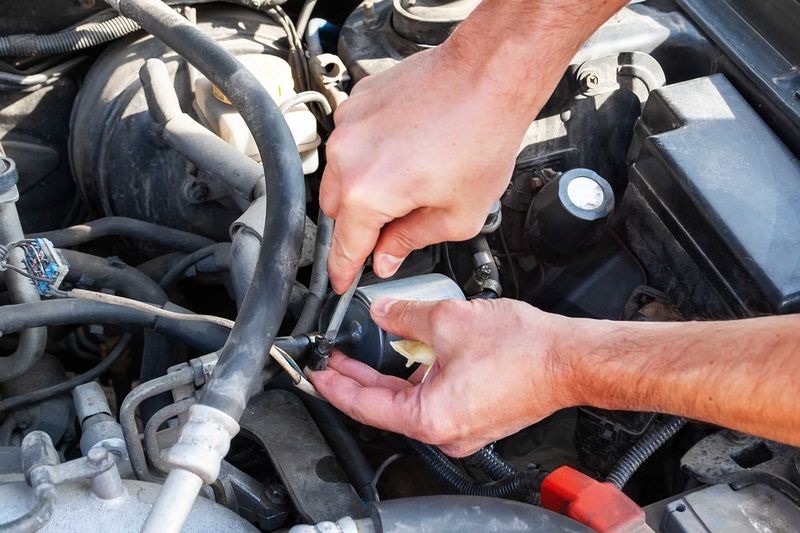
Doing the fuel filter replacement yourself can cut costs. You only pay for parts, not labor. It offers flexibility—you can work anytime. Learning new skills feels rewarding.
DIY also has risks. Mistakes can cause fuel leaks or damage. It takes time and patience. Without the right tools, the job becomes harder. Safety issues arise if you don’t follow steps carefully.
When To Seek Professional Help
Choose a mechanic if you lack experience with car repairs. Professionals have the right tools and training. They handle fuel safely and avoid hazards. Complex vehicle models may require expert knowledge. Time constraints or lack of tools also mean calling a pro is best.
Tools Required For Diy
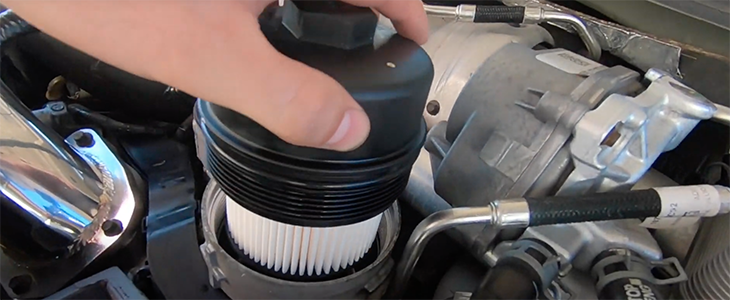
Basic tools include a wrench set and screwdrivers. A fuel line disconnect tool helps remove the filter. Safety gloves and goggles protect you. A container to catch fuel is necessary. Clean rags prevent spills and keep work tidy. Having these makes the job easier and safer.
Additional Maintenance Tips
Replacing a fuel filter is important, but there are other steps to keep your fuel system healthy. These tips help your vehicle run smoothly and avoid costly repairs. Proper care saves money and time in the long run.
Fuel System Care
Keep your fuel tank clean to prevent dirt from entering the system. Avoid running your car on very low fuel. Dirt collects at the bottom of the tank and can clog the filter. Use high-quality fuel to protect engine parts. Regularly check for leaks or damage in fuel lines.
Preventive Measures
Replace the fuel filter on schedule to avoid blockages. Follow the vehicle’s manual for timing. Use fuel additives occasionally to clean the fuel system. Check the air filter too, as it affects fuel efficiency. Clean or replace it when dirty.
When To Replace Other Components
Fuel pumps wear out over time and may fail. Listen for strange noises or engine problems. Fuel injectors can get clogged and reduce engine power. Clean or replace them if needed. Spark plugs affect fuel combustion and should be checked regularly. Replace them according to the maintenance plan.
Credit: ecogard.com
Saving On Replacement Costs
Replacing a fuel filter can cost quite a bit. Saving money on this service helps keep your car expenses low. There are smart ways to cut costs without risking quality. Small choices make a big difference in the final bill. Here are some tips to save on fuel filter replacement.
Choosing The Right Service Center
Service centers charge different prices for the same job. Local shops often have lower rates than big dealerships. Mechanics at small shops may offer more personalized service. Ask for quotes from several places before deciding. Check reviews to ensure good service at a fair price.
Using Aftermarket Parts
Aftermarket fuel filters cost less than original brand parts. These parts fit well and work just as fine. Many trusted brands sell quality aftermarket filters. Using these parts can cut the replacement cost by a good margin. Make sure the parts come with a warranty for safety.
Seasonal Discounts And Offers
Many service centers give discounts during certain months. End of the year or holiday periods often have special deals. Some shops offer coupons or bundle services for a lower price. Watch for promotions online or in local ads. Planning your replacement during these times saves money easily.
Credit: driving.ca
Frequently Asked Questions
How Much Does Fuel Filter Replacement Cost?
Fuel filter replacement typically costs between $50 and $150. Labor fees vary by location and vehicle type. Parts cost ranges from $10 to $50 depending on the filter quality. Always check with your mechanic for an accurate estimate.
How Often Should I Replace My Fuel Filter?
Most manufacturers recommend replacing the fuel filter every 20,000 to 40,000 miles. Regular replacement ensures optimal engine performance and prevents fuel contamination. Check your vehicle’s manual for exact intervals.
Can I Replace The Fuel Filter Myself?
Yes, if you have basic mechanical skills and tools, you can replace it. However, some vehicles have complex fuel systems requiring professional service. Always follow safety precautions to avoid fuel leaks or injury.
Does A Clogged Fuel Filter Affect Car Performance?
Yes, a clogged fuel filter restricts fuel flow, causing poor engine performance. Symptoms include engine misfires, stalling, and reduced fuel efficiency. Timely replacement prevents damage and keeps your car running smoothly.
Conclusion
Replacing a fuel filter usually costs between $50 and $150. Prices depend on your car model and where you get the service. A clean fuel filter helps your engine run better and last longer. Don’t wait too long to change it.
Regular checks can save you money on bigger repairs. Knowing the cost helps you plan your car maintenance budget. Keep your vehicle healthy and avoid unexpected breakdowns. Simple steps like this keep your car on the road.


