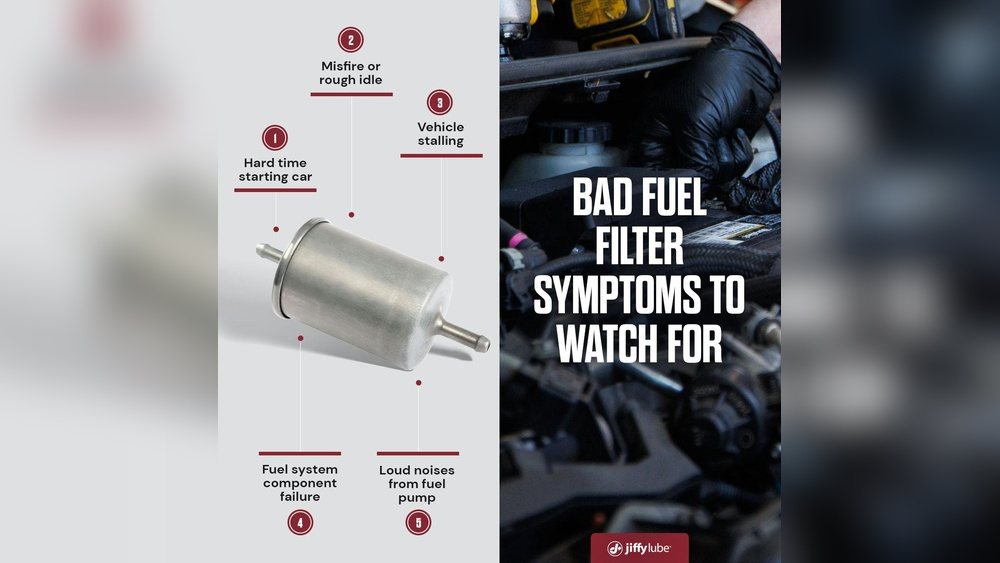
If you’ve ever noticed your engine struggling or your car stalling, a clogged fuel filter might be the culprit. Knowing how to disconnect a fuel filter is a handy skill that can save you time and money on repairs.
In this guide, you’ll discover simple, clear steps to safely remove your fuel filter without any guesswork. By the end, you’ll feel confident tackling this task yourself and keeping your vehicle running smoothly. Ready to learn how? Let’s dive in.
Credit: comunisostenibili.eu
Tools Needed
Disconnecting a fuel filter requires the right tools to do the job safely and effectively. Having these tools ready makes the process smoother. It helps avoid damage to the fuel system and keeps you safe.
Gather all necessary tools before starting. This way, you won’t stop in the middle of the job.
Basic Hand Tools
You will need several basic hand tools for this task. A wrench set is essential. It helps loosen the bolts or fittings holding the fuel filter. A screwdriver may be needed to remove clamps or covers.
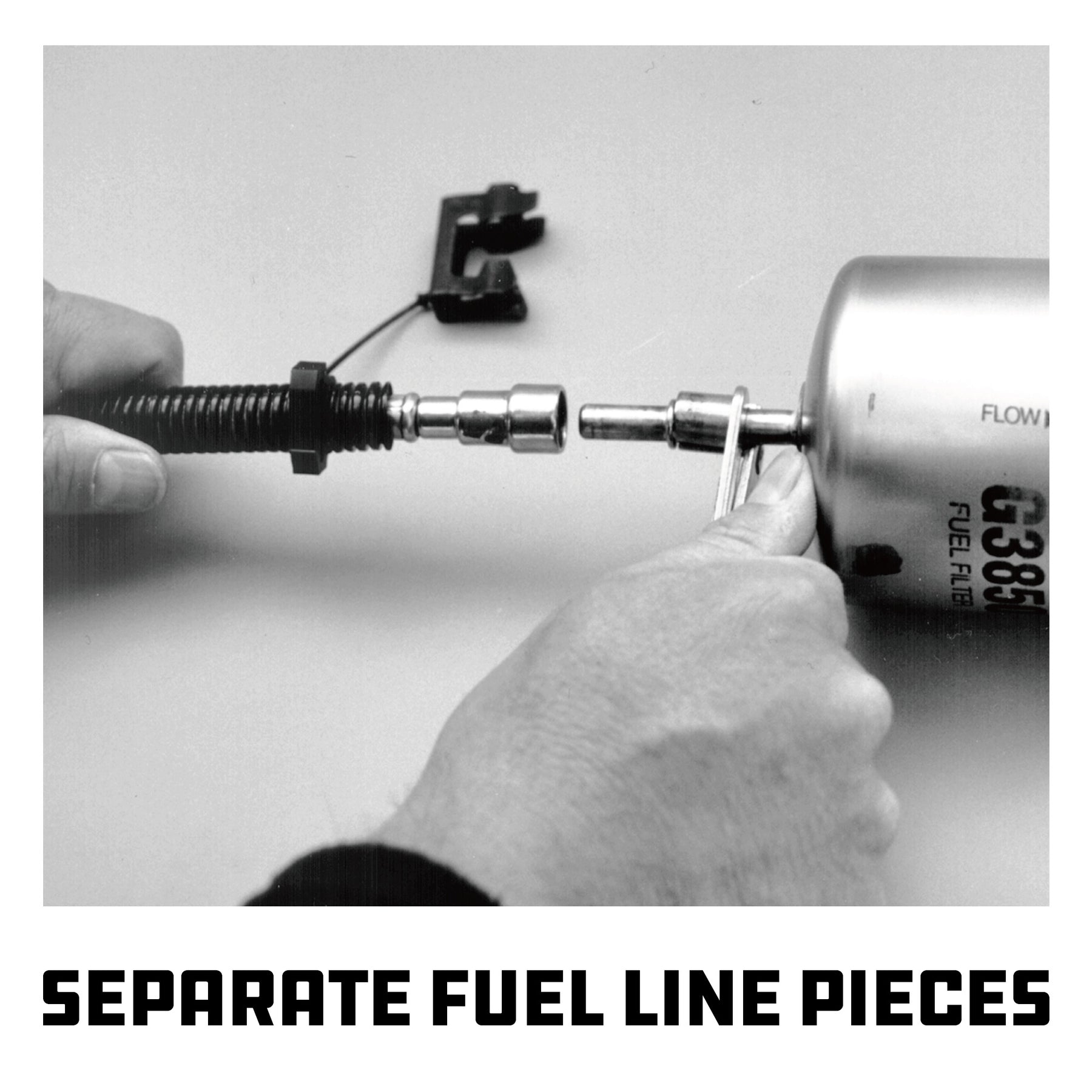
Fuel line disconnect tools are often required. These tools help separate the fuel lines from the filter without damage. Needle-nose pliers can assist in removing clips or clamps.
Safety Equipment
Safety is important when working with fuel. Wear safety glasses to protect your eyes from fuel splashes. Gloves protect your hands from fuel and sharp parts.
Work in a well-ventilated area to avoid inhaling fumes. Keep a fire extinguisher nearby in case of emergencies.
Locate The Fuel Filter
Finding the fuel filter is the first step in disconnecting it. The fuel filter cleans dirt and rust from the fuel before it reaches the engine. Knowing its location helps you work safely and quickly.
The filter can be in different places depending on the vehicle type. Some filters are easy to reach, while others need more effort to find. Taking time to locate it prevents damage and saves time.
Common Filter Positions
Fuel filters often sit along the fuel line. They may be under the car, near the fuel tank, or close to the engine. In older cars, the filter is often metal and easy to spot. Newer models might have plastic filters inside the fuel rail.
Look near the frame rail under the vehicle. Sometimes, filters are inside the engine bay, near the firewall. Trucks and SUVs may have filters mounted on the frame or under the body. Each position affects how you disconnect it.
Checking The Vehicle Manual
The vehicle manual is a reliable source for the fuel filter location. It shows exact places and diagrams. The manual also lists tools needed for removal. Following the manual reduces guesswork and ensures safe handling.
Search the manual’s maintenance section. Look for “fuel system” or “fuel filter” chapters. Manuals vary by make and model, so use the one for your vehicle. This step is crucial before starting work.
Prepare The Vehicle
Preparing your vehicle before disconnecting the fuel filter is important for safety and ease. This step helps avoid fuel spills and accidents. Follow simple actions to get ready.
Relieve Fuel System Pressure
Fuel systems hold pressure even when the engine is off. This pressure can cause fuel to spray when disconnecting the filter. To stop this, locate the fuel pump fuse or relay. Remove it to cut power to the fuel pump. Start the engine and let it run until it stops. This uses up the remaining fuel pressure. Turn off the ignition. Now the fuel system pressure is relieved.
Disconnect The Battery
Disconnecting the battery prevents sparks and electric shocks. Find the negative terminal of the battery. Use a wrench to loosen the nut. Remove the cable from the terminal. Secure the cable away from the battery. This step reduces the risk of fire or injury. Always disconnect the battery before working on the fuel system.

Credit: www.youtube.com
Remove The Fuel Filter
Removing the fuel filter is a key step in maintaining your vehicle’s fuel system. This process helps ensure clean fuel flows smoothly to the engine. Take your time and follow each step carefully. Proper removal avoids damage and keeps you safe.
Loosen Fuel Lines
Start by loosening the fuel lines connected to the filter. Use a wrench to turn the fittings gently. Avoid using too much force to prevent breaking the lines. Keep a rag nearby to catch any fuel drips. Loosening these lines frees the filter for removal.
Detach The Filter
Once the fuel lines are loose, pull the filter away from its mounting bracket. Some filters twist off, while others have clips or screws. Check your vehicle’s manual for the exact method. Detach the filter carefully to avoid bending or cracking it. Keep the old filter for proper disposal.
Handle Fuel Spillage
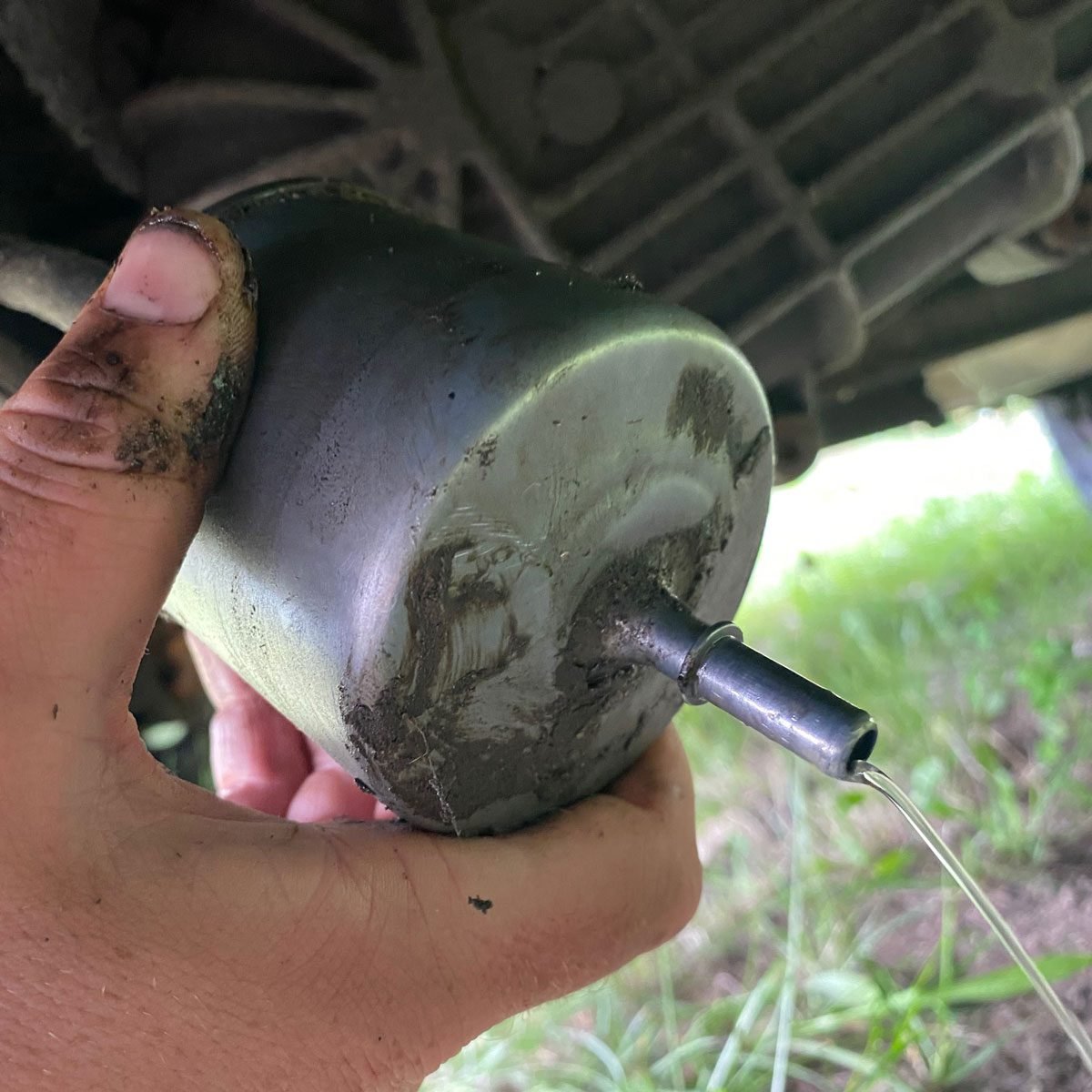
Fuel may spill during removal. Use a container or rag to catch the drops. Work in a well-ventilated area to avoid inhaling fumes. Clean any spilled fuel quickly to prevent stains or fire risks. Dispose of rags soaked with fuel safely and according to local rules.
Install The New Filter
Installing the new fuel filter is a key step after removing the old one. This ensures your fuel system stays clean and your engine runs smoothly. Pay close attention to how you place and secure the filter. Small mistakes can cause leaks or poor fuel flow. Follow each step carefully for best results.
Check Filter Orientation
Look at the new filter for an arrow or marking. This shows the direction of fuel flow. The arrow should point from the fuel tank toward the engine. Installing the filter backwards blocks fuel and can damage parts. Double-check the arrow before you connect any hoses.
Secure Connections
Attach the fuel lines firmly to the filter’s inlet and outlet. Use clamps or clips to hold the lines in place. Make sure the connections are tight but not over-tightened. Loose lines cause leaks and tight ones can crack fittings. Give each connection a gentle tug to confirm it is secure.
Credit: www.familyhandyman.com
Test The System
Testing the fuel system after disconnecting the fuel filter is a key step. It ensures the system works properly and safely. This step helps spot leaks or issues before driving. Follow the simple steps below to test your fuel system effectively.
Start The Engine
Turn the ignition key to start the engine. Let the engine run for a few minutes. This action helps the fuel flow through the new or reconnected filter. Watch the engine’s behavior for any unusual sounds or stalls. A smooth running engine means the fuel system works well.
Inspect For Leaks
Check around the fuel filter and connections carefully. Look for any fuel dripping or wet spots. Use a clean cloth to wipe areas and see if fuel appears again. No leaks mean the filter is properly connected. If you see leaks, turn off the engine and fix the connections immediately.
Safety Tips
Working with a fuel filter requires care and attention. Safety is very important. Fuel is flammable and can cause fires or injuries. Follow these safety tips to protect yourself and others while disconnecting a fuel filter.
Avoid Open Flames
Keep away from open flames or sparks. Do not smoke near the fuel filter. Gasoline vapors can catch fire easily. Work in a well-ventilated area to reduce vapor buildup. Turn off the engine before starting. Avoid using tools that can create sparks.
Proper Disposal Of Old Filter
Old fuel filters contain fuel residue and harmful chemicals. Do not throw them in regular trash. Use a sealed container to store the old filter. Take it to a recycling center or hazardous waste facility. Proper disposal protects the environment and your health.
Frequently Asked Questions
How Do You Safely Disconnect A Fuel Filter?
To safely disconnect a fuel filter, first relieve fuel system pressure. Wear protective gloves and eyewear. Use the correct tool to loosen fittings. Avoid sparks or open flames nearby. Disconnect fuel lines carefully to prevent spills and damage.
What Tools Are Needed To Disconnect A Fuel Filter?
You need a wrench or fuel line disconnect tool, gloves, and safety glasses. Some vehicles require a special quick-connect tool for fuel lines. Always check your vehicle’s manual for specific tool recommendations to ensure a smooth, safe disconnection process.
How Long Does It Take To Disconnect A Fuel Filter?
Disconnecting a fuel filter usually takes 10 to 20 minutes. Time depends on your vehicle type and tool availability. Proper preparation and safety measures can speed up the process. Avoid rushing to prevent fuel leaks or damage.
Can I Disconnect A Fuel Filter Without Draining Fuel?
Yes, you can disconnect a fuel filter without draining fuel by relieving system pressure first. This reduces fuel spillage and hazards. Always work in a well-ventilated area and keep absorbent materials ready for any leaks.
Conclusion
Disconnecting a fuel filter is a simple task with the right steps. Always make sure the engine is off and cool before starting. Use proper tools and follow safety measures carefully. Taking your time helps avoid damage or spills. Regular maintenance keeps your vehicle running smoothly.
Now, you can confidently handle this task on your own. Stay safe and work patiently.