
If you drive a semi truck, you know how important it is to keep every part running smoothly. One small part that can make a big difference is your fuel filter.
But how often should you change it? Ignoring this can lead to costly repairs and unexpected breakdowns. You’ll discover the signs your fuel filter needs a change and the best schedule to keep your truck running strong. Keep reading to protect your investment and avoid downtime on the road.
Credit: ecogard.com
Importance Of Fuel Filter
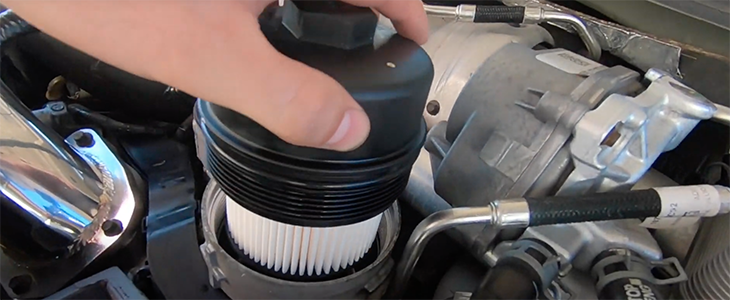
The fuel filter is a small but vital part of a semi truck. It cleans the fuel before it reaches the engine. Without a clean fuel filter, dirt and debris can enter the engine. This can cause damage and reduce the truck’s performance.
Changing the fuel filter regularly keeps the engine safe and running smoothly. It also helps save money on repairs and fuel costs. Understanding the importance of the fuel filter helps in knowing why regular changes matter.
Role In Engine Performance
The fuel filter stops dirt and rust from reaching the engine. Clean fuel helps the engine run better and last longer. A clogged filter can cause the engine to lose power. This makes the truck harder to drive and less reliable.
Impact On Fuel Efficiency
A dirty fuel filter can block fuel flow. This makes the engine work harder and use more fuel. Clean fuel filters help maintain good fuel economy. Changing the filter on time saves fuel and money.
Protecting Fuel System Components
The fuel filter protects parts like fuel injectors and pumps. Dirt can cause these parts to wear out fast. Replacing the filter keeps these parts safe and working well. This lowers repair costs and keeps the truck on the road longer.
Signs To Replace Fuel Filter
Knowing when to replace the fuel filter on your semi truck is key to keeping the engine running smooth. A clogged or dirty fuel filter stops fuel from flowing well. This can cause many problems with the truck’s performance. Watch for clear signs that the fuel filter needs a change. Acting fast saves you from bigger engine troubles and costly repairs.
Engine Misfires And Stalling
One common sign is engine misfires. The engine may run rough or skip while driving. Stalling can happen when the fuel filter blocks fuel flow. This causes the engine to lose power suddenly. These issues point to a dirty or clogged fuel filter. Fixing the filter often stops these problems quickly.
Reduced Power And Acceleration
You may notice the truck feels weaker than usual. It takes longer to speed up or climb hills. Reduced power and slow acceleration happen when fuel flow is limited. A fuel filter full of debris blocks fuel from reaching the engine. Changing the filter restores the engine’s power and response.
Unusual Noises From Engine
Strange noises from the engine can mean fuel filter issues. Sounds like knocking or sputtering come from poor fuel delivery. The engine struggles to get enough clean fuel. This causes it to run unevenly and make odd noises. Replacing the fuel filter can stop these sounds and smooth the engine’s run.
Recommended Replacement Intervals
Knowing the right time to change the fuel filter on a semi truck helps keep the engine healthy. Fuel filters block dirt and rust from entering the engine. Over time, filters get dirty and lose their power. Changing them on time stops engine problems and keeps the truck running well.
Manufacturer Guidelines
Truck makers give rules on when to swap the fuel filter. These rules fit the truck’s model and engine type. Check the owner’s manual for exact advice. Following these guidelines helps keep the warranty valid. It also ensures the truck runs as planned by the maker.
Factors Affecting Replacement Frequency
Several things change how often the fuel filter needs a change. Driving on rough roads or in dusty places clogs filters faster. Using bad or dirty fuel also hurts the filter. Weather can play a role, too. Cold or wet conditions may cause faster filter wear. Watch these factors to know when to replace the filter sooner.
Common Mileage Benchmarks
Many drivers change fuel filters every 15,000 to 25,000 miles. Some trucks need a new filter at 20,000 miles. Others can go up to 30,000 miles before changing. Always check your truck’s specific needs. Sticking to these mileage points helps stop engine trouble early.
Credit: www.reddit.com
Types Of Fuel Filters
Fuel filters keep your semi truck’s engine clean and running well. They stop dirt and rust from reaching the fuel system. Different types of fuel filters work in different ways. Knowing the types helps you choose the right one for your truck.
Each type has its own design and method for trapping impurities. Some are easier to replace, while others last longer. Let’s look at the most common types of fuel filters used in semi trucks.
Spin-on Filters
Spin-on filters are round and easy to change. You just twist the old filter off and screw a new one on. They have a metal casing that protects the filter inside. This type seals tightly to stop leaks and keep fuel clean. Spin-on filters are popular because they save time during maintenance.
Cartridge Filters
Cartridge filters have a replaceable inner element. The outer housing stays in the truck while you swap the filter inside. This design cuts waste and helps the environment. Cartridge filters often have better filtration. They catch very small particles before fuel reaches the engine.
In-line Filters
In-line filters sit directly in the fuel line. They filter fuel as it flows through the pipe. These filters are small and simple. They work well for trucks with tight spaces. In-line filters need regular checks because they can clog fast. They are good for extra protection after the main filter.
Steps To Change Fuel Filter
Changing the fuel filter on a semi truck is important for good engine health. The process needs care to avoid damage and keep the truck running well. Follow these steps to change the fuel filter safely and correctly.
Tools And Safety Precautions
Gather the right tools before starting. You need a wrench, new fuel filter, and a container for old fuel. Wear gloves to protect your hands. Work in a well-ventilated area to avoid fumes. Make sure the truck engine is off and cool.
Removing The Old Filter
Locate the fuel filter on the truck. Use the wrench to loosen the filter carefully. Place the container below to catch any fuel that spills out. Remove the old filter by hand once loose. Dispose of the old filter properly.
Installing The New Filter
Check the new filter for any damage before installing. Screw the new filter into place by hand first. Tighten it with the wrench, but do not over-tighten. Ensure the filter seals well to prevent leaks. Wipe any spilled fuel from the area.
Testing After Replacement
Start the truck engine and watch for leaks around the filter. Listen for any unusual sounds from the fuel system. Let the engine run for a few minutes to check fuel flow. Turn off the engine and inspect the filter again. Confirm the installation is secure and clean.

Credit: www.youtube.com
Maintenance Tips For Longevity
Keeping a semi truck’s fuel filter in good shape extends the engine’s life. Proper maintenance prevents costly repairs and keeps the truck running smoothly. Follow these simple tips to ensure your fuel filter lasts longer and works well.
Using Quality Fuel
Always choose clean, high-grade diesel fuel. Poor fuel quality clogs the filter faster. It can cause damage to the engine and reduce performance. Using better fuel helps keep dirt and water out of the system.
Regular Inspection
Check the fuel filter often for signs of wear or blockage. Look for leaks or cracks around the filter housing. Early detection can stop serious problems. Set a schedule to inspect the filter every few thousand miles.
Avoiding Contaminants
Keep the fuel tank clean and sealed tightly. Dirt, water, and debris can enter and harm the filter. Use proper tools when filling the tank to reduce contamination. A clean fuel system means a longer-lasting filter.
Costs And Where To Buy
Knowing the costs and where to buy fuel filters for semi trucks helps you plan maintenance. Fuel filters vary in price depending on brand and quality. Choosing the right place to buy ensures you get a reliable product. Warranty and support add value to your purchase. These factors affect your truck’s performance and your budget.
Price Range For Filters
Fuel filters for semi trucks usually cost between $20 and $100. Basic filters are cheaper but may wear out faster. Premium filters cost more but last longer and protect the engine better. Prices also depend on the truck model and filter type. Buying the right filter saves money on repairs and fuel.
Trusted Suppliers
Buy fuel filters from well-known suppliers to avoid fake products. Authorized dealers and truck parts stores offer genuine filters. Online marketplaces have many options but check seller ratings. Some suppliers provide expert advice to help you choose. Reliable suppliers ensure fast delivery and good customer service.
Warranty And Support
Many fuel filters come with a warranty covering defects or early failure. Warranties usually last from six months to one year. Good support helps if you have questions or need a replacement. Keep your purchase receipt for warranty claims. Choosing filters with support reduces risks and adds peace of mind.
Frequently Asked Questions
How Often Should I Change A Semi Truck Fuel Filter?
You should change the fuel filter every 15,000 to 25,000 miles. Check your truck’s manual for exact intervals. Regular changes prevent engine clogging and maintain fuel efficiency.
What Are Signs A Semi Truck Fuel Filter Needs Replacement?
Signs include engine sputtering, loss of power, and rough idling. A clogged filter restricts fuel flow and causes poor performance. Replace it promptly to avoid engine damage.
Can I Change A Semi Truck Fuel Filter Myself?
Yes, you can if you have basic mechanical skills and tools. Follow the truck’s manual instructions carefully. If unsure, consult a professional mechanic for safe and proper replacement.
Does A Dirty Fuel Filter Affect Semi Truck Fuel Economy?
Yes, a dirty filter reduces fuel flow, causing the engine to work harder. This leads to higher fuel consumption and costs. Regular filter changes improve fuel economy and engine longevity.
Conclusion
Changing the fuel filter on a semi truck keeps the engine running smoothly. Regular checks help avoid costly repairs and downtime. Most trucks need a filter change every 15,000 to 25,000 miles. But always follow the truck’s manual for exact timing.
Clean fuel means better performance and longer engine life. Don’t wait for problems to start. Stay ahead with timely fuel filter changes. Your truck will thank you with reliable trips and fewer breakdowns. Simple maintenance saves time and money in the long run.


