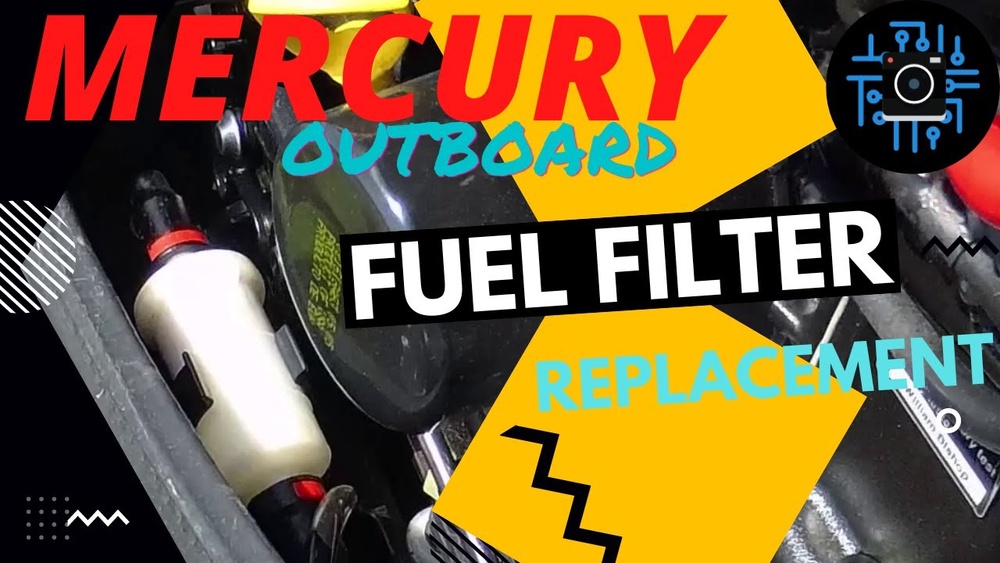
Have you ever thought about what keeps your engine running smoothly every time you start your car? One small part plays a big role in this: the fuel filter.
Changing your fuel filter might seem like a simple task, but it can make a huge difference in your vehicle’s performance and longevity. Ignoring it could lead to costly repairs or unexpected breakdowns. You’ll discover why changing your fuel filter is so important and how it can save you time, money, and frustration.
Keep reading to learn how a small change can protect your engine and keep your car running at its best.

Credit: kbmotorsports.biz
Role Of Fuel Filters
The fuel filter plays a key role in keeping your vehicle’s engine healthy. It cleans the fuel before it reaches the engine. Dirt, dust, and rust can enter the fuel system during refueling or from a dirty tank. The filter stops these harmful particles. This helps the engine run smoothly and last longer.
Without a good fuel filter, contaminants can clog fuel injectors or damage engine parts. This can cause poor performance and costly repairs. Changing the fuel filter regularly is a simple way to protect your vehicle and save money.
Fuel Filter Functions
The fuel filter’s main job is to trap dirt and debris in the fuel. It prevents these particles from reaching the engine. This keeps the fuel system clean and the engine running well. The filter also helps maintain proper fuel flow. This ensures the engine gets the right amount of fuel for combustion.
A clean fuel filter improves fuel efficiency and reduces engine wear. It also helps lower harmful emissions. Over time, fuel filters collect dirt and can become blocked. This reduces fuel flow and engine power. Replacing the filter keeps the fuel system working properly.
Types Of Fuel Filters
Fuel filters come in different types to fit various vehicles and fuel systems. The most common are paper filters. These use a special paper to trap particles. They are cheap and easy to replace.
Another type is the mesh filter. It uses a metal or plastic mesh to catch debris. These filters last longer but may not catch very small particles.
Some vehicles have fuel filters built into the fuel pump or fuel tank. These are harder to access and may require professional service. Choosing the right type depends on your vehicle’s make and model.
Credit: www.jiffylube.com
Signs Of A Clogged Fuel Filter
A clogged fuel filter can cause many problems in your car. It stops fuel from flowing properly to the engine. Recognizing the signs early helps avoid costly repairs. Here are the common symptoms to watch for.
Engine Performance Issues
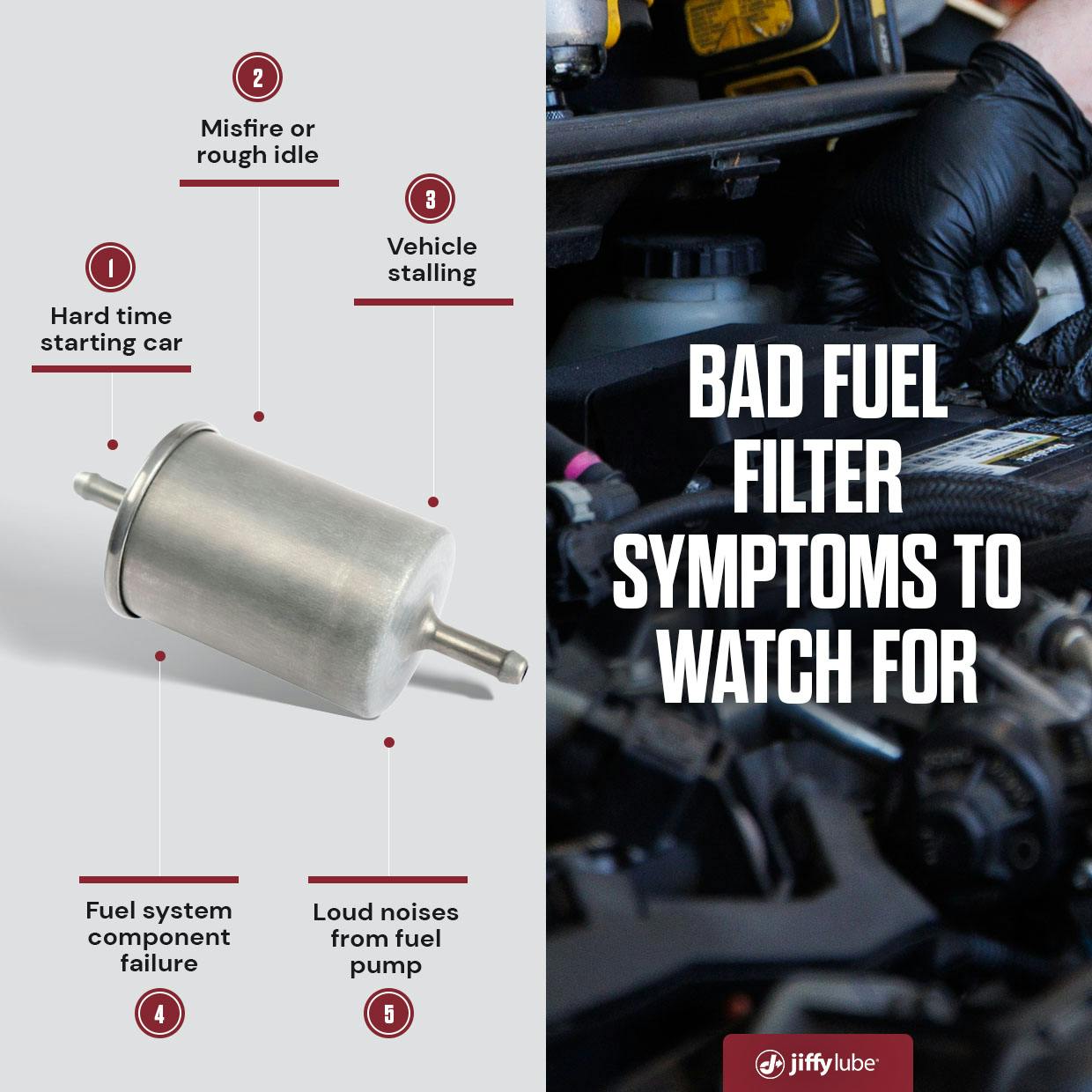
The engine may run rough or hesitate. It can lose power while driving uphill or during acceleration. You might hear sputtering sounds from the engine. These are signs fuel flow is restricted.
Fuel Efficiency Drops
Your car uses more fuel than usual. A clogged filter makes the engine work harder. This reduces miles per gallon and increases fuel costs. Tracking fuel use helps catch this problem early.
Starting Problems
The engine may crank but not start easily. It might take longer to turn on. A blocked fuel filter limits fuel reaching the engine. This causes difficulty in starting the car.
Impact On Engine Health
The fuel filter plays a key role in keeping the engine healthy. It stops dirt, rust, and other particles from entering the engine. Clean fuel means the engine runs smoother and lasts longer. Neglecting the fuel filter can cause serious engine problems over time. Changing the fuel filter regularly protects the engine and improves its performance.
Preventing Engine Damage
A dirty fuel filter blocks fuel flow. The engine may starve for fuel and run poorly. This can cause rough idling and poor acceleration. Small particles can reach the engine and cause wear. Over time, this damage leads to costly repairs. Clean fuel filters reduce the risk of engine damage.
Maintaining Fuel System Longevity
The fuel system includes the fuel pump and injectors. Dirty fuel can clog these parts and reduce their life. A clogged fuel filter forces the fuel pump to work harder. This extra strain can cause the pump to fail early. Changing the fuel filter helps keep the entire fuel system healthy. It saves money by avoiding early replacements.
When To Replace Fuel Filters
Knowing when to replace your fuel filter helps keep your engine healthy. A clogged filter can reduce fuel flow and damage parts. Changing it on time saves money and prevents breakdowns. Several factors decide the best time for replacement.
Manufacturer Recommendations
Car makers suggest specific intervals for changing fuel filters. These are based on tests and engine design. Usually, the guide is in the owner’s manual. Common advice ranges from every 20,000 to 40,000 miles. Following these rules keeps your car running smooth.
Driving Conditions Influence
Harsh driving conditions can shorten fuel filter life. Dusty roads, frequent stops, and heavy traffic add stress. Fuel quality also matters. Poor fuel clogs the filter faster. Check and replace filters sooner if you drive in tough environments. This protects the engine and improves performance.
Diy Fuel Filter Replacement Tips
Replacing a fuel filter is a simple task that can improve car performance. Doing it yourself saves money and gives you control over maintenance. Follow clear steps and use the right tools for a smooth process. Safety matters most during this job. Keep your workspace clean and be ready to handle fuel carefully.
Tools Needed
- New fuel filter compatible with your vehicle
- Wrenches or socket set
- Flathead screwdriver
- Fuel line disconnect tool (if required)
- Container to catch fuel drips
- Protective gloves and safety glasses
- Rags or paper towels
Step-by-step Process
- Park the car on a flat surface and turn off the engine.
- Relieve fuel system pressure by removing the fuel pump fuse or relay.
- Locate the fuel filter under the car or near the engine.
- Place a container below to catch any fuel spills.
- Use the wrench or disconnect tool to remove fuel lines carefully.
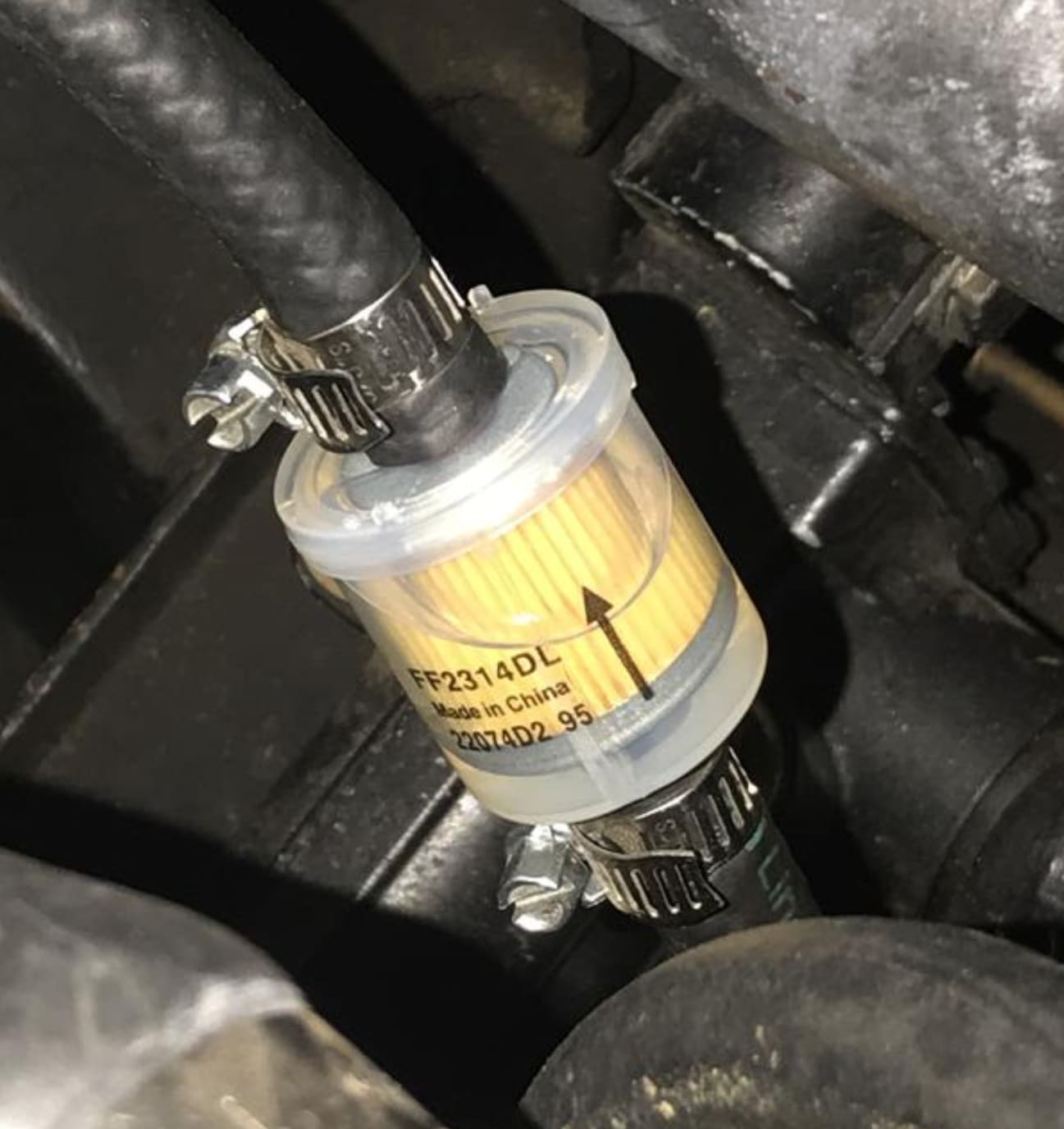
- Remove the old filter and note its orientation for the new one.
- Install the new fuel filter in the same direction as the old one.
- Reconnect the fuel lines and tighten them securely.
- Replace the fuel pump fuse or relay and start the engine.
- Check for leaks and ensure the engine runs smoothly.
Safety Precautions
- Work in a well-ventilated area to avoid inhaling fumes.
- Wear gloves and safety glasses to protect skin and eyes.
- Keep fire sources and sparks far from the fuel area.
- Dispose of old fuel and filter parts properly.
- Do not smoke or use phones near fuel during replacement.
- Have a fire extinguisher nearby for emergencies.
Credit: www.autozone.com
Professional Maintenance Benefits
Professional maintenance offers key benefits for changing your fuel filter. Experts check your vehicle carefully and spot issues early. This saves money and prevents bigger problems. They use the right tools and parts for a proper job. Trusting skilled technicians keeps your engine running smoothly and improves fuel efficiency.
Expert Inspection
Technicians inspect the fuel system thoroughly. They find dirt, rust, or damage that may block fuel flow. This helps avoid engine trouble and poor performance. Experts also test fuel pressure to ensure proper delivery. Their experience means they catch small problems before they grow.
Additional Services
Along with fuel filter change, professionals offer extra checks. They examine spark plugs, air filters, and oil levels. This keeps the entire engine healthy and clean. Services like fluid top-up and system cleaning come with maintenance visits. These steps boost vehicle reliability and extend engine life.
Fuel Filter And Vehicle Types
Fuel filters play a key role in keeping engines clean. Different vehicles need different filters. The type of engine and the vehicle’s age affect how the fuel filter works. Knowing these differences helps maintain your car well.
Fuel filters stop dirt and rust from reaching the engine. This prevents damage and keeps the engine running smoothly. The filter type depends on the fuel system and the vehicle design.
Gasoline Vs. Diesel Engines
Gasoline engines use fuel filters to catch tiny particles. These particles can clog fuel injectors. Clean fuel helps the engine burn fuel better. It improves performance and saves fuel.
Diesel engines need stronger filters. Diesel fuel often has more impurities. These impurities can harm the engine parts. Diesel filters trap water and dirt to protect the engine. Changing the filter regularly is very important for diesel vehicles.
Modern Vs. Older Vehicles
Modern vehicles use advanced fuel filters. These filters last longer and filter smaller particles. They help meet strict emission rules. New cars often have sensors to warn about filter issues.
Older vehicles have simpler filters. These filters need more frequent changes. Dirt can pass through easily if the filter is old. Regular checks keep older engines healthy and efficient.
Frequently Asked Questions
Why Is Changing The Fuel Filter Important?
Changing the fuel filter ensures clean fuel reaches the engine. It prevents clogging, improves performance, and extends engine life. A clean filter avoids costly repairs and maintains fuel efficiency.
How Often Should The Fuel Filter Be Replaced?
Most manufacturers recommend changing the fuel filter every 20,000 to 40,000 miles. However, check your vehicle’s manual for specific intervals. Regular replacement avoids dirt buildup and keeps the fuel system running smoothly.
What Are The Signs Of A Clogged Fuel Filter?
Common signs include engine misfires, stalling, poor acceleration, and difficulty starting. A clogged filter restricts fuel flow, causing performance issues. Timely replacement can prevent breakdowns and costly repairs.
Can Neglecting Fuel Filter Replacement Damage The Engine?
Yes, neglecting fuel filter replacement can damage the engine. Dirt and debris may enter the fuel system, causing wear and tear. This leads to reduced efficiency and expensive engine repairs.
Conclusion
Changing your fuel filter keeps your engine running smooth and clean. It stops dirt from reaching important parts. This helps avoid costly repairs and saves fuel. Regular changes improve car performance and extend engine life. Small steps like this protect your vehicle every day.
Don’t wait until problems start. Keep your fuel filter fresh and enjoy a safer drive. Simple care makes a big difference.