
Have you ever needed to access the horn cover on your steering wheel but didn’t know where to start? Whether you’re fixing a stuck horn or just curious about your car’s inner workings, knowing how to pull the horn cover safely is key.
In this guide, you’ll discover simple steps to remove the horn cover without causing damage. By the end, you’ll feel confident handling this task yourself, saving time and money. Keep reading to unlock the easy method that many drivers overlook!

Credit: www.youtube.com
Tools Needed
Removing the horn cover on your steering wheel requires a few basic tools. These tools make the process safer and easier. Having the right equipment helps avoid damage to your steering wheel or horn cover. You do not need many items, but each one plays an important role.
Flathead Screwdriver
A flathead screwdriver helps pry off the horn cover gently. Use it carefully to avoid scratching the wheel. It fits into small gaps and lifts the cover slowly.
Phillips Head Screwdriver
Some steering wheels have screws holding the horn cover. A Phillips head screwdriver fits these screws perfectly. It makes removing screws quick and simple.
Socket Wrench
A socket wrench removes bolts under the horn cover. These bolts hold the cover and airbag in place. The wrench gives you better grip and control.
Trim Removal Tool
A trim removal tool is plastic and safe for your car’s interior. It helps pry off the cover without scratches or dents. It fits into tight spaces easily.
Gloves
Wearing gloves protects your hands from sharp edges. Gloves also keep the steering wheel clean. They improve grip on tools and parts.
Safety Precautions
Always disconnect the car battery before pulling the horn cover. Gently pry the cover to avoid damage or injury. Use tools carefully to prevent scratching the steering wheel.
Understand The Airbag System
Before pulling the horn cover, know the airbag’s location. The airbag lies behind the cover. Accidental impact can trigger it. This can cause injury or damage. Handle with care to avoid sudden deployment.
Disconnect The Battery
Always disconnect the car battery first. This stops electrical flow to the airbag. Wait at least 10 minutes before touching the steering wheel. This ensures the airbag system is inactive. Safety first, always.
Use Proper Tools
Choose tools designed for steering wheel work. Avoid sharp or heavy tools that can cause damage. Use plastic pry tools to gently lift the horn cover. This prevents scratching or breaking the cover.
Work In A Safe Environment
Park the car on a flat surface. Turn off the engine and set the parking brake. Work in a well-lit area to see all parts clearly. Keep children and pets away during the process.
Follow Manufacturer Instructions
Read the vehicle’s manual before starting. Every car model has different steps and precautions. Follow the exact procedure to avoid mistakes. Manuals often include safety warnings and tips.
Locate The Horn Cover
Start by finding the center of the steering wheel. The horn cover is usually a round or square pad. It sits right in the middle, easy to spot and touch.
Understanding The Horn Cover Location
The horn cover is usually at the center of the steering wheel. It is easy to spot as it is often marked or shaped differently. This cover hides the horn mechanism beneath it.
Finding the horn cover is the first step to pulling it correctly. Knowing its exact spot helps avoid damage to the steering wheel parts.
Visual Clues To Identify The Horn Cover
The horn cover often has a small symbol of a horn or sound waves. It can be a raised area or a slight indentation. The material might differ from the rest of the steering wheel surface.
Some cars have a chrome or colored trim around the horn cover. These visual hints help drivers quickly locate the horn.
Common Positions Of The Horn Cover
Most vehicles place the horn cover in the middle of the steering wheel. Some models might have it slightly lower or higher but still near the center. It is always in reach of the driver’s thumb or palm.
This central position allows easy pressing or pulling without moving hands away from the steering wheel.

Credit: www.youtube.com
Release The Horn Cover Clips
Releasing the horn cover clips is a key step in removing the horn cover safely. These clips hold the cover tightly to the steering wheel. You need to handle them with care to avoid damage.
The clips are usually hidden under the horn cover edges. They keep the cover from falling off during driving. Knowing how to release them helps you access the horn assembly or replace the cover easily.
Locate The Horn Cover Clips
First, find the clips around the horn cover edges. Use a flashlight if needed for better visibility. The clips may be small and hard to spot at first.
Look for small gaps or indentations where the clips hook into the steering wheel. They often sit under the cover lip.
Use A Suitable Tool
Choose a flat, thin tool like a plastic pry tool or a flathead screwdriver. Avoid sharp tools that can scratch or break the clips.
Insert the tool gently between the horn cover and steering wheel edge. This helps you pry the clips loose without damage.
Apply Gentle Pressure To Release Clips
Push or pry the clips gently to release them one by one. Do not force the cover off quickly.
Work slowly around the cover edges. Releasing all clips evenly prevents breakage and keeps the cover intact.
Check For Hidden Clips
Some horn covers have extra clips in less visible spots. Check carefully before pulling the cover fully off.
Missing a clip can cause sudden breaks or damage to the cover or clips.
Remove The Horn Cover
Removing the horn cover on your steering wheel is a simple task. It allows access to the horn mechanism and wiring. This step is important for repairs or replacements.
Follow these clear instructions to remove the horn cover safely. No special tools are needed. Just a little patience and care.
First, find the horn cover on the steering wheel. It is usually in the center. It may have a logo or symbol on it.
Check For Screws Or Clips
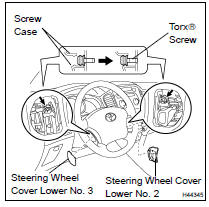
Look closely for screws or clips holding the cover. Some covers have screws at the back. Others use clips that snap in place.
Remove Screws Or Release Clips
Use a screwdriver to remove screws carefully. If clips hold the cover, gently pry them with a flat tool. Avoid breaking clips or damaging the wheel.
Pull The Horn Cover Off
After removing screws or releasing clips, pull the cover straight out. Do it slowly to avoid pulling wires. The cover may feel tight but it will come off.
Reattach The Horn Cover
Reattaching the horn cover on your steering wheel is an important step after any maintenance or repair. This part protects the horn mechanism and keeps your steering wheel looking neat. Doing it correctly ensures your horn works well and stays secure.
Follow these clear steps to put the horn cover back safely. Take your time and check each step carefully. This will help avoid damage and keep everything in place.
Align The Horn Cover Properly
First, hold the horn cover close to the steering wheel. Match the cover’s shape to the steering wheel’s center. Make sure any clips or tabs line up with their slots. Proper alignment helps the cover fit snugly and prevents it from falling off.
Press The Horn Cover Firmly
Press the horn cover gently but firmly onto the wheel. Use even pressure around the edges. You should hear small clicks as the clips snap into place. Avoid using too much force to prevent breaking the clips or cover.
Check For Secure Attachment
After pressing, gently pull the cover to test its hold. It should not move or come off easily. A tight fit means the horn cover is attached correctly. Loose covers can cause problems while driving.
Finally, press the horn button to check if it works. Make sure the horn sounds clearly and quickly. A working horn confirms the cover and horn assembly are properly connected. If the horn does not work, recheck the cover’s position and connections.
Test The Horn Function
Testing the horn function is a key step after pulling the horn cover on your steering wheel. It ensures the horn works properly and keeps you safe on the road. A working horn alerts others and prevents accidents.
Simple tests can tell you if the horn is ready to use or needs fixing. Follow these easy steps to check the horn function quickly and safely.
Check The Horn Sound
Press the horn button gently after pulling the cover. Listen for a clear, loud sound. A weak or no sound means a problem.
Inspect The Horn Button Response
Notice how the horn button feels when pressed. It should click easily and return to its place. Sticking or no click suggests a mechanical issue.
Test In Different Positions
Try pressing the horn button while turning the steering wheel slightly. The horn should work in all positions. If not, wiring may be loose.
Check The Horn Fuse
If the horn does not sound, check the fuse box for a blown fuse. Replace the fuse if needed. This often solves horn problems.
Credit: www.tohighlander.com
Frequently Asked Questions
How Do I Safely Pull The Horn Cover On Steering Wheel?
To safely pull the horn cover, first disconnect the car battery. Use a flat tool to gently pry the cover from the steering wheel. Avoid excessive force to prevent damage to clips or wiring. Always follow your vehicle manual for specific instructions.
Why Is The Horn Cover Hard To Remove?
Horn covers are designed to fit securely and protect wiring. Over time, clips may stiffen or get stuck due to dirt or corrosion. Using the right tools and gentle prying helps prevent breakage and makes removal easier.
Can I Remove The Horn Cover Without Tools?
It is not recommended to remove the horn cover without proper tools. Specialized flat pry tools help avoid damage to the cover and steering wheel. Using fingers alone may break clips or harm wiring underneath.
What Precautions Should I Take Before Removing Horn Cover?
Always disconnect the car battery to avoid accidental horn activation or airbag deployment. Wear gloves to protect your hands. Check your vehicle manual for warnings and step-by-step removal guidance before starting.
Conclusion
Pulling the horn cover on a steering wheel is simple and quick. Always be careful and follow safety steps. Knowing how to do this helps with car repairs. Use gentle force to avoid damage. Practice makes the task easier over time.
Stay calm and take your time. Your car’s horn is important for safety. Keep it working well by checking it often. Now you can handle this task with confidence.


