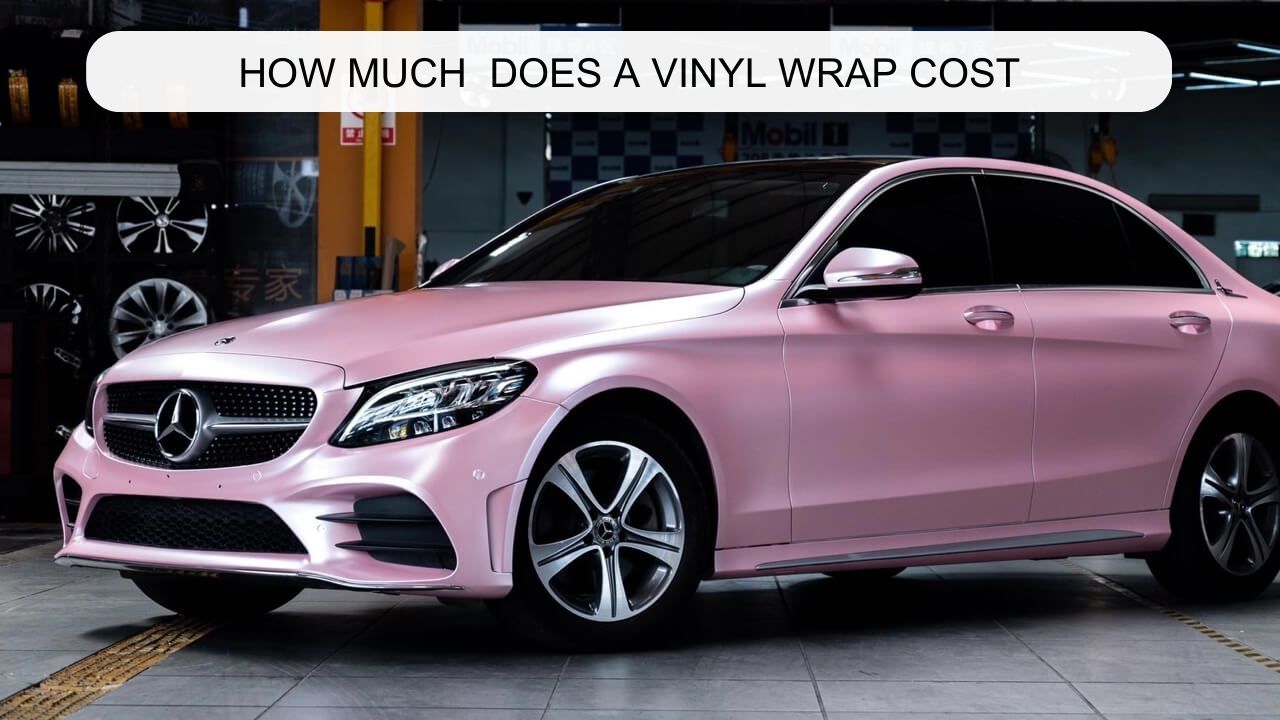
Thinking about giving your car a fresh, new look without the hassle of a paint job? Vinyl wrapping might be the perfect choice for you.
But before you dive in, one question probably comes to mind: how much does it actually cost to vinyl wrap a car? You want to know if it fits your budget and if it’s worth the investment. You’ll discover the real costs behind vinyl wrapping, what factors affect the price, and how to get the best value for your money.
Keep reading, because understanding these details will help you make a smart decision for your car and your wallet.
Credit: metrorestyling.com
Factors Influencing Vinyl Wrap Cost
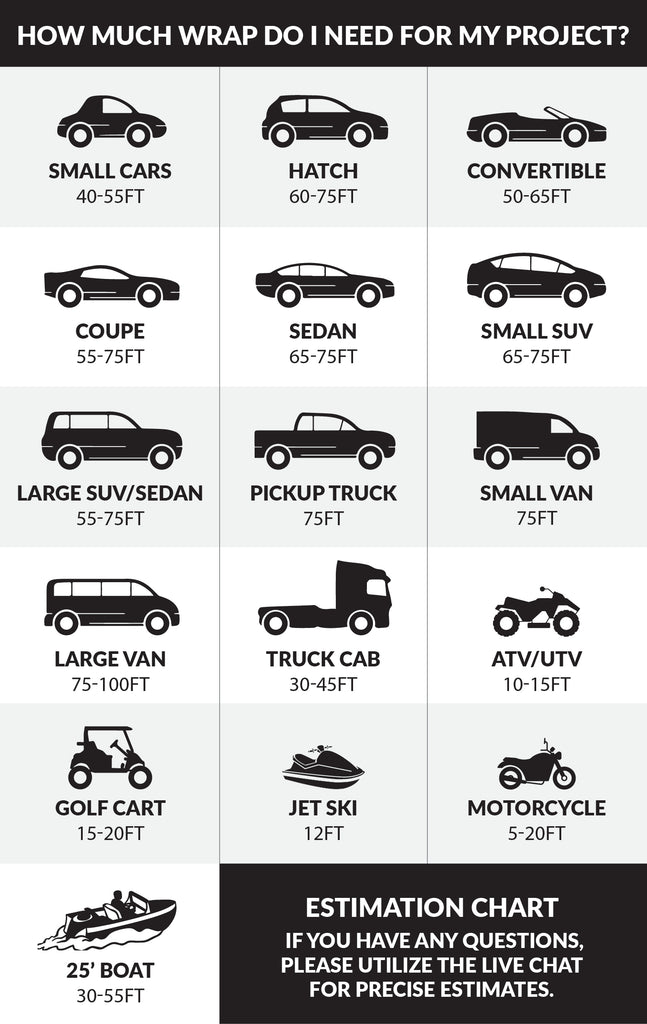
Vinyl wrapping a car cost depends on many factors. Each one can change the price significantly. Understanding these factors helps you plan your budget better. It also prepares you for what to expect from the service. Below are the main things that affect vinyl wrap prices.
Car Size And Type
Large cars need more vinyl material. This raises the cost. SUVs and trucks usually cost more than small cars. Curved surfaces or unusual shapes take more work. This can increase the price as well.
Wrap Material Quality
High-quality vinyl lasts longer and looks better. These materials cost more upfront. Cheaper vinyl might save money but fades faster. Choosing the right material depends on your budget and needs.
Complexity Of Design
Simple colors cost less than custom graphics. Complex designs need more time and skill. This raises labor costs. Detailed patterns or logos add to the price. The more unique the design, the higher the cost.
Labor And Installation
Experienced installers charge higher fees. Proper installation avoids bubbles and peeling. Some shops offer warranties on their work. Labor costs depend on shop location and skill level.
Additional Services
Extra services include paint protection or clear coats. Removing old wraps adds to the total cost. Some shops offer cleaning before wrapping. These services improve the final look but raise prices.
Cost Breakdown By Car Size
Vinyl wrapping a car cost depends a lot on the vehicle’s size. Different car sizes require different amounts of vinyl material and labor time. This affects the final price. Understanding the cost by car size helps plan your budget better.
Compact Cars
Compact cars are the smallest vehicles to wrap. They use less vinyl and take less time. The cost usually ranges between $1,500 and $2,500. These cars are easier to handle, so labor costs are lower. Ideal for budget-conscious drivers.
Sedans And Suvs
Sedans and SUVs need more vinyl than compact cars. The cost for wrapping these vehicles often runs from $2,500 to $4,000. SUVs may cost slightly more due to their shape and size. These vehicles require more detailed work around curves and edges.
Trucks And Large Vehicles
Trucks and large vehicles need the most vinyl and time. Prices can range from $3,500 to $6,000 or more. Larger surface areas mean more material and longer labor hours. These vehicles often require special handling to cover all parts properly.
Types Of Vinyl Wrap Materials
Choosing the right vinyl wrap material affects the car’s look and cost. Different types offer various finishes and textures. Each type serves a unique style and purpose. Understanding these options helps to pick the best wrap for your car.
Standard Glossy Wraps
Glossy wraps give cars a shiny, polished look. They reflect light well and look like fresh paint. These wraps are popular for their bright and smooth finish. They are easy to clean and maintain. Glossy vinyl is a budget-friendly option for a sleek appearance.
Matte And Satin Finishes
Matte wraps have a flat, non-reflective surface. They reduce shine and create a subtle, elegant look. Satin finishes fall between matte and glossy. Satin offers a soft shine without strong reflections. Both finishes add a unique style that stands out quietly.
Textured And Specialty Films
Textured vinyl wraps include options like carbon fiber and brushed metal. These add depth and a tactile feel to the car’s surface. Specialty films might include chrome, color-shift, or camouflage patterns. These wraps are usually more expensive and eye-catching. They suit those wanting a bold, custom look.

Credit: carwrapsupplieraustralia.com
Diy Vs Professional Installation
Choosing between DIY and professional vinyl wrap installation affects cost, quality, and time. Both options have pros and cons. Understanding these can help you decide the best fit for your budget and skills.
Cost Differences
DIY vinyl wrapping costs less upfront. You only pay for the vinyl and tools. Professional installation includes labor charges. Expect to pay two to three times more for experts. Professionals may offer warranties and better materials. DIY saves money but requires patience and effort.
Risks And Challenges
DIY wrapping risks include bubbles, wrinkles, and uneven edges. Mistakes can ruin the wrap or damage the paint. Professionals have experience and skills to avoid errors. They know how to handle curves and corners. DIY needs learning and practice. Mistakes can lead to extra costs for fixes.
Tools And Equipment Needed
DIY requires several tools: heat gun, squeegee, knife, and cleaning materials. Proper tools make the job easier and neater. Professionals use high-quality equipment for fast, smooth application. They also have access to premium vinyl materials. Buying all tools can increase DIY costs. Renting tools is an option but adds complexity.
Maintenance And Longevity
Vinyl wrapping a car is a popular way to change its look without painting. To keep the wrap looking fresh and lasting longer, you need proper care and attention. Understanding maintenance and longevity helps protect your investment. Small steps help avoid damage and keep colors bright.
Care Tips To Extend Life
Wash your car gently using a soft cloth or sponge. Avoid harsh chemicals or strong detergents that can harm the vinyl. Use mild soap and water for cleaning. Do not use abrasive brushes or scrub hard. Park your car in shade to reduce sun damage. Avoid parking under trees that drop sap or debris. Dry the car fully to prevent water spots. Check for any lifting edges or bubbles and fix them quickly.
Common Issues And Repairs
Vinyl can peel or bubble due to poor installation or weather. Scratches and small tears are possible, especially on edges. Heat can cause vinyl to shrink or warp over time. Dirt and grime buildup may dull the wrap’s shine. Most issues are fixable with patching or reapplication. Professional help is best for large repairs. Regular checks help catch problems early and reduce repair costs.
Warranty And Guarantees
Many vinyl wrap providers offer warranties covering fading and peeling. Check the warranty length before buying the wrap. Understand what damage is covered and what is not. Some warranties require proof of regular maintenance. Keep your receipts and photos of the wrap condition. Warranties give peace of mind but do not cover all damages. Always follow care instructions to keep warranty valid.
Additional Customization Options
Adding extra features to a vinyl wrap can change the car’s look and feel. These options let you personalize your vehicle beyond a simple color change. They also affect the total cost of the wrap. Let’s explore some popular ways to customize your vinyl wrap.
Partial Wraps And Accents
Partial wraps cover only parts of the car, not the whole body. This option costs less than a full wrap. Many choose to wrap the hood, roof, or mirrors for a unique style. Accents highlight small areas with different colors or textures. This creates a bold but subtle look. Partial wraps and accents offer a budget-friendly way to stand out.
Custom Graphics And Prints
Custom graphics add logos, images, or patterns to your wrap. You can use photos or designs made just for you. This option lets your car tell a story or show personality. Custom prints require more time and skill, so they cost more. They make your vehicle truly one of a kind. Many businesses use this for branding on company cars.
Protective Coatings
Protective coatings keep your vinyl wrap safe from scratches and dirt. They also add shine and make cleaning easier. Clear coatings can extend the life of your wrap. This option adds a small extra cost but helps keep the wrap looking new. It’s a smart choice for long-term care of your vinyl.
Where To Get Vinyl Wraps
Deciding where to get a vinyl wrap for your car is important. The right place affects price, quality, and how long the wrap lasts. You can choose between local shops and online services. Each option has its own benefits and drawbacks.
Finding the best installer can save you money and ensure a neat job. Knowing how to compare prices helps you avoid paying too much. Let’s explore these key points to help you decide.
Local Shops Vs Online Services
Local shops offer hands-on service and quick help. You can visit them, see samples, and talk face-to-face. They often provide installation and repair on-site. Prices may be higher due to labor and rent costs.
Online services sell vinyl wrap materials and sometimes offer installation guides. You get more choices and often lower prices. But you may need to find a separate installer. Shipping time and costs can add up.
Finding Reliable Installers
Good installers protect your car and make the wrap look smooth. Check reviews and ask for past work photos. A skilled installer uses proper tools and techniques. Avoid cheap or rushed jobs to prevent bubbles and peeling.
Ask friends or car groups for recommendations. Look for certified professionals or shops with warranties. Clear communication about timing and price avoids surprises.
Pricing Comparison Tips
Compare total costs, not just price per square foot. Include installation fees, materials, and any extra charges. Cheap wraps may cost more if they need repairs soon.
Get quotes from several places before deciding. Ask if the price covers full wrap or partial. Watch for hidden fees like removal or surface prep.
Balance cost with quality for the best value. A good wrap lasts longer and looks better over time.
Credit: www.carlawrap.com
Budget Planning For Your Wrap
Planning a budget for vinyl wrapping your car helps avoid surprises. Knowing the costs early lets you prepare your finances better. It also helps you choose the right wrap within your price range. Careful budget planning ensures a smooth, stress-free experience.
Estimating Total Expenses
Start by researching the average price for a full car wrap. Prices vary based on car size, wrap quality, and design complexity. Expect to pay between $2,000 and $5,000 for a full wrap. Partial wraps cost less, usually around $500 to $1,500. Remember to include labor charges and materials in your estimate.
Hidden Costs To Watch
Some expenses might not be obvious at first. Preparing the car surface, like cleaning or minor repairs, can add costs. Removing old decals or paint imperfections may also raise the price. Tax and disposal fees might apply depending on your location. Ask your installer about all possible extra charges before starting.
Saving Strategies
Choose simpler designs to lower your wrap cost. Matte or solid colors often cost less than custom graphics. Shop around and compare quotes from different installers. Some shops offer discounts during off-peak seasons. Doing small prep work yourself can reduce labor fees. Plan ahead and stick to your budget to avoid overspending.
Frequently Asked Questions
How Much Does A Full Car Vinyl Wrap Cost?
A full car vinyl wrap typically costs between $2,000 and $5,000. Prices vary by car size, wrap quality, and installer experience. Custom designs or specialty finishes may increase the cost. Always get multiple quotes for the best price and quality balance.
What Factors Affect Vinyl Wrap Pricing?
Wrap pricing depends on car size, material quality, and design complexity. Labor costs and location also influence the price. Specialty colors or textures, like matte or chrome, add extra cost. Proper surface preparation and removal fees may increase the total.
How Long Does A Vinyl Wrap Last?
Vinyl wraps usually last 5 to 7 years with proper care. Longevity depends on climate, exposure to sunlight, and maintenance. Regular cleaning and avoiding harsh chemicals help extend wrap life. High-quality vinyl and professional installation improve durability.
Can Vinyl Wraps Damage My Car’s Paint?
When professionally installed, vinyl wraps do not damage paint. Wraps protect paint from minor scratches and UV rays. Poor installation or removal can cause paint damage. Always use experienced installers to minimize risks and preserve your car’s finish.
Conclusion
Vinyl wrapping a car costs depend on size, design, and material quality. Simple wraps usually cost less than full custom designs. Installation by professionals ensures a smooth, long-lasting finish. Consider your budget and goals before deciding. A vinyl wrap can protect paint and change your car’s look.
Choose wisely to get the best value for your money. Vinyl wrap prices vary, but the right choice can be worth it. Think about what fits your style and budget best.