If you drive a diesel vehicle, you might wonder how often to change a diesel fuel filter. This small part plays a big role in keeping your engine running smoothly.
Ignoring it can lead to costly repairs and poor performance. You’ll discover exactly when and why you should replace your diesel fuel filter. By the end, you’ll know how to protect your engine and save money. Keep reading—your vehicle will thank you.
Role Of Diesel Fuel Filters
The diesel fuel filter plays a crucial role in keeping your engine safe and running smoothly. It works by removing dirt, rust, and other particles from the fuel before it reaches the engine. Clean fuel means better engine health and longer life.
Without a good fuel filter, contaminants can enter the engine. This can cause damage and reduce performance. Understanding the role of the diesel fuel filter helps in knowing why regular changes matter.
Protecting The Engine
The diesel fuel filter stops harmful particles from reaching the engine. Dirt and debris can cause wear and tear on engine parts. The filter acts as a barrier, preventing damage and costly repairs. It helps keep the engine running without problems.
Filtering Contaminants
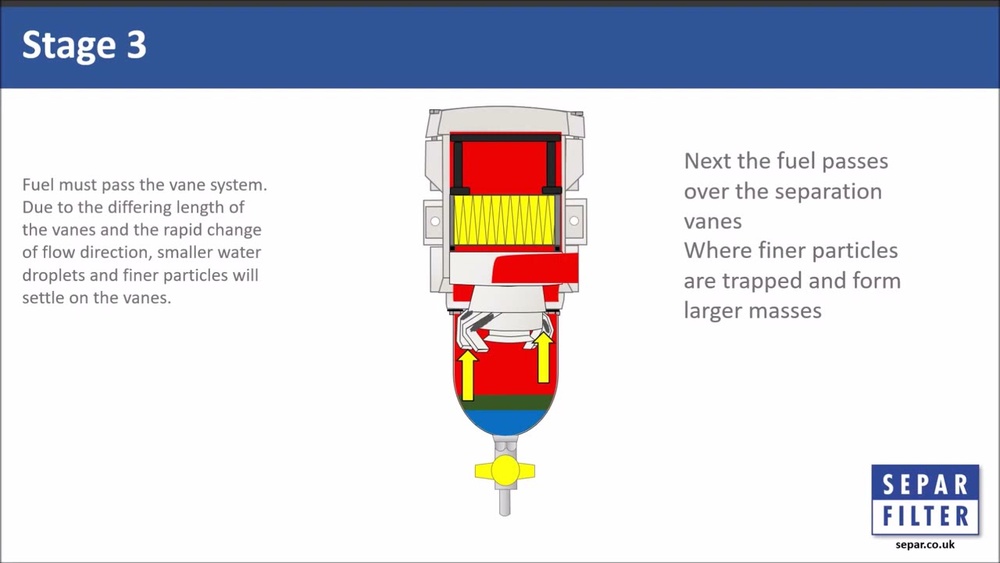
Fuel often contains tiny particles and water. These contaminants can clog fuel injectors and reduce efficiency. The diesel fuel filter traps these impurities. It ensures only clean fuel reaches the engine. This keeps the fuel system working well and prevents breakdowns.
Impact On Performance
A clean diesel fuel filter improves fuel flow. Good fuel flow means better engine power and smoother running. A dirty filter can cause engine hesitation and poor acceleration. Changing the filter regularly helps maintain strong engine performance and saves fuel.

Credit: www.youtube.com
Signs To Replace Fuel Filter
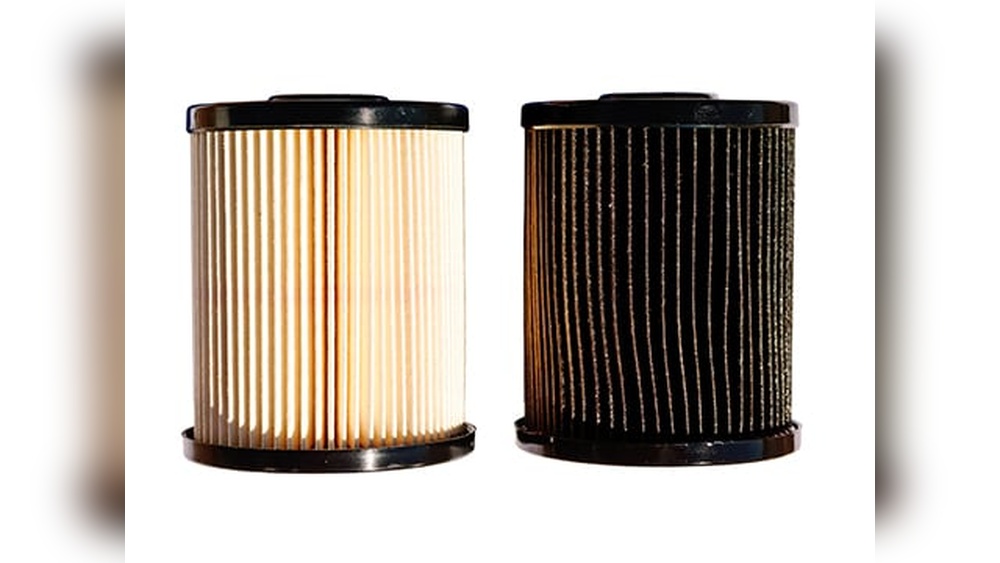
Knowing the signs to replace a diesel fuel filter helps keep your engine healthy. The fuel filter stops dirt and debris from reaching the engine. Over time, the filter clogs and affects engine performance. Recognizing these signs early can prevent bigger problems and costly repairs.
Reduced Engine Power
A clogged fuel filter limits fuel flow to the engine. The engine may feel weak or slow during acceleration. You might notice the vehicle struggles to climb hills or carry heavy loads. Reduced engine power means the fuel filter needs checking or replacement.
Difficulty Starting
Dirty fuel filters make it hard for the engine to start. The engine may crank longer than usual or fail to start. This happens because fuel flow is blocked or slowed down. Difficulty starting is a clear sign to replace the fuel filter quickly.
Unusual Engine Noises
The engine may produce strange sounds when the fuel filter is clogged. You might hear sputtering or knocking noises during operation. These sounds occur from irregular fuel flow and engine strain. Unusual noises warn of fuel filter problems needing attention.
Poor Fuel Efficiency
A dirty fuel filter can lower your vehicle’s fuel efficiency. The engine works harder to get enough fuel, using more gas. You may notice you fill the tank more often than before. Poor fuel efficiency shows the fuel filter is not working well.
Recommended Replacement Intervals
Knowing the right time to change a diesel fuel filter keeps your engine running well. Changing it too late can harm the engine. Too early might waste money. Follow clear rules to find the best time for a change. These rules come from makers, driving habits, and time factors.
Manufacturer Guidelines
Vehicle makers give the best advice on fuel filter changes. Check your owner’s manual for exact intervals. Most recommend changing the filter every 10,000 to 25,000 miles. Some newer models use longer intervals. Stick to these guidelines to avoid engine trouble.
Factors Affecting Frequency
Driving conditions affect how often to change the filter. Dusty or rough roads can clog filters faster. Using low-quality diesel fuels also shortens filter life. Cold weather can cause water buildup in the filter. Watch these factors to adjust the change schedule.
Mileage Vs Time Considerations
Both miles driven and time passed matter for filter changes. Even if you drive little, old fuel can clog the filter. Makers often suggest changing every 12 months or 15,000 miles. Follow the earlier sign between mileage or time for safety.
Changing The Fuel Filter
Changing the fuel filter in a diesel engine is an important task. It helps keep the engine clean and running well. Over time, dirt and debris build up in the filter. This can block fuel flow and cause engine problems. Regular replacement keeps your engine healthy and saves money on repairs.
Tools And Materials Needed
Prepare these before starting the job:
- New diesel fuel filter
- Wrenches or socket set
- Fuel container for draining
- Rags or paper towels
- Gloves to protect your hands
- Screwdriver, if needed
- Safety glasses
Step-by-step Replacement
Start by turning off the engine and letting it cool.
Locate the fuel filter on your vehicle.
Place the container under the filter to catch fuel.
Loosen the filter bolts or clamps carefully.
Remove the old filter and drain any fuel into the container.
Install the new filter in the same position.
Tighten bolts or clamps firmly, but do not over-tighten.
Check for leaks after starting the engine.
Safety Precautions
Wear gloves and safety glasses during the process.
Work in a well-ventilated area to avoid fumes.
Avoid open flames or sparks near the fuel.
Dispose of old fuel and filter properly.
Keep rags away from heat to prevent fire risk.
Follow your vehicle’s manual for specific instructions.
Benefits Of Regular Fuel Filter Changes
Changing your diesel fuel filter regularly keeps your engine healthy and running smoothly. It stops dirt and debris from reaching the engine. This simple step saves money and avoids big repairs. Clean fuel means better engine performance and fewer problems on the road.
Extended Engine Life
Clean fuel filters protect the engine from harmful particles. Dirt and rust can cause wear inside the engine. A fresh filter stops these particles early. This helps the engine last longer and work better over time.
Improved Fuel Economy
A clean fuel filter lets fuel flow easily to the engine. This means the engine uses fuel more efficiently. It reduces fuel waste and saves money at the pump. Regular changes keep your vehicle running in top shape.
Reduced Emissions
Dirty fuel filters can cause poor fuel burning. This leads to more smoke and pollution from the exhaust. Clean filters help the engine burn fuel cleanly. This lowers harmful emissions and helps the environment.
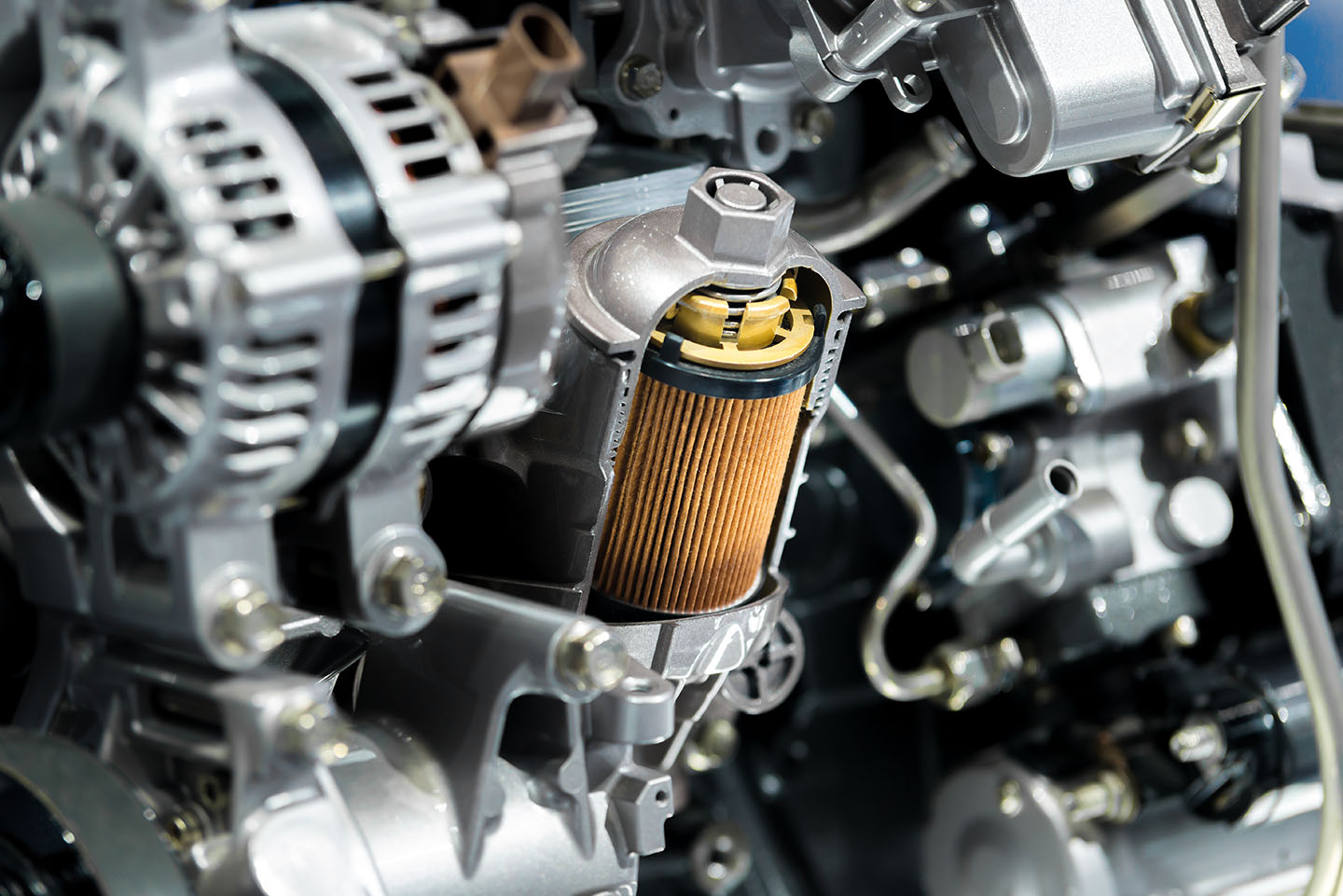
Credit: bostechauto.com
Common Mistakes To Avoid
Changing a diesel fuel filter is important for engine health. Some people prefer to do it themselves. Others choose professional service. Both options have pros and cons. Understanding these helps you make the right choice for your vehicle.
When To Seek Expert Help
Some diesel fuel filters are hard to reach. Special tools may be needed. Professionals have experience and proper equipment. They can spot other issues during the service. Complex fuel systems require expert handling. Safety matters when working with fuel.
Cost Considerations
DIY fuel filter change saves labor costs. You only pay for the part. Mistakes can lead to costly repairs later. Professionals charge for skill and time. They provide warranty on their work. Compare costs carefully before deciding.
Maintaining Warranty
Many vehicle warranties require professional service. DIY repairs can void warranty coverage. Service records must be kept. Authorized service centers provide proof of maintenance. Follow manufacturer guidelines to keep warranty valid.
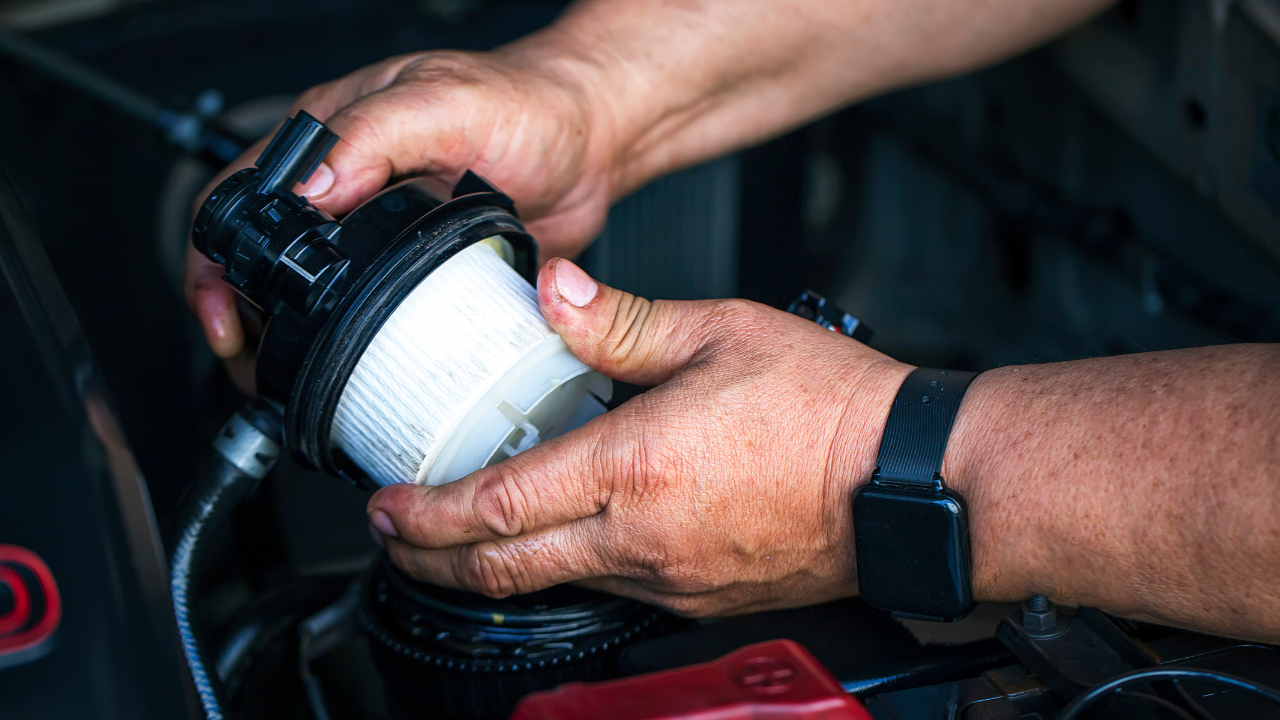
Credit: universalautospares.com.au
Frequently Asked Questions
How Often Should I Change A Diesel Fuel Filter?
You should change your diesel fuel filter every 10,000 to 25,000 miles. Check your vehicle manual for specific intervals. Regular replacement prevents engine damage and maintains fuel efficiency.
What Are Signs Of A Clogged Diesel Fuel Filter?
Signs include engine misfires, reduced power, rough idling, and difficulty starting. A clogged filter restricts fuel flow, causing poor engine performance. Replace the filter promptly if symptoms occur.
Can A Dirty Fuel Filter Damage My Diesel Engine?
Yes, a dirty filter can cause fuel starvation and injector damage. It reduces engine efficiency and may lead to costly repairs. Regular filter changes protect your engine’s health.
Is It Necessary To Use Oem Diesel Fuel Filters?
Using OEM filters ensures compatibility and quality. They meet manufacturer standards for filtration and durability. Non-OEM filters may risk engine performance and longevity.
Conclusion
Changing your diesel fuel filter keeps your engine healthy and efficient. Clean filters stop dirt from damaging engine parts. Check your vehicle’s manual for the right change interval. Signs like rough idling or poor fuel economy mean it’s time to replace the filter.
Regular changes save money and avoid costly repairs. Don’t wait for problems to appear. Keep your diesel engine running smooth and strong. Simple steps make a big difference in engine life. Stay ahead by changing the fuel filter on time.