
Have you ever wondered what keeps your engine running smoothly, even when your fuel isn’t perfect? Your fuel filter water separator plays a hidden but crucial role in protecting your engine from damage caused by water and dirt in your fuel.
Understanding how this small device works can save you from costly repairs and unexpected breakdowns. You’ll discover exactly how a fuel filter water separator works and why it’s essential for your vehicle’s health. Keep reading to learn how this simple component can make a big difference in your engine’s performance.
Credit: www.thehulltruth.com
Fuel Filter Water Separator Basics
A fuel filter water separator is a key device in many engines. It keeps fuel clean and safe for the engine to use. This part helps stop damage and keeps the engine running well. Understanding the basics makes it easier to see why it matters.
It removes dirt and water from the fuel before it reaches the engine. Water in fuel can cause rust and poor engine performance. The filter part catches dirt, while the separator part removes water. Together, they protect the engine from harm and help it last longer.
Purpose And Importance
The main purpose is to clean fuel and remove water. Water in fuel can cause engine problems like corrosion and poor combustion. Dirt can clog injectors and damage engine parts. Removing these keeps engines working smoothly. It also improves fuel efficiency and lowers repair costs. Clean fuel means better power and longer engine life.
Common Types
There are several types of fuel filter water separators. Some use a paper filter to catch dirt and a bowl to collect water. Others have a spin-on design for easy replacement. Some use centrifugal force to separate water from fuel. Each type works to protect the engine but in a slightly different way. Choosing the right one depends on the engine and fuel system.
Credit: www.yumpu.com
How Fuel Filters Remove Contaminants
Fuel filters play a vital role in keeping engines safe and efficient. They remove harmful materials that can damage engine parts. Contaminants like dirt and water can reduce engine life and performance. Understanding how fuel filters remove these impurities helps in maintaining a healthy engine.
Filtering Solid Particles
Fuel filters trap solid particles such as dirt, rust, and dust. The filter has a fine mesh or paper element. This element captures tiny particles before fuel reaches the engine. Clean fuel improves combustion and engine power. Without this step, particles could clog injectors or damage engine parts.
Separating Water From Fuel
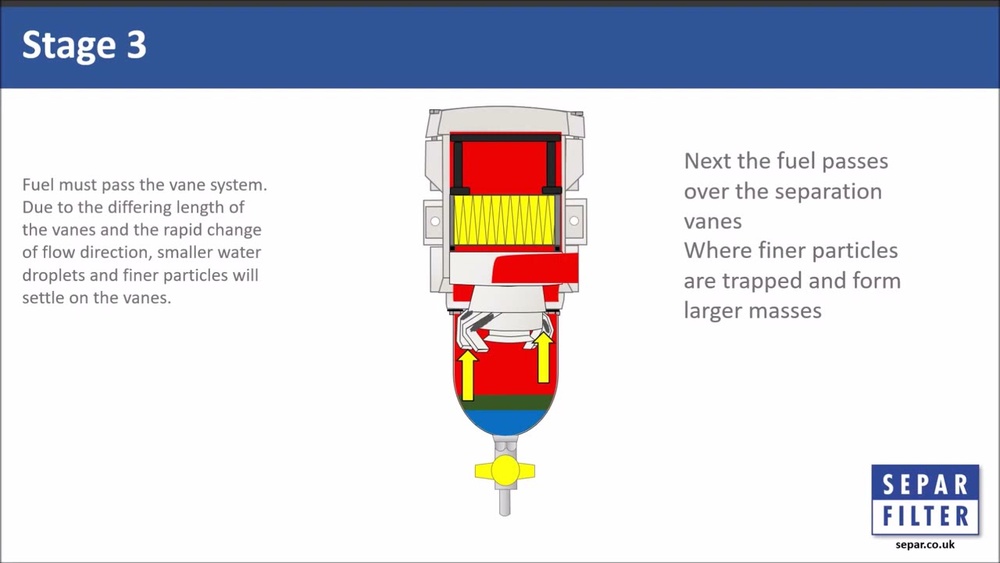
Water in fuel causes corrosion and poor engine performance. Fuel filter water separators remove water by using density differences. Water is heavier and sinks to the bottom of the separator. The filter lets fuel pass while trapping water inside. This process protects the engine from water damage and keeps fuel clean.
Design And Components
The design of a fuel filter water separator is simple yet effective. It removes water and dirt from fuel before it reaches the engine. This protects the engine and improves performance. The main parts work together to clean the fuel.
Filter Media
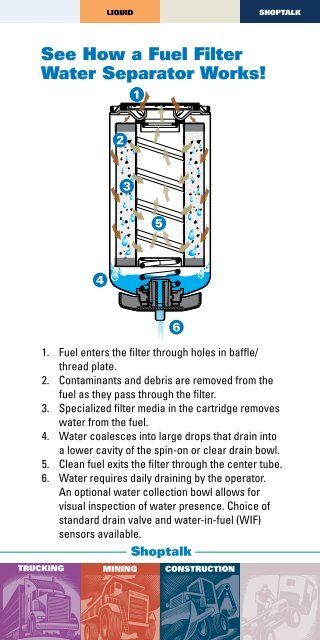
The filter media traps dirt, rust, and other particles in fuel. It is made from special fibers that catch tiny debris. This keeps the fuel clean and prevents engine damage. The media also lets fuel pass through easily.
Water Separation Chamber
The water separation chamber collects water from the fuel. Water is heavier than fuel, so it settles at the bottom. The chamber keeps water away from the engine. This stops corrosion and poor engine performance.
Drain Valve
The drain valve removes collected water from the chamber. It is located at the bottom for easy draining. Users open the valve to let water out safely. This simple step keeps the separator working well.
Working Mechanism
A fuel filter water separator cleans fuel before it reaches the engine. It removes dirt and water from the fuel. This helps protect the engine and keeps it running smoothly.
The process involves several steps. The fuel flows through the filter, water is separated, and impurities are collected. Each step plays a key role in fuel cleaning.
Fuel Flow Path
Fuel enters the separator through an inlet. It moves into a chamber with a filtering element. The filter traps dirt and particles. Clean fuel passes through to the engine.
Water Separation Process
Water is heavier than fuel. It falls to the bottom of the separator. The filter material helps separate water from fuel. This stops water from reaching the engine.
Collection And Removal
Water collects at the bottom of the separator bowl. The separator has a drain valve or automatic drain. This lets water be removed safely. Regular draining keeps the separator working well.
Signs Of A Faulty Water Separator
Recognizing the signs of a faulty water separator is important for engine health. The fuel filter water separator removes water from the fuel. Water in fuel can cause serious engine problems. Faulty separators fail to protect the engine effectively. Watch for these signs to avoid damage.
Engine Performance Issues
Engine runs rough or stalls suddenly. Power drops during acceleration or steady speed. Fuel injectors may clog from water in fuel. Poor engine starts or misfires can happen. These issues often signal a failing water separator.
Visible Water In Fuel
Check the separator bowl for water presence. Clear fuel with a layer of water at bottom shows a problem. Water should drain easily when separator works. Cloudy or separated fuel inside means it is faulty.
Frequent Filter Changes
Replacing fuel filters more often than usual is a warning. Water contaminates the filter media quickly. This shortens filter life and raises maintenance costs. A good water separator reduces filter changes drastically.
Maintenance Tips
Maintaining a fuel filter water separator keeps your engine safe and running smoothly. Dirt and water can damage fuel systems. Regular care stops problems early. Here are key maintenance tips for best results.
Regular Draining
Water collects in the separator’s bowl. It needs to be drained often to avoid damage. Check the bowl daily if possible. Open the drain valve slowly. Let water flow out until clear fuel appears. Close the valve tightly to prevent leaks.
Filter Replacement Schedule
Replace the filter element regularly. Follow your vehicle or machine manual for timing. Old filters clog with dirt and reduce fuel flow. A clean filter protects the engine and boosts performance. Use the right filter model for your system.
Inspection Procedures
Inspect the separator for cracks or leaks. Look at seals and connections. Make sure parts fit tightly without gaps. Check the fuel quality for dirt or water. Replace damaged parts immediately. Keep the area around the separator clean.
Benefits Of Using A Fuel Filter Water Separator
Using a fuel filter water separator offers many important benefits for engines. It helps keep fuel clean and free from water. Clean fuel means the engine runs better and lasts longer. This simple device protects key parts and improves overall performance. Here are some main benefits of using a fuel filter water separator.
Protecting Engine Components
Water in fuel can damage engine parts quickly. It causes rust and corrosion inside the engine. A fuel filter water separator removes water before it reaches the engine. This keeps parts like injectors and pumps safe. Cleaner fuel means fewer repairs and longer engine life.
Improving Fuel Efficiency
Water and dirt in fuel reduce engine efficiency. The engine burns fuel less cleanly, wasting energy. Removing water and debris helps the fuel burn better. This leads to smoother engine operation and better mileage. Better fuel efficiency saves money on fuel costs.
Reducing Downtime
Dirty fuel can cause engine problems and breakdowns. Repairing these issues takes time and costs money. A fuel filter water separator lowers the risk of breakdowns. It keeps the engine running smoothly and reliably. Less downtime means more work done and fewer interruptions.
Choosing The Right Fuel Filter Water Separator
Choosing the right fuel filter water separator is key for engine protection. It ensures clean fuel and extends engine life. Picking the correct one avoids damage from water and dirt in fuel. Consider several factors to make the best choice for your engine.
Compatibility With Engines
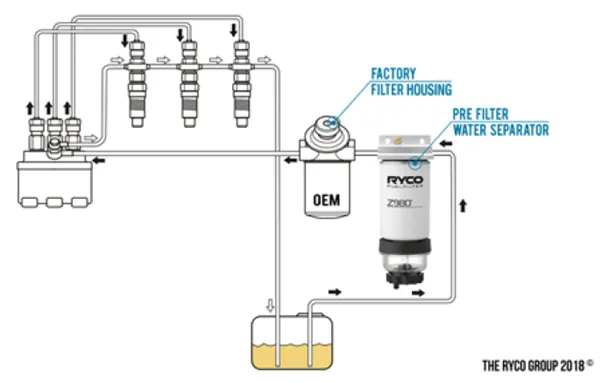
Fuel filter water separators must fit your engine type. Check the engine model and fuel system before buying. Some separators suit diesel engines only. Others work with gasoline or multi-fuel engines. Match the separator’s specifications with your engine’s needs.
Capacity And Flow Rate
The separator’s capacity should match your engine’s fuel flow rate. Too small a capacity clogs quickly. Too large may cause fuel starvation. Look for flow rate ratings to ensure smooth fuel delivery. Choose a separator that handles your engine’s fuel demand.
Brand And Quality Considerations
Choose trusted brands with good reviews. Quality parts last longer and filter better. Low-quality separators may leak or fail early. Look for products that meet industry standards. Investing in quality saves money on repairs and downtime.
Credit: rycofilters.com.au
Frequently Asked Questions
What Is A Fuel Filter Water Separator?
A fuel filter water separator removes water and contaminants from fuel. It protects engines by ensuring clean fuel. This prevents damage and improves engine performance.
How Does A Fuel Filter Water Separator Work?
It filters fuel through a mesh or media that traps dirt. Water, being heavier, settles at the bottom and drains out. This process ensures only clean fuel reaches the engine.
Why Is Water Removal Important In Fuel Systems?
Water can cause corrosion, clog injectors, and reduce efficiency. Removing water prevents engine damage and costly repairs. It also improves fuel combustion and engine longevity.
How Often Should You Replace A Fuel Filter Water Separator?
Replace it every 10,000 to 15,000 miles or as per manufacturer advice. Frequent replacement ensures optimal filtration and prevents engine issues. Check your vehicle’s manual for exact intervals.
Conclusion
A fuel filter water separator keeps fuel clean and engines safe. It removes water and dirt before fuel reaches the engine. Clean fuel helps engines run smoothly and last longer. Regular checks and changes of the filter improve performance. This small device plays a big role in vehicle health.
Understanding how it works helps you take better care of your engine. Keep your fuel system clean to avoid costly repairs. Simple steps can protect your engine every day.


