Struggling to get a fuel filter off your vehicle can be frustrating and time-consuming. You might worry about damaging parts or making a mess.
But what if you could remove it quickly and safely, even if you’re not a mechanic? This guide will walk you through simple steps you can follow right now. By the end, you’ll feel confident handling your fuel filter like a pro—saving time, money, and stress.
Ready to get started? Let’s dive in.

Credit: www.reddit.com
Tools Needed
Getting a fuel filter off requires the right tools. Using the correct tools makes the job faster and safer. You will need some basic tools and safety gear. This ensures you can remove the filter without damage or injury.
Basic Tools
Start with a set of wrenches. Open-end or adjustable wrenches work well. A socket set may also be needed for bolts. Use pliers to grip clamps or hoses. A flathead screwdriver helps to loosen hose clamps. Keep a container nearby to catch any fuel spills.
Safety Gear
Wear safety glasses to protect your eyes from fuel spray. Gloves are important to keep your hands clean and safe. Use gloves that resist fuel and chemicals. Have a fire extinguisher close by for emergencies. Work in a well-ventilated area to avoid inhaling fumes.

Credit: www.youtube.com
Locate The Fuel Filter
Finding the fuel filter is the first step to remove it. Knowing its exact location saves time and effort. It also helps avoid damage to other parts.
Common Locations
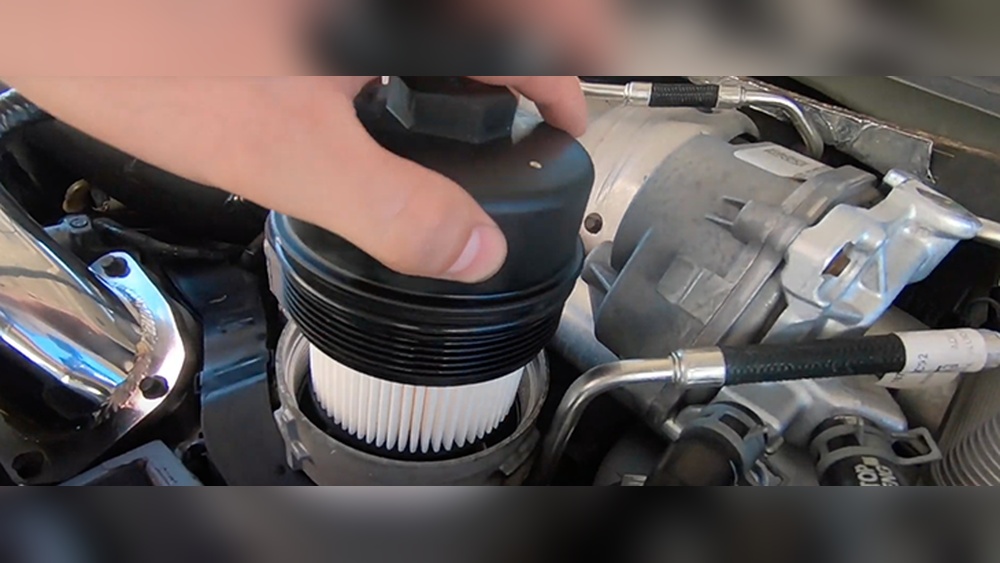
Fuel filters usually sit along the fuel line. Check near the fuel tank or engine bay. Some cars have filters inside the fuel pump assembly. Others place them under the car, near the frame rail. Sometimes, filters are behind the engine firewall. Look under the hood or beneath the car carefully.
Tips For Access
Work in a well-lit area. Use a flashlight for hard-to-see spots. Wear gloves to protect your hands. Make sure the car is cool and off. Use a jack and stands if needed for undercar access. Keep a container ready to catch any fuel leaks. Take your time to avoid breaking clips or lines.
Prepare The Vehicle
Preparing your vehicle before removing the fuel filter is important for safety and success. Taking the right steps reduces risks and helps the job go smoothly. Follow these easy instructions to get your vehicle ready.
Relieve Fuel Pressure
Fuel pressure builds up in the fuel system. It can cause fuel to spray out when you remove the filter. To avoid this, you need to release the pressure first. Find the fuel pump fuse in the fuse box. Remove the fuse and start the engine. The engine will stop quickly. This means the pressure is gone. Wait a few minutes before working on the fuel system.
Disconnect Battery
Disconnecting the battery stops any electrical sparks. Sparks near fuel can cause fire. Use a wrench to remove the negative terminal first. Then remove the positive terminal. Keep the cables away from the battery posts. This step keeps you safe while working on the fuel filter.

Credit: www.reddit.com
Remove The Old Filter
Removing the old fuel filter is a key step in replacing it safely and correctly. This process requires care to avoid fuel spills and damage to parts. Taking the right steps makes the job easier and keeps you safe.
Loosen Clamps
Start by loosening the clamps that hold the fuel filter. Use a screwdriver or pliers to turn the clamp screws. Turn slowly to avoid breaking the clamps. This will free the fuel lines from the filter. Keep a rag nearby to catch any fuel drops.
Handle Fuel Lines Safely
Fuel lines carry gasoline and must be handled with care. Before removing, relieve pressure from the fuel system. Disconnect the lines gently to avoid cracks or leaks. Plug or cover the ends to stop dirt from entering. Work in a well-ventilated area to avoid inhaling fumes.
Install The New Filter
Installing the new fuel filter is a key step in maintaining your vehicle’s engine. A properly installed filter ensures clean fuel flow and better engine performance. Take your time to place the filter correctly and secure it firmly. This prevents leaks and keeps your fuel system safe.
Positioning The Filter
Start by checking the direction of the fuel flow. Most filters have an arrow showing the flow direction. Align this arrow with the fuel line’s flow path. Place the filter in the holder or bracket designed for it. Make sure the filter fits snugly without forcing it. Proper positioning avoids damage and ensures smooth fuel delivery.
Secure Clamps And Lines
Attach the fuel lines to the new filter’s inlet and outlet. Push the lines firmly onto the filter’s ends. Use clamps to hold the lines tightly in place. Tighten the clamps just enough to stop leaks. Avoid overtightening, which can damage the hoses. Check all connections twice to confirm they are secure.
Test For Leaks
Testing for leaks is an important step after removing or replacing a fuel filter. It ensures that no fuel is escaping, which could cause safety issues or engine problems. Checking for leaks helps confirm that all connections are tight and secure.
Start The Engine
Turn on the engine and let it run for a few minutes. Listen carefully for any unusual sounds or smells. Watch for fuel dripping or spraying near the filter area. A smooth engine run usually means no leaks are present.
Check Connections
Look closely at all the fuel line connections around the filter. Make sure clamps and fittings are tight and in place. Use a cloth to wipe any wet spots and check again. If you see fuel, tighten the connections and test again.
Maintenance Tips
Proper maintenance keeps your fuel system running smoothly. Regular checks prevent engine problems and improve fuel efficiency. Knowing when and how to replace the fuel filter is key. Follow these maintenance tips to avoid costly repairs and ensure reliable performance.
Filter Replacement Frequency
Replace the fuel filter every 20,000 to 40,000 miles. Check your vehicle’s manual for specific guidelines. Driving in dusty or harsh conditions may require more frequent changes. Regular replacement stops dirt from clogging the fuel system. Clean filters help your engine run better and last longer.
Signs Of A Clogged Filter
Watch for slow engine start or rough idling. Notice a drop in fuel efficiency or power. Engine hesitation during acceleration can signal a clogged filter. Strange engine noises may also appear. Address these signs quickly to avoid bigger engine problems.
Frequently Asked Questions
How Do I Safely Remove A Fuel Filter?
First, relieve fuel system pressure by loosening the fuel cap. Disconnect the battery to avoid sparks. Wear safety gloves and goggles. Use the correct tools to detach fuel lines carefully. Remove retaining clips or bolts and pull out the filter gently to avoid fuel spills.
What Tools Are Needed To Remove A Fuel Filter?
You typically need a wrench or socket set, screwdrivers, and possibly fuel line disconnect tools. Safety gloves and goggles are essential. Having a container to catch spilled fuel is helpful. Always check your vehicle’s manual for specific tool requirements before starting.
How To Avoid Fuel Spills During Removal?
Relieve fuel system pressure before starting. Use rags or a drip tray under the filter. Disconnect fuel lines slowly and carefully. Keep a fire extinguisher nearby. Work in a well-ventilated area away from open flames or sparks for safety.
Can I Remove A Fuel Filter Without Professional Help?
Yes, if you follow proper safety steps and use correct tools. Refer to your vehicle’s manual for specific instructions. Avoid rushing and handle fuel carefully. If unsure, consult a professional to prevent damage or injury.
Conclusion
Removing a fuel filter is simple with the right steps. Take your time and work carefully. Using the proper tools makes the job easier and safer. Clean parts help your vehicle run better and last longer. Keep safety in mind throughout the process.
Regular filter changes protect your engine from damage. Now, you can handle this task with confidence. Try it yourself and save time and money. Maintenance like this keeps your car in good shape. A small effort goes a long way.