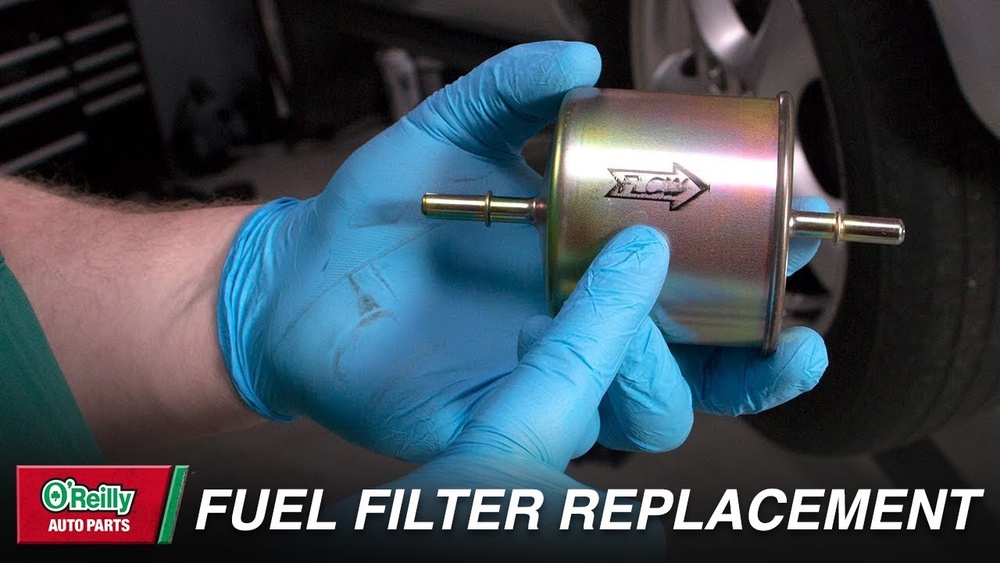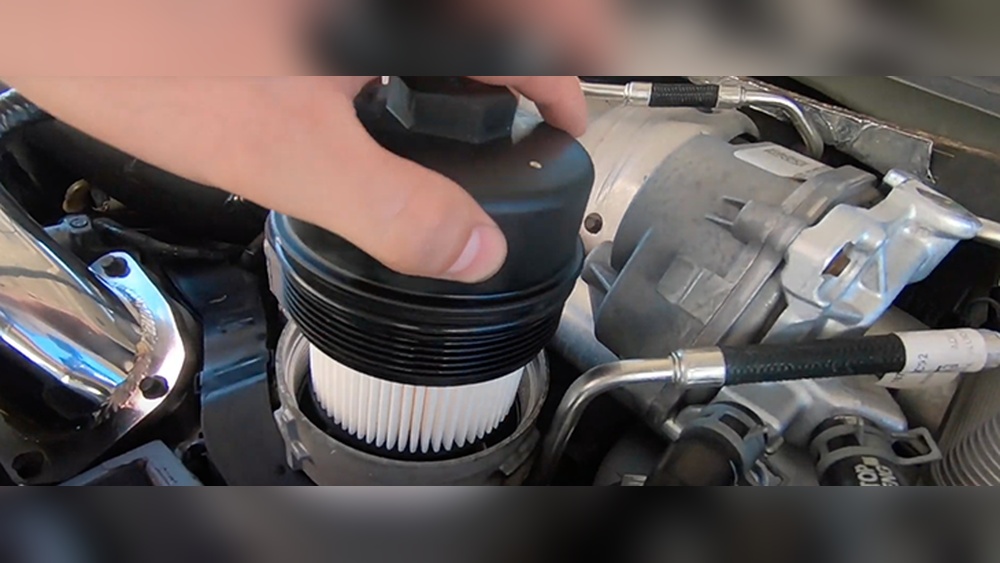
If you drive a diesel vehicle, knowing how to change the diesel fuel filter can save you time, money, and a lot of hassle. A clogged fuel filter can cause your engine to run poorly or even stop working altogether.
But don’t worry—changing it yourself is easier than you might think. In this guide, you’ll find simple, step-by-step instructions that anyone can follow. Keep reading, and you’ll soon be confident in keeping your diesel engine running smoothly and efficiently.

Credit: www.youtube.com
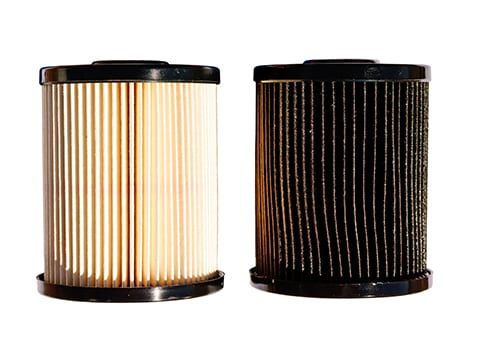
Signs Of A Clogged Fuel Filter
A clogged diesel fuel filter can cause many problems for your engine. It blocks fuel flow, making the engine work harder. Recognizing the signs early helps avoid bigger issues.
Watch for these common symptoms. They show the fuel filter might need changing. Acting fast keeps your vehicle running smoothly.
Reduced Engine Performance
The engine may lose power during acceleration. It struggles to run at full speed. The vehicle might feel sluggish on hills or highways. This happens because less fuel reaches the engine.
Starting Issues
Your diesel engine may take longer to start. It might crank but not fire quickly. Sometimes, it fails to start at all. A clogged filter limits fuel flow to the engine.
Unusual Engine Noises
Listen for strange sounds from the engine. It may sputter or cough while running. You might hear knocking or rough idling. These noises suggest fuel supply problems from a dirty filter.
Credit: www.merlindiesel.com
Tools And Materials Needed
Changing a diesel fuel filter requires specific tools and materials. Preparing these items helps the job go smoothly. Having everything ready saves time and avoids frustration. Below are the essential tools and materials needed for this task.
Protective Gear
Wear gloves to protect your hands from fuel and dirt. Safety glasses keep your eyes safe from splashes. Use old clothes or a coverall to avoid stains. Good ventilation is important to avoid harmful fumes.
Replacement Fuel Filter
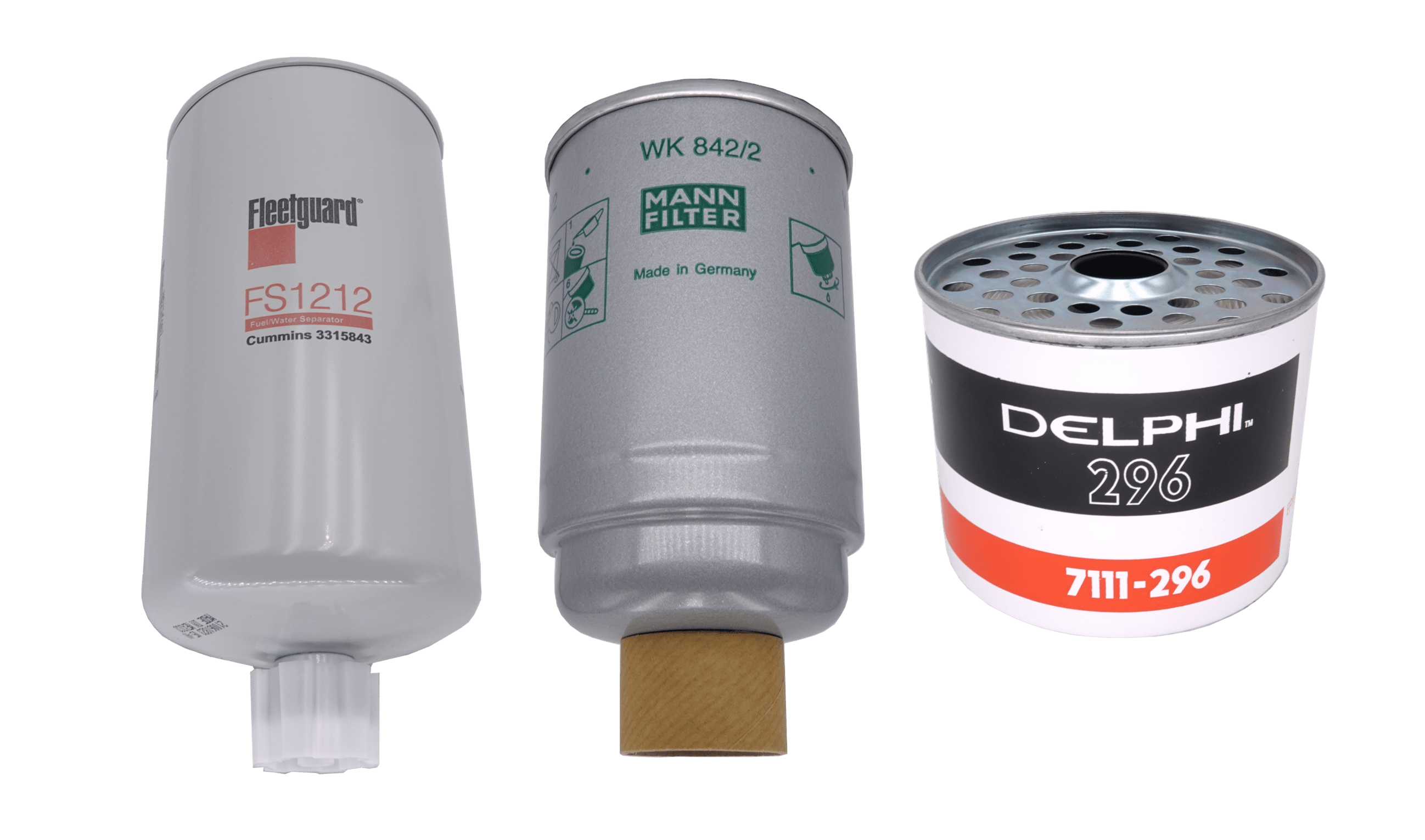
Choose the correct fuel filter for your vehicle model. Check the part number to ensure a perfect fit. Buy a new filter to avoid contamination and improve engine performance.
Basic Hand Tools
You need a wrench or socket set to remove the filter housing. Screwdrivers may be required to loosen clamps or covers. Have pliers handy to disconnect fuel lines carefully. A rag helps clean spills and wipe parts.
Container For Fuel Drainage
Use a container to catch diesel fuel draining from the filter. This prevents spills and keeps your workspace clean. Choose a container with a lid to store leftover fuel safely.
Preparing Your Vehicle
Preparing your vehicle is the first step to change the diesel fuel filter safely. This step sets a safe and stable base for your work. Proper preparation helps avoid accidents and makes the process smoother.
Park On A Flat Surface
Choose a flat surface to park your vehicle. This prevents the car from rolling or shifting. A level area gives you better control and stability. Use the parking brake to secure the vehicle firmly in place.
Turn Off The Engine
Switch off the engine completely before starting the work. This stops fuel flow and reduces the risk of fire. Let the engine cool down if it was running. Working on a hot engine can cause burns or other injuries.
Relieve Fuel System Pressure
Fuel systems hold pressure even after the engine is off. Relieving this pressure prevents fuel spray and spills. Locate the fuel pump fuse or relay and remove it. Start the engine and let it stall to release pressure safely.
Locating The Diesel Fuel Filter
Knowing where the diesel fuel filter is helps you change it safely and quickly. The filter cleans the fuel before it reaches the engine. Finding it is the first step in the replacement process.
The location can vary by vehicle. Some filters sit near the engine, others under the car. Use simple steps to find yours easily.
Consult The Owner’s Manual
The owner’s manual is the best source for exact information. It shows the location and type of fuel filter used. Manuals often include pictures and diagrams. This helps you spot the filter without guesswork. Keep the manual handy before starting the job.
Common Filter Locations
Diesel fuel filters usually sit in one of a few places. Many are near the engine block or in the engine bay. Others are mounted under the vehicle along the fuel line. Some trucks have a filter inside the fuel tank. Check around the fuel pump area too. Look for a small canister or housing with fuel lines attached.
Removing The Old Fuel Filter
Removing the old diesel fuel filter is the first step in replacing it. This process needs care to avoid damage and spills. Follow each step carefully for a smooth removal.
Disconnecting Fuel Lines
Start by turning off the engine and letting it cool. Locate the fuel lines connected to the filter. Use a wrench to loosen the fittings gently. Pull the fuel lines away from the filter carefully. Keep a cloth nearby to catch any dripping fuel.
Removing Mounting Bolts
Find the bolts holding the fuel filter in place. Use the correct size wrench or socket to loosen these bolts. Remove the bolts fully and set them aside safely. Take out the old filter from its mounting bracket slowly.
Handling Spilled Fuel Safely
Fuel spills can be dangerous and smelly. Use rags or paper towels to soak up any fuel drops. Dispose of the fuel-soaked materials properly to avoid fire risks. Work in a well-ventilated area to keep fresh air flowing.
Installing The New Fuel Filter
Installing the new diesel fuel filter is an important step to keep your engine running well. This process requires care to avoid leaks or poor fuel flow. Follow these steps to install the new filter safely and correctly.
Check For Correct Filter Type
Make sure the new filter matches your vehicle’s model. Using the wrong filter can cause damage or poor performance. Look for the part number on the filter package. Compare it with your vehicle’s manual or old filter.
Attach Fuel Lines Securely
Connect the fuel lines tightly to the new filter. Loose connections lead to fuel leaks and engine problems. Push the lines firmly onto the filter’s inlet and outlet. Use clamps if needed to keep the lines in place.
Mount The Filter Properly
Place the new filter in its holder or bracket. Align it the same way as the old filter. Secure it with screws or clips to avoid movement. The filter must stay stable during vehicle operation.
Bleeding Air From The Fuel System
Bleeding air from the fuel system is a key step after changing the diesel fuel filter. Air trapped in the fuel lines can cause the engine to run poorly or not start at all. Removing this air ensures smooth fuel flow and proper engine operation.
The process involves pushing the air out of the fuel system, often using a manual pump or by running the engine briefly. Careful bleeding helps prevent damage and keeps your diesel engine running well.
Using The Manual Primer Pump
Locate the manual primer pump near the fuel filter or on the fuel line. Press the pump slowly and repeatedly. Watch for fuel to flow without bubbles. This action forces air out and fills the lines with diesel. Stop pumping once you see clear fuel. Avoid pumping too fast to prevent air from entering again.
Running The Engine To Clear Air
Start the engine after using the primer pump. Let it run at low speed. Listen for rough sounds or sputtering. These signs mean air is still present. Keep the engine running until it smooths out. If it stalls, repeat the priming process. This step finishes clearing air from the system.
Credit: www.waynesautocenter.com
Testing And Final Checks
After changing the diesel fuel filter, testing and final checks are very important. These steps ensure your engine runs smoothly and safely. Checking for leaks and engine performance helps catch any problems early. Follow these simple steps to finish the job right.
Start The Engine
Turn the key and start the engine. Let it run for a few minutes. Listen carefully to the engine sound. It should run smoothly without strange noises. This shows the fuel filter is working properly.
Inspect For Leaks
Look around the fuel filter area. Check all connections and hoses. Watch for any fuel drips or wet spots. Even a small leak can cause trouble. Tighten fittings if you see leaks. Safety is very important here.
Monitor Engine Performance
Drive the vehicle slowly at first. Feel how the engine responds. It should accelerate without hesitation. Watch for any stalling or rough running. Good engine performance means the filter change was successful. Stop and check again if problems appear.
Maintenance Tips
Proper maintenance is key to keeping your diesel engine running smoothly. Changing the fuel filter is just one part. Following some simple tips will help you avoid common problems. These tips ensure your engine stays clean and efficient.
Regular Filter Replacement Schedule
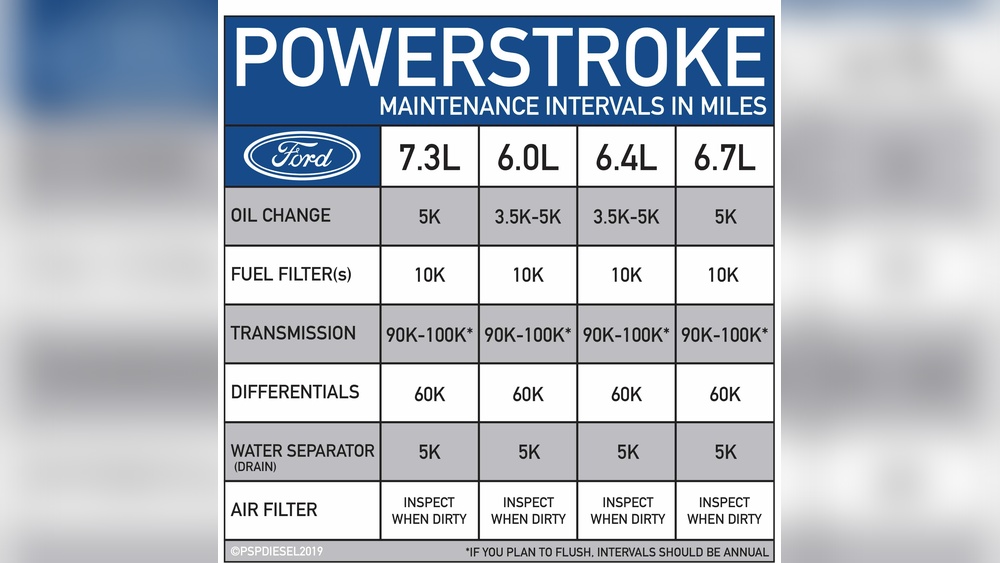
Replace the diesel fuel filter regularly. Check your vehicle’s manual for the exact interval. Usually, changing it every 15,000 to 25,000 miles works well. Sticking to this schedule prevents dirt buildup. Clean filters improve fuel flow and engine performance.
Fuel Quality Considerations
Use high-quality diesel fuel to protect the filter. Poor fuel contains more dirt and water. These contaminants clog the filter faster. Always buy fuel from trusted stations. Avoid filling up when tanks look dirty or contaminated.
Signs To Watch Post-change
After changing the filter, watch the engine closely. Look for rough idling or loss of power. Strange noises or difficulty starting also matter. These signs may indicate air leaks or installation issues. Fix any problems quickly to avoid damage.
Frequently Asked Questions
How Often Should I Change The Diesel Fuel Filter?
Change the diesel fuel filter every 10,000 to 25,000 miles. Check your vehicle’s manual for exact intervals. Regular replacement ensures engine efficiency and prevents fuel contamination.
What Tools Are Needed To Change A Diesel Fuel Filter?
You need a wrench, screwdrivers, a drain pan, and a new fuel filter. Some vehicles may require specific tools. Always wear gloves and safety glasses during the process.
Can I Change The Diesel Fuel Filter Myself Safely?
Yes, with proper tools and instructions, you can change it safely. Make sure the engine is cool and work in a well-ventilated area. Follow the vehicle’s manual step-by-step to avoid damage.
What Are Signs Of A Clogged Diesel Fuel Filter?
Symptoms include engine misfires, reduced power, rough idling, and difficulty starting. A clogged filter restricts fuel flow, affecting performance. Replace the filter immediately if these signs appear.
Conclusion
Changing the diesel fuel filter keeps your engine running clean. It helps prevent dirt and debris from causing damage. Regular filter changes improve fuel efficiency and engine life. The steps are simple and can save you money. A clean filter means better performance and fewer repairs.
Take time to check your filter often. Keep your diesel engine healthy with this easy task. Your vehicle will thank you.