

If you drive a Ford Transit with a diesel engine, you know how important it is to keep it running smoothly. One key part that often gets overlooked is the diesel fuel filter.
Over time, it can clog up and cause your engine to struggle or even stop working. But don’t worry—you can save time and money by changing the fuel filter yourself. In this guide, you’ll learn exactly how to do it step-by-step.
By the end, you’ll feel confident maintaining your van and avoiding costly repairs. Ready to get started? Let’s dive in!
Tools And Materials Needed
Changing the diesel fuel filter on a Ford Transit requires specific tools and materials. Having the right items makes the job easier and safer. Prepare everything before starting the task.
Each tool plays an important role. The materials ensure the filter changes properly without leaks or damage. This section lists all essentials for a smooth process.
Replacement Diesel Fuel Filter
Choose a fuel filter made for your Ford Transit model. A good quality filter keeps your engine clean and running well. Check the vehicle manual for the correct part number.
Socket Set And Wrenches
A socket set helps remove bolts and clamps holding the filter. Wrenches assist in loosening tight fittings. Use sizes that fit your vehicle parts exactly.
Drain Pan
A drain pan catches diesel fuel that spills during the change. It prevents mess and protects the ground. Use a pan large enough to hold all fuel drained.
Clean Rags Or Paper Towels
Keep rags or paper towels nearby to wipe spills. Clean tools and hands often to avoid dirt entering the fuel system. Dispose of used rags safely.
Screwdriver Set
Screwdrivers help remove clamps or covers over the fuel filter. Have both flathead and Phillips types available. Choose sizes fitting the screws exactly.
Gloves And Safety Glasses
Wear gloves to protect your hands from fuel and dirt. Safety glasses protect your eyes from splashes. Safety gear keeps you safe during the whole job.
Credit: www.youtube.com
Locate The Diesel Fuel Filter
The diesel fuel filter in a Ford Transit is usually near the engine or under the vehicle. Finding it helps you prepare for a smooth filter change. Check your owner’s manual for the exact location.
Finding the diesel fuel filter in a Ford Transit is the first step. It helps keep dirt and water out of the engine. Clean fuel means better performance and less damage.
The fuel filter usually sits near the engine or under the vehicle. Knowing its location makes changing it faster and easier. It also helps avoid mistakes and spills.
Check Under The Hood
Open the hood and look near the engine. The fuel filter often hides around the fuel pump or fuel lines. It looks like a small cylinder or metal canister.
Look for a part with fuel lines attached to both ends. It might have clips or screws holding it in place. Some models have a clear plastic cover over the filter.
Look Under The Vehicle
Sometimes, the fuel filter sits under the van. Use a flashlight to see better. It often mounts on the frame or near the fuel tank.
Check for a metal or plastic canister with hoses connected. It should be easy to spot once you know what to look for. Be careful not to touch hot parts.
Use The Owner’s Manual
The manual tells exactly where the fuel filter is. It shows pictures and gives part names. This guide saves time and effort.
Look in the maintenance or engine sections. The manual also shows how to remove the filter safely. Keep it handy during the job.
Prepare The Vehicle
Preparing your Ford Transit before changing the diesel fuel filter is important. It helps avoid accidents and makes the process smoother. Taking the right steps ensures safety and protects the engine. Follow these simple instructions carefully.
Ensure Safety Precautions
Park your vehicle on a flat, stable surface. Turn off the engine and remove the key. Let the engine cool down to avoid burns. Wear gloves and safety glasses to protect your hands and eyes. Keep a fire extinguisher nearby. Avoid smoking or open flames around the vehicle. These steps reduce risks while working on the fuel system.
Relieve Fuel System Pressure
Open the fuel cap to release pressure in the tank. Locate the fuel pump fuse or relay in the fuse box. Remove it to stop the fuel pump from working. Start the engine and let it run until it stops. This uses up the fuel in the lines and lowers pressure. Turn off the ignition and disconnect the battery negative terminal. This prevents accidental sparks during the filter change.
Credit: www.fordservicecontent.com
Remove The Old Fuel Filter
Removing the old diesel fuel filter is an important step when changing the fuel filter on a Ford Transit. This step ensures that the new filter works properly and keeps the engine clean. Care and attention are needed to avoid spills and damage.
Start by handling the fuel lines carefully. These lines carry diesel fuel and can leak if not disconnected properly. After that, unscrew the filter housing to take out the old filter. Follow each step slowly and with care.
Disconnect Fuel Lines
Begin by locating the fuel lines connected to the filter. Use a wrench to loosen the clamps holding the lines in place. Pull the lines gently away from the filter. Keep a cloth nearby to catch any fuel that may drip. Avoid bending or twisting the lines too much.
Unscrew The Filter Housing
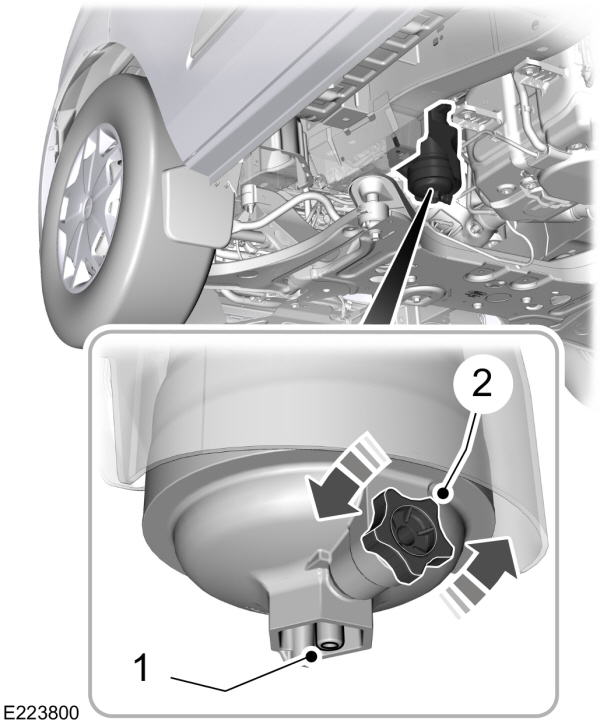
Use a filter wrench or the right tool to unscrew the filter housing. Turn it counterclockwise carefully. Remove the housing slowly to prevent fuel spills. Take out the old fuel filter from inside the housing. Check the housing for dirt or damage before installing the new filter.
Install The New Fuel Filter
Installing the new fuel filter is a key step to keep your Ford Transit running smoothly. This process ensures clean fuel reaches the engine, improving performance and preventing damage. Take your time to fit the filter correctly and reconnect all fuel lines with care. Proper installation avoids leaks and keeps the system sealed tight.
Fit The New Filter Correctly
Place the new fuel filter in the holder the same way the old one was. Check the arrow on the filter body. It must point in the direction of fuel flow. Push the filter firmly into position. Make sure it sits tight and does not move. A loose filter can cause leaks and poor engine function.
Reconnect Fuel Lines
Attach the fuel lines back to the new filter. Match each line to its original connection point. Press the connectors fully until you hear a click or feel resistance. Secure the lines with clamps if needed. Tight connections stop fuel from leaking and keep the system safe.
Prime The Fuel System
Priming the fuel system is an important step after changing the diesel fuel filter on your Ford Transit. It helps remove air trapped in the fuel lines and pump. Air in the system can stop the engine from starting or cause it to run poorly. Proper priming ensures the engine receives clean fuel and runs smoothly.
Follow these simple steps to prime the fuel system correctly. This will save time and prevent damage to your engine.
Locate The Primer Pump
Find the manual primer pump near the fuel filter housing. It is usually a small black or red bulb. Pressing this pump pushes fuel through the lines. Make sure it is not damaged or leaking before use.
Press The Primer Pump Slowly
Press the primer pump gently several times. You will feel resistance as air leaves the system. Continue until the pump feels firm and no air bubbles appear. This means fuel has filled the lines.
Check For Fuel Leaks
Look around the fuel filter and lines for any leaks. Tighten clamps or fittings if needed. Leaks can let air back into the system and cause problems.
Start The Engine
Turn the ignition key to start the engine. It may take a few tries. The engine should start and run smoothly without stalling. If it struggles, prime the system again.
Check For Leaks And Test
Checking for leaks and testing the fuel filter is an important step after installation. It ensures the filter works well and prevents engine issues. This step keeps your Ford Transit running smoothly and safely. Follow the instructions carefully to avoid fuel spills or damage.
Inspect Connections
Look closely at all fuel line connections around the new filter. Make sure each hose fits tightly on the filter’s inlet and outlet. Check clamps and seals for proper placement and tightness. Any loose connections can cause leaks or air to enter the fuel system.
Wipe around the filter to remove dirt and fuel residue. This helps spot fresh leaks quickly once the engine runs. Don’t skip this step for a safe and clean inspection.
Start The Engine And Monitor
Turn the ignition key to start the engine. Let the engine run for a few minutes at idle speed. Watch the filter area closely for any signs of fuel leaks or drips. Listen for unusual noises that may indicate air in the system.
Check the engine’s performance. It should run smoothly without hesitation or stalling. If you see leaks or hear odd sounds, turn off the engine immediately. Tighten connections and repeat the test until no problems appear.
Credit: www.fordservicecontent.com
Maintenance Tips
Proper maintenance keeps your Ford Transit running smoothly and saves costly repairs. Changing the diesel fuel filter on time protects the engine from dirt and water. Follow these simple tips to maintain the fuel filter and extend your vehicle’s life.
Regular checks and careful handling make the process easier and safer. Clean fuel means better performance and fewer problems on the road.
Check Fuel Filter Regularly
Inspect the fuel filter every 10,000 miles or as recommended. Look for dirt, rust, or water inside the filter. Early detection helps avoid engine damage and poor fuel flow.
Use Quality Diesel Fuel
Always fill up with clean, high-quality diesel fuel. Poor fuel can clog the filter faster and harm the engine. Avoid stations with bad reputations or unclear fuel sources.
Drain Water From The Filter
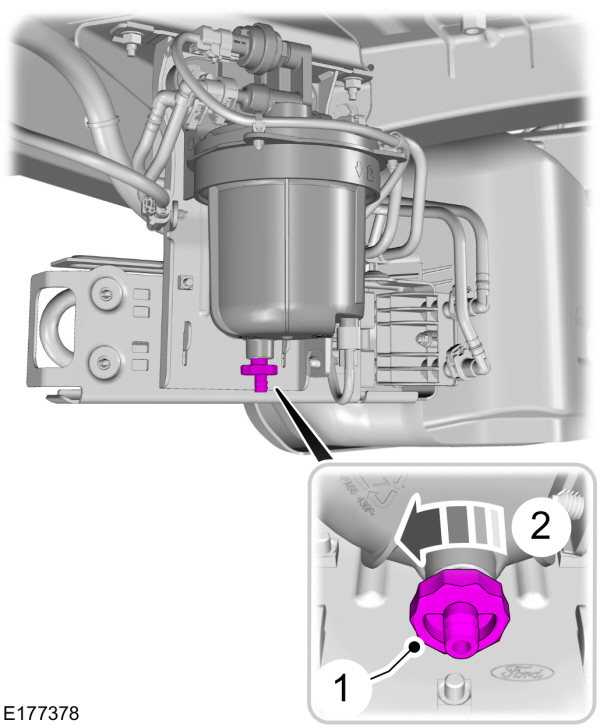
Water in the fuel filter causes rust and engine problems. Drain any water build-up frequently using the drain valve. This simple step keeps your engine safe and efficient.
Replace Filter On Time
Do not delay replacing the fuel filter. Follow the manufacturer’s schedule strictly. A worn filter reduces fuel flow and engine power, causing poor fuel economy.
Keep Tools And Area Clean
Clean tools and workspace prevent dirt from entering the fuel system. Wipe the filter housing and surrounding parts before replacement. This reduces the risk of contamination.
Frequently Asked Questions
How Often Should I Change The Diesel Fuel Filter On Ford Transit?
Ford recommends changing the diesel fuel filter every 20,000 to 30,000 miles. Regular changes keep the engine clean and prevent clogging. Check your owner’s manual for exact intervals based on your model and driving conditions.
What Tools Are Needed To Change Ford Transit Diesel Fuel Filter?
You will need a wrench, a new fuel filter, a container for old fuel, and gloves. Some models require a special fuel line disconnect tool. Always wear safety gear and work in a well-ventilated area.
Can I Change The Diesel Fuel Filter Myself On Ford Transit?
Yes, with basic mechanical skills, you can change it yourself. Follow safety steps, relieve fuel pressure, and avoid fuel spills. If unsure, consult a professional to prevent damage or injury.
What Are Signs Of A Clogged Diesel Fuel Filter In Ford Transit?
Common signs include engine misfires, reduced power, difficulty starting, and black smoke. Poor fuel flow causes these issues. Regular filter replacement prevents these problems and improves fuel efficiency.
Conclusion
Changing the diesel fuel filter on your Ford Transit helps keep the engine clean. A clean filter stops dirt and water from entering the fuel system. This keeps your van running smoothly and saves money on repairs. Regular filter changes improve fuel efficiency and engine life.
The steps are simple and take little time. Take care with safety and proper disposal of the old filter. Keep an eye on your filter’s condition to avoid problems. Your Ford Transit will thank you with better performance and fewer breakdowns.


