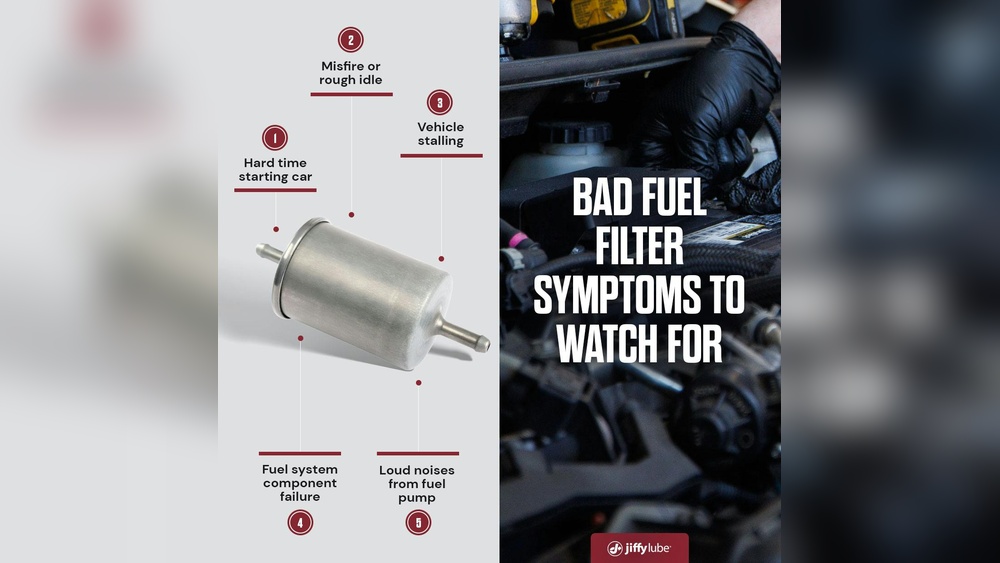
If your Ford is not running as smoothly as it used to, a clogged fuel filter could be the culprit. Changing your Ford’s fuel filter might sound tricky, but with the right steps, you can do it yourself and save time and money.
In this guide, you’ll learn exactly how to change your Ford fuel filter safely and easily. Keep reading, and by the end, you’ll have the confidence to tackle this simple maintenance task on your own.
_1200x1200.png)
Credit: sinisterdiesel.com
Signs Of A Clogged Fuel Filter
A clogged fuel filter affects your Ford’s performance. It blocks fuel flow to the engine. This causes several noticeable problems. Spotting these signs early can save costly repairs.
Reduced Engine Power
Your Ford may lose power during driving. The engine struggles to get enough fuel. This makes acceleration slow and weak. You might feel the car lag on hills or highways. The fuel filter may be clogged, restricting fuel flow.
Difficulty Starting
The engine may take longer to start. It might crank but fail to ignite quickly. Fuel blockage limits the amount reaching the engine. This makes starting your Ford hard. A clogged fuel filter can cause this delay.
Engine Stalling
The engine may suddenly stop while driving. Stalling happens because fuel supply is inconsistent. A dirty fuel filter cannot keep fuel flowing smoothly. This causes the engine to cut out unexpectedly. Pay attention if your Ford stalls often.
Tools And Materials Needed
Changing the fuel filter on your Ford requires some basic tools and materials. Having the right items ready makes the job easier and safer. This guide lists everything you need for a smooth replacement.
Replacement Fuel Filter
Choose the correct fuel filter for your Ford model. Check the owner’s manual or ask at an auto parts store. Using the right filter ensures your engine runs well. Avoid cheap or wrong parts. A proper filter keeps fuel clean and protects the engine.
Wrenches And Screwdrivers
Get a set of wrenches and screwdrivers. You will need them to remove clamps and bolts. A flathead screwdriver often helps loosen hose clamps. A wrench or socket set fits fuel line fittings. Use tools that fit well to avoid damage.
Safety Equipment
Wear safety glasses to protect your eyes from fuel splashes. Use gloves to keep your hands clean and safe. Have a container ready to catch any fuel spills. Work in a well-ventilated area to avoid inhaling fumes. Safety comes first during this task.
Preparing Your Vehicle
Start by parking your Ford on a flat surface and turning off the engine. Gather all tools and safety gear before opening the hood. Disconnect the battery to avoid any electrical issues while changing the fuel filter.
Before changing the fuel filter on your Ford, prepare your vehicle carefully. Proper preparation keeps you safe and makes the job easier. Take time to get everything ready.
Follow these steps to prepare your vehicle. They will help you avoid accidents and damage during the process.
Park On A Level Surface
Find a flat, level spot to park your Ford. This stops the car from moving unexpectedly. It also helps the fuel system stay stable. Use the parking brake for extra safety.
Relieve Fuel System Pressure
Fuel lines hold pressure that can spray fuel if opened suddenly. To prevent this, relieve the pressure first. Locate the fuel pump fuse and remove it. Start the engine and let it run until it stops. This empties the fuel from the lines safely.
Disconnect The Battery
Always disconnect the battery before working on the fuel system. This stops sparks that could ignite fuel. Use a wrench to remove the negative terminal cable. Keep the cable away from the battery to avoid contact.

Credit: www.youtube.com
Locating The Fuel Filter
Finding the fuel filter on your Ford is the first step to changing it. The fuel filter cleans dirt and rust from the fuel before it reaches the engine. Knowing its location saves time and effort during replacement. The filter can be in different spots depending on your Ford model and year.
Under The Vehicle
Many Ford models have the fuel filter mounted under the vehicle. It often sits along the frame rail or near the fuel lines. Look for a small metal or plastic canister connected to fuel lines. Use a jack to safely lift the car and inspect underneath. Be cautious of hot parts and moving components.
Near The Fuel Tank
Some Ford vehicles place the fuel filter close to the fuel tank. It might be inside a protective housing or attached outside. This location helps filter fuel right before it moves to the engine. Check around the rear wheel well or under the back of the vehicle. The filter may look like a small cylinder with two fuel lines attached.
Consulting The Owner’s Manual
The owner’s manual gives exact details for your Ford model. It shows the fuel filter location and removal steps. Manuals often include pictures or diagrams for easy understanding. This is the best source for accurate and model-specific information. Keep the manual handy before starting any work on your vehicle.
Removing The Old Fuel Filter
Removing the old fuel filter is an important step in replacing it. It helps keep your Ford’s fuel system clean. This process needs care to avoid fuel spills and damage. Follow these clear steps to remove the old filter safely.
Loosen Fuel Lines
First, locate the fuel lines attached to the filter. Use a wrench to loosen the fittings carefully. Turn slowly to avoid breaking the lines. Keep a rag nearby to catch any fuel drips. Work in a well-ventilated area to avoid fumes.
Remove Mounting Bracket
Next, find the mounting bracket holding the fuel filter. Use a socket or screwdriver to remove the bolts. Keep the hardware safe for reinstallation. Gently pull the filter out of the bracket. Avoid twisting to prevent fuel line damage.
Handle Fuel Spillage
Fuel may leak during removal. Use a container to catch any dripping fuel. Wipe spills immediately to prevent fire hazards. Dispose of soaked rags safely. Keep a fire extinguisher nearby as a precaution.
Installing The New Fuel Filter
Installing the new fuel filter is a crucial step in maintaining your Ford’s fuel system. This process ensures that the fuel flows smoothly and keeps the engine running well. Follow these simple steps carefully to install the filter correctly and avoid any leaks or damage.
Check Filter Direction
Look at the new fuel filter for an arrow or label. This arrow shows the direction of fuel flow. Make sure the arrow points toward the engine. Installing the filter backward can stop fuel flow and cause engine problems.
Attach Fuel Lines Securely
Push the fuel lines firmly onto the filter’s connectors. The lines must fit tightly to avoid leaks. Use clamps or clips if your filter has them. Loose connections can cause fuel to spill or the engine to stall.
Tighten Mounting Bracket
Secure the fuel filter in place with the mounting bracket. Use a wrench or screwdriver to tighten the bracket firmly. A loose filter can vibrate and damage the fuel lines or filter itself. Check that the filter does not move after tightening.
Testing The Fuel System
Testing the fuel system is an important step after changing the fuel filter on your Ford. It ensures that the system works properly and that fuel flows correctly. This step helps avoid problems like leaks or engine issues. Follow these simple actions to check the fuel system safely.
Reconnect Battery
First, reconnect the battery terminals. Make sure the connections are tight and clean. This restores power to the vehicle and allows you to start the engine. Be careful to avoid sparks or short circuits during this step.
Start The Engine
Next, start the engine and listen carefully. The engine should start smoothly without hesitation. If it struggles or stalls, the fuel system might need more checks. Let the engine run for a few minutes to stabilize fuel flow.
Check For Leaks
Finally, inspect the fuel lines and filter area for leaks. Look for any wet spots or strong fuel smells. Leaks can be dangerous and reduce engine performance. Tighten connections or replace parts if you find any leaks.

Credit: colombo-arredamenti.com
Maintenance Tips For Fuel Filter
Maintaining your Ford’s fuel filter is key to keeping the engine healthy. A clean fuel filter stops dirt and debris from reaching the engine. This helps the engine run smoothly and saves you from costly repairs. Follow these simple tips to care for your fuel filter and extend its life.
Regular Replacement Schedule
Change the fuel filter regularly as recommended in your Ford’s manual. Most filters need replacement every 20,000 to 30,000 miles. Sticking to this schedule keeps fuel flowing freely and avoids clogs. Don’t wait for signs of trouble to replace it.
Using Quality Fuel
Use good quality fuel from trusted stations. Poor fuel can contain dirt and water that clog the filter fast. Clean fuel helps the filter last longer and protects the engine. Avoid cheap or unknown fuel sources to reduce filter problems.
Monitoring Performance
Watch how your car runs. Slow acceleration, rough idling, or stalling may mean a dirty filter. Pay attention to warning lights or unusual engine sounds. Early checks can prevent serious engine damage and keep your Ford running well.
Frequently Asked Questions
How Often Should I Change My Ford Fuel Filter?
Ford fuel filters typically need replacement every 20,000 to 30,000 miles. Check your owner’s manual for specific intervals. Regular changes prevent clogging and maintain fuel efficiency. Timely replacement avoids engine performance issues and prolongs fuel system life.
What Tools Are Needed To Change Ford Fuel Filter?
You will need a wrench, screwdrivers, fuel line disconnect tool, and safety gloves. Having a container to catch fuel spills is also important. Proper tools ensure a safe and efficient fuel filter replacement process.
Can I Change The Fuel Filter Myself Safely?
Yes, changing a Ford fuel filter is doable with basic mechanical skills. Always relieve fuel system pressure and work in a well-ventilated area. Follow safety precautions to avoid fuel leaks and fire hazards during the process.
Where Is The Fuel Filter Located On A Ford?
The fuel filter is usually located along the fuel line under the vehicle or inside the engine bay. Location varies by model and year. Consult your Ford’s manual or service guide to find the exact position for easy access.
Conclusion
Changing your Ford fuel filter keeps your engine running smooth. A clean filter helps stop dirt from reaching the engine. Regular changes can improve fuel efficiency and prevent problems. Follow the steps carefully and take your time. Doing this job yourself saves money and gives you confidence.
Keep track of when to change the filter next. Your Ford will thank you with better performance and fewer issues. Simple care makes a big difference in the long run.