

Your car’s fuel filter plays a quiet but crucial role in keeping your engine running smoothly. But how do you know when it’s time to replace it?
Ignoring this small part can lead to big problems, like poor engine performance or even costly repairs. If you’ve noticed your car acting up or you’re just unsure about when to change the fuel filter, this guide is for you.
Keep reading to learn the clear signs and easy steps to know exactly when your fuel filter needs a replacement—so you can avoid surprises and keep your vehicle in top shape.
Role Of A Fuel Filter
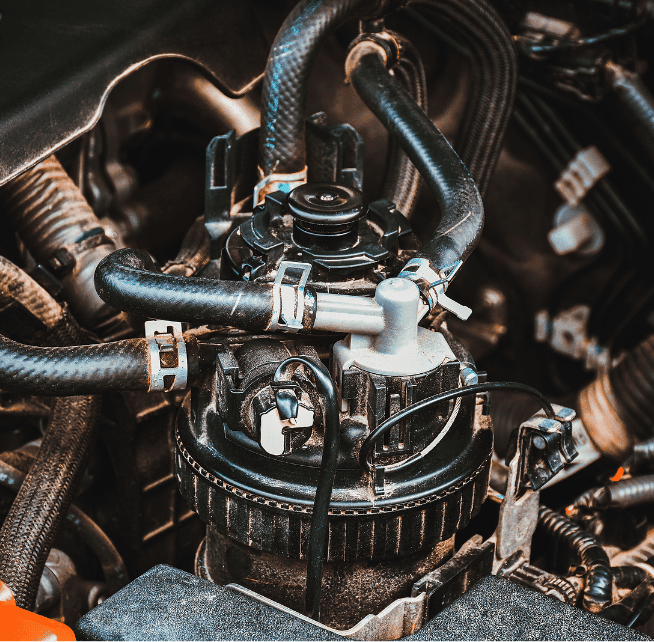
The fuel filter plays a vital role in your vehicle’s engine system. It cleans the fuel before it reaches the engine. Dirt, rust, and other particles can enter the fuel tank. The fuel filter blocks these contaminants from damaging the engine.
Clean fuel helps the engine run smoothly and efficiently. A clogged fuel filter can reduce fuel flow. This leads to poor engine performance and higher fuel consumption. The filter also protects fuel injectors and fuel pumps from wear.
The Fuel Filter’s Job
The fuel filter traps dirt and debris in the fuel. It stops these harmful particles from entering the engine. This helps prevent engine damage and keeps the vehicle running well. The filter ensures only clean fuel reaches the engine parts.
Protecting The Engine
The fuel filter protects critical engine parts. Fuel injectors and pumps are sensitive to dirt. A bad filter lets particles through, causing damage. This can lead to costly repairs and engine failure. The filter extends the engine’s life.
Impact On Vehicle Performance
A clean fuel filter keeps fuel flowing well. This helps the engine start easily and run smoothly. A dirty filter reduces fuel flow. The engine may sputter, stall, or lose power. Fuel efficiency also drops with a clogged filter.
Credit: branchautomotive.com
Common Signs Of A Clogged Fuel Filter
A clogged fuel filter can cause serious problems in your vehicle. It stops fuel from reaching the engine properly. This issue can lead to poor performance and damage. Knowing the signs helps catch the problem early. It saves time and money on repairs.
Watch for changes in how your car runs. These signs often show before a full breakdown. Pay attention to small problems that seem unusual. They often point to a blocked fuel filter.
Engine Misfires
Engine misfires happen when fuel flow is uneven. The engine may jerk or shake during driving. This happens because the fuel filter blocks fuel supply. The spark plugs do not get enough fuel to burn. Misfires often grow worse over time.
Reduced Power And Acceleration
Your car may feel weak or slow. It struggles to speed up or climb hills. This happens as less fuel reaches the engine. The clogged filter stops enough fuel from passing. The engine cannot perform at full power.
Difficulty Starting The Engine
The engine takes longer to start or fails to start. This occurs because fuel flow is limited. The fuel filter blocks the path to the engine. Without enough fuel, the engine cannot ignite quickly. Starting problems often indicate a clogged filter.
Unusual Engine Noises
Listen for strange sounds from the engine. It may cough, sputter, or run roughly. These noises occur when fuel supply is uneven. The clogged filter causes the engine to work harder. Strange noises are a warning sign of trouble.
Fuel Efficiency And Filter Issues
Fuel filters play a key role in keeping your engine clean. They stop dirt and rust from entering the fuel system. Over time, these filters can get clogged. This affects how well your car uses fuel.
Fuel efficiency drops when the filter is blocked. The engine works harder to get fuel. This uses more gas and lowers performance. Recognizing the signs can save money and avoid bigger repairs.
Signs Of Reduced Fuel Efficiency
Notice your car uses more fuel than before. The engine might feel sluggish or slow. You may see a drop in miles per gallon. These signs suggest the fuel filter may be clogged.
Effects Of A Dirty Fuel Filter On Engine Performance
A dirty filter restricts fuel flow to the engine. This causes rough idling and poor acceleration. The engine might stall or hesitate during driving. These problems often mean the fuel filter needs replacing.
Fuel Filter Maintenance Tips
Check your vehicle’s manual for replacement intervals. Regular maintenance helps prevent fuel system issues. Changing the filter on time keeps fuel flowing well. It improves engine life and saves fuel costs.
Credit: www.bigboxcars.com.au
Visual Inspection Tips
Performing a visual inspection on your fuel filter helps spot issues early. It shows signs that the filter may need replacement. This simple check can save your vehicle from bigger problems. Here are some tips on what to look for during the inspection.
Checking For Dirt And Debris
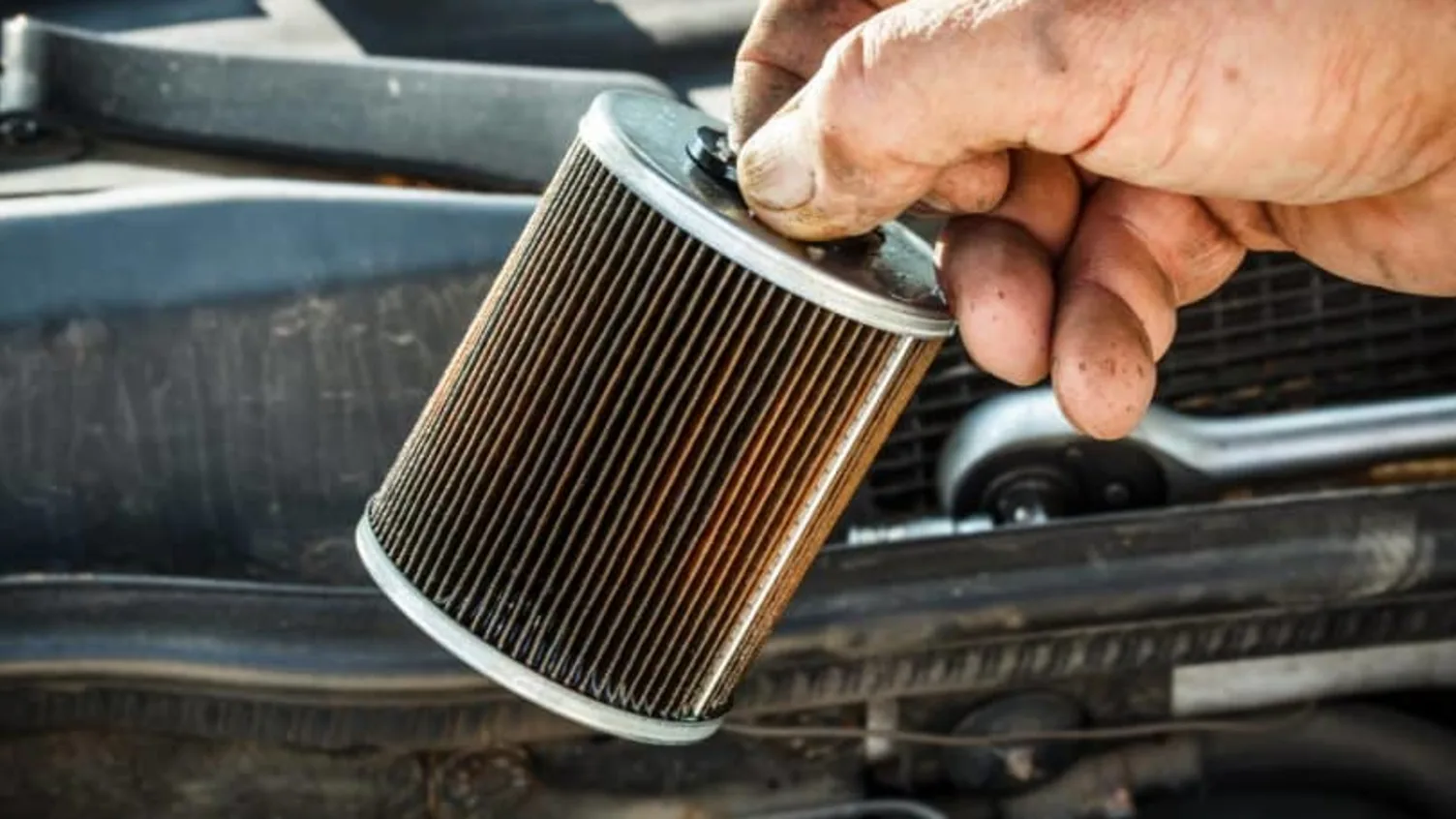
Start by examining the outside of the fuel filter. Look for any dirt, dust, or debris buildup. A clogged filter often collects visible particles. These can block fuel flow and reduce engine performance. Remove any loose dirt with a clean cloth. Persistent grime might mean the filter is too dirty inside. This condition usually requires a replacement.
Fuel Filter Condition Indicators
Some fuel filters have built-in indicators or clear housings. These help you see the filter’s condition without removal. Check for discoloration or dark fuel inside the filter. This shows trapped contaminants and clogging. Also, look for cracks or damage on the filter body. A damaged filter can leak or fail completely. Any sign of wear means it is time to replace the filter.
Maintenance Schedules And Mileage
Maintenance schedules and mileage play a key role in knowing when to replace a fuel filter. Following these helps keep the engine clean and running well. A clogged fuel filter can reduce fuel flow, causing poor engine performance.
Car makers provide recommended intervals for changing the fuel filter. These intervals usually depend on the miles driven or time passed. Sticking to these helps avoid costly repairs and keeps fuel efficiency high.
Understanding Manufacturer’s Recommendations
Every vehicle has a suggested mileage for fuel filter replacement. This number often ranges between 20,000 and 40,000 miles. Check the owner’s manual for specific guidelines. Following this advice helps prevent dirt build-up in the filter.
Signs To Replace Before Scheduled Mileage
Sometimes the filter needs changing sooner than the schedule. Symptoms include engine hesitation, hard starts, and poor acceleration. If these appear, inspect the fuel filter quickly. Replacing it can stop further engine damage.
Adjusting For Driving Conditions
Driving in dusty or rough areas can clog the filter faster. Frequent short trips or stop-and-go traffic also stress the fuel system. In these cases, reduce the replacement interval. Check the filter more often to maintain smooth engine performance.
Risks Of Delaying Fuel Filter Replacement
Delaying the replacement of a fuel filter can cause serious problems for your vehicle. The fuel filter keeps dirt, rust, and other particles from reaching the engine. Over time, the filter gets clogged and less effective. This can hurt your car’s performance and damage important parts.
Ignoring a dirty fuel filter often leads to higher repair costs. Small issues become bigger when the fuel system is stressed. Your car may struggle to start or run smoothly. Understanding the risks helps you avoid these troubles.
Reduced Engine Performance
A clogged fuel filter limits fuel flow to the engine. This causes poor acceleration and rough idling. The engine may stall or hesitate during driving. Fuel supply problems reduce overall power and efficiency.
Increased Fuel Consumption
The engine works harder with a blocked fuel filter. This uses more fuel than usual. Your car will need gas more often, which costs extra money. Poor fuel economy is a clear sign of filter issues.
Damage To Fuel Pump
The fuel pump strains to push fuel through a dirty filter. Over time, this strain causes pump failure. Replacing a fuel pump is expensive and takes time. Protect the pump by changing the fuel filter regularly.
Engine Misfires And Stalling
Dirty fuel filters cause inconsistent fuel delivery. This leads to engine misfires and sudden stalling. Driving becomes unsafe and frustrating. Fixing the filter can prevent these dangerous problems.
Choosing The Right Replacement Filter
Choosing the right replacement fuel filter is important for your vehicle’s health. A good filter keeps dirt and debris out of the engine. This helps the engine run smoothly and last longer.
Many fuel filters look similar, but not all fit or work well in every car. Picking the wrong one can cause poor performance or damage. Knowing how to select the right filter saves time and money.
Check Your Vehicle’s Manual
The car manual shows the exact type of fuel filter needed. It lists part numbers and specifications. Using the manual ensures you get a filter that fits perfectly.
Consider Filter Material
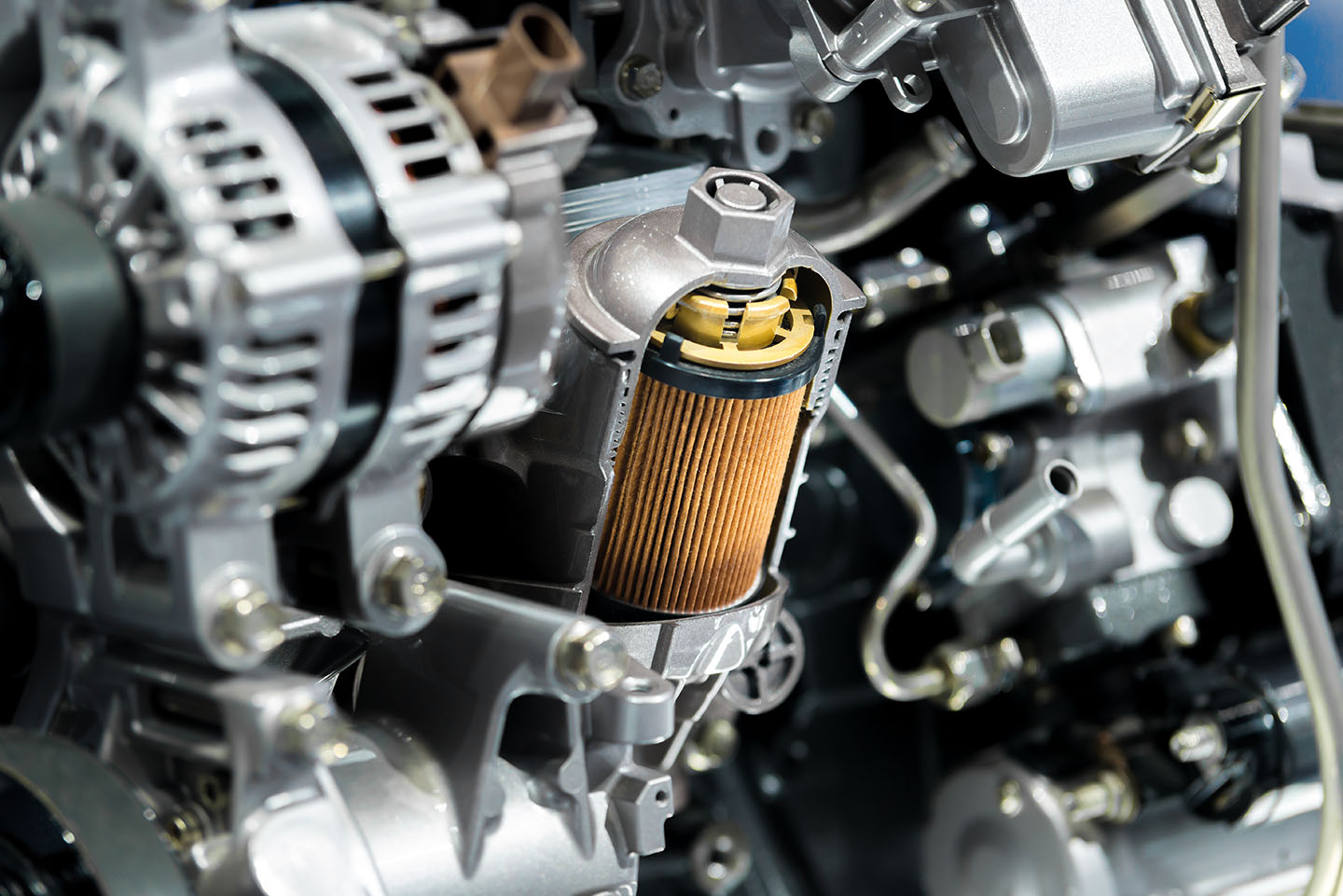
Fuel filters come in paper, synthetic, or metal materials. Paper filters are common and affordable. Synthetic filters last longer and trap smaller particles. Choose a material that matches your driving conditions.
Match The Filter Size And Shape
The replacement filter must match the original size and shape. A wrong size can cause leaks or poor fuel flow. Measure or compare the new filter carefully before buying.
Look For Quality Brands
Choose filters from trusted brands known for quality. Cheap filters may fail early or not filter well. A quality filter protects your engine and improves fuel efficiency.
Consider Fuel Type Compatibility
Some filters work better with gasoline, others with diesel. Make sure the filter matches your fuel type. Using the wrong filter can clog or damage your fuel system.
Credit: bostechauto.com
Diy Replacement Vs Professional Service
Deciding between a DIY fuel filter replacement and professional service depends on several factors. Understanding these options helps you choose the best approach for your vehicle’s needs and your skills.
Changing a fuel filter yourself can save money and offer a learning experience. A professional service guarantees the job is done correctly and safely. Consider your comfort level with tools and car parts before starting the task.
Diy Fuel Filter Replacement
Replacing a fuel filter by yourself requires basic tools and some car knowledge. It involves locating the fuel filter, removing old parts, and installing a new one. This task may take 30 to 60 minutes depending on your experience.
Wear safety glasses and gloves to protect against fuel spills. Make sure the engine is cool before starting. Follow your vehicle’s manual for specific instructions and precautions.
DIY can be rewarding but risks include improper installation or damage. If unsure, consider professional help to avoid costly mistakes.
Professional Fuel Filter Service
Professionals have the right tools and experience to replace fuel filters quickly. They can spot other potential fuel system issues during the service. This helps prevent future problems and saves money in the long run.
Professional service is safer, especially for complex or hard-to-reach filters. It offers peace of mind knowing the job meets industry standards.
Costs vary but usually include labor and parts. This option suits those who prefer convenience or lack mechanical skills.
Frequently Asked Questions
How Often Should You Replace A Fuel Filter?
Typically, replace your fuel filter every 20,000 to 40,000 miles. Check your vehicle’s manual for specific intervals. Regular replacement prevents clogging and ensures optimal engine performance. Ignoring it can cause poor fuel flow and engine issues.
What Are Signs Of A Clogged Fuel Filter?
Common signs include engine misfires, stalling, reduced power, and poor acceleration. You may also notice difficulty starting your vehicle. These symptoms indicate restricted fuel flow, often caused by a clogged fuel filter. Timely replacement can prevent engine damage.
Can A Dirty Fuel Filter Cause Engine Problems?
Yes, a dirty fuel filter restricts fuel flow, causing engine misfires and poor performance. It can lead to stalling and reduced fuel efficiency. Replacing the filter restores proper fuel delivery, improving engine reliability and longevity.
Is It Safe To Drive With A Bad Fuel Filter?
Driving with a bad fuel filter is risky. It can cause engine stalling and poor acceleration, increasing accident risk. Prompt replacement ensures safe vehicle operation and prevents costly engine repairs. Always address fuel filter issues quickly.
Conclusion
A clean fuel filter keeps your engine running smooth. Watch for signs like poor acceleration or strange noises. Changing the filter on time helps avoid bigger problems. Regular checks save money and prevent breakdowns. Trust your car’s manual for the best schedule.
Taking care of the fuel filter means better fuel use and longer engine life. Don’t wait until issues appear. Stay ahead with simple maintenance. Your car will thank you.


