

Is your car acting up, but you’re not sure why? One common culprit might be your fuel filter.
When your fuel filter gets clogged, it can slow down your engine and cause all sorts of problems. But how do you know if that’s what’s going on? You’ll discover the clear signs of a clogged fuel filter and simple ways to check it yourself.
Keep reading to avoid costly repairs and get your vehicle running smoothly again.
Common Signs Of A Clogged Fuel Filter
Recognizing the common signs of a clogged fuel filter helps avoid serious car problems. A blocked filter restricts fuel flow, causing many engine issues. These signs often appear early and warn you to check the fuel filter.
Engine Performance Issues
A clogged fuel filter makes your engine run poorly. You might notice less power during acceleration. The engine may feel weak or rough. This happens because not enough fuel reaches the engine.
Difficulty Starting The Engine
Hard starts can signal a fuel filter problem. The engine struggles to get fuel at startup. It may take several tries before the engine fires. Fuel flow is limited, causing delays in ignition.
Stalling And Hesitation
Frequent stalling or hesitation while driving is a warning sign. The engine may suddenly stop or hesitate to move. This happens when fuel supply is interrupted. It makes driving unsafe and unpredictable.
Reduced Fuel Efficiency
A clogged fuel filter can lower your gas mileage. The engine works harder to get fuel. This extra effort uses more fuel than usual. You may notice more visits to the gas station.
Unusual Engine Noises
Strange sounds from the engine can indicate fuel flow problems. You might hear sputtering or knocking noises. These sounds occur when the engine lacks fuel. They suggest the fuel filter needs attention.
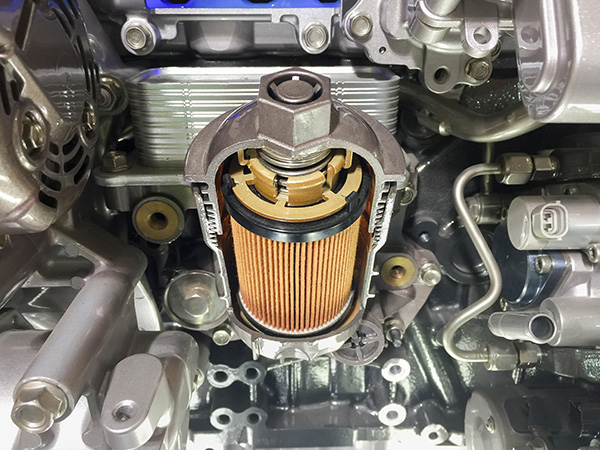
Credit: qtucarcare.com
Causes Of Fuel Filter Clogging
Fuel filter clogging happens for several reasons. Knowing these causes helps keep your car running smoothly. Dirt and debris block the filter, stopping fuel flow. This can cause engine problems and poor performance. Understanding what clogs the fuel filter can save time and money.
Contaminated Fuel
Fuel can contain dirt, rust, or water. These impurities enter the fuel tank during refueling. Poor quality fuel often has more contaminants. Contaminants stick inside the fuel filter. Over time, they build up and block fuel flow.
Old Or Worn Fuel Filter
Fuel filters wear out with use. Old filters lose their ability to trap dirt. They become clogged as they catch more particles. A worn filter reduces fuel flow to the engine. Regular replacement keeps the filter effective and the engine healthy.
Environmental Factors
Dusty or dirty environments add more particles to fuel systems. Driving on rough or unpaved roads increases dirt intake. Moisture and temperature changes also affect the fuel filter. These conditions speed up clogging and damage the filter.
How To Check Your Fuel Filter
Checking your fuel filter helps keep your car running smoothly. A clogged fuel filter can cause engine problems and reduce fuel efficiency. Knowing how to check it saves time and money. Below are simple ways to check your fuel filter.
Visual Inspection
Start by locating the fuel filter. It is usually along the fuel line or near the fuel tank. Look for signs of dirt, rust, or damage on the filter. A dirty or damaged filter may need replacement. Make sure to turn off the engine before inspecting.
Fuel Pressure Testing
Fuel pressure testing shows if fuel flows properly through the filter. Use a fuel pressure gauge to measure pressure at the fuel rail. Low pressure can mean a clogged filter. Compare the reading with your car’s manual for correct pressure levels.
Professional Diagnostics
Some fuel filter problems need expert tools and knowledge. Mechanics use advanced diagnostics to test fuel flow and engine performance. They can detect hidden issues and suggest the right fix. Visiting a professional ensures accurate checks and safe repairs.
Steps To Replace A Clogged Fuel Filter
Replacing a clogged fuel filter is key to keeping your car running smoothly. The process is simple and takes little time. Follow these steps carefully to do the job right.
Gathering Necessary Tools
First, collect all tools needed for the job. You will need a new fuel filter, wrenches, screwdrivers, and a container for fuel spills. Have some rags ready to clean any mess. Also, wear gloves to protect your hands.
Safety Precautions
Safety is very important. Work in a well-ventilated area to avoid inhaling fumes. Make sure the engine is cool before starting. Disconnect the battery to prevent sparks. Keep a fire extinguisher nearby in case of emergencies.
Removing The Old Filter
Locate the fuel filter, usually near the fuel tank or engine. Use the wrenches to loosen the clamps or bolts holding it. Be careful as some fuel may spill out. Remove the old filter gently and dispose of it properly.
Installing The New Filter
Check the new filter for the correct size and direction. Place it in the same position as the old one. Tighten the clamps or bolts securely. Make sure all connections are tight to avoid leaks.
Testing After Replacement
Reconnect the battery and start the engine. Look and listen for leaks or unusual sounds. Let the engine run for a few minutes to check fuel flow. If everything works fine, the replacement is successful.
Preventing Fuel Filter Clogs
Preventing fuel filter clogs helps your engine run smoothly. A clean fuel filter stops dirt and debris from reaching the engine. This keeps fuel flowing well and avoids costly repairs. Simple steps can protect the fuel filter and improve your car’s performance.
Regular Maintenance Schedule
Change the fuel filter as your car’s manual suggests. Regular checks catch problems early. A fresh fuel filter keeps fuel clean. This prevents blockages that reduce engine power. Set reminders to stay on track with maintenance.
Using Quality Fuel
Choose fuel from trusted stations only. Low-quality fuel contains more impurities. These impurities can clog the fuel filter faster. Good fuel helps the filter last longer. It also improves engine efficiency and saves money.
Avoiding Contaminants
Keep your fuel tank clean and closed tightly. Dirt and water can enter through an open tank. Contaminants cause clogs and damage the filter. Avoid filling fuel near dusty or dirty areas. Use clean containers when adding fuel manually.

Credit: www.youtube.com

Credit: oilchangers.com
Frequently Asked Questions
What Are The Signs Of A Clogged Fuel Filter?
A clogged fuel filter causes engine misfires, poor acceleration, and difficulty starting. You may also notice engine stalling and reduced fuel efficiency. These symptoms indicate restricted fuel flow due to debris buildup in the filter.
How Does A Clogged Fuel Filter Affect Engine Performance?
A clogged fuel filter limits fuel supply to the engine. This results in weak acceleration, rough idling, and frequent stalling. The engine struggles to get enough fuel, causing performance to drop noticeably.
Can A Clogged Fuel Filter Cause Engine Stalling?
Yes, a clogged fuel filter can cause engine stalling. When fuel flow is blocked, the engine can’t maintain combustion. This results in sudden stalls, especially during acceleration or under load.
How Often Should I Replace My Fuel Filter?
Fuel filters generally need replacement every 20,000 to 40,000 miles. However, check your vehicle’s manual for exact intervals. Regular replacement prevents clogging and maintains smooth engine performance.
Conclusion
A clogged fuel filter can cause many car problems. Watch for slow acceleration, engine misfires, or trouble starting. Regular checks help keep your engine healthy and running smooth. Don’t ignore signs of a dirty fuel filter. Catching issues early saves time and money.
Stay alert and keep your car in top shape. Simple steps can prevent bigger repairs later. Trust your senses and act quickly when something feels off. Your car will thank you with better performance and reliability.


