Have you ever wondered how long your brake rotors should last before they need replacing? Your brake rotors play a crucial role in keeping you safe on the road, but many drivers don’t know when these parts start to wear out.
Knowing the lifespan of your brake rotors can save you money, prevent accidents, and keep your car running smoothly. You’ll discover the key signs of rotor wear, factors that affect their durability, and simple tips to extend their life. Keep reading to protect yourself and get the most from your brakes.
Credit: www.familyhandyman.com
What Are Brake Rotors
Brake rotors are a key part of a vehicle’s braking system. They help slow down or stop the car safely.
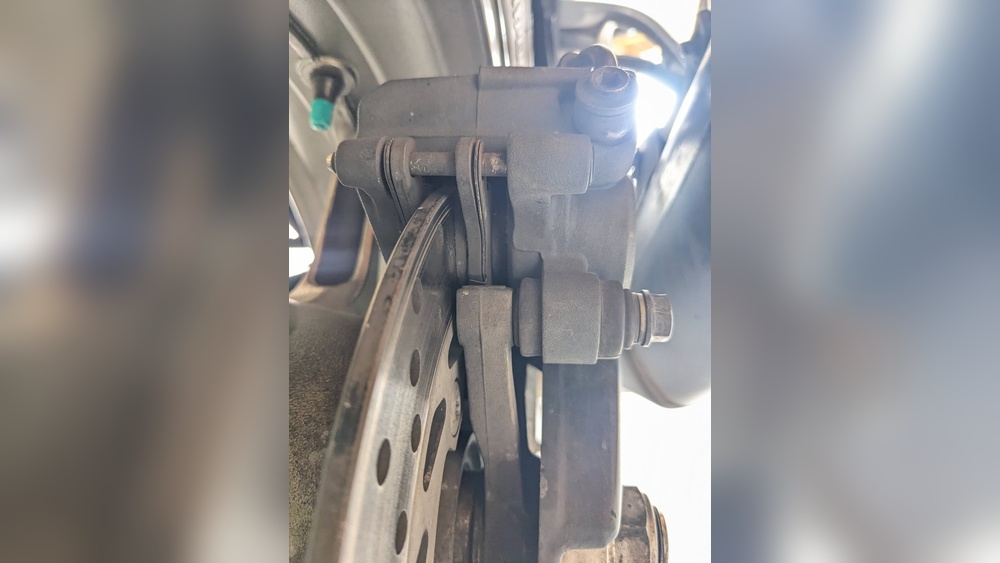
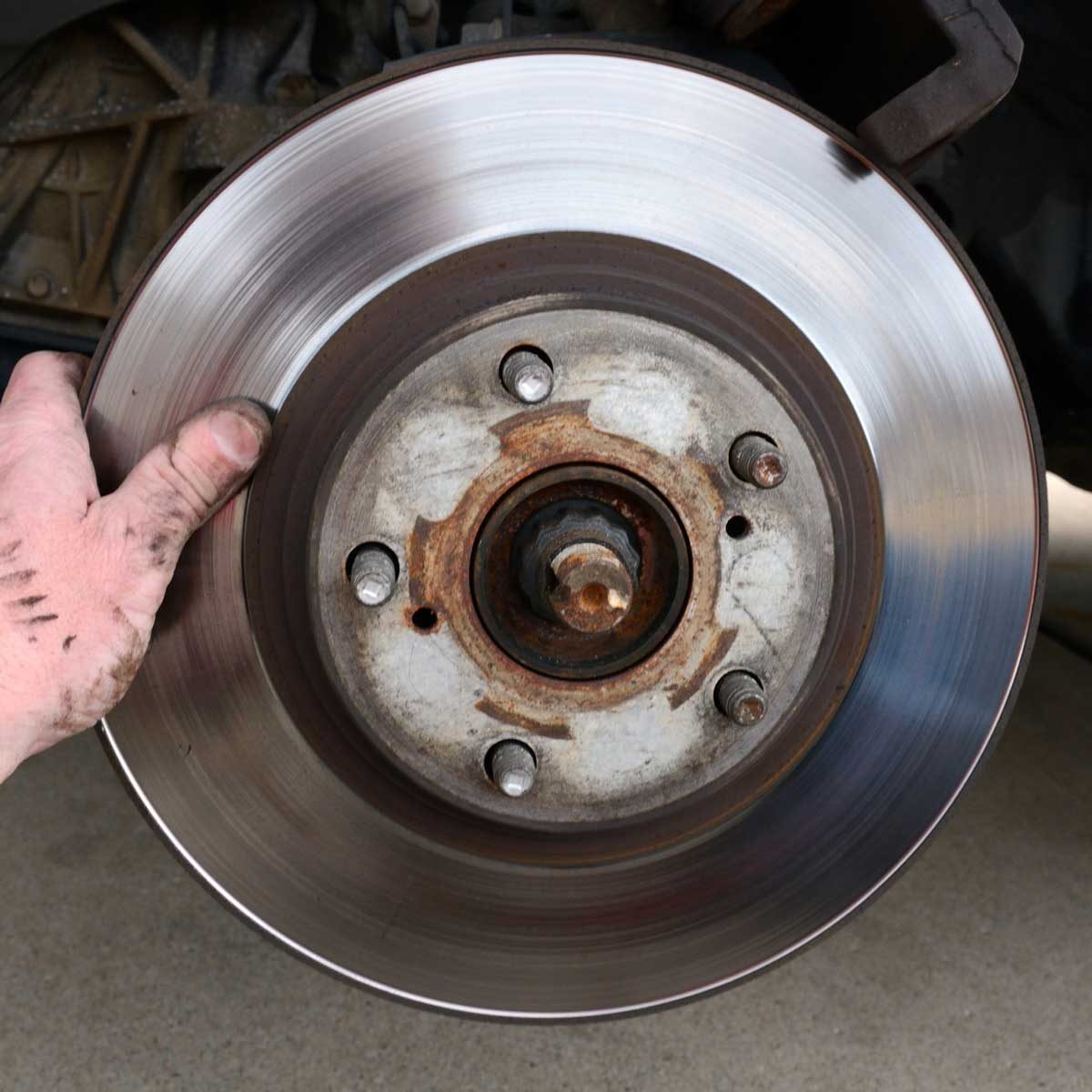
Rotors are round metal discs attached to the wheels. When you press the brake pedal, brake pads press against the rotors. This creates friction, which slows the wheel’s spin.
Brake rotors must be strong and heat resistant. They handle a lot of pressure and heat from braking. This makes sure your car stops smoothly and safely.
How Brake Rotors Work
Rotors work by creating friction with brake pads. The pads squeeze the rotors to slow the wheels. This friction turns the car’s movement into heat energy.
The heat then spreads out through the rotors. Good rotors cool down fast to avoid damage. This keeps brakes working well for a long time.
Types Of Brake Rotors
Brake rotors come in different types. Solid rotors are simple and common. They work well for everyday driving.
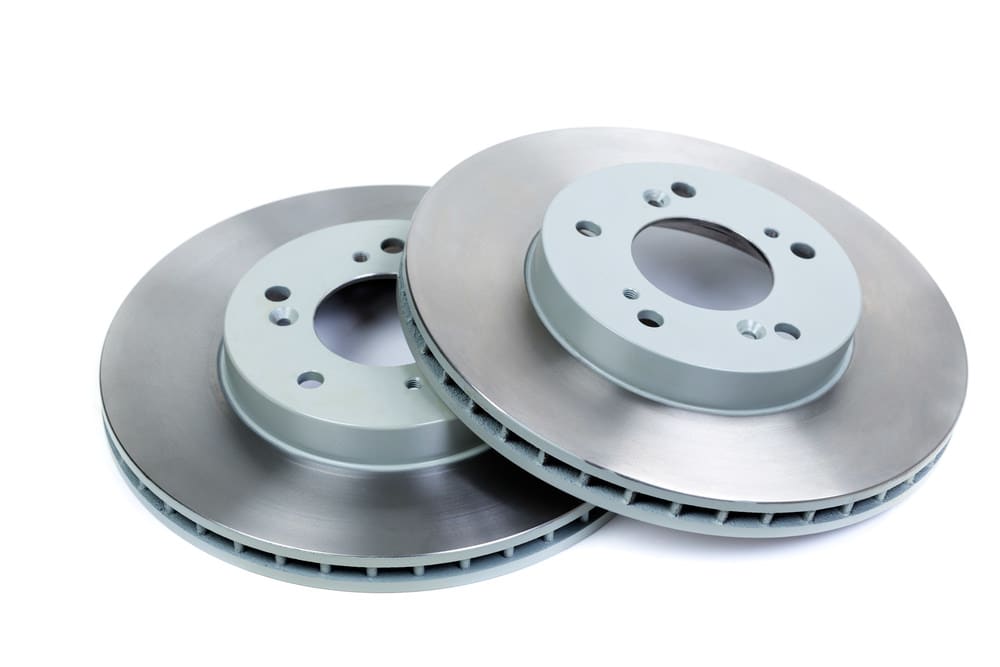
Vented rotors have air channels inside. These help cool the rotors faster. They suit heavier vehicles or sporty driving.
Slotted and drilled rotors have grooves or holes. These improve cooling and remove dust. They offer better performance but can wear faster.
Materials Used In Brake Rotors
Most brake rotors are made from cast iron. Cast iron is strong and handles heat well. It is also affordable.
Some high-performance rotors use carbon or ceramic. These materials are lighter and cool faster. They cost more but last longer under tough conditions.
Factors Affecting Rotor Lifespan
Brake rotors do not last the same for every driver or vehicle. Many factors change how long rotors stay effective. Understanding these factors helps you keep your brakes safe and strong. Some things wear down rotors faster than others. Knowing these helps you plan for rotor checks and replacements.
Driving Habits
How you drive affects rotor life a lot. Hard braking and fast stops wear rotors quicker. Riding the brakes on hills adds heat and damage. Smooth, gentle braking saves rotor material. Frequent city driving with many stops can wear rotors faster.
Vehicle Type
Different vehicles stress rotors differently. Heavy trucks and SUVs put more load on rotors. They wear down faster than small cars. Sports cars often use rotors that handle heat better. Your vehicle’s weight and power change rotor lifespan.
Rotor Material
Rotors come in various materials. Cast iron is common but wears faster. Composite or coated rotors resist wear and heat better. Some materials reduce noise and dust too. The rotor material affects how long it lasts under stress.
Environmental Conditions
Weather and road conditions impact rotors. Wet and salty roads cause rust and corrosion. Dusty or sandy roads increase rotor wear. Hot climates can make rotors heat up more. Cold weather might cause cracking or warping over time.
Average Lifespan Of Brake Rotors
Brake rotors are key parts of your car’s braking system. They help stop the wheels from spinning. Knowing how long brake rotors last helps plan car care. The average lifespan depends on many factors. These include driving habits, road conditions, and rotor quality. Understanding typical rotor life helps avoid sudden brake problems.
Brake rotors usually last several years but vary by use. They wear down as you brake over time. Regular checks keep your brakes safe and effective.
Mileage Expectations
Most brake rotors last between 30,000 and 70,000 miles. This range changes with how often you drive. City driving with lots of stops wears rotors faster. Highway driving causes less wear since braking is lighter. Heavy loads and towing shorten rotor life. Watch for signs like vibration or noise. These may mean rotor wear or damage.
Time-based Durability
Brake rotors also wear out over time, even without high mileage. Rust and corrosion affect rotor thickness and strength. A rotor might last 3 to 5 years with normal use. Cars not driven often may see faster corrosion. Moisture and salty roads increase rust risk. Regular inspections help spot wear before failure.

Credit: www.reddit.com
Signs Of Worn Or Damaged Rotors
Rotors are a key part of your vehicle’s braking system. They wear out over time and need replacing. Recognizing worn or damaged rotors helps keep you safe on the road. Watch for clear signs that show the rotors need attention. These signs often affect how your car feels and sounds when braking.
Vibration And Pulsation
You may feel a shaking or pulsing in the brake pedal. This happens when rotors get warped or uneven. The vibration grows stronger as you press the brake. It can also be felt through the steering wheel. Such shaking means the rotors are not smooth anymore.
Noise During Braking
Strange sounds while braking often point to rotor problems. Listen for squealing, grinding, or scraping noises. These sounds come from worn rotors or brake pads. Noise means the metal parts rub together without enough protection. Ignoring this can cause more damage and costly repairs.
Visual Damage
Look at the rotors through the wheel spokes for visible issues. Deep grooves, cracks, or rust patches show rotor damage. Warped or uneven surfaces also indicate wear. Any visible damage means the rotor is weaker and less effective. Replace damaged rotors to maintain safe braking.
Maintenance Tips To Extend Rotor Life
Brake rotors last longer with good care. Simple maintenance helps prevent damage and wear. Follow these tips to keep your rotors in good shape. This saves money and keeps driving safe.
Regular Inspections
Check your rotors often for cracks or grooves. Look for rust or uneven wear too. Early damage can get fixed before it worsens. Regular checks catch problems before they become big. Use a mechanic or learn to check yourself.
Proper Brake Pad Selection
Choose brake pads that fit your rotor type. Some pads wear rotors faster than others. Soft pads are gentle but wear quickly. Hard pads last longer but can damage rotors. Use pads made for your car model.
Avoiding Overheating
Heat wears rotors down fast. Avoid heavy braking on long downhill drives. Brake gently to reduce heat build-up. Give brakes time to cool after hard use. Overheating causes warping and cracks in rotors.
When To Replace Brake Rotors
Brake rotors play a key role in stopping your vehicle safely. Knowing when to replace them is important for your safety and car performance. Worn or damaged rotors can reduce braking power and increase stopping distance.
Regular checks help find signs of rotor wear early. Some signs mean it is time to replace the rotors to avoid accidents or further damage.
Thickness Limits
Rotors have a minimum thickness limit set by the manufacturer. This limit ensures the rotor can handle heat and pressure safely. Use a micrometer to measure rotor thickness. If the rotor is thinner than the limit, replace it immediately. Thin rotors can crack or warp easily under braking stress.
Warping And Cracking
Warped rotors cause vibration or shaking when braking. Cracks on the rotor surface are a serious safety risk. Both warping and cracks reduce braking efficiency. Replace rotors showing these signs to maintain smooth and safe braking.
Cost Vs. Safety
Rotors vary in price depending on car type and quality. Cheap rotors might save money short-term but wear out faster. Investing in good-quality rotors ensures longer life and better safety. Never compromise safety to save money on brake parts.
Types Of Brake Rotors And Their Durability
Brake rotors come in several types, each with different durability levels. Understanding these types helps in choosing the right rotor for your vehicle. Durability affects how long the rotors last before needing replacement. Here is a breakdown of common types of brake rotors and their lifespan.
Standard Cast Iron
Standard cast iron rotors are the most common type. They are affordable and perform well in everyday driving. Cast iron absorbs heat efficiently, which helps in braking. These rotors usually last between 30,000 and 70,000 miles. Their lifespan depends on driving habits and road conditions. They wear evenly but can rust if exposed to moisture.
Slotted And Drilled Rotors
Slotted and drilled rotors have grooves or holes on the surface. These features help to cool the brakes faster. They also improve water and dust removal during braking. These rotors are popular for sporty or heavy-duty vehicles. They tend to wear faster than standard rotors, lasting about 20,000 to 50,000 miles. Proper maintenance is important to avoid cracking.
Composite Rotors
Composite rotors combine different materials, like iron and aluminum. They are lighter than cast iron rotors, which improves vehicle performance. These rotors handle heat well and resist warping. Composite rotors often last longer, around 50,000 to 80,000 miles. They usually cost more but offer better durability and strength.
Credit: www.yourmechanic.com
Diy Rotor Care And Replacement
Taking care of brake rotors and replacing them at home saves money and time. It also helps you understand your car better. This guide explains how to do it safely and correctly.
Follow clear steps and use the right tools for good results. You can keep your brakes working well and avoid costly repairs.
Tools Needed
You will need a few tools to replace brake rotors. A jack and jack stands lift and support the car safely. A lug wrench removes wheel nuts. A socket set helps take off calipers and bolts. A C-clamp or brake piston tool pushes the brake pads back. A screwdriver or pry bar helps remove parts. Lastly, new brake rotors and pads complete the job.
Step-by-step Replacement Guide
Start by loosening the wheel nuts slightly. Use the jack to lift the car and place jack stands underneath. Remove the wheel nuts and take off the wheel. Next, remove the brake caliper bolts and carefully hang the caliper with a wire. Do not let it hang by the brake hose. Remove the old brake pads and take off the rotor. Clean the hub surface before installing the new rotor. Put the rotor in place and reinstall the brake pads and caliper. Tighten all bolts securely. Finally, put the wheel back on, tighten the nuts, and lower the car.
Safety Precautions
Always work on a flat, stable surface. Use jack stands; never rely on the jack alone. Wear gloves and eye protection to avoid injuries. Check that the car is stable before starting work. Avoid touching the rotor surface with greasy hands. Double-check all bolts are tight before driving. Test the brakes gently before normal driving. Keep children and pets away from the work area.
Professional Brake Rotor Services
Professional brake rotor services ensure your vehicle stops safely and smoothly. Rotors wear out over time and need expert care. Skilled mechanics check rotor thickness, surface condition, and brake performance. They can resurface or replace rotors to maintain proper braking. Regular professional service avoids costly repairs and keeps driving safe.
When To Seek Help
Listen for squealing or grinding noises during braking. Feel for vibrations or pulsing in the brake pedal. Notice longer stopping distances or warning lights on the dashboard. These signs suggest rotor problems. Visit a mechanic quickly to prevent further damage. Early detection saves money and improves safety.
What To Expect From A Mechanic
The mechanic will inspect rotors and brake pads carefully. They measure rotor thickness and check for warping. They may resurface the rotors or recommend replacement. The mechanic also tests the braking system for proper function. Expect clear explanations about needed repairs and costs. Trust their advice for safe, reliable brakes.
Frequently Asked Questions
How Long Do Brake Rotors Typically Last?
Brake rotors usually last between 30,000 to 70,000 miles. Their lifespan depends on driving habits, vehicle type, and rotor quality. Regular inspections help detect wear early and extend rotor life through timely maintenance.
What Factors Affect Brake Rotor Longevity?
Brake rotor life varies due to driving style, road conditions, and brake pad quality. Frequent heavy braking or downhill driving causes faster wear. Using high-quality pads and avoiding aggressive stops can significantly extend rotor lifespan.
How Can I Tell If My Brake Rotors Need Replacing?
Signs include vibrations during braking, squealing noises, or visible grooves on rotors. Warped or thin rotors reduce braking efficiency. Regular checks by a mechanic ensure timely replacement for safe driving.
Can I Extend Brake Rotor Life With Maintenance?
Yes, maintaining proper brake pad condition and avoiding harsh braking helps. Regularly flushing brake fluid and inspecting rotors prevent corrosion and wear. Proper maintenance maximizes rotor lifespan and ensures optimal brake performance.
Conclusion
Brake rotors usually last between 30,000 and 70,000 miles. This depends on driving style and road conditions. Regular checks help find wear early. Worn rotors can cause noise and poor braking. Changing rotors on time keeps your car safe. Keep an eye on brake performance and listen for sounds.
Simple care extends rotor life and saves money. Stay safe by replacing rotors when needed. Good brakes mean safer drives every time.