

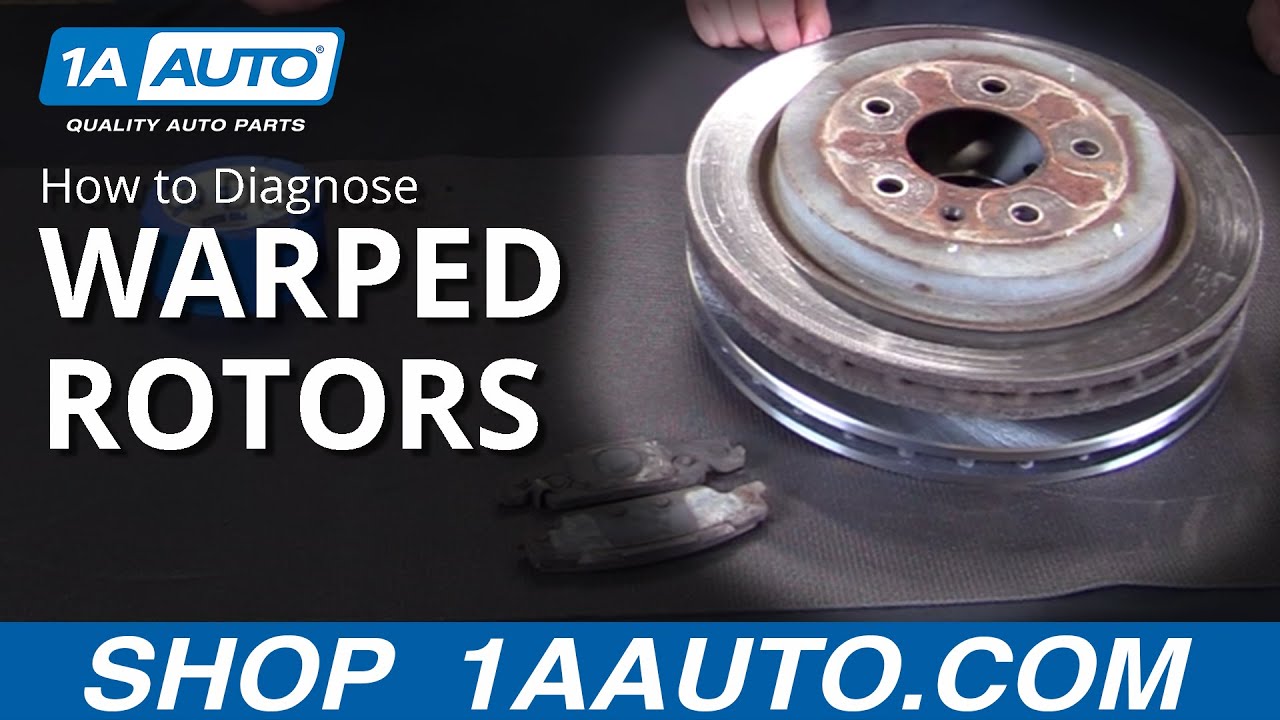
Have you ever felt a strange vibration or heard a pulsing sound when you press your brakes? These could be signs that your brake rotors are warped.
Knowing how to spot this problem early can save you money and keep you safe on the road. You’ll learn the simple ways to tell if your brake rotors need attention. Keep reading to protect your car and avoid costly repairs.
Credit: www.youtube.com
Symptoms Of A Warped Brake Rotor
Warped brake rotors cause several noticeable problems while driving. These issues affect your safety and the car’s performance. Detecting symptoms early helps avoid costly repairs and dangerous situations. Below are common signs that suggest your brake rotors might be warped.
Vibrations During Braking
You may feel shaking or vibrations in the steering wheel or brake pedal. This happens because the rotor surface is uneven. The brake pads cannot grip properly, causing the car to vibrate. These vibrations usually grow stronger at higher speeds.
Pulsating Brake Pedal
The brake pedal may pulse or move up and down when pressed. This pulsation means the rotor is not smooth. It causes uneven contact with the brake pads. You might notice the pedal feels soft or hard in certain spots.
Uneven Brake Pad Wear
Warped rotors wear down brake pads unevenly. One side of the pad may be thinner than the other. This uneven wear reduces braking efficiency. It can also cause noise and increase repair costs over time.
Credit: www.kaltire.com
Visual Inspection Tips
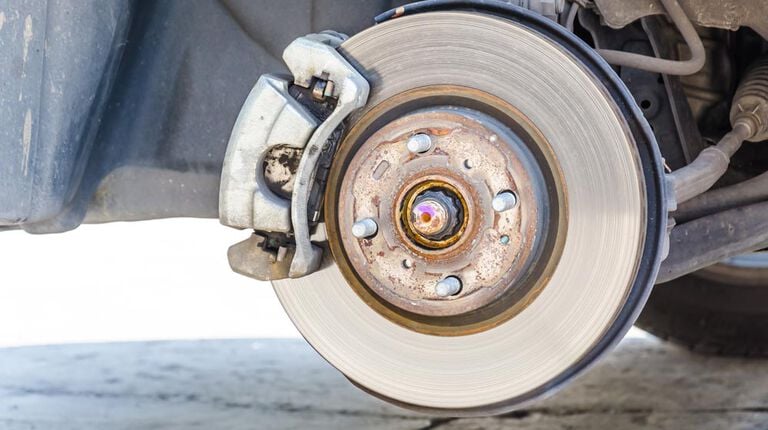
Visual inspection is a simple way to check if a brake rotor is warped. You do not need special tools. Just look closely at the rotor surface. Small signs can tell you if the rotor has a problem. These tips help you spot issues early. Detecting a warped rotor can save you from costly repairs later.
Checking For Surface Irregularities
Start by cleaning the rotor with a cloth. Dirt can hide damage. Next, look for grooves or ridges on the surface. A smooth rotor should have an even finish. Uneven spots or rough patches may mean warping. Run your finger gently over the rotor. You can feel bumps or dips. These feel different from normal wear. Also, check the rotor edges. Warped rotors sometimes have uneven edges or wobble slightly.
Signs Of Heat Spots And Cracks
Heat spots appear as dark blue or black marks. They show where the rotor got too hot. Too much heat can warp the metal. Look closely for these discolorations. Cracks may appear near the heat spots. Small cracks can grow and weaken the rotor. Use a bright light to see cracks better. Cracks look like thin lines or spider webs. If you see these signs, the rotor needs attention soon.
Testing Techniques For Rotor Warping
Testing techniques for rotor warping help identify problems early. Warped rotors cause vibrations and reduce braking performance. Checking your rotors regularly keeps your brakes safe and effective. Two common methods stand out for testing rotors accurately and easily.
Using A Dial Indicator
A dial indicator measures rotor runout with precision. Attach the dial indicator to a stable part near the rotor. Slowly rotate the rotor and watch the dial for any movement. The needle moves if the rotor surface is uneven. A runout above 0.002 inches usually means the rotor is warped. This tool gives a clear, exact reading of rotor condition.
Spin Test Method
The spin test is a simple way to spot rotor warping. Lift the wheel off the ground and spin it by hand. Watch the rotor’s edge as it turns. Look for any wobbling or shaking motion. A smooth, steady spin means the rotor is likely fine. Wobbling suggests the rotor surface is uneven or warped. This test requires no special tools and works well for quick checks.

Credit: www.reddit.com
Common Causes Of Rotor Warping
Warped brake rotors cause vibrations and reduce braking power. Understanding why rotors warp helps prevent damage and saves money. Many factors can lead to rotor warping. Some are related to driving habits, while others come from poor maintenance or parts.
Excessive Heat Build-up
Brakes create heat when used. Too much heat causes rotors to expand unevenly. Hard or frequent braking, like on steep hills, raises heat quickly. This can cause the rotor to warp or crack. Cooling down the brakes slowly helps avoid damage. Sudden stops without rest increase heat build-up.
Improper Installation
Incorrect rotor installation leads to uneven pressure. If rotors are not mounted straight, they spin unevenly. This causes vibrations and warping over time. Using the wrong tools or skipping steps can damage rotors. Always ensure professional fitting for better brake performance.
Poor Quality Materials
Low-quality rotors wear out faster and warp easily. Cheap metals do not handle heat well. They may crack or deform under stress. Investing in good quality rotors improves safety and durability. Quality materials resist warping and last longer on the road.
When To Replace Or Resurface Rotors
Knowing when to replace or resurface brake rotors is important for safe driving. Warped rotors cause vibrations and reduce braking power. Fixing them at the right time can save money and prevent accidents.
Rotors can be resurfaced if they are not too thin or damaged. Resurfacing smooths the surface to stop vibrations. If rotors are too thin or cracked, replacement is necessary.
Manufacturer’s Thickness Limits
Every rotor has a minimum thickness set by the maker. This limit ensures the rotor can handle heat and stress safely. Mechanics measure rotor thickness with a micrometer. If the rotor is below this limit, it must be replaced, not resurfaced.
Resurfacing removes some metal, which can make thin rotors unsafe. Staying above the thickness limit keeps brakes reliable and prevents failure.
Cost Vs. Safety Considerations
Resurfacing is usually cheaper than buying new rotors. It can fix minor warping and extend rotor life. But resurfacing old rotors repeatedly wears them down.
Replacing rotors costs more but offers better safety and performance. New rotors have smooth surfaces and full thickness. This leads to stronger braking and less vibration.
Choosing between resurfacing and replacement depends on rotor condition and your budget. Prioritize safety to avoid costly repairs or accidents later.
Preventing Rotor Warping
Warped brake rotors cause vibrations and reduce braking power. Preventing rotor warping keeps your car safe and your brakes working well. Simple habits and care help avoid this problem. Let’s explore key ways to protect your rotors.
Proper Brake Usage
Use brakes smoothly. Avoid hard stops unless necessary. Sudden braking heats rotors fast. Hot rotors can warp more easily. Try to slow down early and gently. This reduces stress on rotors and pads.
Regular Maintenance Checks
Inspect brakes often. Check rotor surfaces for grooves or damage. Replace worn brake pads quickly. Old pads cause uneven pressure on rotors. Have a mechanic measure rotor thickness regularly. Thin rotors are more likely to warp.
Upgrading Brake Components
Choose quality brake pads and rotors. Cheaper parts may wear unevenly. Consider rotors with better heat resistance. Some materials handle heat better and last longer. Upgraded parts improve braking and reduce warping risk.
Frequently Asked Questions
How Can I Identify A Warped Brake Rotor?
A warped brake rotor causes vibrations or pulsations when braking. You may feel a shaking in the brake pedal or steering wheel. Visual inspection can show uneven rotor surfaces or grooves. These signs indicate the rotor needs replacement or resurfacing.
What Symptoms Indicate Brake Rotor Warping?
Common symptoms include brake pedal pulsation, steering wheel shake, and uneven brake pad wear. You might also hear unusual noises during braking. These signs suggest the rotor is no longer smooth, affecting braking performance and safety.
Can I Drive With A Warped Brake Rotor?
Driving with a warped rotor is unsafe and can worsen damage. It reduces braking efficiency and may cause further wear to brake components. It is best to inspect and fix the rotor promptly to ensure vehicle safety.
How Does A Warped Rotor Affect Braking?
A warped rotor causes uneven contact with brake pads, leading to vibrations. This reduces braking efficiency and increases stopping distances. It may also cause noise and uneven brake pad wear, compromising overall brake system performance.
Conclusion
Warped brake rotors cause vibrations and noise while driving. You might feel shaking in the steering wheel or pedal. Checking rotor thickness and surface helps spot warping early. Driving with warped rotors can reduce braking safety. Replace or resurface rotors to keep brakes working well.
Regular brake inspections prevent bigger problems on the road. Stay alert to signs, and act quickly for safety. Safe brakes mean a safer drive every time.


