
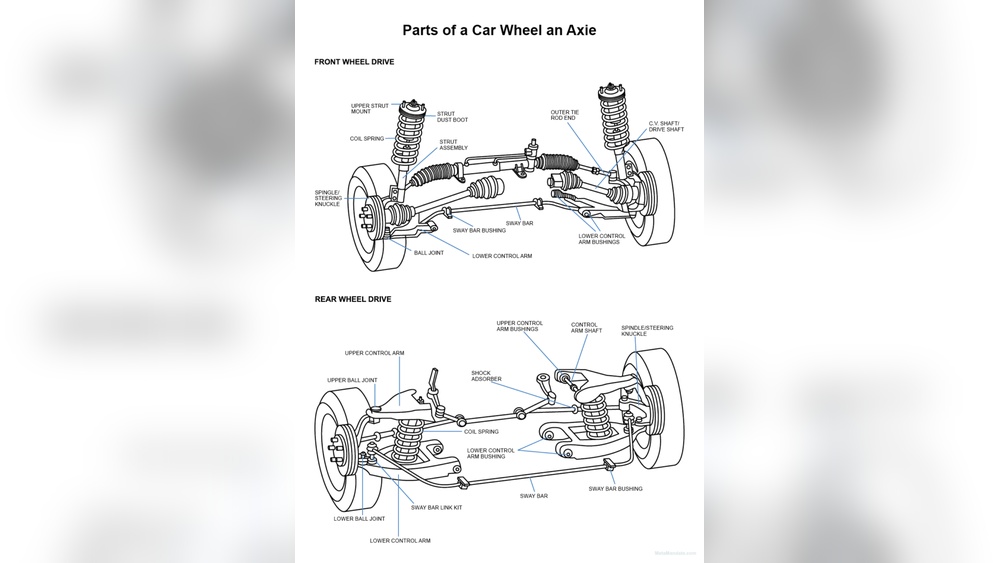
If you’ve ever wondered how your car’s wheels stay firmly attached and spin smoothly, understanding the car wheel axle is key. This simple yet vital part plays a big role in your vehicle’s performance and safety.
You’ll find a clear and easy-to-follow car wheel axle diagram that breaks down every component. By the end, you’ll know exactly how your wheel axle works and why it matters for your driving experience. Keep reading to unlock the secrets behind your car’s smooth ride!
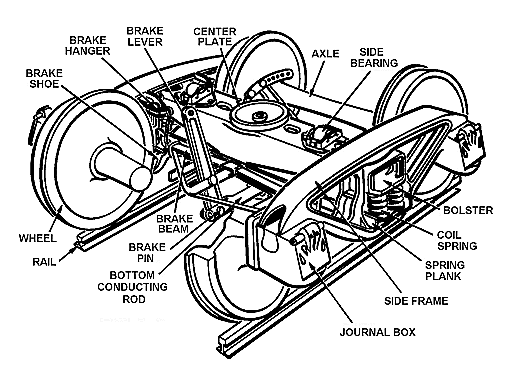
Credit: en.wikipedia.org
Car Wheel Axle Basics
The axle is a key part of any car’s wheel system. It connects the wheels to the vehicle. It carries the weight of the car and helps the wheels turn smoothly. Understanding the axle helps you see how your car moves and stays safe.
Axles come in different types and serve different purposes. Knowing these can help with car maintenance and repairs. Below are the basics about the purpose and types of axles.
Purpose Of The Axle
The axle holds the wheels in place. It supports the car’s weight and helps the wheels rotate. It also helps transfer power from the engine to the wheels. This makes the car move forward or backward. Without axles, wheels would not stay attached or turn properly.
Types Of Axles
There are several types of axles in cars. The main ones are live axles and dead axles. Live axles carry power to the wheels and help them turn. Dead axles only support the weight of the car and do not rotate. Some cars use independent axles for better control and smoother rides.
Key Components Of A Wheel Axle
The wheel axle is a vital part of any car. It supports the weight of the vehicle and allows the wheels to turn smoothly. Understanding its key components helps you see how a car moves and stays safe on the road.
Each part of the wheel axle plays a special role. They work together to provide stability and motion. Let’s explore the main parts of a wheel axle and their functions.
Axle Shaft
The axle shaft is a strong metal rod. It connects the wheels to the car’s engine. This part carries the power from the engine to the wheels. It must be tough to handle the force and weight.
Bearings
Bearings are small rings that fit around the axle shaft. They let the wheels spin freely with little friction. Bearings keep the wheel movement smooth and quiet. Without them, the wheels would wear out quickly.
Wheel Hub
The wheel hub is the center part where the wheel attaches. It holds the wheel in place on the axle. The hub also connects to the bearings. It helps the wheel turn evenly and stay stable.
Brake Assembly
The brake assembly is fixed near the wheel hub. It slows down or stops the wheel from spinning. This part is important for the car’s safety. It includes brake pads, discs, or drums that press against the wheel.
How The Wheel Axle Works
The wheel axle is a key part of a car’s movement. It helps the wheels turn and carry the car’s weight. Understanding how it works can show why it is so important.
The axle connects the wheels to the car. It moves power from the engine to the wheels. This power makes the car go forward or backward.
Power Transmission
The axle carries power from the engine to the wheels. It turns the wheels using this power. The engine creates energy. The axle sends this energy to the wheels to move the car.
Load Support
The axle holds the weight of the car and passengers. It keeps the wheels in place. The axle must be strong to carry this heavy load. It helps the car stay balanced and stable while driving.
Rotation Mechanism
The axle allows the wheels to spin freely. It turns around its center to roll the wheels. This rotation helps the car move smoothly on the road. The axle works with the wheels to make driving easy and safe.
Credit: www.alamy.com
Common Axle Configurations
Car wheel axles come in different types. Each type serves a specific role in vehicle performance. Understanding common axle configurations helps you grasp how cars move and handle.
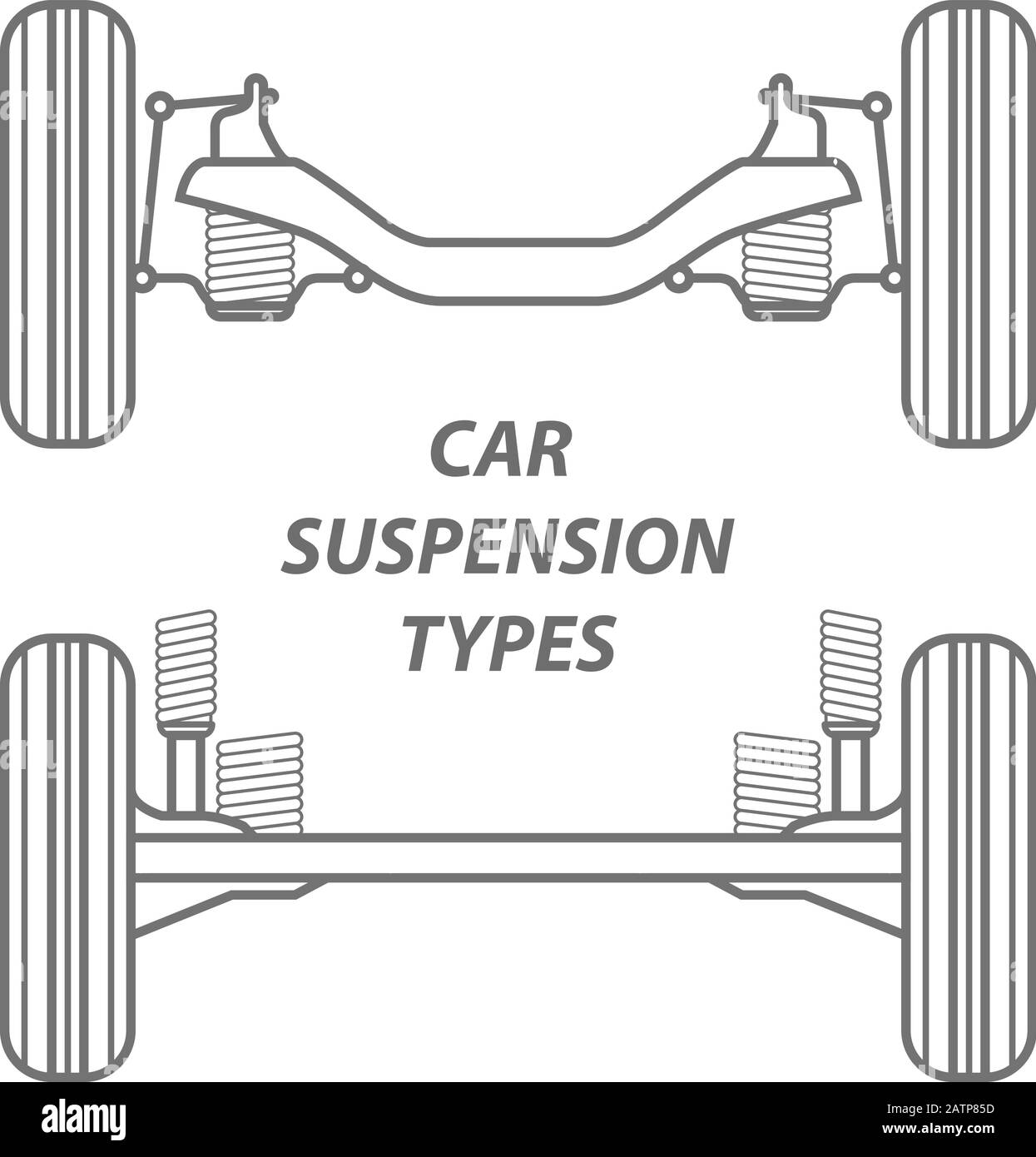
Axles connect wheels to the car frame. They also support the vehicle’s weight. The design of an axle affects ride comfort and control.
Live Axles
Live axles carry power from the engine to the wheels. They are usually found on rear wheels of trucks and SUVs. These axles also support the vehicle’s weight. Live axles are strong and simple in design. They help with heavy loads and rough roads. The downside is less smooth ride and handling.
Dead Axles
Dead axles do not transfer power. They only support the weight of the vehicle. These axles are common on front wheels of rear-wheel-drive cars. Dead axles allow wheels to turn freely. They help improve steering and ride comfort. They are simpler and lighter than live axles.
Independent Suspension Axles
Independent suspension axles allow wheels to move separately. This design improves ride quality and handling. Each wheel can react to bumps alone. These axles are common in modern cars. They reduce road shock and improve traction. Independent suspension makes driving safer and more comfortable.
Materials And Design Features
The materials and design features of a car wheel axle play a key role in its performance. They affect how strong, durable, and light the axle will be. Choosing the right material and design ensures safety and efficiency.
Every part of the axle must work well under pressure and stress. The design must balance strength with weight. This section explains the common material choices and important design factors.
Material Choices
Steel is the most common material for car wheel axles. It is strong and can handle heavy loads. Alloy steel adds extra strength and resistance to wear. Some axles use aluminum to reduce weight. Titanium is rare but very strong and light.
Strength And Durability
Axles must resist bending and breaking. The material must handle constant pressure from the car’s weight. Durable materials last longer and need less maintenance. Heat treatment and hardening processes improve strength. Design features like thicker sections add durability too.
Weight Considerations
Lighter axles improve fuel efficiency and car handling. Using aluminum or titanium helps reduce weight. However, light materials must still be strong enough. Designers balance weight and strength to get the best results. Reducing axle weight also lowers the car’s overall weight.
Maintenance And Troubleshooting
Maintaining the car wheel axle is important for safe driving and vehicle performance. Regular checks help spot problems early. Fixing issues quickly prevents bigger damage and costly repairs.
Troubleshooting wheel axle problems requires knowing the common signs of wear. Understanding these signs helps keep the car running smoothly. Simple repair tips can extend the life of the axle and improve safety.
Signs Of Wear
Look for unusual noises like clunking or grinding near the wheels. Vibrations during driving can signal axle problems. Check for grease leaks or damaged boots around the axle. Uneven tire wear may also indicate axle wear.
Common Issues
Axle shaft bending or cracking can cause poor handling. Worn wheel bearings lead to noise and rough rides. Damaged CV joints create clicking sounds during turns. Loose or broken axle nuts reduce stability and safety.
Repair Tips
Always use the right tools and follow safety steps. Replace worn boots to protect the axle from dirt. Tighten loose nuts to secure the axle properly. Lubricate moving parts to reduce wear and noise. Replace damaged parts quickly to avoid further damage.
Innovations In Wheel Axle Technology
Innovations in wheel axle technology have changed how cars perform and last. New designs and materials make axles lighter and stronger. Smart systems now help axles work better with vehicle controls. These advances improve safety, fuel efficiency, and driving comfort.
Lightweight Designs
Car manufacturers focus on making axles lighter. Less weight means better fuel economy and faster acceleration. Engineers use clever shapes and hollow parts to reduce mass. Lightweight axles also help lower the car’s overall weight. This leads to smoother rides and less wear on tires.
Advanced Materials
New materials replace traditional steel in many axles. Aluminum and carbon fiber offer strong yet light options. These materials resist rust and damage from road salt. Using advanced materials extends the axle’s life. It also cuts maintenance costs for car owners.
Smart Axle Systems
Smart axles include sensors and electronics inside the parts. These systems monitor axle health and performance in real time. Data from smart axles helps prevent breakdowns by warning drivers early. Some systems adjust axle behavior for better handling. This technology supports safer and more comfortable driving.
Credit: www.internationaltyres.com
Frequently Asked Questions
What Is A Car Wheel Axle Diagram?
A car wheel axle diagram visually represents the axle and wheel assembly. It shows key parts and their connections. This helps in understanding how wheels rotate and support vehicle weight. The diagram is essential for mechanics and car enthusiasts.
How Does A Car Wheel Axle Function?
The axle connects wheels to the vehicle and supports its weight. It allows wheels to rotate smoothly. It also transfers power from the engine to the wheels. This enables the car to move efficiently and safely.
What Are The Main Parts In A Wheel Axle Diagram?
Main parts include the axle shaft, bearings, hub, and wheel. Bearings reduce friction during wheel rotation. The hub connects the wheel to the axle. Each part plays a vital role in vehicle stability and motion.
Why Is Understanding The Axle Diagram Important?
Knowing the axle diagram helps in diagnosing wheel issues. It aids in proper maintenance and repair of the wheel assembly. This knowledge improves vehicle safety and performance. It also saves time and repair costs.
Conclusion
Understanding the car wheel axle diagram helps in many ways. It shows how parts work together to move the car. Knowing the axle’s role can make repairs easier. It also helps spot problems early, saving time and money. This basic knowledge supports safer driving and better car care.
Keep this diagram in mind when learning about car parts. Simple but important. A small step toward better vehicle maintenance.


